
Sweet Alyssum in Zone 5B — Great Plains
Lobularia maritima · Your Complete 2026 Planting Guide
Last Call for Seed Starting!
Indoor seed starting window closes in 5 days.
Start Seeds This Week
Start seeds now for transplanting later.
Or Wait for Starts
If you don’t want to start seeds, starts will be available around April 6.
How to Plant Sweet Alyssum in Zone 5B — Great Plains
Here are all your options for getting sweet alyssum in the ground, from the easiest method to more advanced approaches.
Direct Sow Seeds
RecommendedEarly April through mid August
around April 6
Consider succession planting every 2-3 weeks for continuous harvest.
Start Seeds Indoors
RecommendedMid February through early March
around February 23
Then transplant: Early April through mid May
Start seeds 6-8 weeks before transplanting outdoors.
Buy Starts
Works WellEarly April through mid May
around April 6
Plant purchased starts after last frost (April 20).
Transplant Outdoors
Timing InfoEarly April through mid May
around April 6
Can tolerate light frost, but wait for soil to be workable.
You have a nice window — no need to rush.
Overview
Sweet Alyssum is a winner in our Zone 5B gardens. The honey-like scent alone is worth it, but it also attracts beneficial insects and makes a beautiful ground cover around taller plants. Plus, it tolerates our intense sunshine better than some other flowering plants.
Sure, we face challenges like extreme temperature swings and the occasional hail risk here on the Plains. But with careful timing, you can enjoy a long season of blooms from late spring all the way until frost. Our 178-day growing season gives you plenty of time to enjoy this plant.
Starting Seeds Indoors
Starting Sweet Alyssum indoors gives you a jump start, especially if you're further north in our zone. Mid February through early March is the time to sow your seeds indoors, about 6 weeks before you plan to transplant. Use seed trays with a good seed-starting mix, and keep them warm (around 70°F) and under grow lights.
Bottom watering is a good idea to keep the soil consistently moist without damping off. Keep an eye on the weather as transplant time approaches. Spring here on the Plains can be variable, so be prepared to hold off if we get a late cold snap.
Transplanting Outdoors
Transplant your Sweet Alyssum seedlings outdoors from early April through mid May, after the danger of hard frost has passed. Before transplanting, harden them off by gradually exposing them to outdoor conditions for about a week. This helps them adjust to our Plains winds and sunlight.
Space them 6-8 inches apart in a sunny to partly shady spot. Keep a close eye on the forecast – a late-season frost can still happen, so be ready to cover your seedlings if necessary.
Direct Sowing
Direct sowing Sweet Alyssum is an easy option, especially if you're not in a hurry. Sow seeds directly into the garden from early April through mid August. The soil temperature needs to be at least 60°F for germination.
Prepare the soil by loosening it and removing any weeds. Sprinkle the tiny seeds on the surface and lightly press them into the soil. Keep the soil consistently moist until the seedlings emerge. Thin the seedlings to 6-8 inches apart once they are large enough to handle. Direct sowing works best if you have consistent rainfall, but be prepared to water if needed.
Watering Sweet Alyssum in Zone 5B (Great Plains)
Sweet Alyssum needs moderate watering to thrive here on the Plains. While it's not very drought-tolerant, it also doesn't like soggy soil. A good rule of thumb is to water deeply when the top 2 inches of soil feel dry to the touch – the "finger test."
During the heat of summer, especially when temperatures reach the 90s, you might need to water every other day, providing about 1 inch of water each time. In spring and fall, when temperatures are cooler and we often get more rain, you can usually reduce watering to once or twice a week. Water at the base of the plants to avoid wetting the foliage, which can encourage fungal diseases in our low-to-moderate humidity.
Pay attention to your plants. If the leaves are wilting or turning yellow, you're likely overwatering. If the leaves are dry and crispy, you're underwatering. A layer of mulch around the plants can help retain moisture and keep the soil cool.
Pruning & Maintaining Sweet Alyssum
Sweet Alyssum is pretty low-maintenance when it comes to pruning. However, they can get a little leggy and stop blooming as profusely during the hottest part of the summer. When this happens, shear them back by about half.
Don't worry, they'll bounce back quickly with fresh growth and more flowers once the temperatures cool down. As the first frost approaches in mid- October, you can let them go to seed or pull them up.
🧪Fertilizing Sweet Alyssum
Feeding Schedule
Organic Fertilizer Options
Harvest Time
Sweet Alyssum is more about the beauty than a traditional harvest. You can expect continuous blooms from late May through late October. The flowers attract beneficial insects to your garden and act as a living mulch.
There's no need to "harvest" in the traditional sense, just enjoy the flowers! To encourage continuous blooming, deadhead any spent flowers, but this isn't strictly necessary. As the first frost approaches, you can collect seeds for next year if you want, but Sweet Alyssum often self-seeds readily.
Common Problems in Zone 5B (Great Plains)
Even though Sweet Alyssum is fairly easy to grow, you might run into a few problems.
Downy Mildew
- What it looks like: Yellow patches on the tops of leaves, with a fuzzy, gray-purple growth on the undersides. Leaves turn brown and die, starting from the bottom of the plant.
- What causes it: This is caused by an oomycete pathogen that thrives in cool, humid conditions. The spores spread easily in the wind.
- How to fix/prevent it: Remove any affected leaves immediately. Improve air circulation around your plants by spacing them properly. Water at the base of the plants, never overhead. You can also use a copper-based fungicide as a preventative measure.
Heat Dieback
- What it looks like: The plant may wilt and stop flowering during the hottest part of summer. In severe cases, it may even die back completely.
- What causes it: This is simply due to the extreme heat we experience here on the Plains. Sweet Alyssum prefers cooler temperatures.
- How to fix/prevent it: Provide some afternoon shade during the hottest part of the day. Water more frequently to keep the soil moist. Mulching around the plants can also help keep the soil cool. Don't worry too much; it will likely recover when the temperatures cool down.
Flea Beetles
- What it looks like: Tiny, round holes (shot-hole pattern) in the leaves. You might also see small, dark beetles that jump when disturbed. The damage is usually worst on young seedlings.
- What causes it: Flea beetles are small, jumping beetles that feed on the leaves of many different plants. They're most damaging to small, young plants.
- How to fix/prevent it: Cover seedlings with row covers to protect them during their vulnerable stage. You can also try delaying planting until the plants are larger and more able to withstand the damage. Coating the plants with kaolin clay can also deter the beetles. Neem oil spray can also help. Interplanting with basil or catnip may also help repel them.
Great Plains Specific Challenges: Our hot summers and variable rainfall can be tough on Sweet Alyssum. Be prepared to provide extra water during dry spells, and consider providing some afternoon shade during the hottest part of the summer to prevent heat dieback. Wind protection is essential, so consider planting near a fence or other structure.
Best Companions for Sweet Alyssum
Plant these nearby for healthier Sweet Alyssum and better harvests.
View Full Companion Planting Chart →

Companion Planting Details
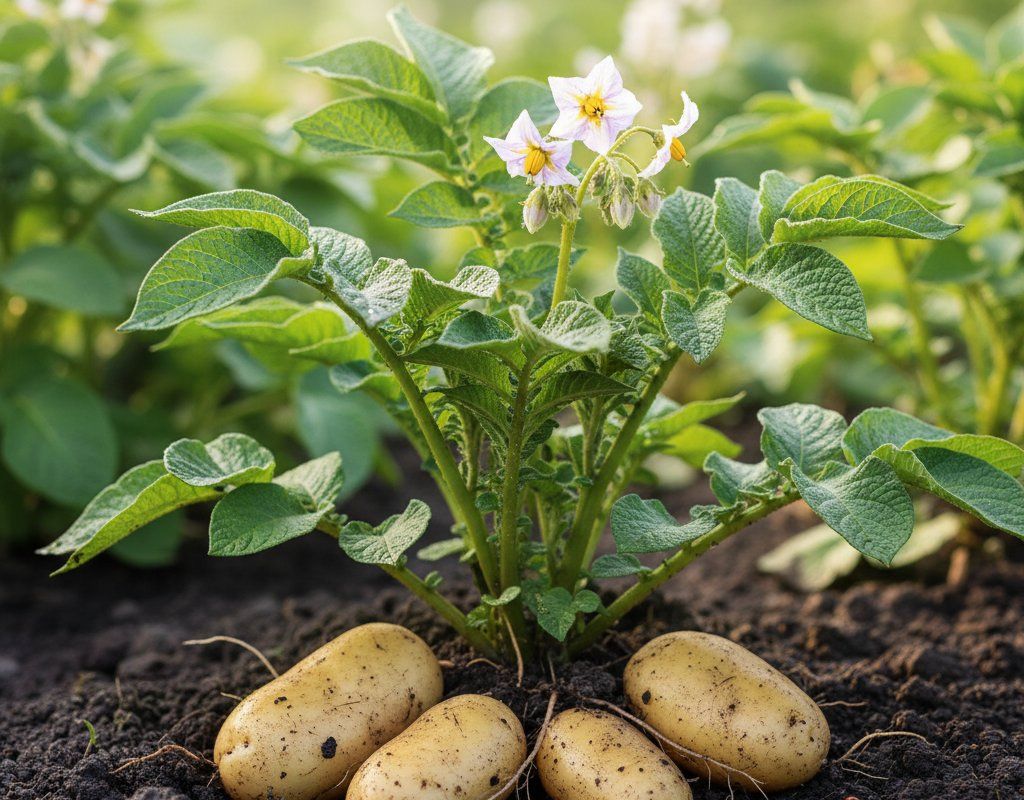
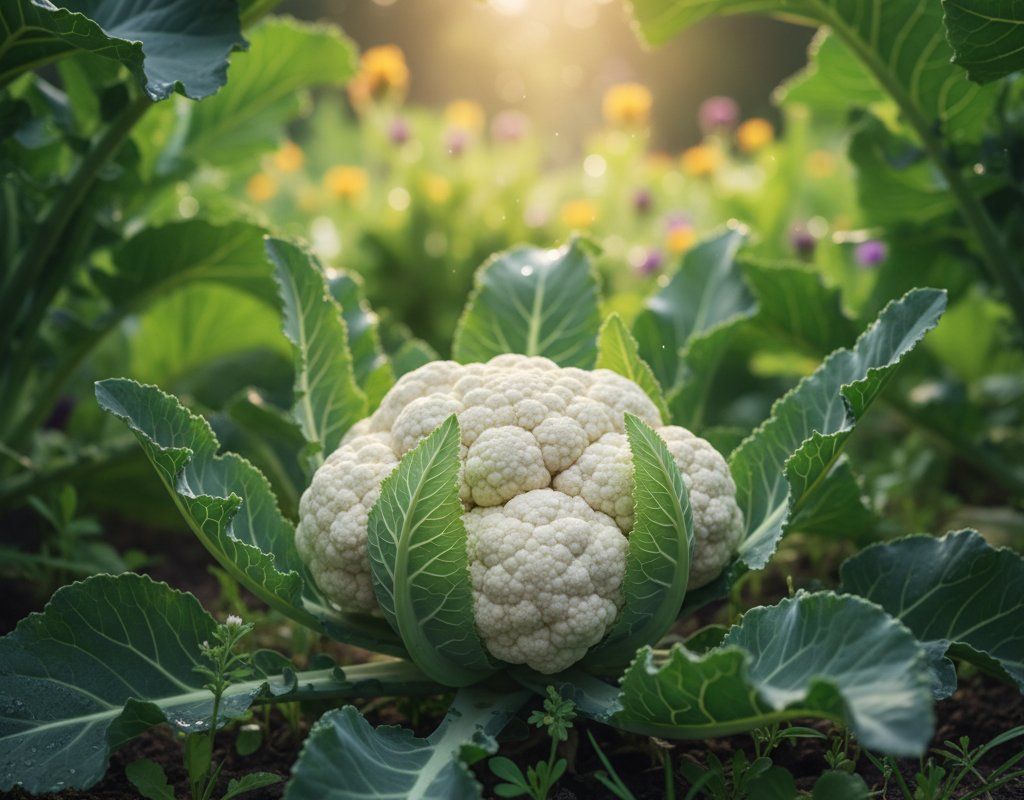
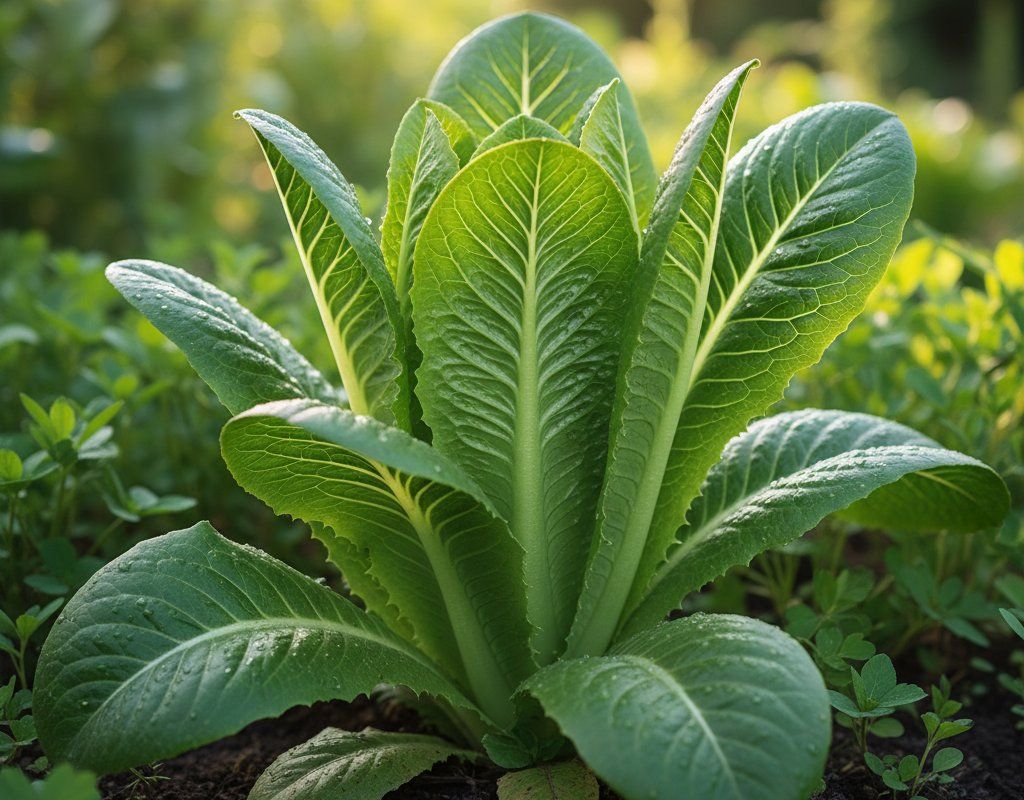
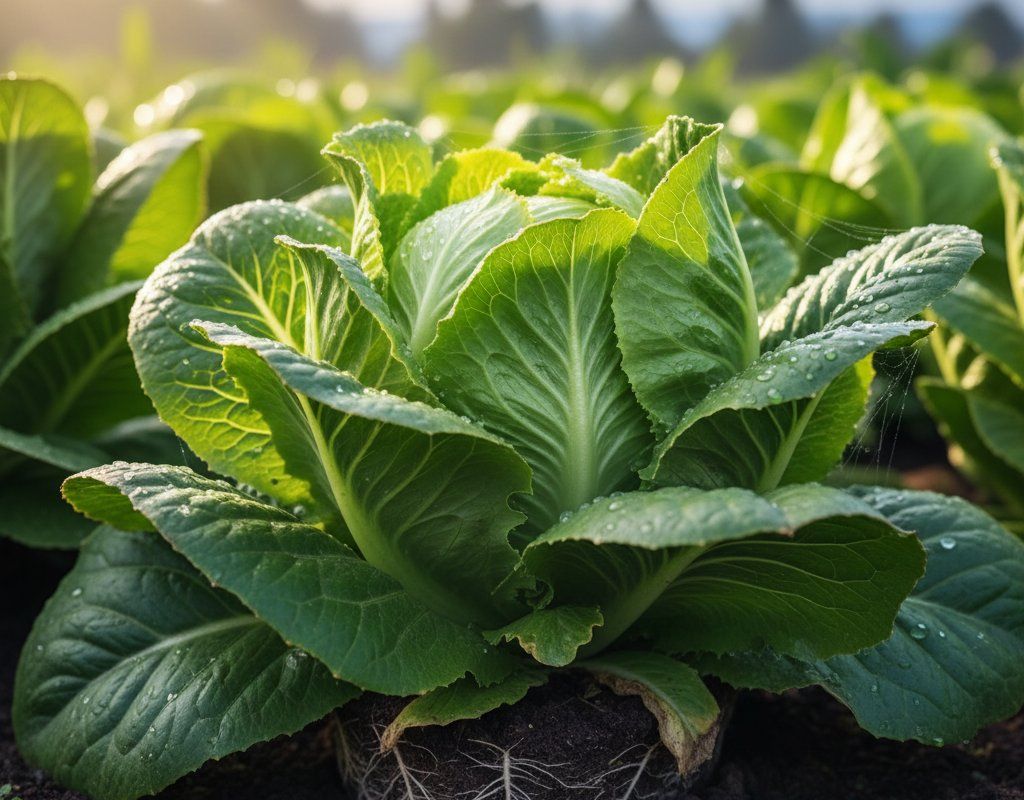
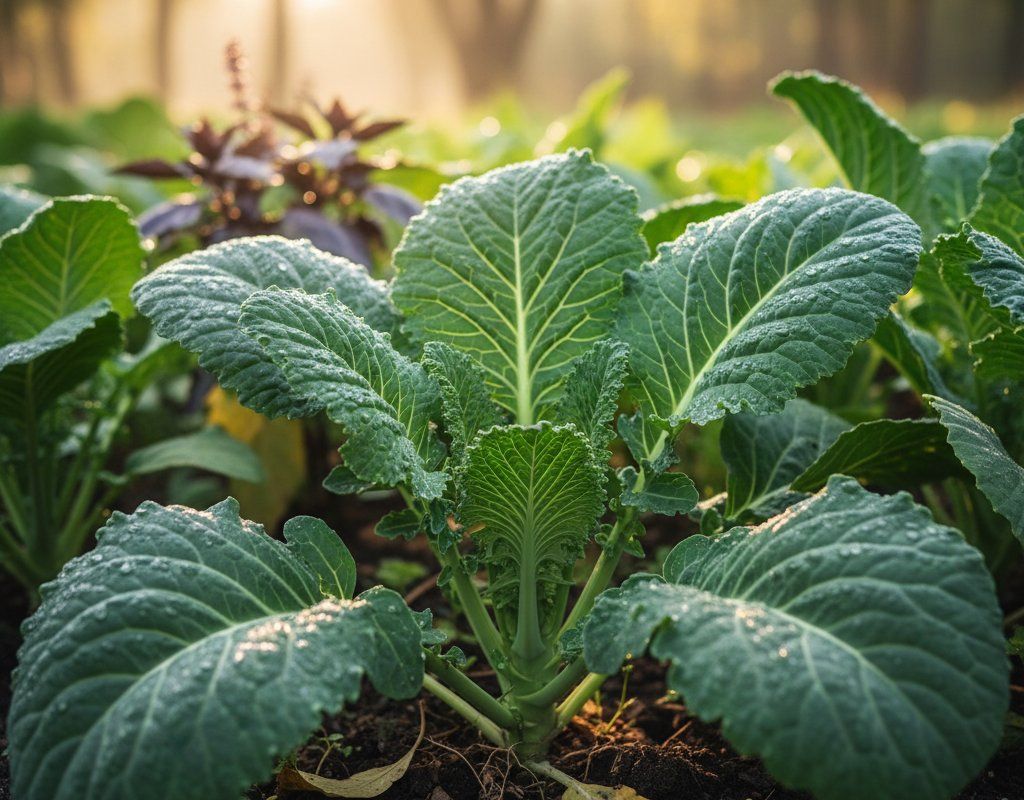
Sweet Alyssum makes a great companion plant for several vegetables in our Plains gardens. It attracts beneficial insects like hoverflies and parasitic wasps, which can help control pests on your broccoli. Planting it near potatoes can help deter potato beetles. The low-growing habit of Sweet Alyssum also makes it a good living mulch for lettuce, helping to keep the soil cool and moist.
Avoid planting Sweet Alyssum near anything that is very susceptible to flea beetles. Because Sweet Alyssum can attract these pests, you don't want to create a flea beetle buffet in your garden.
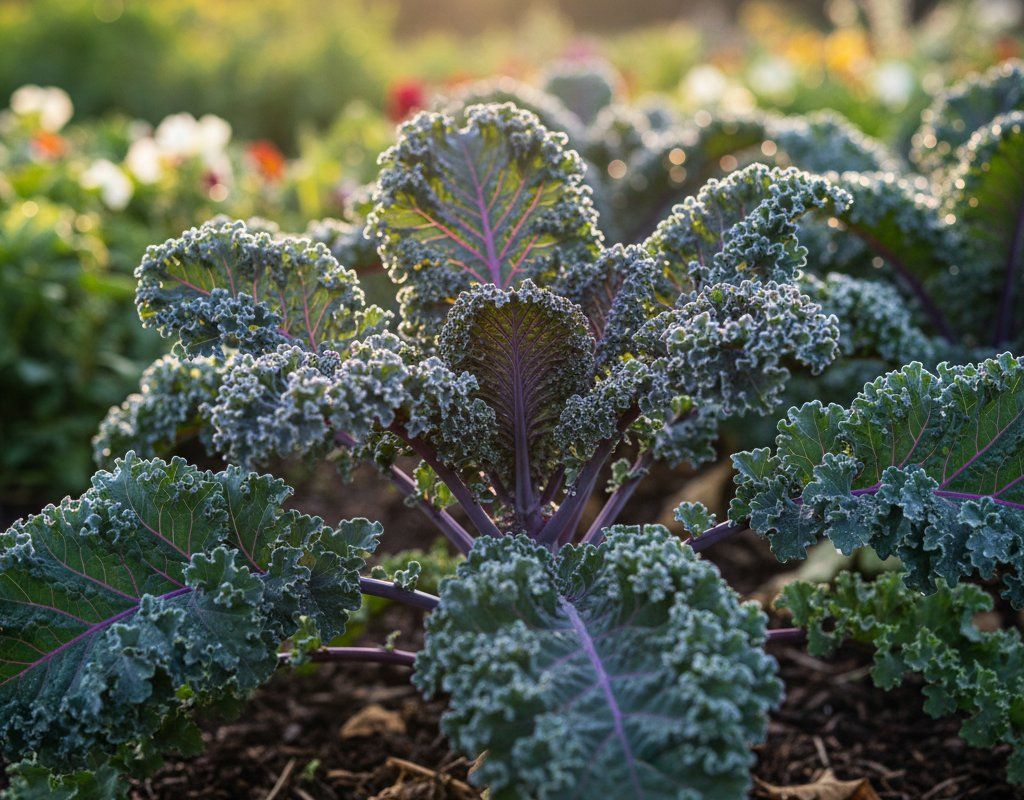
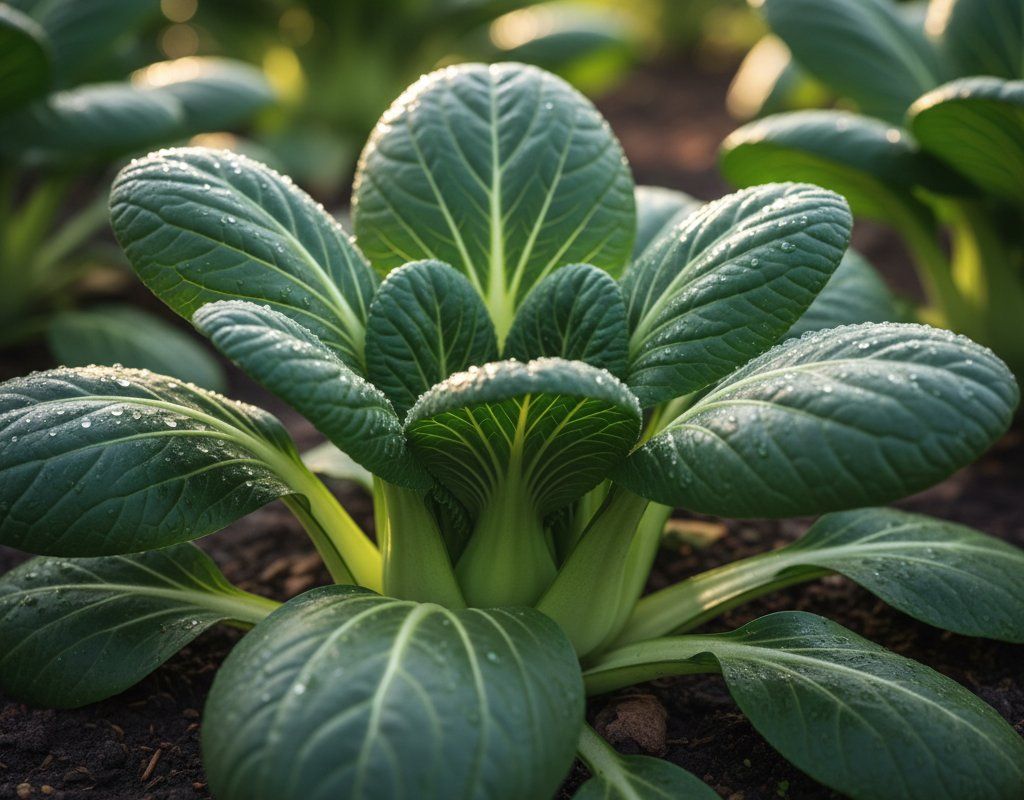
🥬Best Vegetables to Pair With Sweet Alyssum
Sweet Alyssum benefits these vegetables through pest control, pollinator attraction, or improved garden health.

Get a Reminder When It's Time to Plant
We'll email you when key planting windows open for your zone.