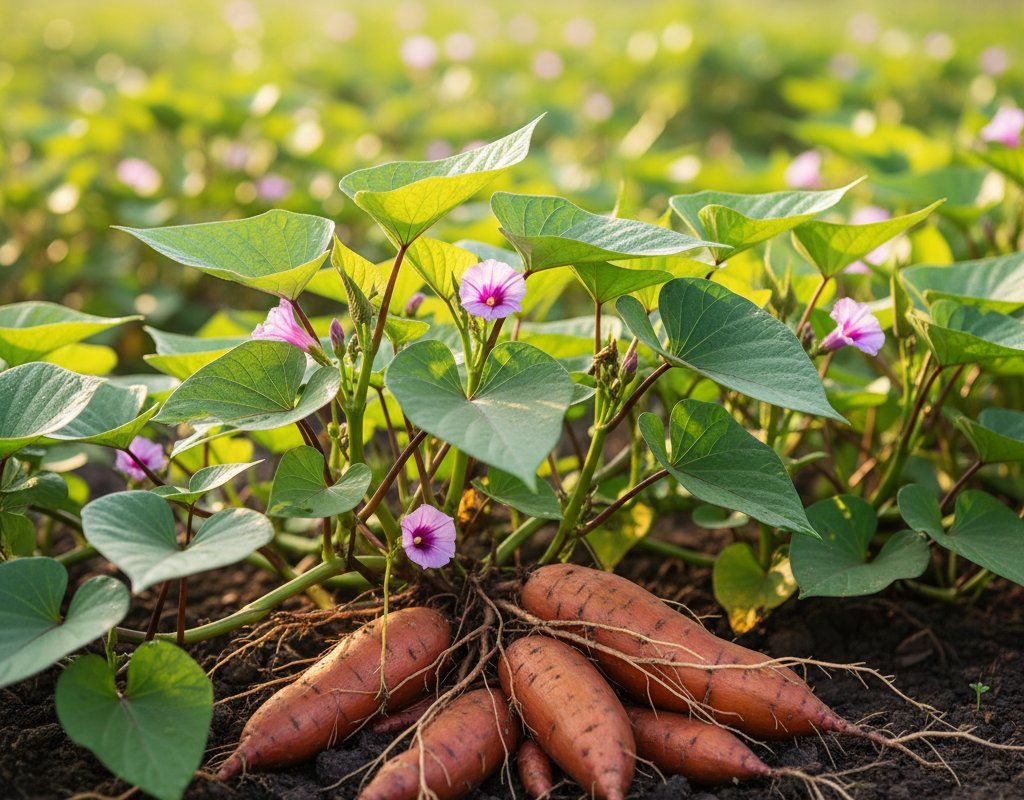
Sweet Potato in Zone 10A — Southern California
Ipomoea batatas · Your Complete 2026 Planting Guide
Check Planting Details Below
See the full planting guide for timing information.
How to Plant Sweet Potato in Zone 10A — Southern California
Here are all your options for getting sweet potato in the ground, from the easiest method to more advanced approaches.
Buy Starts
RecommendedEarly to late February
around February 5
Plant purchased starts after last frost (January 15).
Plant slips (rooted sprouts) after soil is warm. Buy slips or grow your own from a sweet potato.
Start Seeds Indoors
Works WellEarly to late December
around December 11
Then transplant: Early to late February
Start seeds 8-10 weeks before transplanting outdoors.
Direct Sow Seeds
ChallengingDirect sowing is not typical for Sweet Potato.
Transplant Outdoors
Timing InfoEarly to late February
around February 5
Wait until nighttime temperatures stay above 50°F.
Plan to transplant within a few weeks of your target date.
Overview
Sweet potatoes are perfectly suited for Southern California's generous growing season, thriving in our hot summers and mild winters. These nutrient-packed tubers develop their signature sweetness during our long, warm growing period, and you can harvest pounds of sweet potatoes from just a few plants. With our 349-day growing season and reliable summer heat, you'll get excellent yields of this versatile crop that stores well through our mild winters.
While our semi-arid climate and occasional water restrictions might seem challenging, sweet potatoes are actually quite drought-tolerant once established. The key is getting your timing right with our very early spring - start your slips indoors during our coolest months, then transplant when soil warms in late winter for a perfect summer harvest.
Starting Seeds Indoors
Starting sweet potatoes from seed isn't the typical approach - most gardeners grow them from slips (rooted sprouts from sweet potato tubers). However, if you want to try seed starting, begin in early to late December, about 8 weeks before transplanting. Sweet potato seeds need consistent warmth (75-80°F) to germinate, which works well indoors during our mild winters.
Set up seed trays with quality seed starting mix and place them in a warm spot or use a heat mat. Bottom watering works best to keep soil evenly moist without waterlogging the seeds. You'll need grow lights or a very bright window, as our December daylight hours are at their shortest.
Most SoCal gardeners find it easier to either buy certified disease-free slips in early spring or create their own by placing a sweet potato in water until it sprouts. This method is more reliable and faster than seed starting, especially with our very early spring timing.
Transplanting Outdoors
Sweet potato slips should go into the ground from early to late February, once soil temperatures consistently reach 60°F. Your slips need soil that's truly warmed up - our mild winter days can be deceiving, but cold soil will stunt growth significantly. Wait for a stretch of warm days when nighttime temperatures stay above 55°F.
Harden off your slips gradually over a week, starting with a few hours of morning sun and building up to full exposure. Plant them 12-18 inches apart in well-draining soil, burying about two-thirds of the stem. This deep planting encourages strong root development, which is crucial for good tuber production.
February transplanting works well in Southern California because it gives plants time to establish before our intense summer heat kicks in. Watch for late-season temperature swings that can stress young transplants, and be ready with row covers if an unexpected cold snap threatens.
Watering Sweet Potato in Zone 10A (Southern California)
Sweet potatoes have moderate water needs but become surprisingly drought-tolerant once established, making them well-suited for our water-wise gardening reality. During the first month after transplanting, keep soil consistently moist but not waterlogged - about 1 inch of water per week is ideal. Use the finger test: soil should be moist 2 inches down but not soggy.
Once plants are established by mid-spring, you can reduce watering frequency while increasing the amount per session. Deep, less frequent watering encourages the roots to grow down rather than staying shallow. During our hot summer months, plan for about 1-2 inches of water weekly, adjusting based on your specific microclimate and whether you're inland or closer to the coast.
The key is maintaining consistent moisture without waterlogging, especially important in our low-to-moderate humidity climate where plants can stress quickly from either extreme. Water at soil level rather than overhead to conserve water and reduce evaporation. Signs of underwatering include wilting during the heat of the day that doesn't recover by evening, while overwatering shows as yellowing leaves and poor growth.
About 3-4 weeks before your planned harvest, start reducing water to concentrate the sugars in the tubers. A 2-3 inch layer of mulch helps maintain even moisture throughout our long growing season and reduces water needs significantly - crucial during potential water restrictions or our dry summer months.
🧪Fertilizing Sweet Potato
Feeding Schedule
Organic Fertilizer Options
Harvest Time
Your first sweet potatoes will be ready from mid-May through late June, roughly 100 days from transplanting. Unlike many vegetables, sweet potatoes don't give obvious visual cues when ready - you'll need to carefully dig around one plant to check tuber size. Mature sweet potatoes should be 3-5 inches long and feel firm when gently squeezed.
Harvest timing isn't critical since sweet potatoes continue growing until frost, and in Southern California, that gives you until late December. However, many gardeners prefer harvesting during our mild late spring weather for easier curing conditions. Dig carefully with a garden fork, starting about 18 inches from the plant center to avoid spearing tubers.
Handle harvested sweet potatoes gently - damaged skin leads to storage problems. After digging, brush off soil but don't wash them yet. Cure your sweet potatoes in a warm (80-85°F), humid location for 7-10 days to develop their sweetness and heal any minor skin damage. A garage or covered patio works well during our warm late spring weather.
With our long, frost-free growing season, you can leave sweet potatoes in the ground much longer than gardeners in other zones. This flexibility lets you harvest as needed through fall, though tubers may become oversized if left too long.
Common Problems in Zone 10A (Southern California)
Sweet Potato Weevils Small, dark beetles with long snouts that create tunnels in your sweet potato tubers, leaving behind a bitter, inedible mess. Adult weevils lay eggs in stems and tubers, and their grub-like larvae tunnel through the flesh, creating brown, bitter-tasting channels. This pest thrives in our warm Southern California climate and can devastate an entire crop if left unchecked.
Sweet potato weevils are attracted to stressed plants and exposed tubers, so maintain consistent watering and keep developing tubers well-covered with soil. Remove any cracked or damaged sweet potatoes immediately, as these provide entry points. Crop rotation is essential - don't plant sweet potatoes in the same spot for at least three years, and consider using certified disease-free slips rather than saving your own tubers.
Wireworms These yellow-brown, segmented larvae burrow perfectly round holes into sweet potato tubers, making them look like they've been shot with tiny bullets. Wireworms are actually click beetle larvae that can live in soil for several years, becoming more problematic in areas that were previously lawn or pasture. They're particularly active during our mild spring months when soil temperatures warm up.
The damage appears as clean, round holes about 1/8 inch in diameter, often with brown staining around the entry points. While the tubers are still edible if you cut away damaged portions, severe infestations can ruin most of your harvest. Prevention involves avoiding planting sweet potatoes where lawn or weedy areas were recently tilled, as these harbor wireworm populations.
Cracking Sweet potato tubers develop splits or cracks in their skin, either as concentric circles around the tuber or as radial lines from one end. These cracks expose the flesh to rot and secondary infections, ruining storage quality even if the tuber looks fine at harvest. Heavy watering or rain after a dry period causes tubers to absorb water faster than their skin can expand, leading to these splits.
In Southern California's semi-arid climate, cracking often occurs when gardeners overcompensate after letting plants get too dry, or when late-season rains arrive after a particularly hot, dry spell. Maintain consistent soil moisture throughout the growing season using mulch and regular deep watering. If cracks appear, harvest those tubers first and use them immediately rather than storing them.
Southern California Specific Challenges: Our hot, dry summers and occasional Santa Ana wind events can stress sweet potato plants, making them more susceptible to pest problems. The combination of intense inland heat and low-to-moderate humidity means maintaining consistent soil moisture is crucial for preventing both pest attraction and physiological problems like cracking.
Best Companions for Sweet Potato
Plant these nearby for healthier Sweet Potato and better harvests.


Keep Away From
Companion Planting Details
Sweet potatoes work beautifully in Southern California's "Three Sisters" style plantings with beans and corn, taking advantage of our long growing season to establish this traditional combination. Beans fix nitrogen in the soil that sweet potatoes can use, while the sweet potato vines spread as a living mulch that conserves precious water and suppresses weeds during our hot, dry summers. Corn provides some welcome afternoon shade during intense heat waves, though plant it on the south side so it doesn't block morning sun.
Avoid planting sweet potatoes near heavy feeders like tomatoes or brassicas, as competition for nutrients can reduce tuber development. The sprawling sweet potato vines also need space to spread - typically 3-4 feet per plant - so companion plants should be either tall (like corn) or positioned where vines won't smother them. In our water-conscious region, this ground-covering habit makes sweet potatoes excellent companions for vertical growers that benefit from the natural mulch and soil cooling their vines provide.
🌸Best Flowers to Plant with Sweet Potato
These flowers protect your Sweet Potato from pests and attract pollinators for better harvests.
For Pest Control




Get a Reminder When It's Time to Plant
We'll email you when key planting windows open for your zone.