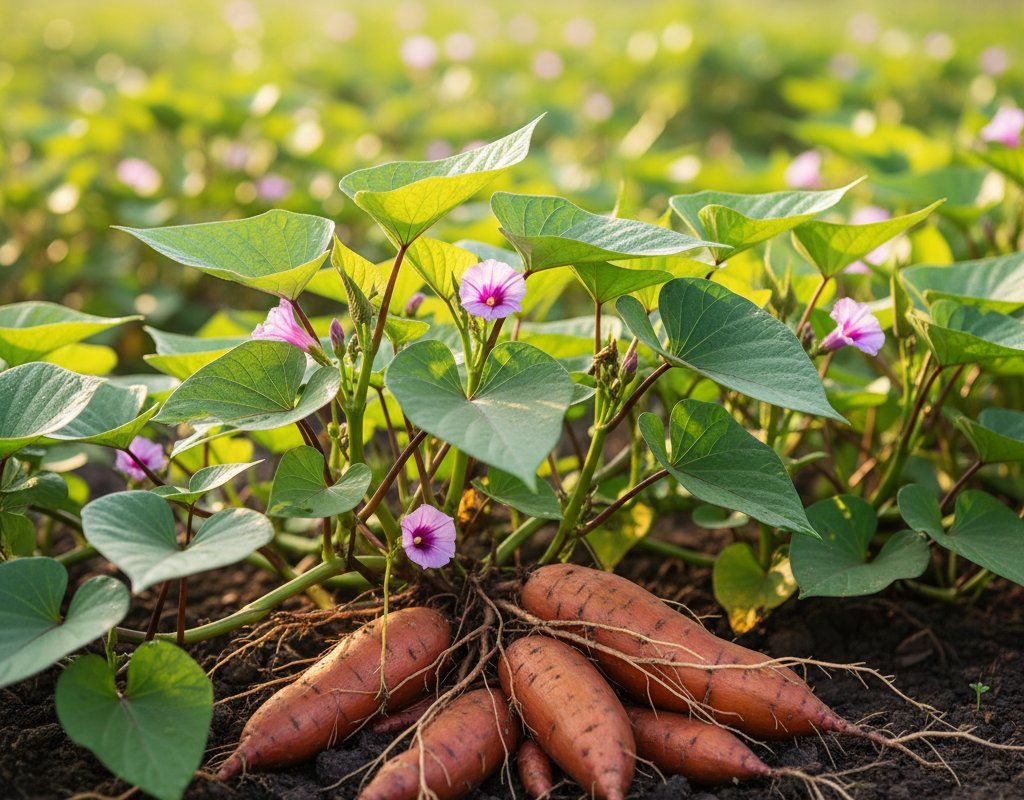
Sweet Potato in Zone 3A — Great Plains
Ipomoea batatas · Your Complete 2026 Planting Guide
Planning Ahead — Great!
You’re ahead of the season. Here’s when to start.
Mark Your Calendar
How to Plant Sweet Potato in Zone 3A — Great Plains
Here are all your options for getting sweet potato in the ground, from the easiest method to more advanced approaches.
Buy Starts
RecommendedMid to late June
around June 15
Plant purchased starts after last frost (May 25).
Plant slips (rooted sprouts) after soil is warm. Buy slips or grow your own from a sweet potato.
Start Seeds Indoors
Works WellMid April through early May
around April 20
Then transplant: Mid to late June
Start seeds 8-10 weeks before transplanting outdoors.
Direct Sow Seeds
ChallengingDirect sowing is not typical for Sweet Potato.
Transplant Outdoors
Timing InfoMid to late June
around June 15
Wait until nighttime temperatures stay above 50°F.
Timing is critical in your zone — don’t delay!
Overview
Sweet potatoes bring something special to your Great Plains garden—these nutritious tubers store beautifully through our harsh winters and offer incredible versatility in the kitchen. While they need our full growing season and some patience, sweet potatoes actually handle our intense sunshine and occasional drought better than many crops once established. The payoff is impressive: one plant can yield several pounds of sweet, orange flesh that tastes nothing like what you'll find in stores.
Growing sweet potatoes in Zone 3A requires careful timing since we're pushing the limits with our 108-day season, but it's absolutely doable with the right approach. You'll need to start with slips (rooted sprouts) rather than seeds, and our variable spring weather means you can't rush the planting. Plan for a mid-to-late June transplant when soil temperatures stay consistently warm.
Starting Seeds Indoors
Starting sweet potatoes from seed isn't the typical approach—most Plains gardeners work with slips instead. However, if you want to try growing your own slips from a store-bought sweet potato, start this process in mid-April through early May, about 8 weeks before transplant time. Place a sweet potato half-submerged in water in a warm location, and sprouted slips will emerge that you can later root.
For those determined to grow from actual sweet potato seeds, start them in seed trays with bottom watering to maintain consistent moisture. Keep them at 75-80°F, which can be challenging during our variable spring weather. You'll need supplemental heat and grow lights since natural light won't be strong enough yet.
The reality is that most successful Plains gardeners either buy slips from suppliers or grow their own from tubers. Seeds are finicky and don't give you the head start you need for our short season.
Transplanting Outdoors
Transplant your sweet potato slips in mid-to-late June when soil temperatures consistently stay above 65°F both day and night. Our Great Plains weather can still surprise you with cool snaps even in June, so patience pays off here. Sweet potatoes absolutely will not tolerate cold soil, and a setback early in the season means you might not get a harvest before our early September frost.
Harden off your slips gradually over a full week, starting with just an hour of outdoor exposure and building up. Space them 12-18 inches apart in loose, well-draining soil—sweet potatoes need room for their vines to spread and tubers to develop. Plant them deep, burying most of the stem with just the top leaves showing.
Wind protection becomes crucial at transplant time since sweet potato vines are tender. Consider temporary windbreaks or plant them on the protected side of taller crops like corn. The combination of our intense sun and drying winds can stress newly transplanted slips quickly.
Watering Sweet Potato in Zone 3A (Great Plains)
Sweet potatoes need consistent moisture to get established, but once their root systems develop, they handle our Plains droughts surprisingly well. During the first month after transplanting, keep soil evenly moist with about 1-1.5 inches of water per week. Use the finger test—if the top 2 inches of soil feel dry, it's time to water.
As summer progresses and your sweet potatoes mature, you can reduce watering to about an inch per week. Our low-to-moderate humidity means water at the base of the plants rather than overhead—this reduces evaporation and keeps the foliage dry. Sweet potatoes actually prefer slightly drier conditions as harvest approaches, which works perfectly with our variable late-summer rainfall patterns.
About 3-4 weeks before your expected harvest in late August, cut back watering significantly. Too much moisture near harvest can cause the tubers to crack or develop poor storage quality. This is when their drought tolerance really shines—let our natural rainfall handle most of their needs during this final phase.
A 2-3 inch layer of straw mulch helps maintain even moisture and protects against our temperature swings. Just keep mulch away from the main stem to prevent pest issues and allow proper air circulation around the plant base.
🧪Fertilizing Sweet Potato
Feeding Schedule
Organic Fertilizer Options
Harvest Time
Your sweet potatoes will be ready for harvest in late August to early September, right around the 100-day mark from transplanting. Unlike many crops, you can't tell ripeness by looking at the tubers themselves since they're underground. Instead, watch for the vines to start yellowing and dying back naturally—this signals the tubers have reached maturity.
Harvest before our first frost, which typically arrives in early September on the Plains. Even a light frost will damage the vines and potentially affect tuber quality. Dig carefully with a spading fork, starting about 18 inches from the main stem to avoid accidentally spearing your sweet potatoes. The tubers can extend surprisingly far from the original planting spot.
Handle freshly dug sweet potatoes gently—their skins are tender and easily damaged. Brush off soil but don't wash them yet. Any nicks or cuts will lead to rot during storage. Let them air-dry in your garden for a few hours if the day is warm and dry.
For the best flavor and storage life, cure your sweet potatoes in a warm (80-85°F), humid location for 1-2 weeks. A basement room with a humidifier works well, or even a warm garage. This curing process converts starches to sugars and toughens the skin for long-term storage through our Plains winter.
Common Problems in Zone 3A (Great Plains)
Sweet Potato Weevils These small, dark beetles create holes in your tubers and leave behind grubs that tunnel through the flesh. You'll see small entry holes on the surface and dark, stringy damage inside when you cut the sweet potato open. In our Plains climate, weevils are less common than in more humid regions, but they can still appear, especially during warm, dry summers. Crop rotation helps—don't plant sweet potatoes in the same spot for at least three years. Remove any damaged tubers immediately and dispose of them away from your garden.
Wireworms These thin, yellow-brown larvae tunnel into sweet potato tubers, creating holes that make storage impossible. You'll notice small, round holes on the surface and dark tunnels throughout the flesh. Wireworms thrive in soil that was recently converted from grass, which is common in Plains gardens carved from prairie. Work the soil well in fall to expose larvae to winter weather, and avoid planting sweet potatoes in newly broken ground. Beneficial nematodes applied to soil can help reduce populations.
Cracking Sweet potato tubers split open with lines radiating from the crown, exposing the flesh to rot and making storage difficult. This happens when heavy watering or sudden rainfall follows a dry period—the tuber absorbs water faster than the skin can expand. Our variable Plains precipitation makes this a real concern, especially when late-summer storms arrive after drought. Maintain consistent soil moisture with mulch and regular watering. Reduce irrigation 3-4 weeks before harvest to minimize crack risk.
Great Plains Specific Challenges: Our combination of intense heat, variable rainfall, and sudden temperature swings creates unique stresses for sweet potatoes. The good news is that our low-to-moderate humidity reduces many fungal diseases that plague sweet potatoes in more humid climates. Focus on wind protection for young plants and consistent moisture management rather than disease prevention.
Best Companions for Sweet Potato
Plant these nearby for healthier Sweet Potato and better harvests.


Keep Away From
Companion Planting Details
Sweet potatoes work well in the traditional "Three Sisters" combination with beans and corn, though you'll need to plan spacing carefully. Beans fix nitrogen that sweet potatoes can use later in the season, while corn provides natural wind protection that's essential in our Plains climate. Plant sweet potatoes on the south side of corn rows to maximize sun exposure while getting afternoon wind protection.
Avoid planting sweet potatoes near other root crops like carrots or beets—they'll compete for the same soil space and nutrients. Similarly, keep them away from aggressive spreaders like mint or Jerusalem artichokes that might crowd out the sweet potato vines. The sprawling nature of sweet potato vines means they need room to roam, so plan accordingly when designing your garden layout.
🌸Best Flowers to Plant with Sweet Potato
These flowers protect your Sweet Potato from pests and attract pollinators for better harvests.
For Pest Control




Get a Reminder When It's Time to Plant
We'll email you when key planting windows open for your zone.