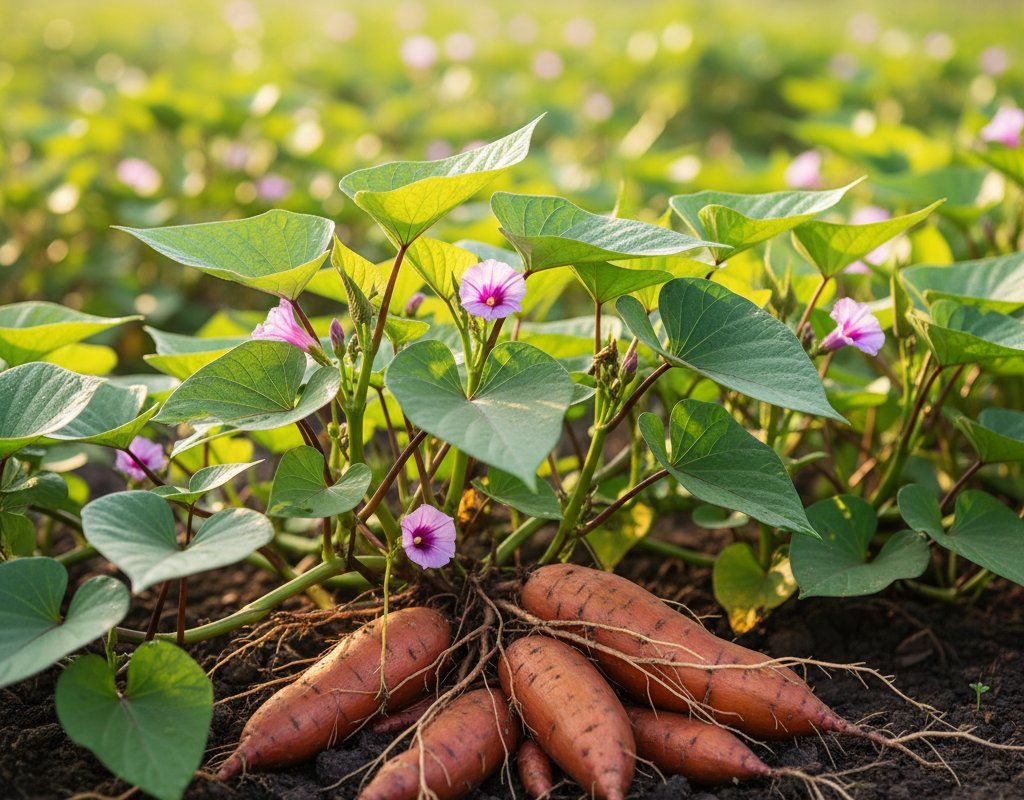
Sweet Potato in Zone 4A — Mountain West
Ipomoea batatas · Your Complete 2026 Planting Guide
Planning Ahead — Great!
You’re ahead of the season. Here’s when to start.
Mark Your Calendar
How to Plant Sweet Potato in Zone 4A — Mountain West
Here are all your options for getting sweet potato in the ground, from the easiest method to more advanced approaches.
Buy Starts
RecommendedEarly to mid June
around June 10
Plant purchased starts after last frost (May 20).
Plant slips (rooted sprouts) after soil is warm. Buy slips or grow your own from a sweet potato.
Start Seeds Indoors
Works WellEarly to late April
around April 15
Then transplant: Early to mid June
Start seeds 8-10 weeks before transplanting outdoors.
Direct Sow Seeds
ChallengingDirect sowing is not typical for Sweet Potato.
Transplant Outdoors
Timing InfoEarly to mid June
around June 10
Wait until nighttime temperatures stay above 50°F.
Timing is critical in your zone — don’t delay!
Overview
Sweet potatoes bring incredible versatility to Mountain West gardens, delivering both nutritional powerhouse greens and sweet, creamy tubers that store beautifully through our long winters. In our high altitude climate with its intense sun and cool nights, sweet potatoes develop exceptional flavor concentration — the cool evenings help convert starches to sugars while the strong UV light drives vigorous growth.
Growing sweet potatoes at altitude does require patience with our late spring start and awareness of our short 118-day growing season, but the timing works perfectly if you plan ahead. Our dry air and low disease pressure actually create ideal conditions once you get the plants established, and the payoff of homegrown sweet potatoes that cure and store through winter makes the effort absolutely worthwhile.
Starting Seeds Indoors
Starting sweet potatoes from seed isn't the typical approach — most Mountain gardeners work with slips (rooted sprouts) instead. However, if you want to try seed starting, begin in early to late April, about 8 weeks before your transplant window in early June.
Set up seed trays in your warmest indoor spot since sweet potatoes need consistent warmth to germinate. Use bottom watering to keep soil evenly moist without creating the soggy conditions that lead to rot. With our late spring character here in the Mountain West, indoor starting gives you crucial time to develop strong plants before our brief growing season begins.
The reality is that buying certified disease-free slips from reputable suppliers often gives better results than seed starting, especially with our short season constraints. But if you're growing heirloom varieties or want the full experience, indoor seeding can work with patience and consistent warmth.
Transplanting Outdoors
Plan to transplant your sweet potato slips outdoors in early to mid June, once soil temperatures consistently reach 60°F and nighttime lows stay above 50°F. In our Mountain climate, this timing protects against those surprise late cold snaps that can devastate tender warm-season crops.
Harden off your slips gradually over a full week, starting with just an hour of morning sun and building up to full outdoor exposure. Space plants 12-18 inches apart in your sunniest, most protected location — sweet potatoes need every bit of heat they can get in our moderate-altitude summers.
At transplant time, watch for those intense UV conditions that can shock tender plants. Consider providing light shade cloth for the first few days if you're experiencing particularly brutal sun exposure. Plant slips slightly deeper than they were growing, burying part of the stem to encourage additional root development in our well-draining soils.
Watering Sweet Potato in Zone 4A (Mountain West)
Sweet potatoes need moderate, consistent water once established, but they're surprisingly drought-tolerant compared to other warm-season crops — perfect for our dry Mountain climate with only 10-20 inches of annual rainfall. Water deeply once or twice weekly during the heat of summer, applying about 1-1.5 inches total per week.
Use the finger test to check soil moisture 2 inches deep before watering. In our low humidity conditions, surface soil can look bone dry while still holding adequate moisture below. Water at the base of plants rather than overhead — our dry air means foliar watering evaporates quickly anyway, and ground-level watering reduces disease pressure.
Watch for signs of stress in our intense sun: wilting despite moist soil often means too much water rather than too little. Sweet potato vines naturally droop slightly in peak afternoon heat, then perk up as temperatures cool in evening. Yellowing lower leaves usually indicate overwatering in our well-draining soils.
As harvest approaches in late August, reduce watering frequency to encourage tuber development and prevent splitting. A 2-3 inch layer of organic mulch helps maintain consistent soil moisture while keeping roots cool during those occasional hot spells that hit 85°F or higher.
🧪Fertilizing Sweet Potato
Feeding Schedule
Organic Fertilizer Options
Harvest Time
Expect your first sweet potato harvest in mid-September, right around 100 days from transplanting and just before our typical first frost hits. Unlike many crops, sweet potatoes won't continue developing after frost damage, so timing your harvest is critical in our short growing season.
Watch for visual cues that tubers are ready: the vines begin yellowing and growth slows as plants put energy into root development. Gently dig around plants to check tuber size — they should feel firm and have developed their characteristic skin color. Don't wait for vines to die back completely since frost will end your harvest window abruptly.
Harvest carefully with a garden fork, working from the outside of the plant inward to avoid puncturing tubers. Sweet potato roots can extend surprisingly far from the main plant, especially in our loose mountain soils. Brush off soil but don't wash the tubers — curing works better with the natural skin intact.
As our first frost approaches in mid-September, prioritize harvesting even if some tubers seem small. Cure your harvest in a warm (80-85°F), humid location for 1-2 weeks to develop that characteristic sweet flavor and improve storage life. A basement room with a humidifier works well, or create a makeshift curing chamber with plastic sheeting and a small heater.
Common Problems in Zone 4A (Mountain West)
Sweet Potato Weevils Small, dark beetles that create holes in tubers and can destroy entire harvests. You'll see small round holes in sweet potatoes and possibly the beetles themselves, which are about 1/4 inch long with a distinctive snout. In our Mountain climate, weevils are less common than in warmer regions, but they can still arrive on infected planting material. Prevent problems by buying certified disease-free slips, rotating crops yearly, and removing all plant debris after harvest. If you spot damage, harvest immediately and destroy affected tubers.
Wireworms These thin, yellowish larvae tunnel through sweet potato tubers, creating holes and channels that ruin storage quality. Wireworms thrive in our alkaline soils and can be particularly problematic in areas that were previously grass or weedy ground. You'll find the worms themselves inside damaged tubers — they're about 1/2 to 1 inch long and quite hard. Reduce populations by avoiding planting in recently converted sod areas and using beneficial nematodes as a biological control.
Cracking Sweet potatoes split when they absorb water too quickly after dry periods, just like tomatoes. In our low humidity, high evaporation climate, this often happens when gardeners overcompensate for dry conditions with heavy watering. Cracks expose flesh to rot and ruin storage potential. Prevent cracking by maintaining consistent soil moisture through mulching and regular, moderate watering rather than feast-or-famine cycles.
Mountain West Specific Challenges Our intense UV and low humidity create unique growing conditions for sweet potatoes. While the strong sun promotes good growth, it can also stress plants if soil moisture isn't consistent. The combination of hot days and cool nights actually benefits flavor development, but young transplants need protection from sun shock. Plan for our short season by choosing early-maturing varieties and maximizing heat through black plastic mulch or row covers during cool spells.
Best Companions for Sweet Potato
Plant these nearby for healthier Sweet Potato and better harvests.


Keep Away From
Companion Planting Details
Sweet potatoes work beautifully in traditional "Three Sisters" plantings with beans and corn, though you'll need to plan spacing carefully for our shorter growing season. Plant pole beans near sweet potato hills — the beans fix nitrogen that feeds the sweet potatoes, while the spreading sweet potato vines help suppress weeds around corn stalks. This combination makes excellent use of garden space when every square foot matters in our brief 118-day season.
Avoid planting sweet potatoes near heavy feeders like squash or melons that compete for the same nutrients and growing space. The vigorous vining habit of sweet potatoes can overwhelm smaller companions, so give them room to spread or pair them with tall, sturdy plants that won't be smothered. In our intense sun and low humidity conditions, the living mulch effect of sweet potato vines actually benefits most companion plants by cooling soil and reducing moisture loss.
🌸Best Flowers to Plant with Sweet Potato
These flowers protect your Sweet Potato from pests and attract pollinators for better harvests.
For Pest Control




Get a Reminder When It's Time to Plant
We'll email you when key planting windows open for your zone.