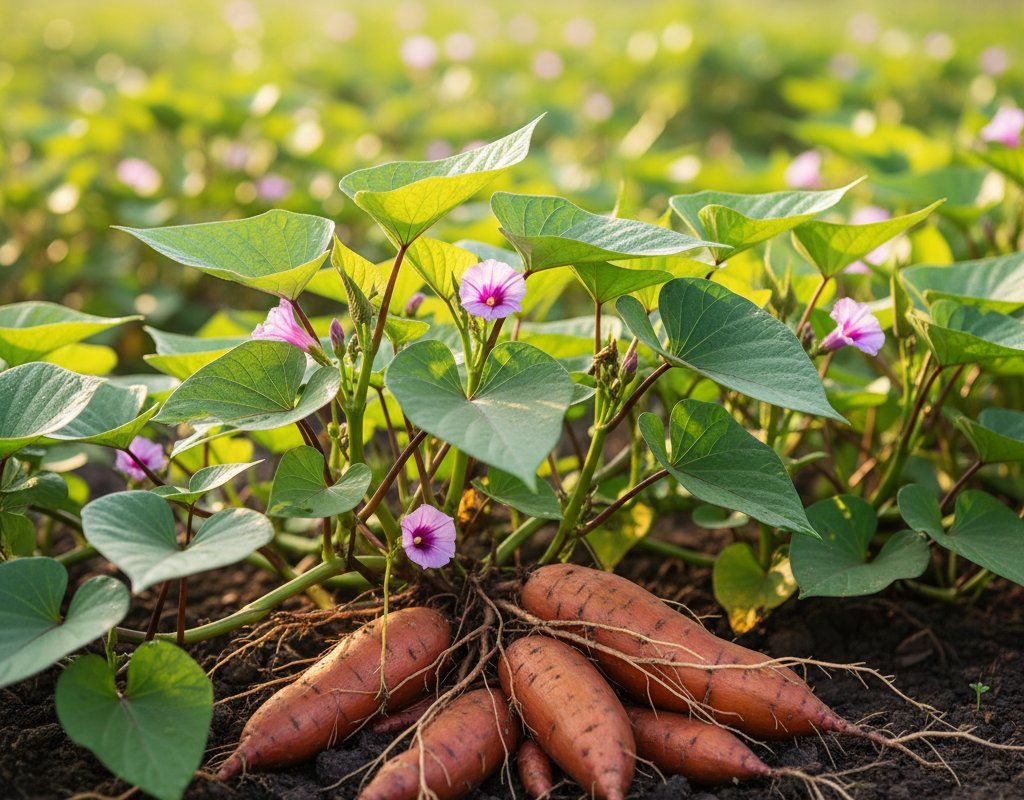
Sweet Potato in Zone 6A — Midwest
Ipomoea batatas · Your Complete 2026 Planting Guide
Planning Ahead — Great!
You’re ahead of the season. Here’s when to start.
Mark Your Calendar
How to Plant Sweet Potato in Zone 6A — Midwest
Here are all your options for getting sweet potato in the ground, from the easiest method to more advanced approaches.
Buy Starts
RecommendedMid May through early June
around May 11
Plant purchased starts after last frost (April 20).
Plant slips (rooted sprouts) after soil is warm. Buy slips or grow your own from a sweet potato.
Start Seeds Indoors
Works WellEarly to late March
around March 16
Then transplant: Mid May through early June
Start seeds 8-10 weeks before transplanting outdoors.
Direct Sow Seeds
ChallengingDirect sowing is not typical for Sweet Potato.
Transplant Outdoors
Timing InfoMid May through early June
around May 11
Wait until nighttime temperatures stay above 50°F.
Plan to transplant within a few weeks of your target date.
Overview
Sweet potatoes bring incredible versatility to your Midwest table — roasted until caramelized, mashed into silky sides, or even turned into pie. While they're originally from warmer climates, these nutrient-packed tubers thrive in our Zone 6A summers when you get the timing right. The satisfaction of digging up your own sweet potatoes in fall, watching those orange treasures emerge from our fertile Midwest soil, makes the effort worthwhile.
Our 178-day growing season gives you plenty of time to grow sweet potatoes successfully, even with our variable spring weather. Yes, you'll need to wait until the soil warms up properly — no rushing these heat-lovers — but once established, they'll handle our summer heat spells beautifully and reward your patience with a substantial harvest before that first October frost arrives.
Starting Seeds Indoors
Starting sweet potatoes from seed isn't the typical approach most Midwest gardeners use. Sweet potatoes are usually grown from "slips" — rooted sprouts that you either buy or create yourself from a whole sweet potato. However, if you want to try growing from seed, start them early to late March, about 8 weeks before your transplant date.
Sweet potato seeds need consistent warmth to germinate properly, so set up your seed trays with a heat mat if possible. Our moderate-to-late spring character means you'll likely be running grow lights for several weeks since natural light won't be strong enough yet. Use bottom watering to keep the soil consistently moist without waterlogging the seeds.
The more reliable method is creating your own slips by placing a sweet potato half-submerged in water during late winter, then transplanting the rooted sprouts that develop. This gives you better success rates than seeds and fits better with our Midwest growing timeline.
Transplanting Outdoors
Wait until mid-May through early June to transplant your sweet potato slips outdoors — these plants absolutely cannot handle any frost, and our Midwest springs can surprise you with late cold snaps. The soil needs to be consistently warm, around 60°F or higher, which usually happens after Memorial Day in our zone.
Spend a full week hardening off your slips gradually, starting with just an hour or two of morning sun and building up to full outdoor exposure. Space them 12-18 inches apart in loose, well-draining soil. Our clay soil can be challenging for sweet potatoes, so work in compost or raised beds if your ground stays soggy.
Plant your slips deep, burying about two-thirds of the stem — this encourages strong root development that will become your sweet potatoes. Choose a spot with full sun exposure since these vines need 6-8 hours of direct sunlight to produce well in our climate.
Watering Sweet Potato in Zone 6A (Midwest)
Sweet potatoes need moderate water to get established, but they're surprisingly drought-tolerant once their vines spread. During our typically wet Midwest summers, you might not need to water at all once the plants are established, especially if we're getting our usual 30-40 inches of annual rainfall.
Check soil moisture using the finger test — stick your finger 2 inches down, and water only when it feels dry at that depth. When you do water, give them about 1 inch per week, watering at the base rather than overhead. Our moderate-to-humid summers can encourage fungal problems if you're constantly wetting the foliage.
Watch for signs of stress during our summer heat spells when temperatures climb above 86°F. Wilted leaves that don't recover by evening indicate the plants need water. Yellowing leaves or stunted growth might mean you're overwatering, which is easy to do in our clay soil that holds moisture.
About 3-4 weeks before harvest, reduce watering significantly to concentrate the sugars in the tubers and prevent them from cracking. A layer of straw mulch helps maintain consistent soil moisture and keeps those spreading vines off the ground during our humid summers.
🧪Fertilizing Sweet Potato
Feeding Schedule
Organic Fertilizer Options
Harvest Time
Your sweet potatoes will be ready for harvest from mid-August through late September, right around that 100-day mark from transplanting. Unlike above-ground crops, there aren't obvious visual cues that the tubers are ready — you'll need to do some careful digging to check their size and development.
Start by gently digging around one plant to see how the tubers are developing. Mature sweet potatoes should be firm and have developed their full color. The vines may start yellowing as they approach maturity, but don't rely on this alone since our variable Midwest weather can cause yellowing for other reasons.
Harvest all your sweet potatoes before our first frost hits in mid-October. Even though the tubers are underground, frost will damage the vines and can affect the keeping quality of your crop. Use a garden fork to carefully lift the tubers, working from the outside of the vine toward the center to avoid spearing them.
Handle your harvest gently and brush off excess soil, but don't wash them yet. Cure them in a warm (80-85°F), humid place for 1-2 weeks — this converts starches to sugars and toughens the skin for storage. After curing, properly stored sweet potatoes will keep for months in a cool, dark place.
Common Problems in Zone 6A (Midwest)
Sweet Potato Weevils These small, dark beetles with metallic blue-green coloring create small holes in your sweet potato tubers and can ruin your entire harvest. Adult weevils lay eggs in cracks in the sweet potatoes, and the larvae tunnel through the flesh, creating bitter-tasting damaged areas that make the tubers inedible.
Sweet potato weevils are more common in warmer regions but can appear in the Midwest, especially during our hotter summers. Prevent problems by inspecting slips carefully before planting, rotating crops annually, and harvesting promptly when tubers are ready. Remove any cracked or damaged sweet potatoes immediately since these provide entry points for the pests.
Wireworms These thin, yellow-brown larvae create small round holes in your sweet potato tubers, similar to what you might see in potatoes or carrots. You'll often find the slender worms themselves when you dig up damaged tubers, and the holes they create can lead to rot during storage.
Our Midwest clay soil and wet summers can harbor wireworms, especially in areas that were previously lawn or pasture. Improve drainage where possible and avoid planting sweet potatoes in newly broken ground. Crop rotation helps reduce populations over time, and cleaning up crop debris in fall eliminates overwintering sites.
Cracking Sweet potato tubers develop splits or cracks in the skin, either as circular rings around the tuber or as radial splits running lengthwise. These cracks expose the flesh to rot and make the sweet potatoes unsuitable for long-term storage.
Heavy rainfall or watering after a dry period causes the tubers to absorb water faster than the skin can expand, leading to splitting. This is especially problematic during our variable Midwest weather patterns with dry spells followed by heavy summer storms. Maintain consistent soil moisture with mulch, reduce watering 3-4 weeks before harvest, and harvest promptly when tubers reach maturity.
Midwest Specific Challenges Our moderate-to-humid summers with wet-season rainfall patterns create ideal conditions for fungal diseases on sweet potato vines, so focus on good air circulation and avoid overhead watering. The combination of clay soil and variable precipitation makes drainage management critical — poorly drained soil will lead to rot problems that can destroy your entire crop.
Best Companions for Sweet Potato
Plant these nearby for healthier Sweet Potato and better harvests.


Keep Away From
Companion Planting Details
Sweet potatoes pair beautifully with beans and corn in the traditional "Three Sisters" planting approach, though you'll substitute sweet potatoes for squash. The beans fix nitrogen that feeds both the corn and sweet potatoes, while the sweet potato vines provide living mulch that suppresses weeds and retains soil moisture during our sometimes-dry late summer periods.
Plant sweet potatoes around the edges where their sprawling vines won't compete directly with corn roots, and choose bush beans rather than pole varieties to avoid tangling with the sweet potato foliage. This combination works especially well in our fertile Midwest soil and makes efficient use of garden space while the different root depths help each plant access different soil nutrients.
🌸Best Flowers to Plant with Sweet Potato
These flowers protect your Sweet Potato from pests and attract pollinators for better harvests.
For Pest Control




Get a Reminder When It's Time to Plant
We'll email you when key planting windows open for your zone.