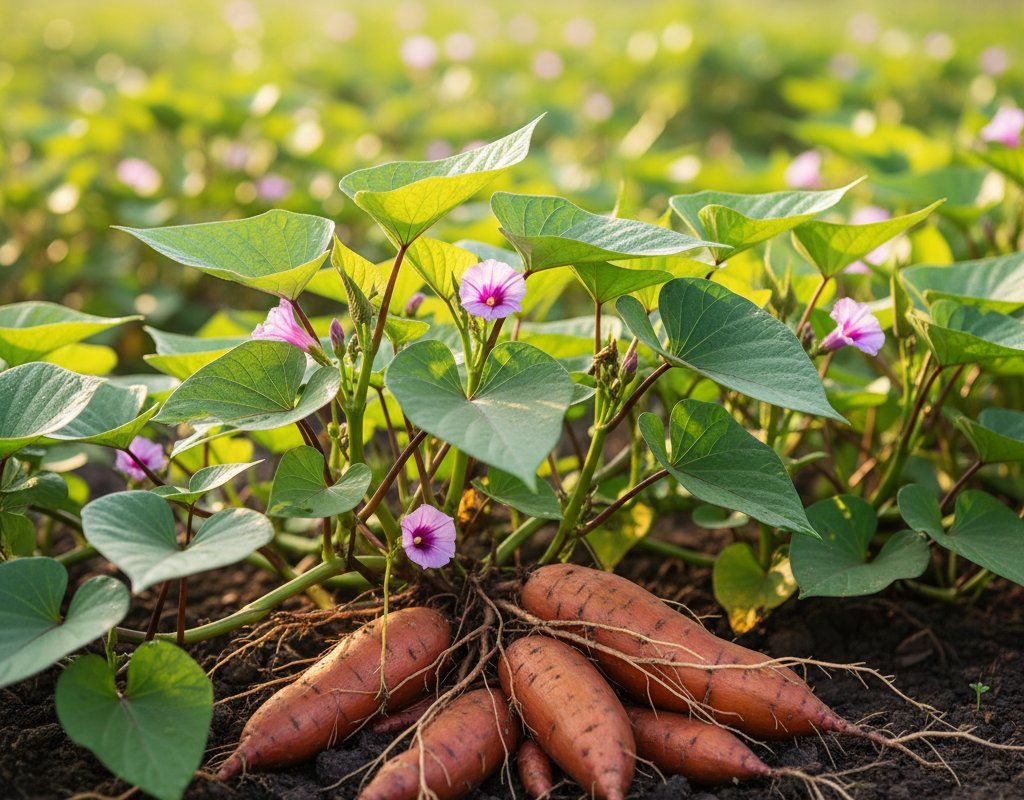
Sweet Potato in Zone 7A — Southeast
Ipomoea batatas · Your Complete 2026 Planting Guide
Missed Seed Starting? No Problem!
Wait for starts to become available.
What to Do
Starts will be available at nurseries in 42 days (around April 15).
How to Plant Sweet Potato in Zone 7A — Southeast
Here are all your options for getting sweet potato in the ground, from the easiest method to more advanced approaches.
Buy Starts
RecommendedMid April through early May
around April 15
Plant purchased starts after last frost (March 25).
Plant slips (rooted sprouts) after soil is warm. Buy slips or grow your own from a sweet potato.
Start Seeds Indoors
Works WellMid February through early March
around February 18
Then transplant: Mid April through early May
Start seeds 8-10 weeks before transplanting outdoors.
Direct Sow Seeds
ChallengingDirect sowing is not typical for Sweet Potato.
Transplant Outdoors
Timing InfoMid April through early May
around April 15
Wait until nighttime temperatures stay above 50°F.
Plan to transplant within a few weeks of your target date.
Overview
Sweet potato is an absolute winner for Southeast gardens, thriving in our hot, humid summers and rewarding you with nutritious tubers that store beautifully through winter. Unlike regular potatoes, sweet potatoes actually love our summer heat and humidity, producing vigorous vines that spread across the garden while developing those coveted orange treasures underground. The satisfaction of digging up a bucket of smooth, sweet tubers after months of lush green growth makes this one of the most rewarding crops you can grow here.
Our Zone 7A climate does bring challenges - clay soil that can compact around developing tubers and humidity that encourages disease - but sweet potatoes are surprisingly adaptable once you get the timing right. With our generous 225-day growing season stretching from late March through early November, you have plenty of time to grow these heat-loving plants to full maturity, even starting from slips in late spring.
Starting Seeds Indoors
Starting sweet potatoes from true seed indoors isn't the typical approach - most gardeners either buy slips or grow their own from stored tubers. However, if you do find seeds, start them indoors during mid-February through early March, about 8 weeks before you plan to transplant. Seeds need consistent warmth (75-80°F) to germinate, so use seed trays with bottom heat and place them under grow lights.
Keep the soil consistently moist using bottom watering - fill a tray beneath your seed containers rather than watering from above. This prevents fungal issues that can develop in our humid spring conditions. Our moderate spring weather means you won't need to worry about extreme temperature swings, but germination can still take 2-3 weeks.
Most Southeast gardeners find it easier to either purchase certified disease-free slips from reputable suppliers or create their own slips by placing a sweet potato half in water during late winter, then transplanting the rooted sprouts.
Transplanting Outdoors
Transplant your sweet potato slips outdoors during mid-April through early May, after the soil has warmed to at least 60°F and nighttime temperatures stay consistently above 55°F. These tender plants won't tolerate even light frost, so patience pays off - rushing transplants into cold soil often leads to stunted growth or plant death. Space slips 12-18 inches apart in rows, giving those vigorous vines room to spread.
Harden off slips gradually over a week before transplanting, starting with just an hour outside and building up to full days. Our spring weather can be unpredictable, with cool mornings followed by warm afternoons, so this gradual transition helps plants adjust without shock.
If you're working with our typical clay soil, build raised rows or mounds to improve drainage around developing tubers. Sweet potatoes prefer loose, well-draining soil, and compacted clay can lead to misshapen or rotted tubers. Adding compost to planting areas helps both drainage and soil nutrition.
Watering Sweet Potato in Zone 7A (Southeast)
Sweet potatoes need moderate watering once established, but they're surprisingly drought-tolerant compared to many garden vegetables. During their first few weeks after transplanting, water consistently to help roots establish - about 1 inch per week including rainfall. Our spring and early summer typically provide reliable moisture, but monitor soil conditions during any dry spells.
Use the finger test to check moisture levels - stick your finger 2 inches into the soil near the base of plants. If it feels dry at that depth, it's time to water. With our 45-55 inches of annual rainfall and regular afternoon thunderstorms, you'll often find natural precipitation handles most watering needs during summer months.
Water at the base of plants rather than overhead to minimize disease pressure in our humid climate. Sweet potato vines create dense foliage that holds moisture, and overhead watering can encourage fungal problems. A 2-3 inch layer of organic mulch helps maintain consistent soil moisture while keeping weeds down.
Reduce watering significantly during the final 3-4 weeks before harvest. This helps concentrate sugars in developing tubers and prevents them from becoming waterlogged or prone to rot. Watch for signs of overwatering like yellowing leaves or soft spots on emerging tubers, especially after heavy rains.
🧪Fertilizing Sweet Potato
Feeding Schedule
Organic Fertilizer Options
Harvest Time
Your first sweet potatoes will be ready for harvest during late July through early September, typically about 100 days after transplanting slips. Unlike many vegetables, there aren't obvious visual cues that tubers are ready - the key is timing and careful exploration. Gently dig around the base of plants to check tuber size, looking for potatoes that have reached 3-4 inches in length.
Harvest becomes more urgent as your first frost approaches in early November. Sweet potato vines are extremely tender and will die with the first light frost, so plan to dig all remaining tubers before that happens. Use a garden fork to carefully loosen soil around plants, working from the outside of the vine spread inward to avoid spearing tubers.
Handle harvested sweet potatoes gently - any cuts or bruises will reduce storage life significantly. Brush off excess soil but don't wash them immediately. Instead, cure freshly dug tubers in a warm (80-85°F), humid location for 7-10 days. This could be a garage, basement, or covered porch where temperatures stay consistently warm.
After curing, properly stored sweet potatoes will keep for months in a cool, dry location around 55-60°F. This makes them an excellent storage crop for Southeast gardens, providing homegrown nutrition well into winter months when fresh garden produce becomes scarce.
Common Problems in Zone 7A (Southeast)
Sweet Potato Weevils These small, dark beetles with long snouts create tunnels through sweet potato tubers, leaving them riddled with holes and inedible. Adult weevils lay eggs on vines or in soil cracks near tubers, and larvae feed inside the potatoes. You'll notice small holes in tubers at harvest time, often with dark tunnels visible when you cut them open.
Sweet potato weevils thrive in our hot, humid summers and can overwinter in stored tubers or garden debris. Prevention is key - use certified, pest-free slips rather than growing your own from questionable tubers. Remove all plant debris after harvest and rotate sweet potato plantings to different garden areas each year. Consider row covers during early vine development when weevils are most active.
Wireworms These thin, yellowish larvae of click beetles bore into sweet potato tubers, creating small round holes that often lead to rot. You'll find the damage at harvest - smooth holes about 1/8 inch across that may have the actual wireworm still inside. Our clay soil conditions often harbor these pests, especially in areas that were previously lawn or pasture.
Wireworms develop over several years in soil, making them difficult to eliminate quickly. Work compost into planting areas to improve soil drainage and encourage beneficial predators. Avoid planting sweet potatoes in newly converted lawn areas for at least two years. Trap wireworms before planting by burying cut potatoes 2-4 inches deep, then dig them up after a week and destroy any larvae found.
Cracking and Splitting Sweet potato tubers develop cracks or splits, either as concentric rings or radial lines spreading from one end. These openings expose flesh to rot and ruin storage quality. Heavy watering or rainfall after dry periods causes tubers to absorb water faster than their skin can expand, similar to tomato cracking.
Our summer pattern of afternoon thunderstorms following hot, dry mornings creates perfect conditions for this problem. Maintain consistent soil moisture with mulch and regular monitoring rather than allowing wet-dry cycles. Reduce watering during the final month before harvest to prevent last-minute cracking. Harvest promptly once tubers reach mature size rather than leaving them in fluctuating soil conditions.
Southeast Specific Challenges: Our hot, humid summers and clay soil create additional challenges for sweet potato growing. High humidity can encourage foliar diseases on dense vine growth, while clay soil may cause tuber rot if drainage is poor. However, sweet potatoes are generally well-adapted to these conditions - focus on soil preparation and consistent (not excessive) watering to minimize most problems.
Best Companions for Sweet Potato
Plant these nearby for healthier Sweet Potato and better harvests.


Keep Away From
Companion Planting Details
Sweet potatoes pair beautifully with beans and corn in traditional "Three Sisters" style plantings, where the spreading sweet potato vines act as living mulch while beans fix nitrogen that feeds all three crops. The corn provides vertical structure, beans climb the stalks, and sweet potato vines spread below - maximizing your garden space while each plant benefits the others. This combination works particularly well in our long, hot summers where the sweet potato foliage helps keep soil cool and moist.
Squash also makes an excellent companion, sharing similar heat tolerance and spreading growth habits. Both crops appreciate the same soil conditions and watering schedule, making garden management simpler during our intense summer months. Avoid planting sweet potatoes near heavy feeders like tomatoes or peppers that might compete for nutrients, though there aren't any truly problematic companion plants for sweet potatoes in Southeast gardens.
🌸Best Flowers to Plant with Sweet Potato
These flowers protect your Sweet Potato from pests and attract pollinators for better harvests.
For Pest Control




Get a Reminder When It's Time to Plant
We'll email you when key planting windows open for your zone.