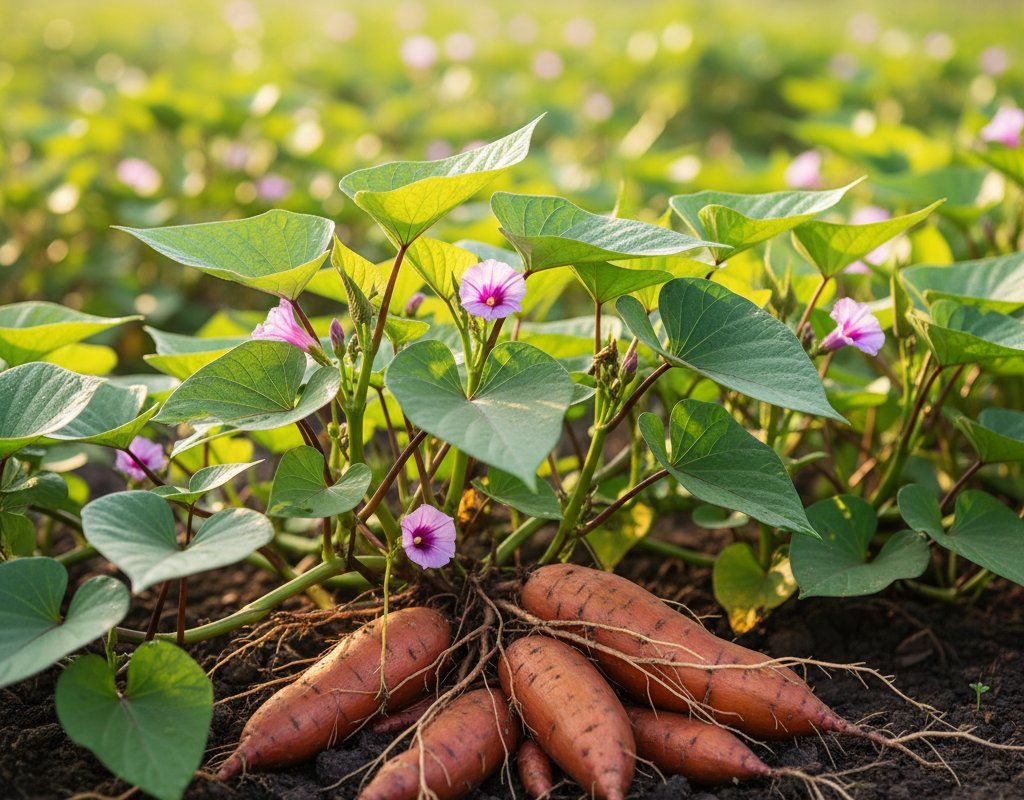
Sweet Potato in Zone 7B — Desert Southwest
Ipomoea batatas · Your Complete 2026 Planting Guide
Missed Seed Starting? No Problem!
Wait for starts to become available.
What to Do
Starts will be available at nurseries in 32 days (around April 5).
How to Plant Sweet Potato in Zone 7B — Desert Southwest
Here are all your options for getting sweet potato in the ground, from the easiest method to more advanced approaches.
Buy Starts
RecommendedEarly to late April
around April 5
Plant purchased starts after last frost (March 15).
Plant slips (rooted sprouts) after soil is warm. Buy slips or grow your own from a sweet potato.
Start Seeds Indoors
Works WellEarly to late February
around February 8
Then transplant: Early to late April
Start seeds 8-10 weeks before transplanting outdoors.
Direct Sow Seeds
ChallengingDirect sowing is not typical for Sweet Potato.
Transplant Outdoors
Timing InfoEarly to late April
around April 5
Wait until nighttime temperatures stay above 50°F.
Plan to transplant within a few weeks of your target date.
Overview
Sweet potatoes thrive in our Desert Southwest heat, making them one of the most rewarding crops for Zone 7B gardens. These nutritious tubers love our hot summers and give you fresh, creamy sweet potatoes that blow away anything from the store. With our 245-day growing season, you have plenty of time to grow substantial harvests that store well through winter.
While our extreme heat and arid conditions can challenge many crops, sweet potatoes actually benefit from our climate once established. The key is getting them started early enough to develop strong root systems before the brutal summer heat arrives, then letting them coast through our hottest months with minimal fuss.
Starting Seeds Indoors
Starting sweet potatoes from seed isn't the typical approach most Desert Southwest gardeners take. Sweet potatoes are usually grown from slips (rooted sprouts), which you can buy or create from a stored sweet potato. If you do want to try seeds, start them early to late February, about 8 weeks before transplanting in April.
Set up seed trays in a warm spot with good light - sweet potato seeds need consistent warmth to germinate well. Use bottom watering to keep soil evenly moist without waterlogging the surface. Given our very early spring character, you'll want to have seedlings ready for our narrow transplanting window before the heat hits.
Most experienced desert gardeners skip the seed route entirely and either buy slips from suppliers or create their own by sprouting sweet potatoes in water during winter months. This method gives you much more reliable results than seeds.
Transplanting Outdoors
Transplant your sweet potato slips from early to late April, after soil temperatures consistently reach 65°F. In our Desert Southwest climate, this timing is crucial - plant too early and late spring cold snaps can damage tender slips, plant too late and they'll struggle to establish before extreme heat arrives.
Spend a full week hardening off your slips, gradually exposing them to outdoor conditions. Start with just an hour or two of morning sun, then increase exposure daily. Our intense UV and low humidity can shock transplants that aren't properly acclimated.
Space slips 12-18 inches apart in well-draining soil. Plant them deep, burying about two-thirds of the stem - this encourages strong root development that will help them survive summer. Water thoroughly after planting and consider temporary shade cloth for the first week if daytime temperatures are already pushing 90°F.
Watering Sweet Potato in Zone 7B (Desert Southwest)
Sweet potatoes need moderate water to get established, but they're surprisingly drought-tolerant once their root system develops. During the first month after transplanting, water deeply twice weekly, giving about 1-1.5 inches total. Use the finger test - stick your finger 2 inches into the soil, and water when it feels dry at that depth.
Once established in late May, reduce watering frequency but maintain deep soaking. Our extreme summer heat and arid conditions mean you'll still need to water weekly during peak summer, but sweet potatoes handle drought better than most crops. Focus water at the base of plants rather than overhead watering, which wastes precious water in our dry air and can encourage leaf diseases.
Take advantage of monsoon moisture when it arrives, but don't rely on it entirely. Our 8-15 inches of annual rainfall isn't enough for consistent production. Watch for signs of stress - wilting during the hottest part of the day is normal, but if plants don't perk up by evening, increase watering.
About 3-4 weeks before harvest, reduce watering significantly. This helps concentrate sugars in the tubers and prevents cracking. A 2-3 inch layer of mulch helps maintain even soil moisture and keeps roots cooler during our brutal summer heat, but use light-colored mulch in our intense sun to avoid overheating the soil.
🧪Fertilizing Sweet Potato
Feeding Schedule
Organic Fertilizer Options
Harvest Time
Your first sweet potatoes will be ready from mid-July through late August, about 100 days after transplanting. Unlike many crops, sweet potatoes don't give obvious visual cues when ready - the real indicator is simply counting days and watching plant health. Mature plants often show yellowing lower leaves as they redirect energy to tuber development.
Start checking tuber size by carefully digging around one plant in mid-July. Sweet potatoes should be 3-4 inches long and well-filled out. The skins should be firm and smooth, not wrinkled or soft. If they're still small, give them another few weeks - our long growing season means no rush.
Harvest carefully using a digging fork, working from the outside of the plant inward. Sweet potato roots can spread 3-4 feet from the main plant, and the tubers bruise easily. Brush off soil but don't wash them immediately - curing works better with a light coating of dry soil still attached.
With our first frost typically arriving mid-November, you have flexibility in harvest timing. However, don't wait too long - sweet potatoes stop growing once soil temperatures drop below 55°F, and frost will damage any tubers near the surface. Plan to finish harvesting by early October to allow proper curing time before storage.
Common Problems in Zone 7B (Desert Southwest)
Sweet Potato Weevils These small, dark beetles create tunnels in your sweet potatoes, leaving dark holes and bitter-tasting tubers. You'll see small round holes in the skin with dark, stringy tunnels inside the flesh. In our Desert Southwest climate, these pests can be active nearly year-round due to our mild winters.
The weevils lay eggs on stems near the soil line, and larvae bore into developing tubers. Crop rotation is essential - don't plant sweet potatoes in the same spot for at least three years. Keep vines covered with soil by hilling up around stems as they grow, and harvest promptly when tubers are ready rather than leaving them in ground.
Wireworms These thin, yellowish larvae create small round holes in sweet potatoes, often making them unmarketable. You'll find the worms themselves when you dig tubers - they look like small, tough, segmented worms about an inch long. Our desert soils, especially areas with caliche, seem to harbor these pests well.
Wireworms thrive in soil with decaying organic matter, so avoid adding fresh manure before planting. Till the soil several times in early spring to expose larvae to birds and break their life cycle. Beneficial nematodes applied to soil in spring can help reduce populations, though they work slowly.
Cracking Sweet potatoes split open with irregular cracks that expose the flesh to rot and pest damage. This happens when plants get heavy watering or monsoon rains after a period of drought stress. Our erratic monsoon patterns make this particularly common in Desert Southwest gardens.
Maintain consistent soil moisture throughout the growing season rather than letting plants dry out then flooding them. A good mulch layer helps buffer moisture swings. Reduce watering 3-4 weeks before harvest to minimize late-season cracking, and harvest promptly when tubers reach maturity rather than leaving them in fluctuating soil conditions.
Desert Southwest Specific Challenges: Our extreme heat and arid conditions actually benefit sweet potatoes compared to humid regions, as they reduce many fungal diseases. However, the intense UV can sunscald exposed tubers, so keep vines well-mounded with soil. Our alkaline soils may reduce nutrient uptake, so consider adding sulfur to lower pH slightly if plants show yellowing despite adequate water.
Best Companions for Sweet Potato
Plant these nearby for healthier Sweet Potato and better harvests.


Keep Away From
Companion Planting Details
Sweet potatoes work well in traditional "three sisters" plantings with beans and corn, though you'll need to adjust spacing for our intense heat. Plant pole beans near the edges of sweet potato beds - they'll climb existing structures while their nitrogen fixation benefits the sweet potatoes. Corn provides afternoon shade that sweet potato vines appreciate during our extreme summer heat.
Avoid planting sweet potatoes near other root crops like carrots or beets, as they compete for the same soil space and nutrients. Tomatoes and sweet potatoes don't make good neighbors either - both are heavy feeders that will compete aggressively in our nutrient-challenged desert soils. The sprawling sweet potato vines can also interfere with access to other crops, so give them space or plan to use them as living mulch around heat-tolerant perennials.
🌸Best Flowers to Plant with Sweet Potato
These flowers protect your Sweet Potato from pests and attract pollinators for better harvests.
For Pest Control




Get a Reminder When It's Time to Plant
We'll email you when key planting windows open for your zone.