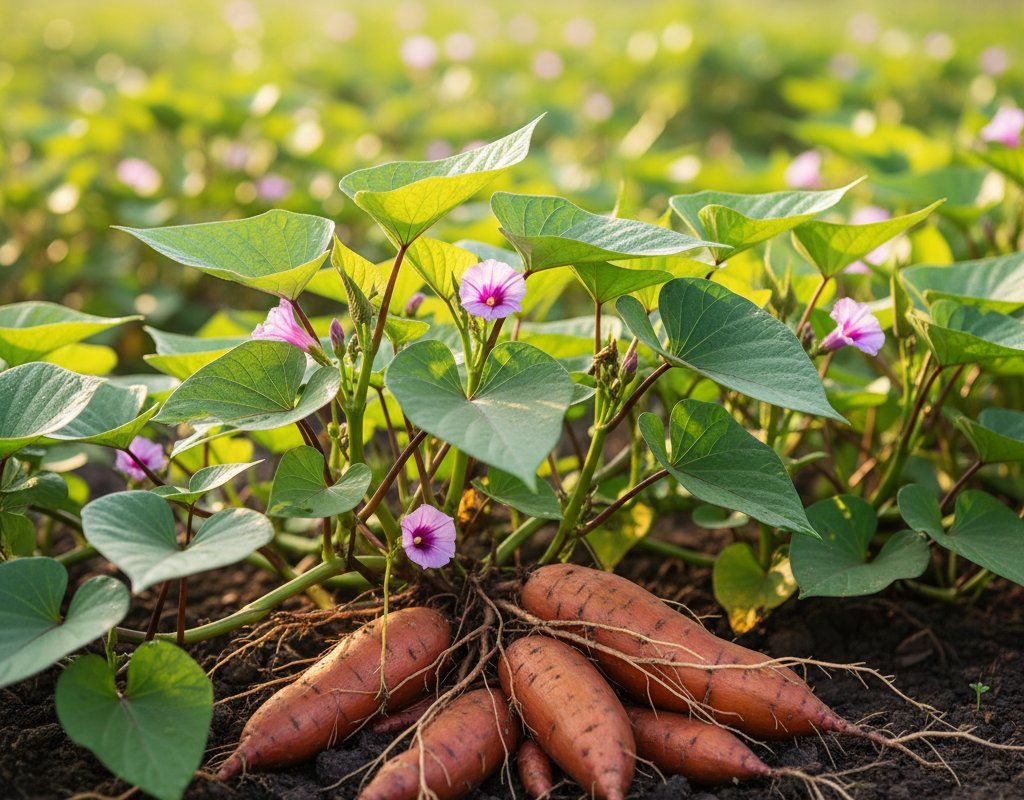
Sweet Potato in Zone 7B — Southeast
Ipomoea batatas · Your Complete 2026 Planting Guide
Missed Seed Starting? No Problem!
Wait for starts to become available.
What to Do
Starts will be available at nurseries in 37 days (around April 10).
How to Plant Sweet Potato in Zone 7B — Southeast
Here are all your options for getting sweet potato in the ground, from the easiest method to more advanced approaches.
Buy Starts
RecommendedEarly April through early May
around April 10
Plant purchased starts after last frost (March 20).
Plant slips (rooted sprouts) after soil is warm. Buy slips or grow your own from a sweet potato.
Start Seeds Indoors
Works WellEarly to late February
around February 13
Then transplant: Early April through early May
Start seeds 8-10 weeks before transplanting outdoors.
Direct Sow Seeds
ChallengingDirect sowing is not typical for Sweet Potato.
Transplant Outdoors
Timing InfoEarly April through early May
around April 10
Wait until nighttime temperatures stay above 50°F.
Plan to transplant within a few weeks of your target date.
Overview
Sweet potatoes are a Southeast gardener's dream crop, thriving in our long, hot summers and delivering impressive yields from just a few plants. These nutrient-packed tubers love our warm, humid climate and can handle the occasional drought better than most vegetables, making them perfect for our unpredictable summer weather patterns. The satisfaction of digging up a cluster of beautiful orange tubers after months of watching those vigorous vines spread across your garden beds is hard to beat.
While our hot, humid summers can challenge many crops with disease pressure and heat stress, sweet potatoes actually prefer these conditions once established. With our generous 235-day growing season stretching from mid-March through early November, you have plenty of time to grow these 100-day crops to full maturity. The key is getting your timing right for planting after the soil warms up and harvesting before our first frost.
Starting Seeds Indoors
Starting sweet potatoes from seed isn't the typical approach most Southeast gardeners take, since sweet potatoes are usually grown from slips (rooted sprouts) rather than seeds. However, if you want to try growing from true seed for variety selection, you'll need to start indoors during early to late February, about 8 weeks before you plan to transplant.
Set up seed trays with a quality seed-starting mix and keep them warm—sweet potato seeds need consistent temperatures around 75-80°F to germinate. Use bottom watering to keep the soil evenly moist without creating the soggy conditions that lead to damping-off, especially important in our humid climate. A heat mat underneath your trays will help maintain the warmth these tropical plants crave.
Keep in mind that most Southeast gardeners find it much more reliable to purchase certified disease-free slips from reputable sources or grow their own slips from store-bought sweet potatoes. The spring weather in our region can be unpredictable with temperature swings, making the controlled environment of slip production more practical for consistent results.
Transplanting Outdoors
Plan to transplant your sweet potato slips outdoors from early April through early May, once soil temperatures consistently reach 60°F and nighttime temperatures stay above 55°F. Our Southeast springs can still surprise us with cool snaps, so wait until you're confident the soil has warmed thoroughly—sweet potatoes hate cold soil and will just sit there sulking if planted too early.
Harden off your slips gradually over a week, starting with just a few hours of filtered sunlight and gradually increasing their outdoor exposure. Space slips 12-18 inches apart in rows, planting them deep enough that only the top leaves show above ground. This deep planting encourages strong root development, which is crucial for good tuber production in our clay soils.
Choose a sunny location that gets 6-8 hours of direct sunlight, and work some compost into the planting area if your soil is heavy clay. The afternoon thunderstorms common in our region will provide most of the moisture your newly transplanted slips need, but keep an eye on them during any dry spells in late spring. Most slips establish quickly in our warm, humid conditions and will start sending out runners within a few weeks.
Watering Sweet Potato in Zone 7B (Southeast)
Sweet potatoes need moderate water to get established, but they're surprisingly drought-tolerant once their root systems develop. During the first month after transplanting, keep the soil consistently moist but not waterlogged—about 1 inch per week including rainfall. Our spring and early summer thunderstorms often provide this naturally, but supplement during dry spells with deep watering at the base of the plants.
Use the finger test regularly: stick your finger 2 inches into the soil, and water deeply if it feels dry at that depth. Water at soil level rather than overhead to reduce disease pressure in our humid climate. Once your vines start spreading (usually by mid-June), they become quite drought-tolerant and can handle our typical summer heat with minimal supplemental watering.
During the hot, humid peak of summer, your established sweet potato vines will appreciate our regular afternoon thunderstorms but won't need much additional water unless we hit a particularly dry stretch. Watch for wilting during the hottest part of the day—some temporary wilting is normal, but if plants stay wilted into the evening, it's time for a deep watering.
About 3-4 weeks before your planned harvest, reduce watering significantly. Too much moisture late in the season can cause the tubers to crack or develop a watery texture. A thick mulch layer helps maintain even soil moisture throughout the season and keeps those spreading vines from rooting at every node, which can reduce tuber size.
🧪Fertilizing Sweet Potato
Feeding Schedule
Organic Fertilizer Options
Harvest Time
Your first sweet potatoes should be ready to harvest from mid-July through late August, roughly 100 days after transplanting. Unlike many vegetables, sweet potatoes don't give obvious visual cues when they're ready—you'll need to do some careful digging to check tuber size. Start by gently brushing soil away from the base of the plant to peek at developing tubers.
Harvest sweet potatoes before our first frost, which typically arrives in early November. The tubers are tender and will be damaged by freezing temperatures, so plan your final harvest for late October at the latest. Use a digging fork rather than a shovel to carefully lift the entire root system, working from the outside of the vine area inward to avoid spearing your crop.
Handle harvested sweet potatoes gently—they bruise easily and damaged tubers won't store well. Brush off excess soil but don't wash them until you're ready to use them. Any nicks or cuts in the skin provide entry points for rot, especially in our humid conditions.
After harvesting, cure your sweet potatoes in a warm (80-85°F), humid location for 1-2 weeks. This process converts starches to sugars and toughens the skin for better storage. A covered porch or garage works well for curing in our climate. Once cured, store them in a cool, dry place where they'll keep for months, providing homegrown nutrition well into winter.
Common Problems in Zone 7B (Southeast)
Sweet Potato Weevils These small, dark weevils create tunnels through your tubers, leaving behind dark, bitter-tasting damage that ruins the crop. You'll notice small holes in the tubers and dark tunnels when you cut them open. Adult weevils lay eggs in cracks in the soil or at the base of plants, and larvae tunnel through developing roots. Our warm, humid climate provides ideal conditions for multiple generations per season. Prevent problems by planting certified disease-free slips, hilling soil around the base of plants to eliminate cracks, and rotating crops yearly. Remove any volunteer plants and clean up all plant debris after harvest.
Wireworms These thin, yellowish larvae of click beetles bore perfectly round holes into sweet potato tubers, creating tunnels that allow rot to enter. You'll find the damage when harvesting—small, neat holes that may have the worms still inside. Wireworms are particularly problematic in clay soils that have recently been converted from grass, common in many Southeast gardens. Improve soil drainage and avoid planting in areas that were recently lawn. Till soil in fall to expose larvae to winter weather and predators.
Cracking Sweet potato tubers split open when they absorb water too quickly after a dry period, exposing the flesh to rot and making them unsuitable for storage. You'll see splits running lengthwise along the tuber or circular cracks around the middle. Our pattern of dry spells followed by heavy afternoon thunderstorms creates perfect conditions for this problem. Maintain consistent soil moisture with mulching and avoid heavy watering after letting plants get too dry. Reduce watering 3-4 weeks before harvest to minimize late-season cracking.
Southeast Specific Challenges Our hot, humid summers create ideal conditions for fungal diseases, so ensure good air circulation around plants and avoid overhead watering. The combination of clay soil and heavy summer rains can lead to waterlogged conditions that rot developing tubers—raised beds or hilled rows help with drainage. Japanese beetles may feed on the foliage but rarely cause serious damage to established vines, and deer typically leave sweet potato plants alone due to the tough, fibrous leaves.
Best Companions for Sweet Potato
Plant these nearby for healthier Sweet Potato and better harvests.


Keep Away From
Companion Planting Details
Sweet potatoes make excellent companions for corn, beans, and squash in the traditional "Three Sisters" planting, though you'll want to give them plenty of space to spread. The corn provides support for beans while sweet potato vines can sprawl beneath without competing directly for the same soil space. Beans fix nitrogen in the soil, which benefits both corn and sweet potatoes, though sweet potatoes don't require heavy feeding.
Plant bush beans rather than pole varieties near sweet potatoes to avoid tangling, and choose compact squash varieties if space is limited. The sprawling nature of sweet potato vines actually helps suppress weeds and retain soil moisture around companion plants, making them valuable in our hot Southeast summers. Avoid planting sweet potatoes with root crops like regular potatoes or carrots, as they'll compete for the same soil space and nutrients.
🌸Best Flowers to Plant with Sweet Potato
These flowers protect your Sweet Potato from pests and attract pollinators for better harvests.
For Pest Control




Get a Reminder When It's Time to Plant
We'll email you when key planting windows open for your zone.