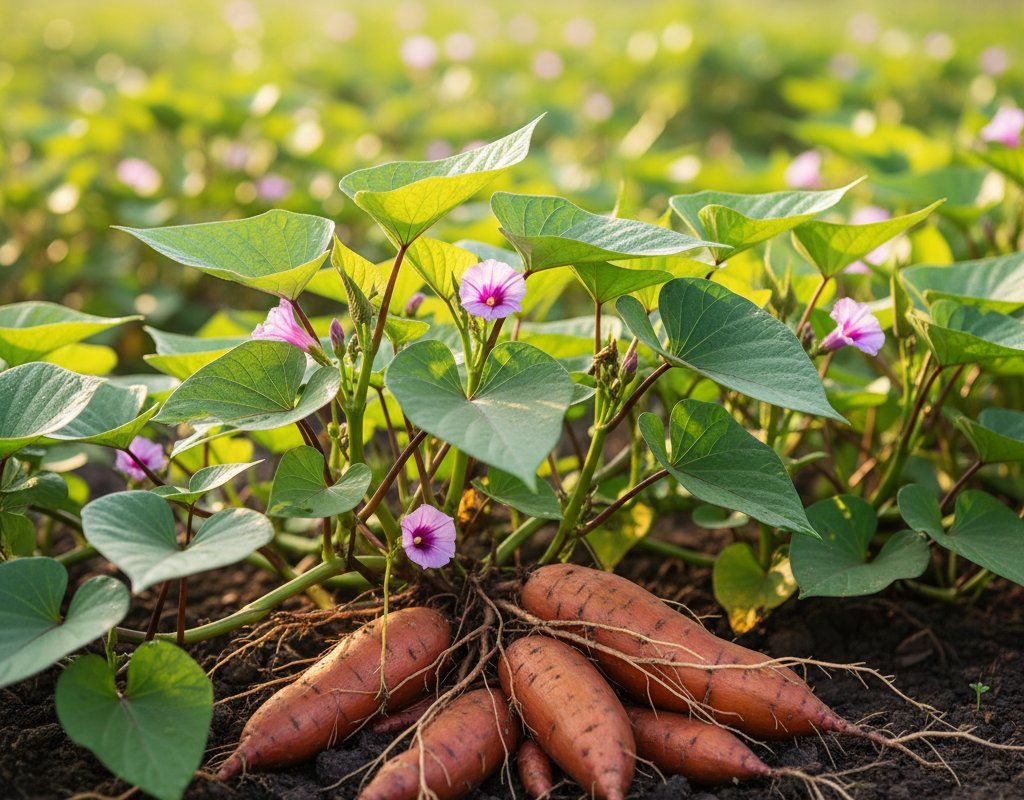
Sweet Potato in Zone 8A — Southeast
Ipomoea batatas · Your Complete 2026 Planting Guide
Missed Seed Starting? No Problem!
Wait for starts to become available.
What to Do
Starts will be available at nurseries in 32 days (around April 5).
How to Plant Sweet Potato in Zone 8A — Southeast
Here are all your options for getting sweet potato in the ground, from the easiest method to more advanced approaches.
Buy Starts
RecommendedEarly to late April
around April 5
Plant purchased starts after last frost (March 15).
Plant slips (rooted sprouts) after soil is warm. Buy slips or grow your own from a sweet potato.
Start Seeds Indoors
Works WellEarly to late February
around February 8
Then transplant: Early to late April
Start seeds 8-10 weeks before transplanting outdoors.
Direct Sow Seeds
ChallengingDirect sowing is not typical for Sweet Potato.
Transplant Outdoors
Timing InfoEarly to late April
around April 5
Wait until nighttime temperatures stay above 50°F.
Plan to transplant within a few weeks of your target date.
Overview
Sweet potatoes are perfectly suited for our long, hot Southeast summers, thriving in the heat that wilts other crops. These nutritious tubers store well through winter and offer incredible versatility—from classic casseroles to roasted fries—making them one of the most rewarding crops you can grow in Zone 8A. Our reliable summer rainfall and extended growing season create ideal conditions for developing those large, flavorful tubers.
While our hot and humid climate can challenge some crops with disease pressure and pest issues, sweet potatoes actually benefit from our warm nights and consistent moisture. With our 245-day growing season stretching from mid-March to mid-November, you have plenty of time to grow these heat-loving vines to full maturity, even starting from slips in late spring.
Starting Seeds Indoors
Starting sweet potatoes from seed isn't the typical approach—most gardeners grow their own slips from stored tubers or purchase slips from suppliers. However, if you do find sweet potato seeds, start them indoors during early to late February, about 8 weeks before your transplant window opens.
Set up seed trays with quality potting mix and maintain soil temperature around 75-80°F for germination. Bottom watering works best to prevent fungal issues that can develop in our humid conditions. Provide 12-14 hours of grow light daily once seedlings emerge.
Keep in mind that growing from slips (rooted sprouts from mature sweet potatoes) is far more reliable and faster than starting from seed. Most Southeast gardeners either purchase slips in April or create their own by suspending sweet potatoes in water during late winter.
Transplanting Outdoors
Plan to transplant sweet potato slips outdoors from early to late April, after soil temperatures consistently reach 65°F and nighttime lows stay above 55°F. Our moderate spring weather makes this timing window fairly flexible, but avoid rushing if cool snaps threaten.
Harden off slips gradually over one week, starting with 2-3 hours of morning sun and extending exposure daily. Sweet potatoes are extremely tender, so any frost will kill them completely. Space slips 12-18 inches apart in rows, planting them deep enough to cover the roots and about half the stem.
Our clay soil retains moisture well but can become waterlogged, so consider raised rows or beds for better drainage. The vines will spread 3-4 feet in all directions, so give them room to ramble or train them to stay within bounds.
Watering Sweet Potato in Zone 8A (Southeast)
Sweet potatoes need consistent moisture during their first month to establish strong root systems, requiring about 1 inch of water weekly during dry spells. Once established by mid-summer, they become surprisingly drought tolerant and can handle our typical July heat waves with less supplemental watering.
Our afternoon thunderstorms usually provide adequate moisture during peak summer months, but check soil 2 inches deep with your finger—if it's dry, provide a deep soaking. Water at the base of plants rather than overhead to minimize fungal issues in our humid climate. Too much water actually reduces tuber development, so resist the urge to overwater during the growing season.
Reduce watering significantly 3-4 weeks before harvest time to concentrate sugars and prevent tubers from cracking. This timing usually coincides with our drier early fall weather. Signs of overwatering include yellowing leaves and poor tuber development, while severe drought stress causes premature leaf drop.
Apply 2-3 inches of organic mulch around plants to maintain consistent soil moisture and reduce the wet-dry cycles that can stress the vines during our variable summer weather patterns.
🧪Fertilizing Sweet Potato
Feeding Schedule
Organic Fertilizer Options
Harvest Time
Your first sweet potatoes will be ready from mid-July through late August, depending on variety and planting date. Unlike many crops, sweet potatoes don't show obvious signs of readiness—you'll need to dig carefully around plants to check tuber size after about 100 days from transplanting.
Harvest becomes urgent as first frost approaches in mid-November, since even light frost will kill the vines and potentially damage tubers. Start checking tuber development in late summer by gently digging around the base of vigorous plants. Mature sweet potatoes should be 2-4 inches in diameter with smooth, firm skin.
Dig carefully with a fork, working from the outside of the vine toward the center to avoid puncturing tubers. Sweet potatoes bruise easily and damaged ones won't store well. Brush off excess soil but don't wash them until you're ready to use them.
After harvest, cure sweet potatoes in a warm (80-85°F), humid location for 1-2 weeks—our Southeast climate makes outdoor curing possible in early fall. This process converts starches to sugars and toughens the skin for storage. Properly cured sweet potatoes can store for months in a cool, dark location.
Common Problems in Zone 8A (Southeast)
Sweet Potato Weevils Adult weevils are dark, elongated beetles that create small round holes in tubers, while larvae tunnel through the flesh leaving brown, stringy damage. These pests are particularly problematic in our warm, humid Southeast climate where they remain active longer than in cooler regions.
Remove and destroy any damaged tubers immediately, and rotate sweet potato plantings to different areas of your garden each year. Clean cultivation around plants reduces hiding spots for adult weevils. Consider row covers early in the season if weevil pressure is severe in your area.
Wireworms These thin, hard, yellowish larvae create perfectly round holes in sweet potato tubers, often tunneling completely through them. Clay soils that stay moist longer can harbor more wireworms, making this a common issue for Southeast gardeners. The damage often appears during harvest or storage.
Till soil deeply before planting and remove grass and weeds that host wireworm eggs. Trap wireworms with potato pieces buried 4-6 inches deep—check and destroy trapped larvae weekly before planting. Well-drained soil reduces wireworm populations over time.
Cracking Sweet potato tubers develop splits or cracks that expose the flesh to rot, appearing as surface cracks or deep fissures. Heavy rainfall after dry periods causes tubers to absorb water faster than the skin can expand, a common problem with our variable summer thunderstorms following drought spells.
Maintain consistent soil moisture with mulch and regular watering during dry periods. Harvest promptly when tubers reach maturity rather than leaving them in fluctuating soil conditions. Reduce watering 3-4 weeks before planned harvest to minimize late-season cracking.
Southeast Specific Challenges: Our combination of hot heat, humid conditions, and wet-summer rainfall creates perfect conditions for fungal diseases on sweet potato foliage, though the tubers themselves are quite resilient. Japanese beetles may feed on leaves but rarely cause serious damage, while deer typically avoid sweet potato vines due to their bitter taste.
Best Companions for Sweet Potato
Plant these nearby for healthier Sweet Potato and better harvests.


Keep Away From
Companion Planting Details
Sweet potatoes pair excellently with beans and corn in traditional "Three Sisters" style plantings, where the sweet potato vines serve as living mulch while beans fix nitrogen that benefits all three crops. Corn provides vertical structure that doesn't compete with the spreading sweet potato vines, and the combination maximizes space usage in Southeast gardens.
Avoid planting sweet potatoes near tomatoes or other nightshades, as they may compete for similar nutrients and space. The vigorous vining growth of sweet potatoes can overwhelm smaller companion plants, so choose sturdy partners or give them plenty of separation. Bush-type beans work better than pole varieties since sweet potato vines won't interfere with their compact growth habit.
🌸Best Flowers to Plant with Sweet Potato
These flowers protect your Sweet Potato from pests and attract pollinators for better harvests.
For Pest Control




Get a Reminder When It's Time to Plant
We'll email you when key planting windows open for your zone.