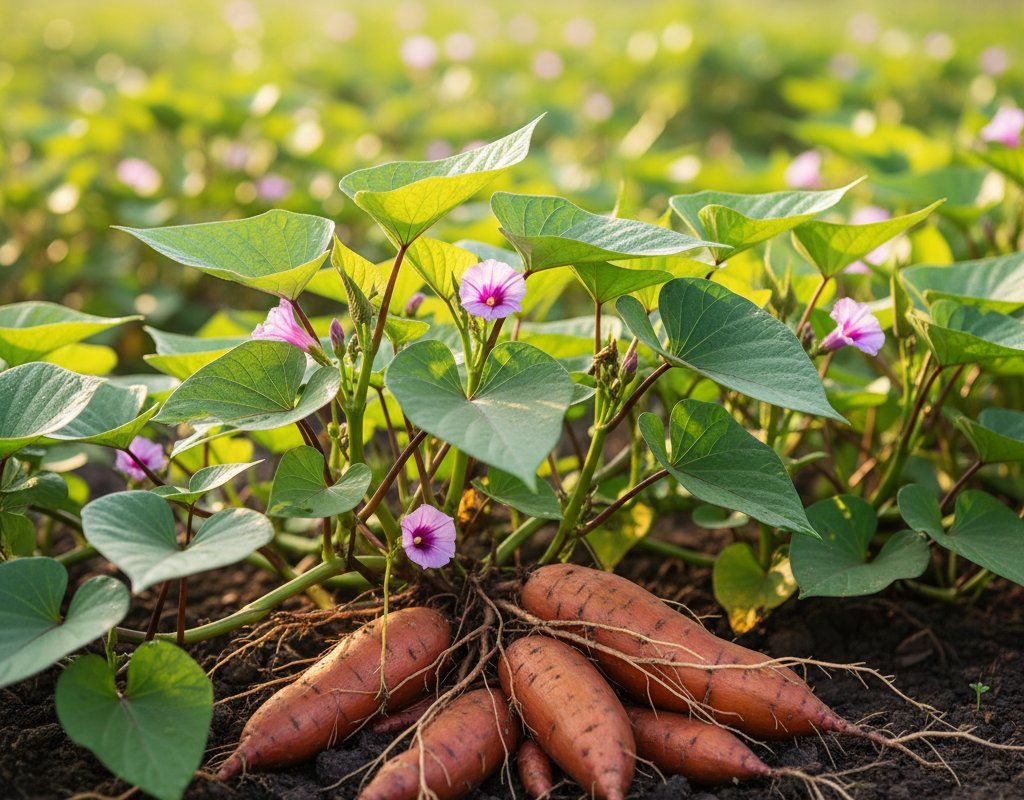
Sweet Potato in Zone 8B — Gulf Coast
Ipomoea batatas · Your Complete 2026 Planting Guide
Missed Seed Starting? No Problem!
Wait for starts to become available.
What to Do
Starts will be available at nurseries in 9 days (around March 13).
How to Plant Sweet Potato in Zone 8B — Gulf Coast
Here are all your options for getting sweet potato in the ground, from the easiest method to more advanced approaches.
Buy Starts
RecommendedMid March through early April
around March 13
Plant purchased starts after last frost (February 20).
Plant slips (rooted sprouts) after soil is warm. Buy slips or grow your own from a sweet potato.
Start Seeds Indoors
Works WellEarly to late January
around January 16
Then transplant: Mid March through early April
Start seeds 8-10 weeks before transplanting outdoors.
Direct Sow Seeds
ChallengingDirect sowing is not typical for Sweet Potato.
Transplant Outdoors
Timing InfoMid March through early April
around March 13
Wait until nighttime temperatures stay above 50°F.
Plan to transplant within a few weeks of your target date.
Overview
Sweet potatoes thrive in our Gulf Coast climate, giving you incredibly versatile tubers that store beautifully through our mild winters. These heat-loving vines produce more nutrition per square foot than almost any other crop, and nothing beats the satisfaction of digging up those gorgeous orange roots from your own garden. Our long, hot summers and abundant rainfall create perfect conditions for sweet potatoes to develop their signature sweetness.
While our high humidity can create disease pressure and afternoon storms might test your patience, sweet potatoes are surprisingly forgiving once established. Our 284-day growing season gives you plenty of time to grow full-sized tubers, and the timing works perfectly if you get your slips in the ground after our soil warms up in spring.
Starting Seeds Indoors
Starting sweet potatoes from seed isn't the typical approach - most Gulf Coast gardeners buy slips or grow their own from stored tubers. However, if you want to try growing from seed, start them in early to late January, about 8 weeks before you plan to transplant outdoors.
Sweet potato seeds need consistent warmth (80-85°F) and bright light to germinate reliably. Use seed starting trays with good drainage and bottom water to avoid disturbing the tiny seedlings. The warm, humid conditions in your house during our mild winter months actually work well for germination.
Keep in mind that sweet potato varieties don't always grow true to type from seed, so you might get surprises. Most experienced Gulf Coast gardeners stick with slips for more predictable results.
Transplanting Outdoors
Plan to transplant your sweet potato slips from mid-March through early April, after our soil has warmed consistently above 65°F. Sweet potato slips are extremely tender and won't tolerate even the slightest frost, so wait until nighttime temperatures stay above 55°F reliably.
Harden off your slips gradually over about a week, starting with just an hour or two of morning sun and building up to full outdoor exposure. Our early spring can bring sudden temperature swings, so keep an eye on the weather forecast and be ready to protect young plants if needed.
Space your slips 12-18 inches apart in rows, planting them deep enough to cover the roots and about half the stem. The buried stem nodes will develop into additional roots, giving you a stronger plant. Choose a spot with full sun and well-draining soil - sweet potatoes hate wet feet, which can be challenging during our spring rain season.
Watering Sweet Potato in Zone 8B (Gulf Coast)
Sweet potatoes need moderate water once established, but they're actually quite drought-tolerant compared to many vegetables. During the first few weeks after transplanting, keep the soil consistently moist to help your slips establish strong root systems. After that, you can back off significantly.
In our Gulf Coast climate with 50-65 inches of annual rainfall, you'll often have periods where natural rainfall handles most of your watering needs. Check soil moisture by sticking your finger 2 inches deep - if it's dry at that level, it's time to water. During typical summer stretches, aim for about 1 inch of water per week, including rainfall.
Water at the base of plants rather than overhead to minimize fungal disease issues in our high humidity. Our afternoon storms provide plenty of moisture from above already. Signs of overwatering include yellowing leaves and poor tuber development, while severely stressed plants will have wilted, crispy leaves.
About 3-4 weeks before your planned harvest, reduce watering significantly. This helps concentrate the sugars in the tubers and prevents them from cracking. Mulch around plants with straw or shredded leaves to maintain consistent soil moisture and suppress weeds in our long growing season.
🧪Fertilizing Sweet Potato
Feeding Schedule
Organic Fertilizer Options
Harvest Time
Your first sweet potatoes will be ready for harvest in late June through early August, about 100 days after transplanting. However, you can leave them in the ground much longer since they continue sizing up until frost threatens. Many Gulf Coast gardeners wait until October or November for maximum tuber size.
Sweet potatoes are ready when the vines start yellowing or you notice cracks in the soil where large tubers are pushing up from below. Unlike regular potatoes, sweet potato tubers form right at the base of the plant, making them easier to locate. Test dig one plant to check size before harvesting your entire crop.
Dig carefully with a garden fork, starting about 18 inches from the plant center and working inward. Sweet potato skins are thin and damage easily, so handle them gently. Brush off excess soil but don't wash them - the soil actually helps protect the skin during curing.
Since our first frost typically arrives in early December, you have flexibility in timing your harvest. Plan to dig all tubers before nighttime temperatures drop below 50°F consistently, as cold soil can damage the roots even if there's no frost. After digging, cure your sweet potatoes in a warm (80-85°F), humid location for 1-2 weeks to develop their full sweetness and storage potential.
Common Problems in Zone 8B (Gulf Coast)
Sweet Potato Weevils These metallic blue-black beetles with orange-red heads create small holes in tubers and leaves. Adult weevils lay eggs in the sweet potato roots, and the white grubs tunnel through your harvest, making it inedible. You might notice wilting plants even with adequate water.
Sweet potato weevils thrive in our warm, humid Gulf Coast conditions and can overwinter in stored tubers. Remove and destroy any damaged tubers immediately, and avoid saving sweet potatoes for planting if you've had weevil problems. Crop rotation helps, but these pests can fly considerable distances during our long growing season.
Wireworms These thin, yellow-brown larvae create perfectly round holes in your sweet potato tubers, often tunneling completely through them. You'll discover the damage when you dig up your harvest, finding tubers riddled with small holes and tunnels filled with crumbly debris.
Wireworms are more problematic in areas that were recently in grass, which is common in our Gulf Coast yards and new garden spaces. They prefer moist soil conditions, which we certainly have during rainy periods. Work your soil thoroughly before planting and consider beneficial nematodes as a biological control method.
Cracking and Splitting Sweet potato tubers develop deep cracks or splits, especially after heavy rainfall following dry periods. The cracks expose the flesh to rot and make storage difficult. Some varieties are more prone to this problem than others.
Our Gulf Coast weather pattern of afternoon storms after hot, dry mornings creates perfect conditions for cracking. Maintain consistent soil moisture with mulch, and choose crack-resistant varieties suited to our climate. Harvest promptly once tubers reach maturity rather than leaving them in fluctuating soil conditions.
Gulf Coast Specific Challenges: Our extreme humidity and frequent rainfall create ideal conditions for fungal diseases, while our long growing season means pest problems can build up over time. Hurricane season brings the added risk of flooding, which sweet potatoes absolutely cannot tolerate. However, their drought tolerance helps them handle the brief dry spells between our abundant rain events.
Best Companions for Sweet Potato
Plant these nearby for healthier Sweet Potato and better harvests.


Keep Away From
Companion Planting Details
Sweet potatoes pair beautifully with beans and corn in the traditional "Three Sisters" approach, though you'll want to substitute sweet potatoes for winter squash in our Gulf Coast gardens. The beans fix nitrogen in the soil, which sweet potatoes appreciate for healthy vine growth, while corn provides vertical structure that won't shade your sun-loving sweet potato vines. This combination works particularly well in our long growing season where all three crops have time to mature fully.
Avoid planting sweet potatoes near other spreading crops that might compete for space, as the vines need room to sprawl and root at the nodes. The main consideration in our climate is ensuring good air circulation around all plants to minimize fungal disease pressure from our high humidity. Space plantings adequately and choose companions that won't create dense, moisture-trapping canopies over your sweet potato patch.
🌸Best Flowers to Plant with Sweet Potato
These flowers protect your Sweet Potato from pests and attract pollinators for better harvests.
For Pest Control




Get a Reminder When It's Time to Plant
We'll email you when key planting windows open for your zone.