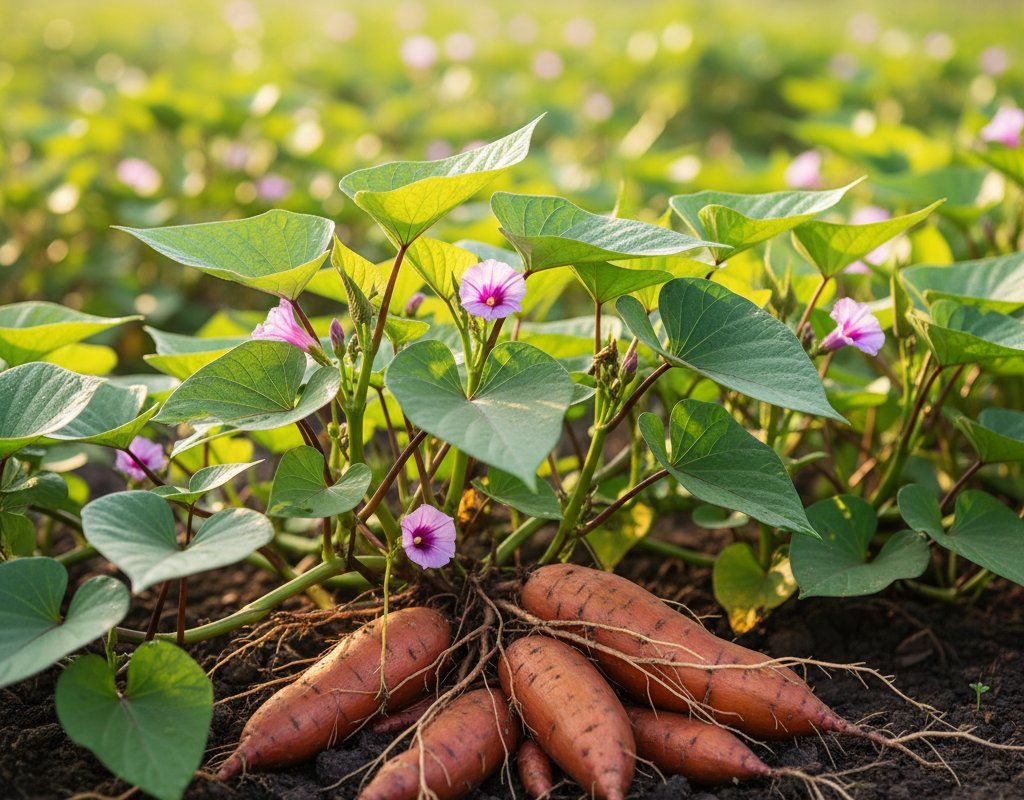
Sweet Potato in Zone 8B — Northern California
Ipomoea batatas · Your Complete 2026 Planting Guide
Missed Seed Starting? No Problem!
Wait for starts to become available.
What to Do
Starts will be available at nurseries in 18 days (around March 22).
How to Plant Sweet Potato in Zone 8B — Northern California
Here are all your options for getting sweet potato in the ground, from the easiest method to more advanced approaches.
Buy Starts
RecommendedLate March through mid April
around March 22
Plant purchased starts after last frost (March 1).
Plant slips (rooted sprouts) after soil is warm. Buy slips or grow your own from a sweet potato.
Start Seeds Indoors
Works WellMid January through early February
around January 25
Then transplant: Late March through mid April
Start seeds 8-10 weeks before transplanting outdoors.
Direct Sow Seeds
ChallengingDirect sowing is not typical for Sweet Potato.
Transplant Outdoors
Timing InfoLate March through mid April
around March 22
Wait until nighttime temperatures stay above 50°F.
Plan to transplant within a few weeks of your target date.
Overview
Sweet potatoes thrive in Northern California's Mediterranean climate, producing nutrient-dense tubers that store beautifully through our mild winters. Our warm, dry summers and long growing season create ideal conditions for these heat-loving vines to develop their signature sweet, creamy flesh. You'll find sweet potatoes incredibly versatile in the kitchen, from roasted sides to morning hash, and there's real satisfaction in digging up these buried treasures after months of watching the vines spread.
While our occasional late spring cold snaps and variable microclimates can make timing tricky, your 269-day growing season gives you plenty of flexibility to work around weather quirks. The key is starting early indoors and waiting for consistently warm soil before transplanting. Our dry summers actually benefit sweet potatoes once established, reducing disease pressure while the vines sprawl happily in the heat.
Starting Seeds Indoors
Starting sweet potatoes from seed isn't the typical approach—most gardeners grow them from slips (rooted sprouts from sweet potato tubers). However, if you're growing from true seed, start indoors from mid-January through early February, about 8 weeks before your transplant window opens.
Set up seed trays with quality potting mix and maintain temperatures around 75-80°F for germination. A heat mat helps during our cooler winter months, especially in inland areas where nighttime temperatures drop significantly. Position grow lights 2-3 inches above seedlings once they emerge, and water from the bottom to prevent damping off in our naturally low humidity.
More commonly, you'll want to start your own slips by placing a sweet potato half in water around late January. This timing works perfectly with our early spring character, giving you robust slips ready for transplanting when soil temperatures climb consistently above 60°F in late March.
Transplanting Outdoors
Transplant your sweet potato slips outdoors from late March through mid-April, once soil temperatures reach 60°F consistently and nighttime lows stay above 50°F. In Northern California, this window aligns well with our typical last frost timing, though microclimates can vary significantly—coastal areas may need to wait until mid-April, while inland valleys often warm up by late March.
Harden off your slips gradually over one week, starting with 2-3 hours of morning sun and building to full days outdoors. Space plants 12-18 inches apart in rows, giving those vigorous vines room to spread. Plant slips slightly deeper than they were growing, burying about two-thirds of the stem to encourage strong root development.
Watch for unexpected temperature swings during this transition period—our Mediterranean climate can surprise you with a warm spell followed by cooler nights. Keep row covers handy for protection if temperatures threaten to dip below 50°F after transplanting.
Watering Sweet Potato in Zone 8B (Northern California)
Sweet potatoes need moderate, consistent water to establish, but become surprisingly drought-tolerant once their root system develops. In Northern California's dry summer climate, aim for about 1-1.5 inches of water weekly during the first month after transplanting, then reduce to 0.5-1 inch weekly as the vines mature.
Use the finger test by pushing 2 inches deep into the soil—water when it feels dry at that depth. Our low humidity means soil dries faster than in other regions, but sweet potatoes actually prefer slightly drier conditions once established. Water at the base of plants rather than overhead; our low humidity reduces disease pressure, but ground-level watering still conserves water and directs moisture where roots need it most.
During our hot summer months, deep weekly watering works better than frequent shallow watering, encouraging roots to grow down rather than staying near the surface. Apply 2-3 inches of mulch around plants to maintain even moisture and reduce evaporation—this becomes especially important during heat waves when temperatures climb above 90°F.
Reduce watering significantly 3-4 weeks before harvest to concentrate sugars in the tubers and prevent cracking. Signs of underwatering include wilting vines during the hottest part of the day (normal in extreme heat), while overwatering shows up as yellowing leaves and poor tuber development.
🧪Fertilizing Sweet Potato
Feeding Schedule
Organic Fertilizer Options
Harvest Time
Expect your first sweet potato harvest from late June through mid-August, typically 100 days after transplanting. The timing depends on your variety and local microclimate—coastal areas may run slightly later due to cooler summer temperatures, while inland valleys often see earlier harvests.
Sweet potatoes don't give obvious ripeness signals like other crops, so timing becomes your best guide. The tubers are ready when the vines begin yellowing naturally or when you need to harvest before our first frost, typically arriving in late November. Dig carefully with a spading fork, working from the outside of the hill inward to avoid puncturing tubers.
Harvest on a dry day when soil isn't muddy, and brush off excess dirt rather than washing—the skins need to cure properly. Handle tubers gently since sweet potato skin bruises easily when fresh. Leave them in the sun for a few hours to dry surface moisture, then move to your curing setup.
Cure sweet potatoes in a warm (80-85°F), humid location for 1-2 weeks to develop their full sweetness and improve storage life. A garage or covered patio works well in our mild autumn weather. After curing, store in a cool (55-60°F), dark place where they'll keep for months through winter.
Common Problems in Zone 8B (Northern California)
Sweet Potato Weevils These small, dark beetles create tunnels through your tubers, leaving behind a bitter taste and rendering sweet potatoes inedible. You'll notice small holes in the tubers and dark, winding tunnels when you cut them open. Adult weevils lay eggs on vines or in soil cracks near the base of plants. Our warm, dry summers can actually increase weevil pressure since they thrive in hot conditions. Prevent problems by rotating crops (don't plant sweet potatoes in the same spot for 3-4 years), removing all plant debris after harvest, and inspecting slips carefully before planting. Hill soil around the base of vines to prevent adults from laying eggs near developing tubers.
Wireworms These thin, yellow-brown larvae bore into sweet potato tubers, creating small round holes that invite rot and make storage impossible. You'll find the actual worms inside damaged tubers—they're about 1/2 inch long and quite hard. Wireworms thrive in soil that was previously grassland or has been fallow, common in parts of Northern California. They're also worse in areas with inconsistent moisture, which can be challenging given our water restrictions. Till soil deeply in fall to expose larvae to winter weather, avoid planting where grass grew recently, and maintain consistent (but not excessive) soil moisture during the growing season.
Cracking Sweet potato tubers split open with deep cracks, exposing the flesh to rot and making them unsuitable for storage. This happens when heavy watering or unexpected rain follows a dry period—the tubers absorb water faster than their skins can expand. Our Mediterranean climate makes this particularly challenging since irrigation timing becomes critical during the dry summer months, especially with water restrictions limiting flexibility. Prevent cracking by maintaining consistent soil moisture with mulch, watering deeply but less frequently, and reducing irrigation 3-4 weeks before harvest. Choose varieties bred for your climate and avoid the temptation to give struggling vines a heavy drink during heat waves.
Northern California Specific Challenges: Our moderate-to-hot summers with low humidity create excellent conditions for sweet potato growth, but the combination of dry summers and variable microclimates requires careful water management. Fire season can disrupt irrigation schedules, while water restrictions may force you to choose between consistent moisture and conservation—mulching heavily becomes essential for balancing these competing demands.
Best Companions for Sweet Potato
Plant these nearby for healthier Sweet Potato and better harvests.


Keep Away From
Companion Planting Details
Plant sweet potatoes with beans and corn to create a productive three-sisters arrangement adapted for Northern California's conditions. Beans fix nitrogen that sweet potatoes use for vine growth, while corn provides vertical structure that helps maximize space in smaller gardens. The sprawling sweet potato vines act as living mulch, conserving moisture during our dry summers and suppressing weeds around the corn and bean roots.
Squash family plants also work well as companions since they share similar heat and spacing requirements, though give each crop adequate room to spread. Avoid planting sweet potatoes near heavy feeders that will compete for nutrients, and keep them away from crops requiring frequent overhead watering since sweet potatoes prefer ground-level irrigation once established.
🌸Best Flowers to Plant with Sweet Potato
These flowers protect your Sweet Potato from pests and attract pollinators for better harvests.
For Pest Control




Get a Reminder When It's Time to Plant
We'll email you when key planting windows open for your zone.