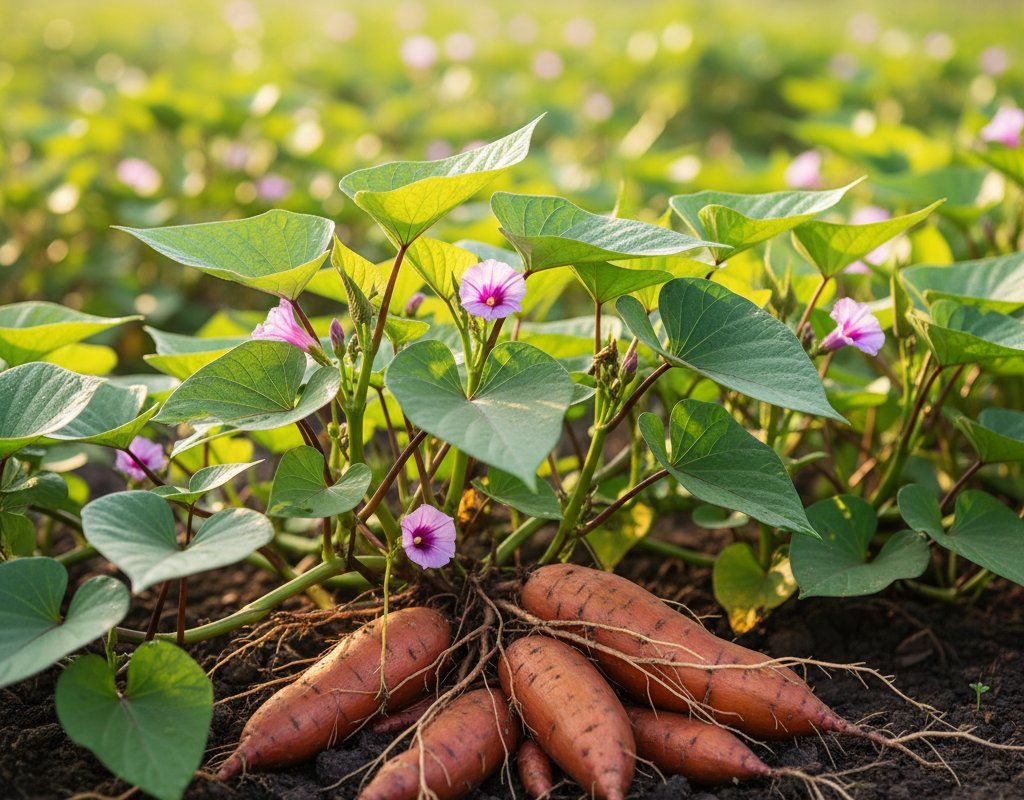
Sweet Potato in Zone 9A — Florida
Ipomoea batatas · Your Complete 2026 Planting Guide
Time to Buy Starts!
Seed starting window passed, but starts are available now.
Buy Starts Now
Head to your local nursery, Home Depot, or farmers market for transplants.
- Look for stocky plants with dark green leaves
- Avoid leggy seedlings or plants already flowering
- Check that roots aren't circling the pot (rootbound)
How to Plant Sweet Potato in Zone 9A — Florida
Here are all your options for getting sweet potato in the ground, from the easiest method to more advanced approaches.
Buy Starts
RecommendedLate February through mid March
around February 22
Plant purchased starts after last frost (February 1).
Plant slips (rooted sprouts) after soil is warm. Buy slips or grow your own from a sweet potato.
Start Seeds Indoors
Works WellLate December through mid January
around December 28
Then transplant: Late February through mid March
Start seeds 8-10 weeks before transplanting outdoors.
Direct Sow Seeds
ChallengingDirect sowing is not typical for Sweet Potato.
Transplant Outdoors
Timing InfoLate February through mid March
around February 22
Wait until nighttime temperatures stay above 50°F.
Plan to transplant within a few weeks of your target date.
Overview
Sweet potatoes thrive in our Florida heat and humidity, producing surprisingly large harvests from vines that seem to love our subtropical conditions. Unlike store-bought varieties that often taste bland, homegrown sweet potatoes develop rich, complex flavors that make them worth every bit of garden space. They're incredibly versatile too — you can roast the tubers, sauté the nutritious greens, and even eat the tender vine tips.
The challenge with sweet potatoes in Florida is timing them right around our unique growing calendar. Our extreme humidity and sandy soils can create some hurdles, but the beauty of our 327-day growing season means you have plenty of flexibility to work with their 100-day maturity window. Plant them after our last frost risk passes in late winter, and you'll harvest before the real summer heat becomes overwhelming.
Starting Seeds Indoors
Starting sweet potatoes from true seed isn't the typical approach — most Florida gardeners work with slips (rooted sprouts) from existing tubers. However, if you want to try varieties not available locally, you can start seeds indoors during late December through mid-January, about 8 weeks before you plan to transplant.
Set up your seed trays in a warm spot (75-80°F) with good grow lights, since our winter days are shorter even here in Florida. Bottom watering works best to avoid fungal issues that our humidity can encourage. The seedlings will be much smaller than slips and take longer to establish, but some gardeners enjoy experimenting with unique varieties this way.
Keep in mind that our reversed growing seasons mean you're starting these in the cool, dry months when indoor conditions are actually easier to manage than during our wet summer period.
Transplanting Outdoors
Plan to transplant your sweet potato slips outdoors during late February through mid-March, after soil temperatures consistently stay above 60°F. Whether you started from seed or bought slips, spend a full week hardening them off gradually — our February weather can still have cool snaps that shock tender transplants.
Space your plants 12-18 inches apart in well-draining soil, which is crucial in our sandy Florida ground. Sweet potato vines will spread aggressively once established, so give them room to roam or plan to train them in your desired direction. Plant slips deeper than you might expect — bury about two-thirds of the stem to encourage strong root development.
Watch the weather during transplant time, as late February can still surprise us with unexpected cool fronts. Have row covers ready if temperatures threaten to drop below 55°F for extended periods.
Watering Sweet Potato in Zone 9A (Florida)
Sweet potatoes need moderate, consistent moisture to get established, but they're surprisingly drought-tolerant once their root systems develop. During the first month after transplanting, water when the top 2 inches of soil feel dry to your finger — usually every 2-3 days in our sandy soils.
Once established by late spring, sweet potatoes actually prefer slightly drier conditions. Our natural wet summer pattern can work against them if drainage isn't adequate. Aim for about 1 inch of water weekly, including rainfall, but let the soil dry slightly between waterings. Water at the base of plants rather than overhead — our extreme humidity already creates enough moisture on the leaves.
The critical timing adjustment for Florida is reducing water 3-4 weeks before harvest in late spring. This helps concentrate flavors and prevents the tubers from becoming waterlogged. Watch for signs of stress: wilting in mid-morning heat means they need water, while yellowing lower leaves often indicates overwatering in our humid conditions.
A 2-3 inch layer of organic mulch helps maintain even moisture and keeps our intense sun from baking the soil surface. Pine straw works particularly well here, breaking down slowly in our heat while allowing good air circulation around the vines.
🧪Fertilizing Sweet Potato
Feeding Schedule
Organic Fertilizer Options
Harvest Time
Your first sweet potatoes should be ready for harvest during early June through mid-July, roughly 100 days after transplanting. Unlike many crops that give you visual cues when ready, sweet potatoes require some detective work — gently brush away soil near the base of plants to check tuber size.
Harvest before our summer heat becomes truly brutal and well before any chance of frost in late December. Dig carefully with a spading fork, working from the outside of the vine area inward. Sweet potato skins are tender and easily damaged, so handle them gently. Any nicks or scratches provide entry points for rot during storage.
The curing process is crucial for developing that classic sweet potato flavor. Place freshly dug tubers in a warm (80-85°F), humid location for 1-2 weeks — a garage or covered porch works well in our climate. This process converts starches to sugars and toughens the skin for longer storage.
Don't wait too long to harvest thinking they'll keep growing bigger. In Florida's heat, oversized tubers often develop tough, stringy textures and become more prone to pest damage from our resident sweet potato weevils.
Common Problems in Zone 9A (Florida)
Sweet Potato Weevils These small, dark beetles create small holes in tubers and their white larvae tunnel through the flesh, leaving behind dark, bitter-tasting damage. Adult weevils are about 1/4 inch long with a distinctive snout and metallic blue-black color.
Hot, humid Florida conditions favor these pests year-round, and they're particularly attracted to stressed or damaged plants. The weevils overwinter in crop debris and emerge when soil temperatures warm in spring.
Prevent problems by rotating sweet potato plantings to different garden areas each year and cleaning up all plant debris after harvest. Choose certified disease-free slips and avoid saving your own tubers for next year's crop if you've had weevil issues.
Wireworms These hard, yellow-brown larvae create perfectly round holes in sweet potato tubers, often penetrating deep into the flesh. The damage looks like someone used a pencil to poke holes throughout your harvest.
Our sandy Florida soils provide ideal conditions for wireworms, which are actually click beetle larvae that can live in soil for 2-5 years. They're most active during our warm, moist periods.
Trap wireworms before planting by burying pieces of potato or carrot 2-4 inches deep, marking the spots, then digging them up after a week to destroy any larvae you've attracted. Beneficial nematodes can help control populations in sandy soils.
Cracking Tubers develop splits or cracks in their skin, creating entry points for rot and reducing storage life. The cracks may appear as circular rings around the tuber or as radial splits running lengthwise.
Heavy watering or sudden rainfall after dry periods causes tubers to absorb water faster than their skins can expand. Our intense summer thunderstorms following dry spells create perfect conditions for this problem.
Maintain consistent soil moisture through mulching and regular watering schedules. Harvest promptly when tubers reach maturity rather than leaving them in fluctuating soil conditions. In our wet summer climate, ensure excellent drainage to prevent waterlogged conditions.
Florida Specific Challenges Our combination of extreme humidity, sandy soils, and intense summer heat creates unique pressures for sweet potatoes. The high humidity encourages fungal problems while our sandy soils drain so quickly that maintaining consistent moisture becomes challenging. Summer temperatures that regularly hit 93°F can stress plants and reduce tuber quality if harvest timing isn't managed properly.
Best Companions for Sweet Potato
Plant these nearby for healthier Sweet Potato and better harvests.


Keep Away From
Companion Planting Details
Sweet potatoes pair beautifully with beans, corn, and squash in Florida gardens — the traditional "three sisters" combination that works especially well in our climate. Beans fix nitrogen that sweet potato vines appreciate, while corn provides vertical structure that doesn't compete with the spreading vines. Squash creates living mulch that helps retain moisture in our fast-draining sandy soils.
Avoid planting sweet potatoes near tomatoes or other nightshades, as they can harbor similar pests and diseases that become more problematic in our humid conditions. The sprawling nature of sweet potato vines means they need companions that either grow tall (like corn) or can handle being partially shaded (like heat-tolerant lettuce varieties in their early spring growing period).
🌸Best Flowers to Plant with Sweet Potato
These flowers protect your Sweet Potato from pests and attract pollinators for better harvests.
For Pest Control




Get a Reminder When It's Time to Plant
We'll email you when key planting windows open for your zone.