
Thyme in Zone 4B — Midwest
Thymus vulgaris · Your Complete 2026 Planting Guide
Planning Ahead — Great!
You’re ahead of the season. Here’s when to start.
Mark Your Calendar
How to Plant Thyme in Zone 4B — Midwest
Here are all your options for getting thyme in the ground, from the easiest method to more advanced approaches.
Buy Starts
RecommendedEarly May through early June
around May 10
Plant purchased starts after last frost (May 10).
Thyme is slow from seed. Buying starts saves a full season of waiting.
Start Seeds Indoors
Works WellEarly to late March
around March 15
Then transplant: Early May through early June
Start seeds 8-10 weeks before transplanting outdoors.
Direct Sow Seeds
Works WellEarly May through early July
around May 10
Consider succession planting every 2-3 weeks for continuous harvest.
Transplant Outdoors
Timing InfoEarly May through early June
around May 10
Can tolerate light frost, but wait for soil to be workable.
You have a nice window — no need to rush.
Overview
Thyme is a fantastic addition to any Midwest garden. Its earthy flavor elevates everything from roasted vegetables to grilled meats, and a thriving thyme patch is incredibly satisfying. Plus, it attracts pollinators to your garden, which helps all your other plants thrive.
Our Midwest weather can be unpredictable, with temperature swings in spring and summer heat spells. But with careful timing, starting either indoors or directly sowing after the last expected frost, you can easily enjoy a bountiful thyme harvest within our 138-day growing season.
Starting Seeds Indoors
Starting thyme indoors in early to late March gives you a head start, especially since it can be slow to get going from seed. This is particularly useful if you want a larger, more established plant ready to go as soon as the weather cooperates. You have about a 3-week window to start seeds indoors.
Use seed trays with a good seed-starting mix and provide warmth and plenty of light, either from a sunny window or grow lights. Don't forget to water from the bottom to avoid damping off! Remember, our Midwest spring can be moderate-to-late, so starting indoors lets you maximize the growing season.
Transplanting Outdoors
Transplanting thyme outdoors should happen in early May through early June, after the danger of frost has passed. Before planting, harden off your seedlings by gradually exposing them to outdoor conditions for about a week. This helps them adjust to the sunlight, wind, and temperature changes.
When transplanting, space your thyme plants about 8-12 inches apart. Keep an eye on the weather forecast; we can sometimes get a late frost even in early May. Consider buying starts from a local nursery; because thyme is slow from seed, this saves a whole season.
Direct Sowing
Direct sowing thyme is certainly an option here in the Midwest. Aim to sow seeds from early May through early July, once the soil has warmed up a bit. You have about a 9-week window to direct sow.
Prepare the soil by loosening it and removing any weeds. Thyme prefers well-drained soil, so amend with compost if needed. Scatter the tiny seeds and gently press them into the soil, spacing them about 8-12 inches apart. Keep the soil consistently moist until seedlings emerge, which can take a couple of weeks.
Watering Thyme in Zone 4B (Midwest)
Thyme is very drought-tolerant and actually prefers slightly dry conditions. Overwatering is a much bigger problem than underwatering in our Midwest gardens. Be careful, particularly with our wet-summer rainfall.
During the spring, water your thyme plants only when the top 2 inches of soil feel dry to the touch – use the "finger test." In general, aim for about 1 inch of water per week, including rainfall. During our summer heat spells, you might need to water a bit more frequently, but always let the soil dry out between waterings.
Water at the base of the plant to avoid wetting the foliage, which can encourage fungal diseases in our moderate-to-humid climate. Signs of overwatering include yellowing leaves and a mushy stem base, while underwatering will cause the leaves to wilt and dry out. Applying a light layer of mulch can help retain moisture and keep weeds down.
Pruning & Maintaining Thyme
Pruning thyme is pretty minimal, but a little attention helps keep your plants healthy and productive. After flowering, usually in mid-summer, cut back the stems by about one-third. This encourages bushier growth and prevents the plant from becoming too woody.
Avoid cutting into the old, woody parts of the plant, as new growth is unlikely to emerge from there. As the first frost approaches in late September, stop pruning to allow the plant to harden off for winter.
🧪Fertilizing Thyme
Feeding Schedule
Organic Fertilizer Options
Harvest Time
You can start harvesting thyme in mid-July through early October, about 70 days after planting. The best flavor comes just before the plant flowers, so keep an eye out for buds forming. You have about a 12-week window for harvesting.
To harvest, simply cut off sprigs as needed, being careful not to take more than one-third of the plant at a time. You can strip the leaves from the stems or use the whole sprigs. Thyme is a continuous harvest plant, so the more you cut, the more it will produce. As the first frost approaches in late September, harvest any remaining thyme and dry it for winter use.
Common Problems in Zone 4B (Midwest)
Two common problems with thyme in the Midwest are root rot from overwatering and fungal diseases due to humidity.
Root Rot
- What it looks like: Yellowing leaves, wilting, and a mushy, brown stem base.
- What causes it: Overwatering or poorly drained soil. Our wet-summer rainfall can exacerbate this issue.
- How to fix/prevent it: Ensure your thyme is planted in well-draining soil. Water only when the top 2 inches of soil are dry. If root rot is present, you may need to transplant to a drier location or improve drainage.
Fungal Diseases
- What it looks like: Powdery mildew (white powdery spots on leaves) or other leaf spots.
- What causes it: High humidity and poor air circulation.
- How to fix/prevent it: Provide adequate spacing between plants to improve air circulation. Water at the base of the plant to avoid wetting the foliage. Consider using a fungicide if the problem is severe.
Midwest Specific Challenges: Our moderate-to-hot summer heat, combined with moderate-to-humid humidity and wet-summer rainfall, creates a perfect environment for both root rot and fungal diseases. Be vigilant about watering practices and provide good air circulation to keep your thyme healthy.
Best Companions for Thyme
Plant these nearby for healthier Thyme and better harvests.
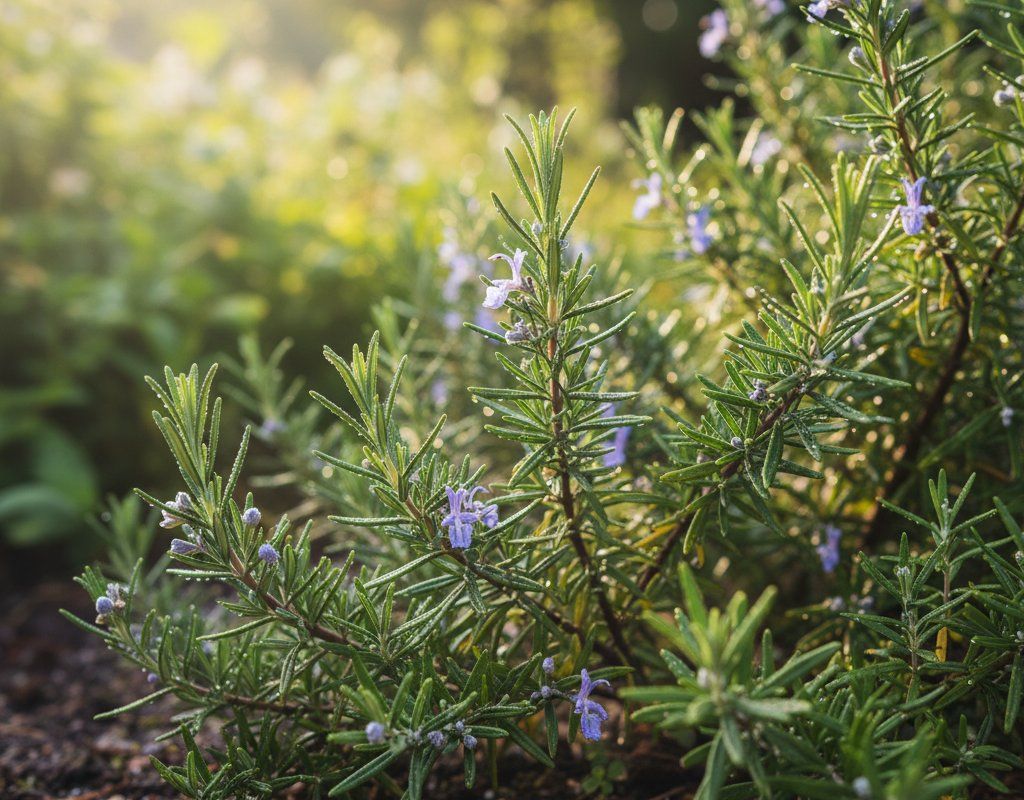
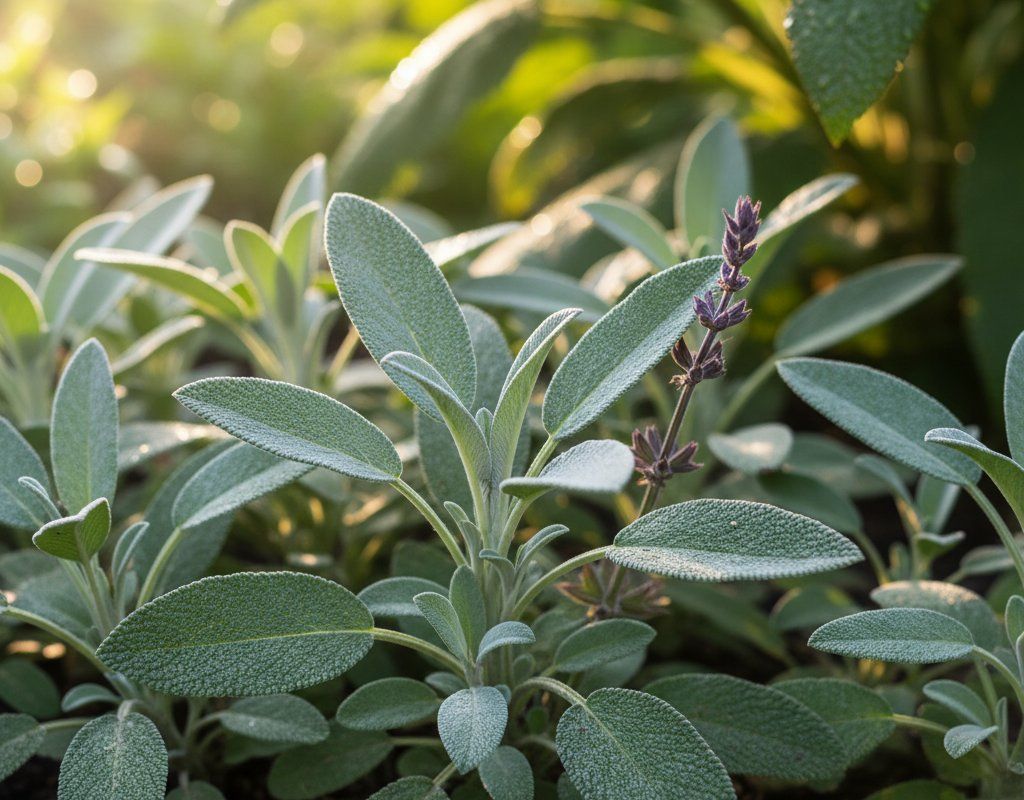
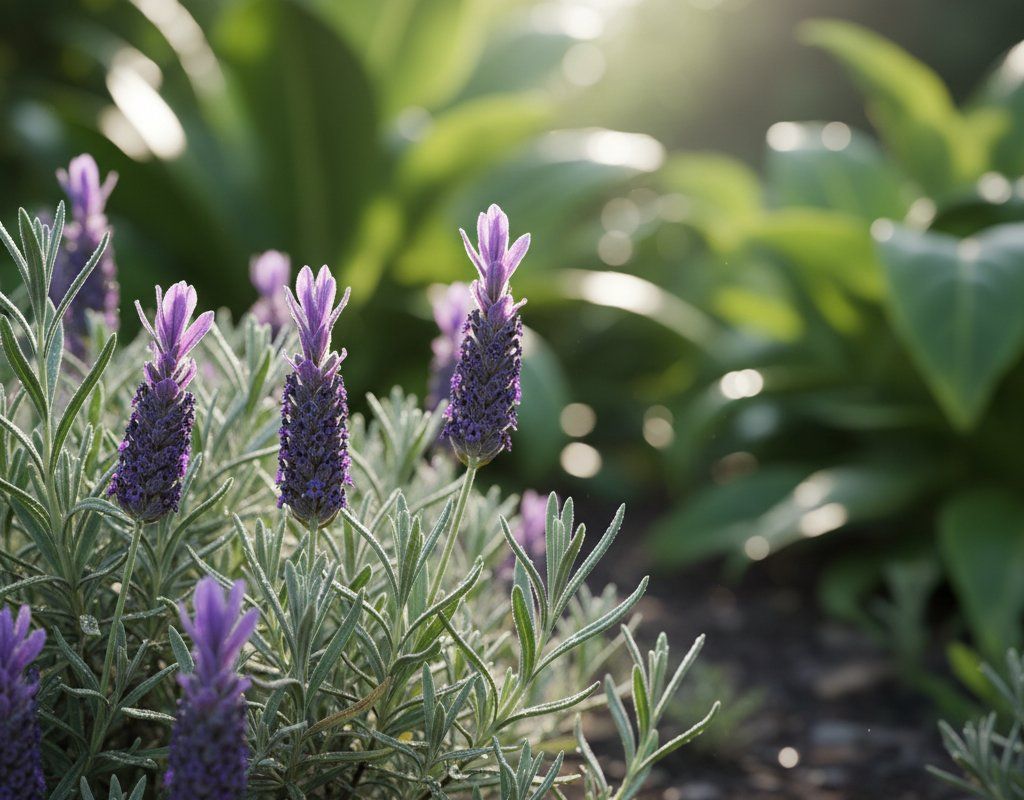



Keep Away From

Companion Planting Details
Thyme makes a great companion plant for several garden vegetables and herbs in the Midwest. Rosemary, sage, and lavender share similar growing conditions and can help deter pests. Cabbage benefits from thyme's ability to repel cabbage moths, while strawberries enjoy thyme's ground-covering habit, which helps suppress weeds. Tomatoes also benefit from thyme, as it can improve their flavor and repel certain pests. Avoid planting thyme near mint, as mint is aggressive and can quickly overtake thyme.
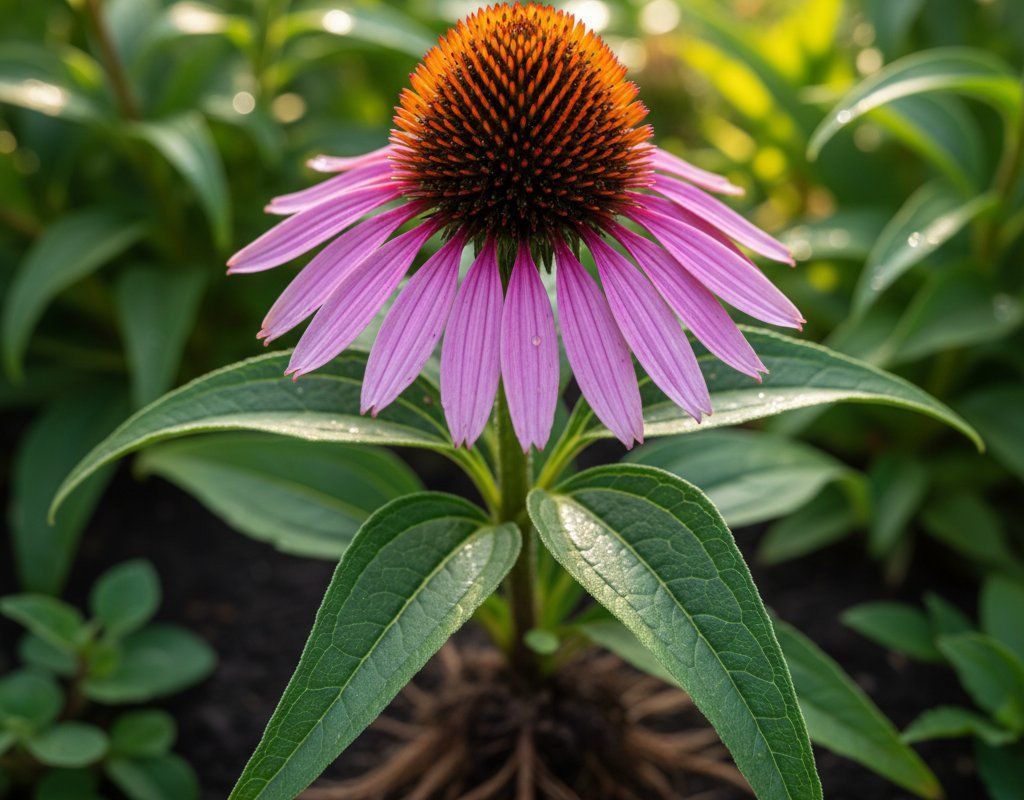
🌸Best Flowers to Plant with Thyme
These flowers protect your Thyme from pests and attract pollinators for better harvests.
For Pest Control


Get a Reminder When It's Time to Plant
We'll email you when key planting windows open for your zone.