
Thyme in Zone 7B — Southeast
Thymus vulgaris · Your Complete 2026 Planting Guide
Missed Seed Starting? No Problem!
Wait for starts to become available.
What to Do
Starts will be available at nurseries in 16 days (around March 20).
How to Plant Thyme in Zone 7B — Southeast
Here are all your options for getting thyme in the ground, from the easiest method to more advanced approaches.
Buy Starts
RecommendedMid March through mid April
around March 20
Plant purchased starts after last frost (March 20).
Thyme is slow from seed. Buying starts saves a full season of waiting.
Start Seeds Indoors
Works WellMid January through early February
around January 23
Then transplant: Mid March through mid April
Start seeds 8-10 weeks before transplanting outdoors.
Direct Sow Seeds
Works WellMid March through mid August
around March 20
Consider succession planting every 2-3 weeks for continuous harvest.
Transplant Outdoors
Timing InfoMid March through mid April
around March 20
Can tolerate light frost, but wait for soil to be workable.
You have a nice window — no need to rush.
Overview
Thyme is a fantastic addition to any Southeast garden. Its earthy flavor elevates everything from grilled chicken to summer vegetables, and it thrives in our long growing season. Plus, you can't beat the satisfaction of snipping fresh herbs from your own backyard, especially after a long, hot day.
Our humid summers and clay soil can present challenges, but with careful attention to watering and well-draining soil, you can enjoy a bountiful Thyme harvest. With a 235-day growing season, you have plenty of time to get it right.
Starting Seeds Indoors
Starting Thyme indoors isn't essential, but it can give you a head start, especially since it's a slow grower from seed. If you want to get a jump on the season, aim to start your seeds indoors from mid January through early February, about eight weeks before you plan to transplant.
Use seed trays filled with a well-draining seed-starting mix. Keep the trays warm, ideally around 70°F, and provide plenty of light. Bottom watering is a great way to keep the soil consistently moist without over saturating the delicate seedlings. Our spring weather can be unpredictable, so starting indoors offers some protection from late cold snaps.
Transplanting Outdoors
Once the danger of frost has passed, usually from mid March through mid April, it's time to transplant your Thyme seedlings outdoors. Before planting, harden them off by gradually exposing them to outdoor conditions for about a week. This helps them adjust to the sunlight and temperature changes.
Choose a sunny spot with well-drained soil and space the plants 8-12 inches apart. Keep an eye on the weather forecast – a late cold snap can still happen, so be prepared to cover your seedlings if needed. Honestly, though, buying established Thyme plants from a local nursery can save you a whole season, and they'll be better equipped to handle our clay soil.
Direct Sowing
Direct sowing Thyme is definitely an option, especially if you have well-draining soil. Aim to sow your seeds from mid March through mid August. This gives them plenty of time to establish before our first frost.
Prepare the soil by loosening it and removing any weeds. Thyme seeds need light to germinate, so just gently press them into the soil surface. Keep the soil consistently moist until the seedlings emerge, then thin them to 8-12 inches apart. Direct sowing is easy, but keep in mind that Thyme can be slow to germinate and grow, so be patient!
Watering Thyme in Zone 7B (Southeast)
Thyme is drought-tolerant and prefers slightly dry soil, which is good news considering our humid Southeast climate. Overwatering is a surefire way to cause root rot, so it’s better to err on the side of caution.
During the hotter months, especially when we aren't getting our usual afternoon thunderstorms, check the soil moisture regularly. Stick your finger about two inches deep into the soil – if it feels dry, it's time to water. Aim for about ½ inch of water per week, either from rainfall or irrigation. Water at the base of the plant to avoid wetting the foliage, which can encourage fungal diseases in our humid climate.
Signs of underwatering include wilting leaves and stunted growth. Overwatering, on the other hand, can lead to yellowing leaves and a mushy stem. Mulching around your Thyme plants with pine straw or wood chips can help retain moisture in the soil and suppress weeds, which is a big help in our long summer.
Pruning & Maintaining Thyme
Thyme requires minimal pruning, but a little attention keeps it from getting too woody. After flowering, usually in late spring or early summer, cut back the stems by about one-third. This encourages new growth and keeps the plant compact and productive.
Avoid cutting into the old, woody parts of the plant, as new growth is unlikely to emerge from there. As our first frost approaches in early November, you can give your Thyme plant one last trim to shape it up for the winter.
🧪Fertilizing Thyme
Feeding Schedule
Organic Fertilizer Options
Harvest Time
You can start harvesting Thyme sprigs as soon as the plant is established, usually by late May or early June. The flavor is best just before the plant flowers. Look for healthy, vibrant green stems.
To harvest, simply snip off the stems with scissors or pruning shears. Strip the leaves from the stems and use them fresh or dry them for later use. Regular harvesting encourages the plant to produce even more growth, so don't be afraid to snip away! As our first frost approaches in early November, harvest any remaining sprigs to dry or freeze for use throughout the winter.
Common Problems in Zone 7B (Southeast)
Thyme is relatively easy to grow, but two common problems in the Southeast are root rot from overwatering and fungal diseases due to our humidity.
Root Rot *What it looks like:* Yellowing leaves, wilting even when the soil is moist, and a mushy, brown stem near the base of the plant. *What causes it:* Overwatering, especially in our clay soil, which doesn't drain well. Our wet-summer rainfall doesn't help either. *How to fix/prevent it:* Ensure your Thyme is planted in well-draining soil. Water only when the top two inches of soil are dry. Consider raised beds or containers to improve drainage.
Fungal Diseases *What it looks like:* Powdery mildew (white, powdery coating on the leaves) or leaf spot (small, dark spots on the leaves). *What causes it:* High humidity and poor air circulation, common in the Southeast. *How to fix/prevent it:* Plant Thyme in a sunny location with good air circulation. Avoid overhead watering. If fungal diseases appear, prune away affected leaves and consider using a fungicide labeled for herbs.
Southeast Specific Challenges: Our hot, humid summers and frequent rainfall create the perfect conditions for fungal diseases and root rot. Be vigilant about watering and ensure your Thyme has good drainage and air circulation to thrive.
Best Companions for Thyme
Plant these nearby for healthier Thyme and better harvests.




Keep Away From

Companion Planting Details
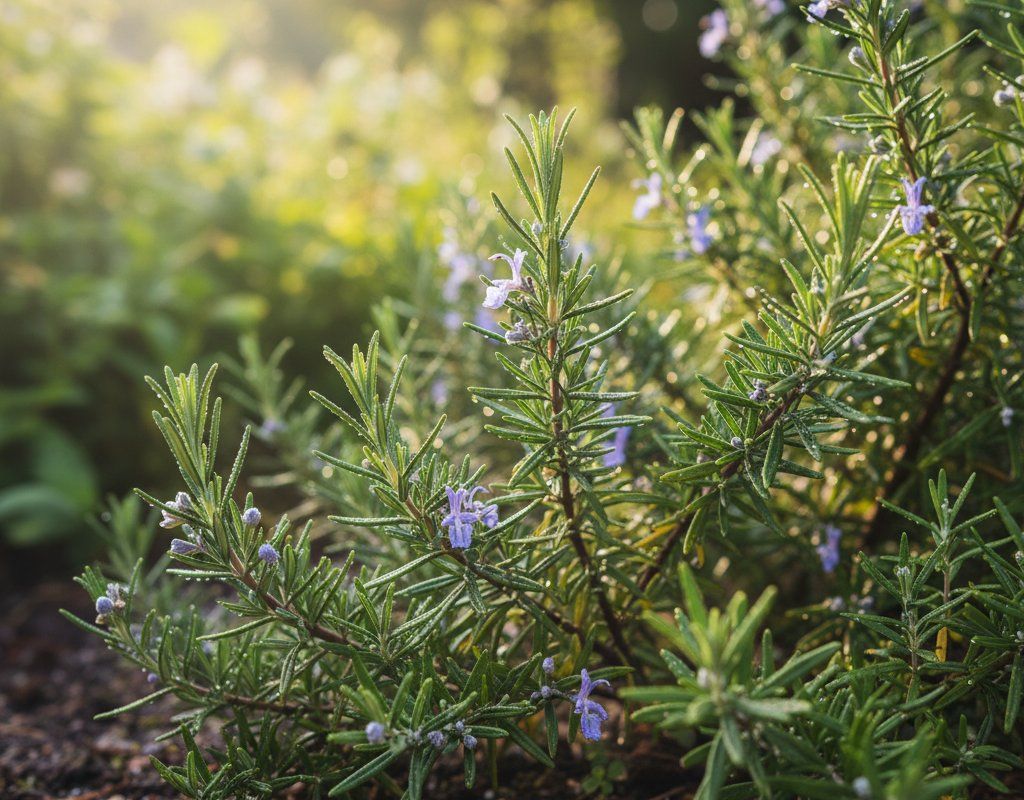
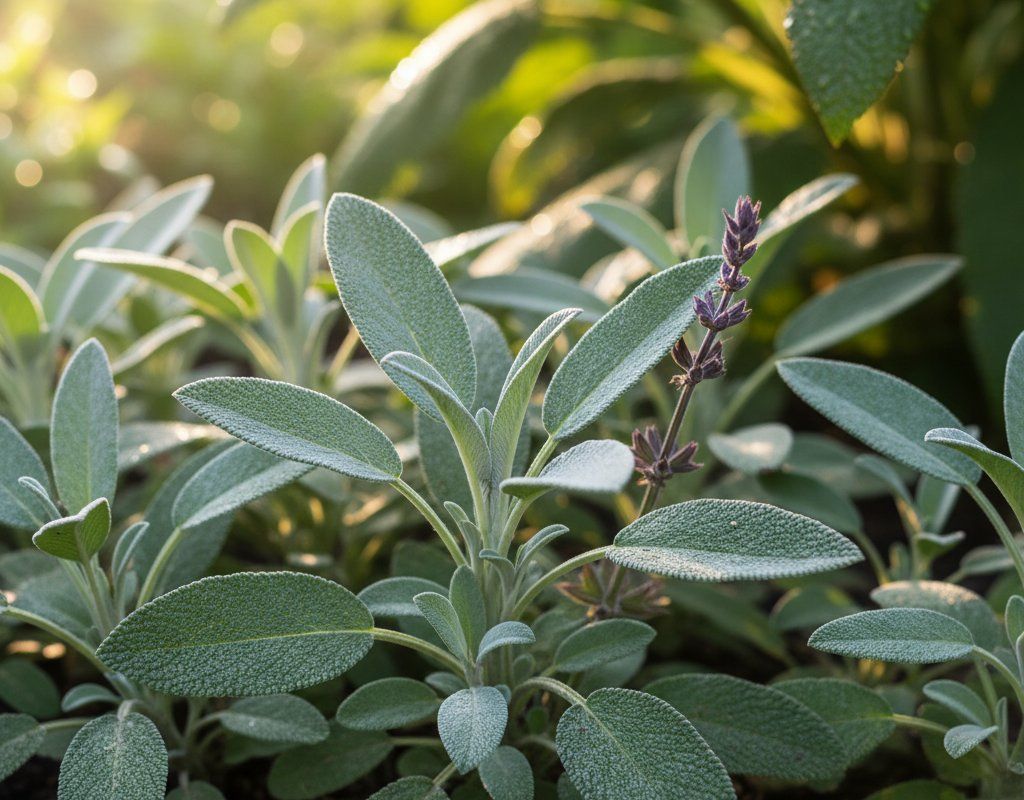
Thyme makes a great companion plant for many vegetables and herbs in the Southeast garden. Rosemary, sage, and lavender all share similar growing requirements – full sun and well-drained soil – and can help deter pests. Cabbage, strawberries, and tomatoes also benefit from being planted near Thyme, as it can repel certain insects that prey on these crops.
Avoid planting Thyme near mint. Mint is vigorous and can quickly outcompete Thyme for resources. Plus, mint prefers moist soil, which is the opposite of what Thyme needs to thrive in our humid climate.
🌸Best Flowers to Plant with Thyme
These flowers protect your Thyme from pests and attract pollinators for better harvests.
For Pest Control



Get a Reminder When It's Time to Plant
We'll email you when key planting windows open for your zone.