
Thyme in Zone 9A — Desert Southwest
Thymus vulgaris · Your Complete 2026 Planting Guide
Time to Buy Starts!
Seed starting window passed, but starts are available now.
Buy Starts Now
Head to your local nursery, Home Depot, or farmers market for transplants.
- Look for stocky plants with dark green leaves
- Avoid leggy seedlings or plants already flowering
- Check that roots aren't circling the pot (rootbound)
How to Plant Thyme in Zone 9A — Desert Southwest
Here are all your options for getting thyme in the ground, from the easiest method to more advanced approaches.
Buy Starts
RecommendedMid February through mid March
around February 15
Plant purchased starts after last frost (February 15).
Thyme is slow from seed. Buying starts saves a full season of waiting.
Start Seeds Indoors
Works WellMid December through early January
around December 21
Then transplant: Mid February through mid March
Start seeds 8-10 weeks before transplanting outdoors.
Direct Sow Seeds
Works WellMid February through mid September
around February 15
Consider succession planting every 2-3 weeks for continuous harvest.
Transplant Outdoors
Timing InfoMid February through mid March
around February 15
Can tolerate light frost, but wait for soil to be workable.
You have a nice window — no need to rush.
Overview
Thyme is a fantastic addition to any Desert Southwest garden. Its aromatic leaves add depth to Southwestern cuisine, plus it's incredibly versatile and rewarding to grow. Imagine stepping outside to snip fresh Thyme for your favorite dishes, knowing you nurtured it yourself right here in our unique climate.
Sure, we face challenges like extreme heat and alkaline soil, but with careful timing, Thyme thrives in our long 298-day growing season. You'll find that starting at the right time makes summer survival much easier.
Starting Seeds Indoors
Starting Thyme indoors is an option, especially if you're after a head start. Sow seeds indoors from mid-December through early January, about eight weeks before you plan to transplant. Use seed trays with a good seed-starting mix and provide warmth and plenty of light – a grow light works wonders.
Bottom watering is your friend here to prevent damping off. Because our spring comes very early, starting indoors gives you a jump on the season, but honestly, direct sowing often works just as well.
Transplanting Outdoors
Transplant your Thyme seedlings outdoors from mid-February through mid-March. Before transplanting, harden them off by gradually exposing them to outdoor conditions for about a week. Space them 8-12 inches apart in a sunny spot.
Keep an eye on the weather; even in late winter, a cold snap can happen. Honestly, consider buying Thyme starts from a local nursery. It saves you a lot of time since Thyme is slow to grow from seed, and you can get a more established plant right away.
Direct Sowing
Direct sowing Thyme is perfectly doable in our climate. Sow seeds from mid-February through mid-September. Prepare the soil well, ensuring it's loose and well-draining. Thyme needs soil temperatures around 70°F to germinate, so wait until the soil warms up.
Space the seeds about 8-12 inches apart. Keep the soil consistently moist until seedlings emerge. You might need to provide some shade during the hottest part of the year to protect young plants.
Watering Thyme in Zone 9A (Desert Southwest)
Watering Thyme correctly is crucial for success in the Desert Southwest. Thyme is drought-tolerant and hates wet feet, so less is more. During the cooler spring and fall, water deeply but infrequently, about every 1-2 weeks, depending on rainfall.
Use the "finger test" – if the top two inches of soil are dry, it's time to water. Aim for about 1 inch of water per week, soaking the soil at the base of the plant rather than overhead, especially during our monsoon season. Overhead watering can encourage fungal diseases in our arid climate.
During the extreme heat of summer, you might need to water every 5-7 days, but always check the soil moisture first. Signs of underwatering include wilting and yellowing leaves, while overwatering can lead to root rot, indicated by soft, brown stems near the base. Mulching around your Thyme plants with gravel or decomposed granite helps retain moisture and keeps the soil cooler.
Pruning & Maintaining Thyme
Pruning Thyme is straightforward. After flowering, typically in late spring or early summer, cut back the stems by about one-third. This prevents the plant from becoming woody and encourages new growth.
Avoid cutting into the old, woody parts of the plant, as new growth is unlikely to emerge from there. As the first frost approaches in early December, you can give your Thyme a light trim to tidy it up, but avoid heavy pruning at this time.
🧪Fertilizing Thyme
Feeding Schedule
Organic Fertilizer Options
Harvest Time
You can start harvesting Thyme from late April through mid-December. The best flavor comes just before the plant flowers, but you can harvest sprigs anytime. Look for healthy, vibrant green stems.
To harvest, simply cut the stems with scissors or pruners, leaving at least a few inches of growth on the plant. Strip the leaves from the stems for use in your cooking. Regular harvesting encourages the plant to produce even more flavorful foliage. As frost approaches, harvest a larger batch to dry and use throughout the winter.
Common Problems in Zone 9A (Desert Southwest)
Thyme is relatively problem-free, but here are two common issues in the Desert Southwest:
Root Rot from Overwatering
- What it looks like: Yellowing leaves, wilting, and soft, brown stems near the base of the plant. The plant may appear stunted and eventually die.
- What causes it: Excess moisture around the roots, often due to overwatering or poorly draining soil. This is exacerbated during monsoon season when humidity spikes.
- How to fix/prevent it: Ensure well-draining soil by amending with perlite or sand. Water only when the top two inches of soil are dry. Avoid overhead watering, especially during humid periods. If root rot is present, gently remove the affected plant and replant in a well-draining location.
Fungal Diseases in Humidity
- What it looks like: Powdery mildew or leaf spot, appearing as white or gray patches on the leaves.
- What causes it: High humidity combined with poor air circulation. While we're arid, monsoon season can bring humidity spikes.
- How to fix/prevent it: Provide good air circulation by spacing plants adequately. Water at the base of the plant to avoid wetting the foliage. If fungal diseases appear, treat with a copper-based fungicide, following label instructions.
Desert Southwest Specific Challenges: Our extreme heat can stress Thyme, making it more susceptible to problems. Provide afternoon shade during the hottest months and ensure proper watering to keep plants healthy and resilient. Even with our low humidity, monsoon moisture can create conditions for fungal issues, so monitor your plants closely during that time.
Best Companions for Thyme
Plant these nearby for healthier Thyme and better harvests.




Keep Away From

Companion Planting Details
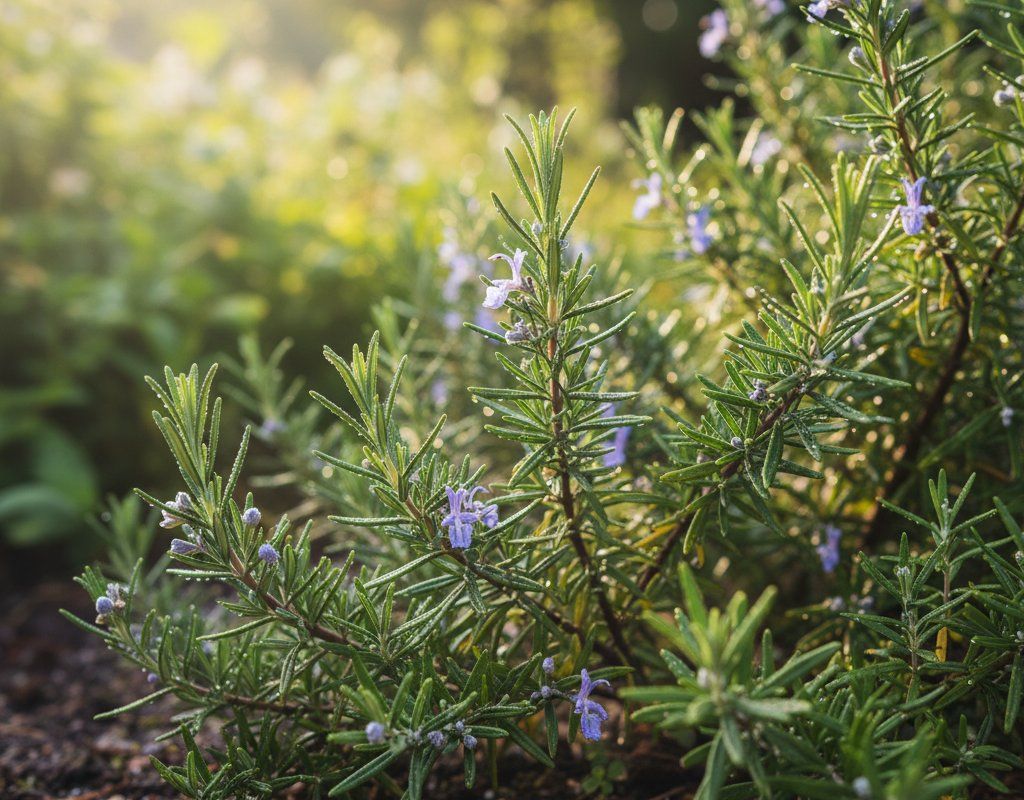
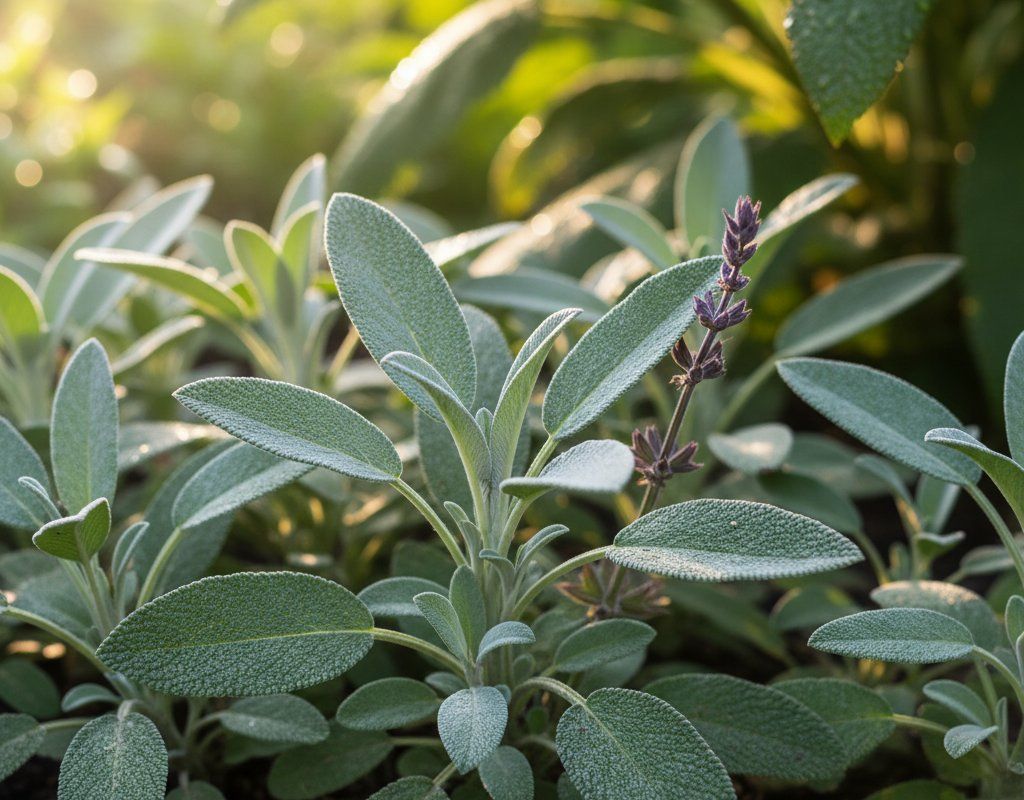
Thyme plays well with many herbs and vegetables in the Desert Southwest garden. Rosemary, sage, and lavender are excellent companions, as they share similar water needs and thrive in full sun. Cabbage and tomatoes also benefit from being planted near Thyme, as it can help repel certain pests. Strawberries also benefit from thyme planted nearby.
Avoid planting Thyme near mint, as mint is aggressive and can quickly overtake Thyme, competing for resources. Plus, mint prefers more moisture than Thyme, creating conflicting watering needs.
🌸Best Flowers to Plant with Thyme
These flowers protect your Thyme from pests and attract pollinators for better harvests.
For Pest Control



Get a Reminder When It's Time to Plant
We'll email you when key planting windows open for your zone.