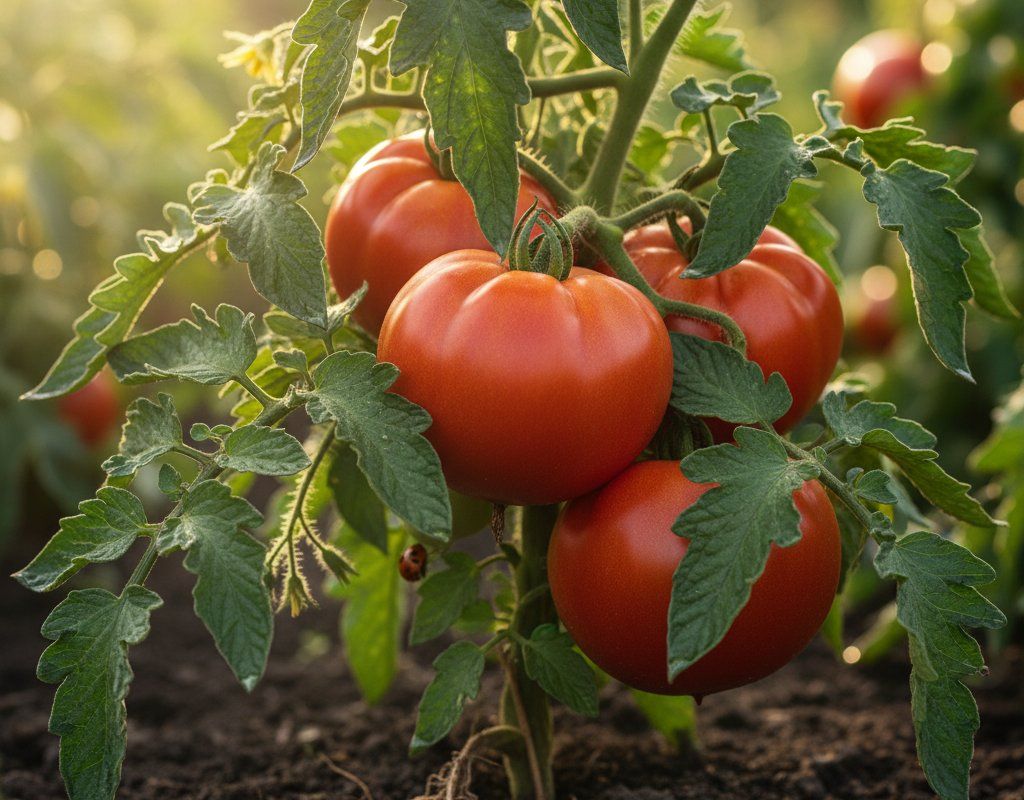
Beefsteak Tomatoes in Zone 4A — Mountain West
Solanum lycopersicum · Your Complete 2026 Planting Guide
Planning Ahead — Great!
You’re ahead of the season. Here’s when to start.
Mark Your Calendar
How to Plant Beefsteak Tomatoes in Zone 4A — Mountain West
Here are all your options for getting beefsteak tomatoes in the ground, from the easiest method to more advanced approaches.
Start Seeds Indoors
RecommendedMid April through early May
around April 22
Then transplant: Early June
Start seeds 6-8 weeks before transplanting outdoors.
Buy Starts
Works WellEarly June
around June 3
Plant purchased starts after last frost (May 20).
Direct Sow Seeds
ChallengingDirect sowing is not typical for Beefsteak Tomatoes.
Transplant Outdoors
Timing InfoEarly June
around June 3
Wait until nighttime temperatures stay above 50°F.
Plan to transplant within a few weeks of your target date.
Overview
Growing Beefsteak tomatoes in our Zone 4A Mountain climate rewards you with massive, meaty slicers that can weigh over a pound each. These giants thrive in our intense sunlight and benefit from our cool nights, which concentrate sugars and create exceptional flavor. The low humidity in our region means fewer disease issues than gardeners face elsewhere, making these large-fruited varieties more manageable here.
While our short 118-day growing season and late spring start present challenges for warm-season crops, Beefsteak tomatoes are absolutely doable with proper timing. Starting seeds indoors gives you the head start needed to ripen these big beauties before our mid-September frost arrives. The key is working with our mountain climate rather than fighting it.
Starting Seeds Indoors
Start your Beefsteak tomato seeds indoors from mid-April through early May, about 6 weeks before transplanting outdoors. This timing works perfectly with our late spring character, giving seedlings time to develop strong root systems while avoiding the risk of setting them out too early into unpredictable mountain weather.
Set up seed trays with a good quality seed starting mix and provide bottom heat around 70-75°F for faster germination. A heat mat underneath your trays works well in our cool spring homes. Once seedlings emerge, they need bright light - either a sunny south-facing window or grow lights positioned just inches above the plants.
Water from the bottom by placing seed trays in a larger tray of water, allowing the soil to absorb moisture without disturbing tiny seedlings. This prevents damping-off and encourages deeper root growth. Keep soil consistently moist but not waterlogged as your plants develop their first true leaves.
Transplanting Outdoors
Transplant your Beefsteak seedlings outdoors in early June, after our soil has warmed and nighttime lows stay consistently above 50°F. Don't rush this step - cold nights can shock tomato plants and set back growth for weeks, which you can't afford with our short season.
Harden off seedlings gradually over a full week by placing them outside for increasing periods each day. Start with just an hour or two in filtered light, building up to full sun exposure. Our intense UV and dry mountain air can quickly stress plants that aren't properly acclimated.
Space plants 36-48 inches apart to allow for proper air circulation and their eventual large size. Choose a spot with full sun and protection from prevailing winds. Plant slightly deeper than the seedlings were growing in their pots, burying part of the stem to encourage additional root development along the buried portion.
Watering Beefsteak Tomatoes in Zone 4A (Mountain West)
Beefsteak tomatoes demand consistent, deep watering throughout our dry mountain growing season. With only 10-20 inches of annual rainfall, you'll be the primary water source for these thirsty plants. Large fruit size means high water needs - inconsistent watering leads to cracking, catfacing, and bitter flavor.
Water deeply 2-3 times per week rather than light daily watering, providing about 1.5-2 inches total per week. Use the finger test: stick your finger 2 inches into the soil near the base of the plant. If it's dry at that depth, it's time to water. Our low humidity means soil dries out faster than in more humid climates.
Water at the base of plants rather than overhead to conserve moisture and prevent foliar diseases. Drip irrigation or soaker hoses work exceptionally well in our dry climate. Morning watering allows plants to absorb moisture before the intense midday sun hits.
Apply 3-4 inches of organic mulch around plants to retain soil moisture and moderate soil temperature swings. Straw, grass clippings, or shredded leaves work well in our low-humidity environment where mulch materials dry out rather than becoming soggy. Watch for signs of water stress: wilting during the heat of the day that doesn't recover by evening, or fruit that feels light for its size.
Supporting Your Beefsteak Tomatoes
Install sturdy tomato cages or thick stakes at planting time - Beefsteak varieties produce heavy fruit that can snap branches and topple unprepared plants. Choose cages at least 6 feet tall and made from heavy-gauge wire, or use 2-inch wooden stakes driven 18 inches deep.
For staking, tie plants loosely with soft materials like cloth strips or plant ties, creating a figure-eight pattern that won't cut into stems as they grow. Check and adjust ties regularly throughout the season as stems thicken and fruit develops.
Indeterminate Beefsteak plants keep growing and producing until frost, so your support system needs to handle plants that can reach 8 feet tall when happy. Our intense mountain sun helps these plants grow vigorously, making adequate support even more critical than in milder climates.
Pruning & Maintaining Beefsteak Tomatoes
Remove suckers (shoots growing between the main stem and branches) throughout the growing season to direct energy into fewer, larger fruit. Focus on removing suckers below the first flower cluster and any that develop in the lower third of the plant.
Strip off lower leaves as plants mature to improve air circulation and prevent soil-borne diseases from splashing up. Remove any yellowing or diseased foliage immediately. Our low humidity helps prevent most foliar diseases, but good sanitation practices still matter.
As mid-August approaches, top your plants by pinching out the growing tip 4-6 weeks before expected first frost. This forces the plant to put energy into ripening existing fruit rather than producing new flowers that won't have time to mature in our short season.
🧪Fertilizing Beefsteak Tomatoes
Feeding Schedule
Organic Fertilizer Options
Harvest Time
Your first Beefsteak tomatoes will be ready from late August through mid-September, about 85 days from transplanting. These varieties need warm soil and consistent heat to develop their full size and flavor, making them one of the last crops to mature in our mountain climate.
Harvest when tomatoes show deep, even color and yield slightly to gentle pressure when cupped in your hand. Don't wait for perfect softness - slightly underripe tomatoes will continue developing flavor and texture after picking. The stem end should still show some green, indicating the fruit isn't overripe.
Pick regularly to encourage continued production. Large tomatoes can weigh down branches to the breaking point, so harvest promptly when ready. Handle fruit carefully - these big beauties bruise easily and damaged fruit attracts insects and diseases.
As first frost approaches in mid-September, harvest all green fruit larger than a golf ball. Wrap individual green tomatoes in newspaper and store in a cool, dark place where they'll continue ripening over several weeks. You can extend your Beefsteak harvest well into October using this method, making the most of your short-season investment.
Common Problems in Zone 4A (Mountain West)
Cracking appears as splits in the tomato skin, either in concentric circles around the stem or as radial lines extending downward. The splits expose the fruit's flesh and create entry points for rot. Our dry mountain climate followed by heavy watering or sudden rain creates the perfect conditions for this problem. Water consistently to avoid the dry-wet cycle that causes rapid fruit expansion. Mulch heavily to maintain even soil moisture, and harvest fruit promptly when ripe rather than leaving them on the vine.
Catfacing shows up as deep crevices, scars, and deformities on the blossom end of tomatoes, making fruit lumpy and misshapen. This occurs when cool nighttime temperatures during flowering cause incomplete pollination - a common issue in our high-altitude climate where even summer nights can dip into the 40s. The fruit remains edible but looks rough. Plant after soil warms thoroughly and consider row covers during early cool spells to maintain warmer nighttime temperatures around plants.
Blossom end rot creates sunken, dark brown or black leathery patches on the bottom of fruit, often affecting the season's first tomatoes. This isn't a disease but a calcium deficiency triggered by inconsistent watering - the most common tomato problem in our dry climate. Water consistently and deeply, maintaining even soil moisture with mulch. Avoid over-fertilizing with nitrogen, which interferes with calcium uptake.
Slow ripening leaves you with large green tomatoes that won't turn red, even when other varieties are producing ripe fruit. Our cool nights and short season naturally slow ripening in large-fruited varieties like Beefsteak. Reduce nitrogen fertilizer after mid-summer, ensure plants receive full sun, and remove excess foliage that shades developing fruit. Use red plastic mulch to increase soil temperature, and plan to bring green fruit indoors before frost for continued ripening.
Mountain West Specific Challenges: Our intense UV can sunscald fruit, especially during hot, dry spells. Provide some afternoon shade during extreme heat waves. Hail is always a threat - have row covers ready to deploy quickly when storms approach. The combination of dry air and intense sun means these water-hungry plants need more frequent monitoring than in humid climates.
Best Companions for Beefsteak Tomatoes
Plant these nearby for healthier Beefsteak Tomatoes and better harvests.
View Full Companion Planting Chart →



Companion Planting Details
Plant basil alongside your Beefsteak tomatoes - it repels aphids and whiteflies while enhancing tomato flavor. Carrots make excellent companions since their deep taproots don't compete with tomato roots, and they help break up clay soil common in our mountain valleys. Parsley attracts beneficial insects that prey on tomato pests, while marigolds deter nematodes and add color to your garden beds.
Avoid planting brassicas like cabbage or broccoli near tomatoes, as they compete for similar nutrients and can stunt tomato growth. Keep fennel away from your tomato patch - it releases compounds that inhibit tomato growth. Corn creates too much shade for proper tomato development and attracts similar pests, making it a poor companion in our already short growing season where every bit of sun exposure matters.
🌸Best Flowers to Plant with Beefsteak Tomatoes
These flowers protect your Beefsteak Tomatoes from pests and attract pollinators for better harvests.


Get a Reminder When It's Time to Plant
We'll email you when key planting windows open for your zone.