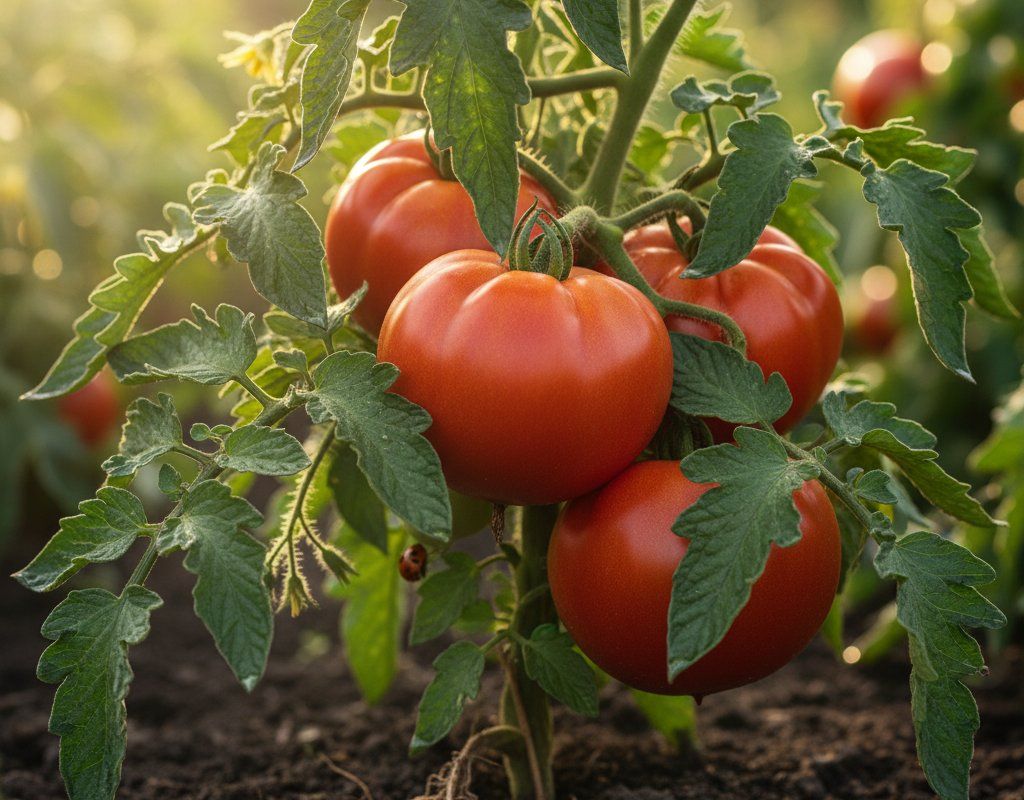
Beefsteak Tomatoes in Zone 5B — Midwest
Solanum lycopersicum · Your Complete 2026 Planting Guide
Planning Ahead — Great!
You’re ahead of the season. Here’s when to start.
Mark Your Calendar
How to Plant Beefsteak Tomatoes in Zone 5B — Midwest
Here are all your options for getting beefsteak tomatoes in the ground, from the easiest method to more advanced approaches.
Start Seeds Indoors
RecommendedLate March through mid April
around March 28
Then transplant: Early May through early June
Start seeds 6-8 weeks before transplanting outdoors.
Buy Starts
Works WellEarly May through early June
around May 9
Plant purchased starts after last frost (April 25).
Direct Sow Seeds
ChallengingDirect sowing is not typical for Beefsteak Tomatoes.
Transplant Outdoors
Timing InfoEarly May through early June
around May 9
Wait until nighttime temperatures stay above 50°F.
You have a nice window — no need to rush.
Overview
Beefsteak tomatoes are the crown jewel of any Midwest vegetable garden, delivering those massive, meaty slices that make summer sandwiches legendary. In our Zone 5B climate with its fertile soil and reliable summer heat, you can grow beefsteaks that rival anything from specialty stores — but with flavor that actually tastes like a tomato should. Our warm summers and adequate rainfall create ideal conditions for these heavy feeders to reach their full potential.
Yes, our Midwest weather keeps us on our toes with variable spring temperatures and the occasional late frost scare, but beefsteaks are surprisingly manageable when you time things right. With our 168-day growing season, you have plenty of time to start seeds indoors, wait for stable warm weather, and still harvest pounds of fruit before our first frost arrives in early October.
Starting Seeds Indoors
Start your beefsteak seeds indoors during late March through mid-April, about six weeks before you plan to transplant outside. This timing works perfectly with our moderate-to-late spring character — you'll have sturdy seedlings ready when the soil finally warms up consistently. Set up seed trays in a warm spot (70-75°F works well), and use a basic grow light or sunny south window for daily illumination.
Bottom watering works especially well for tomato seedlings since it encourages strong root development without disturbing the delicate stems. Fill a tray with about an inch of water and let your seed containers soak it up from below. Once your seedlings develop their first true leaves, you can start hardening them off gradually as transplant time approaches.
Our spring weather variability actually works in your favor here — if a late cold snap threatens, your plants are safely indoors where you control the environment. You're not racing against outdoor conditions like gardeners who direct-sow warm-season crops.
Transplanting Outdoors
Wait until early May through early June to transplant your beefsteak seedlings outdoors, when soil temperatures stay consistently above 60°F and nighttime lows remain above 50°F. In our zone, Memorial Day weekend has traditionally been the "safe" benchmark, though climate patterns are shifting slightly earlier. Spend a full week hardening off your seedlings with gradual outdoor exposure — start with two hours of morning sun and work up to full days outside.
Space your beefsteak plants 36-48 inches apart, which might seem excessive but trust the spacing. These indeterminate varieties will sprawl into massive plants by midsummer, and good air circulation prevents disease problems in our moderate-to-humid climate. Plant them slightly deeper than they were in their containers, burying part of the stem to encourage additional root development.
Watch the extended forecast carefully during transplant time. Our Midwest spring can throw curveballs with unexpected temperature drops or severe weather. Keep row covers handy for the first few weeks if storms threaten — young transplants are vulnerable to hail and strong winds that can arrive with little warning.
Watering Beefsteak Tomatoes in Zone 5B (Midwest)
Beefsteaks demand consistent, deep watering throughout our growing season, especially as those massive fruits develop. These aren't drought-tolerant plants — inconsistent water leads to cracking, catfacing, and blossom end rot. Check soil moisture by sticking your finger two inches deep; if it's dry, it's time to water thoroughly until you see water pooling on the surface.
During our typical wet-summer pattern with 30-40 inches of annual rainfall, you might think watering isn't necessary, but summer heat spells can quickly stress these plants between rain events. Plan on providing about 1-2 inches of water per week total, adjusting based on rainfall. Deep, infrequent watering works better than daily light sprinkles — you want to encourage deep root growth.
Water at the base of plants rather than overhead, especially given our moderate-to-humid summers. Wet foliage combined with humidity creates perfect conditions for fungal diseases like early blight. A soaker hose or drip irrigation works perfectly, or simply use a watering can directed at the soil around each plant.
Watch for signs of water stress: wilting during the heat of the day (even with adequate soil moisture), yellowing lower leaves, or fruit that develops dark spots or splits. Mulch heavily around plants with straw or grass clippings to maintain even soil moisture during our variable summer weather patterns.
Supporting Your Beefsteak Tomatoes
Install extra-sturdy cages or thick stakes at planting time, because beefsteak tomatoes become incredibly heavy once fruit production kicks in. Standard tomato cages from the garden center won't cut it — these indeterminate plants can reach 6-8 feet tall with individual fruits weighing over a pound. Use 6-foot tall, reinforced cages or drive 8-foot stakes deep into the ground with strong cloth ties.
The large fruit size puts enormous stress on branches, and they'll snap without warning if inadequately supported. As your plants grow, tie the main stems loosely to your support system every 12-18 inches, using soft materials that won't cut into the stems. You'll be grateful for sturdy support when summer storms roll through our area.
Consider the "Florida weave" method if you're growing multiple plants in a row — run strong twine between stakes to create a supportive web that grows with your plants. This works especially well in our region where severe weather can test any support system.
Pruning & Maintaining Beefsteak Tomatoes
Remove suckers (shoots growing between the main stem and branches) throughout the growing season to direct the plant's energy toward fewer, larger fruits rather than excessive foliage. Focus on suckers below the first flower cluster and any growing from the base of the plant. Leave some suckers on the upper part of the plant — beefsteaks need adequate leaf coverage to protect fruit from sunscald during our summer heat spells.
Strip away lower leaves once fruit clusters form higher up on the plant. This improves air circulation around the base, reducing disease pressure in our moderate-to-humid climate. Remove any leaves touching the ground, as these become entry points for soil-borne diseases common in our region's clay soil conditions.
As our first frost approaches in early October, stop all fertilizing in late August and pinch off new flower clusters. This forces the plant to ripen existing fruit rather than starting new ones that won't have time to mature. You want those final green tomatoes putting their energy into ripening before cold weather arrives.
🧪Fertilizing Beefsteak Tomatoes
Feeding Schedule
Organic Fertilizer Options
Harvest Time
Your first ripe beefsteaks should be ready during early August through mid-September, roughly 85 days from transplant. These varieties are naturally slower to ripen than smaller tomatoes, but the wait is worth it. Look for deep, rich color and fruit that gives slightly when you cup it gently in your hand — it should feel heavy and smell fragrant at the stem end.
Harvest promptly once tomatoes reach full color to encourage continued production and prevent overripe fruit from attracting pests. Cut or twist fruit from the vine carefully, supporting the branch to avoid damaging the plant. A single beefsteak plant can produce 10-15 pounds of fruit throughout the season if kept healthy and well-supported.
As temperatures start cooling in late September, harvest green tomatoes that show any hint of color change. These will ripen perfectly indoors on a sunny windowsill or in a paper bag with a banana. With our first frost typically arriving in early October, you'll want to clear all remaining fruit by late September to avoid losing your harvest to sudden cold snaps.
Don't be surprised if your final harvest includes massive green tomatoes that seem too good to waste — they make excellent fried green tomatoes or can ripen slowly indoors through November, extending your fresh tomato season well beyond what the garden provides.
Common Problems in Zone 5B (Midwest)
Cracking appears as splits in the tomato skin, either as concentric circles around the stem or radial lines extending downward. The splits expose the flesh inside, making fruit vulnerable to rot and insects. Our wet-summer rainfall pattern makes this especially common when heavy rains follow dry spells — the fruit absorbs water faster than the skin can expand. Maintain consistent soil moisture with mulch and harvest promptly when ripe. Choose crack-resistant varieties if this becomes a persistent problem.
Catfacing shows up as deep crevices, scars, and lumpy deformities on the blossom end of tomatoes, making them look misshapen and unmarketable. Cool temperatures during flowering cause incomplete pollination, and this problem hits large-fruited varieties like beefsteaks hardest. Our variable spring weather often triggers this when nighttime temperatures dip below 55°F during bloom time. Plant after soil stays consistently warm, and use row covers during cool snaps in early summer.
Blossom end rot appears as sunken, dark brown or black leathery patches on the bottom of fruits, often affecting the first tomatoes of the season. This isn't a disease but a calcium deficiency caused by inconsistent watering — the classic dry/flood cycle disrupts nutrient uptake. Water consistently and mulch heavily to maintain even soil moisture. Don't over-fertilize with nitrogen, which can interfere with calcium absorption.
Slow ripening leaves you with large green tomatoes that seem stuck, taking much longer than the expected 85 days to show color. Cool nighttime temperatures below 60°F, excessive nitrogen, or too much shade can all delay ripening. Our moderate-to-hot summer heat helps, but beefsteaks are naturally slower than smaller varieties. Reduce nitrogen fertilizing after midsummer, ensure full sun exposure, and remove excess foliage that shades developing fruit.
Midwest Specific Challenges: Our moderate-to-humid summers combined with clay soil create perfect conditions for fungal diseases, making proper spacing and air circulation crucial. Summer heat spells stress plants quickly between rain events, while our wet-summer pattern can trigger splitting problems. The combination of fertile soil and adequate moisture usually produces excellent beefsteaks, but consistent watering during dry periods becomes critical for preventing quality problems.
Best Companions for Beefsteak Tomatoes
Plant these nearby for healthier Beefsteak Tomatoes and better harvests.
View Full Companion Planting Chart →



Companion Planting Details
Plant basil near your beefsteaks — it supposedly improves flavor while repelling aphids and hornworms that commonly attack tomatoes in our region. Carrots make excellent companions since their deep taproots break up our heavy clay soil without competing for surface nutrients. Parsley and other herbs create a beneficial ecosystem that attracts predatory insects to control pests naturally.
Marigolds planted throughout the tomato patch help deter nematodes and other soil pests while adding color to your garden. Avoid planting brassicas (cabbage, broccoli) or fennel near tomatoes, as they can stunt growth or attract pests. Skip corn as a companion since both crops are heavy nitrogen feeders and will compete for nutrients in even our fertile Midwest soil. In our moderate-to-humid climate, focus on companions that improve air circulation rather than creating dense plantings that trap moisture.
🌸Best Flowers to Plant with Beefsteak Tomatoes
These flowers protect your Beefsteak Tomatoes from pests and attract pollinators for better harvests.


Get a Reminder When It's Time to Plant
We'll email you when key planting windows open for your zone.