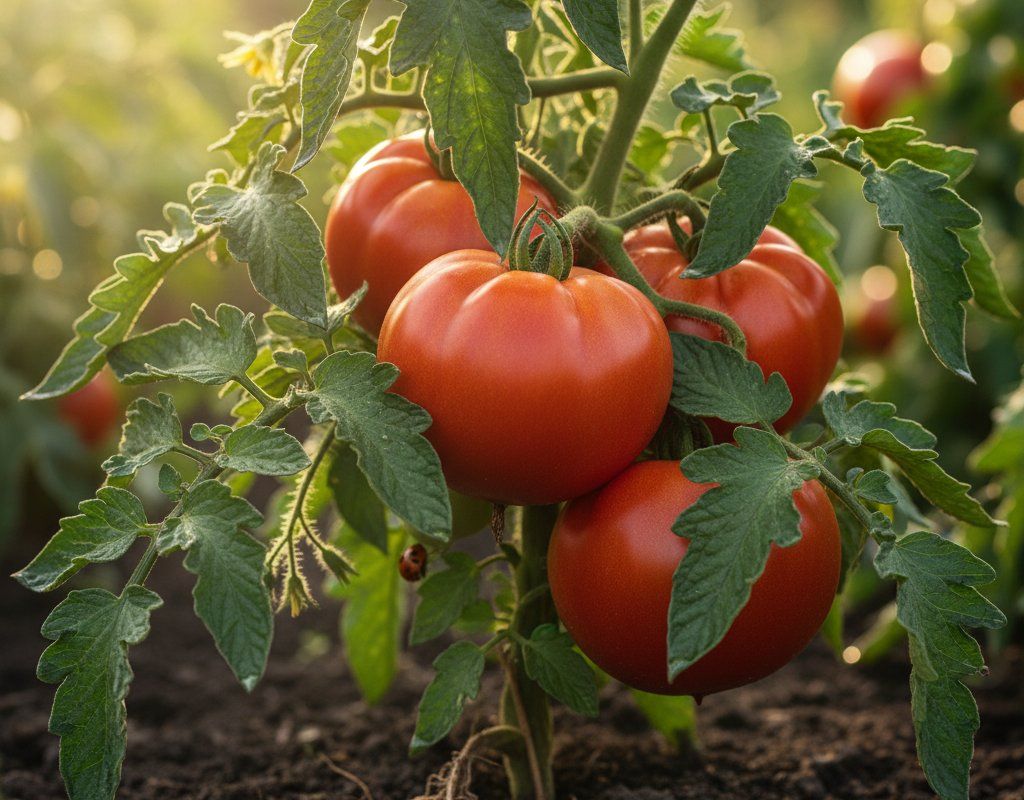
Beefsteak Tomatoes in Zone 6A — Northeast
Solanum lycopersicum · Your Complete 2026 Planting Guide
Planning Ahead — Great!
You’re ahead of the season. Here’s when to start.
Mark Your Calendar
How to Plant Beefsteak Tomatoes in Zone 6A — Northeast
Here are all your options for getting beefsteak tomatoes in the ground, from the easiest method to more advanced approaches.
Start Seeds Indoors
RecommendedMid March through early April
around March 23
Then transplant: Early May through early June
Start seeds 6-8 weeks before transplanting outdoors.
Buy Starts
Works WellEarly May through early June
around May 4
Plant purchased starts after last frost (April 20).
Direct Sow Seeds
ChallengingDirect sowing is not typical for Beefsteak Tomatoes.
Transplant Outdoors
Timing InfoEarly May through early June
around May 4
Wait until nighttime temperatures stay above 50°F.
You have a nice window — no need to rush.
Overview
Beefsteak tomatoes are the crown jewel of Northeast gardens, producing massive fruit that can weigh over a pound each. These meaty, low-acid tomatoes are perfect for thick sandwich slices and fresh eating, giving you that satisfying taste that store-bought varieties simply can't match. Our cool Northeast nights actually improve their flavor development, creating that perfect balance of sweetness and acidity that makes homegrown beefsteaks so special.
While our short growing season and late spring frosts can seem challenging for these heat-loving plants, the timing works out perfectly with our 178-day growing season. Starting seeds indoors in mid-March gives your plants the head start they need to produce those impressive fruits before our first fall frost arrives in mid-October. The key is working with our Northeast climate, not against it.
Starting Seeds Indoors
Start your beefsteak tomato seeds indoors from mid-March through early April, giving them about 6 weeks to develop before transplanting. Our late Northeast spring means you can't rush this process – those seedlings need to be strong and sturdy before facing our unpredictable spring weather. Set up your seed trays in a warm spot (65-75°F works well) and provide 12-14 hours of light daily using grow lights or a sunny south-facing window.
Use bottom watering to keep the soil consistently moist without disturbing the seeds or encouraging damping-off disease. Fill a tray with water and let your seed containers sit in it for 10-15 minutes, then drain. This method works especially well for tomatoes since it encourages strong root development.
Once your seedlings develop their first true leaves, transplant them into individual 4-inch pots. Keep them growing strong indoors while you wait for our soil to warm up and the threat of late frost to pass.
Transplanting Outdoors
Transplant your beefsteak tomatoes outdoors from early May through early June, after all danger of frost has passed and soil temperatures stay consistently above 55°F. In our Zone 6A Northeast climate, this timing ensures your plants won't get shocked by unexpected cold snaps that can stunt their growth for weeks.
Harden off your seedlings gradually over 7-10 days before transplanting. Start with just an hour of morning sun, then gradually increase their outdoor time and exposure to wind and direct sunlight. Our variable spring weather makes this step crucial – rushing the process often results in transplant shock that sets plants back significantly.
Space your beefsteak plants 36-48 inches apart to accommodate their large, sprawling growth habit. These indeterminate varieties will grow 6-8 feet tall with proper support, and the wide spacing improves air circulation in our often humid summer conditions. Plant them deep, burying 2/3 of the stem to encourage strong root development.
Watering Beefsteak Tomatoes in Zone 6A (Northeast)
Beefsteak tomatoes are thirsty plants that need consistent, deep watering to support their massive fruit production. Plan to provide about 1-2 inches of water per week, either from rainfall or irrigation – and with our Northeast receiving 40-50 inches annually, you'll often get natural help from summer thunderstorms.
The key is consistency rather than quantity. Use the finger test: stick your finger 2 inches into the soil near the plant base. If it's dry at that depth, it's time to water deeply. Water at the base of plants rather than overhead – our moderate-to-humid summer conditions can encourage disease when leaves stay wet too long.
Watch for signs of water stress: wilting during the heat of the day (normal), yellowing lower leaves (often underwatering), or cracking fruit (inconsistent watering cycles). Our moderate summer temperatures (typically peaking around 82°F) mean plants won't be as stressed as in hotter climates, but those large fruits still demand steady moisture to develop properly.
Apply 2-3 inches of mulch around plants to maintain even soil moisture and reduce watering frequency. Straw, shredded leaves, or grass clippings work well in our climate and help buffer against both dry spells and heavy downpours that can cause root problems.
Supporting Your Beefsteak Tomatoes
Install sturdy support systems at planting time, before your beefsteak plants get established. These indeterminate varieties grow 6-8 feet tall and produce fruit that can weigh over a pound each – standard tomato cages simply won't handle the load. Use extra-heavy cages (at least 6 feet tall) or drive sturdy stakes (2x2 inch posts work well) deep into the ground.
For staking, tie the main stem loosely with soft materials like cloth strips or tomato ties every 12-18 inches as the plant grows. Make figure-eight ties that support the stem without cutting into it. The weight of mature beefsteak fruit can snap branches unexpectedly, especially after rain when the fruit absorbs extra water.
Consider using a combination approach: stake the main stem and add horizontal supports between stakes to catch heavy fruit-laden branches. This is particularly important in our region where summer thunderstorms can topple unsupported plants just as the fruit is reaching maturity.
Pruning & Maintaining Beefsteak Tomatoes
Remove suckers (shoots growing between the main stem and branches) regularly throughout the growing season to direct the plant's energy into fewer, larger fruits. For beefsteaks, this is especially important since you want maximum size rather than quantity. Pinch or cut suckers when they're small – under 4 inches long – to avoid stressing the plant.
Remove the lowest set of leaves once fruit begins forming to improve air circulation around the base of the plant. This helps prevent disease in our sometimes humid summer conditions. Continue removing yellowing or diseased leaves throughout the season, always using clean tools to prevent spreading problems.
As our first frost approaches in mid-October, top your plants by pinching out the growing tips. This forces the plant to put all remaining energy into ripening existing fruit rather than producing new flowers. Start this process in late August to early September to give green fruit time to mature before cold weather arrives.
🧪Fertilizing Beefsteak Tomatoes
Feeding Schedule
Organic Fertilizer Options
Harvest Time
Your first beefsteak tomatoes will typically be ready from late July through mid-September, about 85 days after transplanting. Look for fruits that have developed their full color (deep red for most varieties) and give slightly when cupped gently in your palm. The shoulders should have lost their green tinge, and the fruit should have a slight give when pressed softly.
Harvest by twisting and pulling upward, or use clean scissors to cut the stem. Pick regularly to encourage continued production – leaving overripe fruit on the plant signals it to slow down production. Check plants every 2-3 days during peak season, as these large fruits can go from perfect to overripe quickly.
As our growing season winds down and nighttime temperatures start dropping into the 50s (usually by late September), harvest green fruits that have reached full size. These will ripen indoors on a windowsill or countertop. Wrap individual fruits in newspaper and store in a cool, dark place to slow ripening if you want to extend your harvest into November.
When the first frost warning appears (typically mid-October in our area), harvest all remaining fruit regardless of ripeness. Even small green tomatoes can be used for fried green tomatoes or green tomato relish, so nothing needs to go to waste.
Common Problems in Zone 6A (Northeast)
Cracking Splits appear in the tomato skin, either in concentric circles around the stem or as lines radiating outward. The cracks can expose flesh to rot and make fruit unusable. This happens when heavy watering or rain follows a dry period – the fruit absorbs water faster than the skin can expand. Water consistently throughout the season to avoid dry-wet cycles, and mulch heavily to maintain even moisture. Our Northeast summer thunderstorms can trigger this problem, so consistent irrigation between storms is key.
Catfacing Deep crevices, scars, and lumpy deformities appear on the blossom end of fruits, making them look misshapen but still edible. Cool temperatures during flowering (below 55°F at night) cause incomplete pollination, which is common with early plantings in our region. Wait until soil and air temperatures are consistently warm before transplanting, or use row covers to protect early plantings from cool nights. Beefsteak varieties are particularly prone to this problem.
Blossom End Rot Dark, sunken, leathery patches develop on the bottom of fruits, often affecting the first tomatoes of the season. This isn't a disease but a calcium deficiency caused by inconsistent watering – the plant can't uptake calcium when soil moisture fluctuates. Maintain consistent moisture with regular deep watering and 3-inch mulch layers. Our rocky New England soil can complicate calcium availability, so focus on consistent watering rather than soil amendments.
Slow to Ripen Large green fruits refuse to turn red even well past the expected maturity date. Cool temperatures (especially nights below 60°F), too much nitrogen fertilizer, or insufficient sunlight all slow ripening. In our shorter season, this can be frustrating. Reduce nitrogen fertilizing after mid-July, ensure plants get full sun, and remove excess foliage shading fruit. Use red plastic mulch to increase soil warmth, and bring green fruits indoors before frost threatens.
Northeast Specific Challenges: Our moderate summer temperatures and moderate-to-humid conditions actually benefit beefsteaks compared to hotter regions, but the short growing season means timing is everything. Focus on consistent watering during our variable weather patterns, and be prepared to ripen fruit indoors as fall approaches.
Best Companions for Beefsteak Tomatoes
Plant these nearby for healthier Beefsteak Tomatoes and better harvests.
View Full Companion Planting Chart →



Companion Planting Details
Plant basil near your beefsteak tomatoes – it naturally repels aphids and whiteflies while improving tomato flavor, and both crops thrive in our warm, humid summer conditions. Carrots make excellent ground-level companions since their roots don't compete with tomato roots, and they help break up our often compacted Northeast soil. Parsley planted around the base provides living mulch and attracts beneficial insects that prey on tomato pests.
Avoid planting brassicas (cabbage, broccoli, cauliflower) near tomatoes as they compete for similar nutrients and can stunt each other's growth. Keep fennel far away – it inhibits tomato growth through chemical compounds in its roots. Corn is also a poor companion since both crops are heavy feeders that will compete intensely for nutrients in our often rocky, less fertile soils.
🌸Best Flowers to Plant with Beefsteak Tomatoes
These flowers protect your Beefsteak Tomatoes from pests and attract pollinators for better harvests.


Get a Reminder When It's Time to Plant
We'll email you when key planting windows open for your zone.