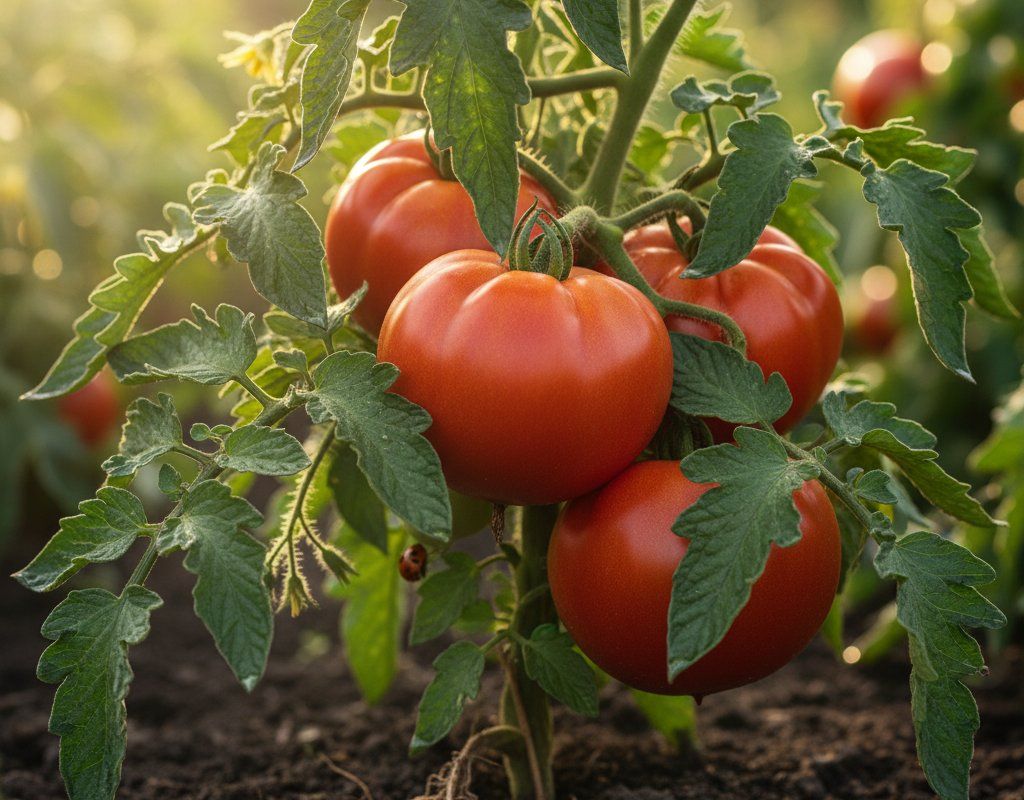
Beefsteak Tomatoes in Zone 7A — Mid-Atlantic
Solanum lycopersicum · Your Complete 2026 Planting Guide
Ideal Time: Start Seeds Indoors!
This is the perfect time for the biggest, best harvest.
Start Seeds Now
- Start seeds in trays or pots with seed-starting mix
- Keep soil moist and warm (70-80°F)
- Transplant outdoors Mid April through mid May
Not Starting from Seed?
Buy starts around April 19 — that works great too!
How to Plant Beefsteak Tomatoes in Zone 7A — Mid-Atlantic
Here are all your options for getting beefsteak tomatoes in the ground, from the easiest method to more advanced approaches.
Start Seeds Indoors
RecommendedEarly to late March
around March 8
Then transplant: Mid April through mid May
Start seeds 6-8 weeks before transplanting outdoors.
Buy Starts
Works WellMid April through mid May
around April 19
Plant purchased starts after last frost (April 5).
Direct Sow Seeds
ChallengingDirect sowing is not typical for Beefsteak Tomatoes.
Transplant Outdoors
Timing InfoMid April through mid May
around April 19
Wait until nighttime temperatures stay above 50°F.
You have a nice window — no need to rush.
Overview
Beefsteak tomatoes are the crown jewel of the Mid-Atlantic summer garden, producing massive, meaty fruits that can weigh over a pound each. Our humid summers and reliable rainfall create ideal conditions for these giants, while the 208-day growing season gives them plenty of time to develop their legendary flavor and size. Nothing beats slicing into a warm, garden-fresh beefsteak tomato for the ultimate summer sandwich.
While our variable spring weather and clay soil can pose challenges, proper timing makes growing these beauties quite manageable here in Zone 7A. The key is starting seeds indoors to get ahead of our sometimes unpredictable spring, then transplanting when soil has truly warmed and the threat of late frost has passed.
Starting Seeds Indoors
Start your beefsteak tomato seeds indoors during early to late March, about 6 weeks before your planned transplant date. Our moderate spring start means you have flexibility within this window - if March weather looks particularly harsh, lean toward the later end of this range.
Set up seed trays with quality seed-starting mix and keep them consistently warm (70-75°F) for best germination. A heat mat under the trays helps significantly. Once seedlings emerge, provide strong light from grow lights or a sunny south-facing window. Bottom watering works best to prevent damping-off disease - set trays in shallow water and let the soil draw it up from below.
Plan to pot up seedlings into larger containers (4-inch pots work well) when they develop their second set of true leaves. This gives them room to develop strong root systems before facing the outdoor world.
Transplanting Outdoors
Transplant your beefsteak seedlings outdoors from mid-April through mid-May, but watch the weather carefully. Our spring temperature swings can catch you off guard - wait until nighttime temperatures consistently stay above 50°F and soil has warmed to at least 60°F.
Harden off seedlings gradually over one week by setting them outside for increasingly longer periods, starting with just an hour or two in a protected spot. This prevents transplant shock when they face our variable spring conditions full-time. Space plants 36-48 inches apart - these indeterminate varieties will sprawl significantly and need good air circulation in our humid climate.
Choose your transplant timing carefully within that mid-April to mid-May window. If you're seeing warm spells but cold nights are still forecast, wait. Beefsteak tomatoes are particularly sensitive to cold stress, which can cause poor fruit development later in the season.
Watering Beefsteak Tomatoes in Zone 7A (Mid-Atlantic)
Beefsteak tomatoes demand consistent, deep watering throughout our growing season, especially given their massive fruit size. These plants need about 2 inches of water weekly, counting both rainfall and irrigation. Our Mid-Atlantic climate provides good baseline moisture with 40-50 inches of annual rainfall, but summer dry spells still require supplemental watering.
Use the finger test to check soil moisture - stick your finger 2 inches deep near the base of the plant. If it's dry at that depth, it's time to water deeply. During our moderate-to-hot summers (typical highs around 88°F), you'll likely need to water 2-3 times per week, more during heat waves. Water slowly at the base of plants rather than overhead - our humid conditions already encourage fungal diseases, so keeping foliage dry helps prevent problems.
Watch for signs of water stress: wilting during the heat of the day (normal), but also wilting in morning or evening (concerning), and especially fruit cracking after heavy rain following dry spells. Underwatered beefsteak tomatoes produce smaller, tougher fruit and are prone to blossom end rot.
Apply 3-4 inches of organic mulch around plants to maintain consistent soil moisture and reduce your watering workload. In our clay soils, this also helps improve drainage during our periodic heavy downpours while retaining moisture during dry stretches.
Supporting Your Beefsteak Tomatoes
Install extra-sturdy support systems at planting time for beefsteak tomatoes - their indeterminate growth habit and massive fruits (often over a pound each) will test any structure. Heavy-duty tomato cages at least 6 feet tall work well, or use thick wooden stakes (2x2 inches minimum) driven 2 feet deep with strong ties every 12 inches up the stem.
Many gardeners find that combining both methods works best: a sturdy cage for overall structure with additional stakes for extra support. Use soft ties like cloth strips or tomato clips rather than wire, which can cut into stems as plants grow and sway in summer storms.
Train the main stem up your support structure and tie it loosely but securely. As heavy fruit clusters develop, you may need to provide additional support directly under fruit clusters using slings made from old pantyhose or cloth strips tied to your main support structure.
Pruning & Maintaining Beefsteak Tomatoes
Remove suckers (shoots growing between the main stem and branches) regularly throughout the growing season to direct the plant's energy into fewer, larger fruits. For beefsteak varieties, this is especially important since you want maximum size rather than quantity. Pinch out suckers when they're small and soft - they snap off easily by hand.
Remove lower leaves that touch the ground or grow within 12 inches of soil level to improve air circulation in our humid climate. This helps prevent fungal diseases that thrive in our summer moisture. Continue removing yellowing or diseased leaves throughout the season, always using clean pruning shears for thicker stems.
As we approach our first frost date in late October, top the plants by removing growing tips. This forces energy into ripening existing fruit rather than producing new flowers that won't have time to mature. About 6-8 weeks before expected frost, stop all pruning to let the plant focus entirely on ripening.
🧪Fertilizing Beefsteak Tomatoes
Feeding Schedule
Organic Fertilizer Options
Harvest Time
Expect your first beefsteak tomatoes from mid-July through late August, depending on when you transplanted and spring weather patterns. The 85-day maturity countdown starts from transplant date, not seed starting. These giants take their time - patience pays off with incredible flavor and size.
Harvest when fruits develop deep, rich color but still feel slightly firm when you cup them gently in your hand. Beefsteaks can weigh so much that they'll pull branches down or even snap stems if left too long. The perfect beefsteak gives just slightly to gentle pressure and has developed full color except perhaps around the stem area.
Twist and pull gently, or cut the stem with clean shears to avoid damaging the plant. Harvest regularly to encourage continued production - leaving overripe fruit on the plant signals it to stop producing new flowers. Check plants every 2-3 days during peak season.
As our first frost approaches in late October, harvest all remaining green fruits larger than golf ball size. Beefsteaks ripen well indoors - wrap individual fruits in newspaper and store in a cool, dark place, checking weekly. They'll continue ripening for several weeks, giving you fresh tomatoes well into November.
Common Problems in Zone 7A (Mid-Atlantic)
Cracking appears as splits in the tomato skin, either in concentric circles around the stem or as radial lines from the stem. Our Mid-Atlantic rainfall patterns - periods of dry weather followed by heavy downpours - create perfect conditions for this problem. The fruit absorbs water faster than the skin can expand. Prevent cracking by maintaining consistent soil moisture with mulch and regular watering, avoiding the dry-then-wet cycles that cause skin to split.
Catfacing shows up as deep crevices, scars, and lumpy deformities on the blossom end of tomatoes, making them look scarred and misshapen. This happens when cool temperatures during flowering (below 60°F at night) cause incomplete pollination. Our variable spring weather makes this common if you transplant too early. Wait until nighttime temperatures consistently stay above 55°F before transplanting, and use row covers during unexpected cool snaps.
Blossom end rot appears as sunken, dark brown or black leathery patches on the bottom of fruits, often affecting the first tomatoes of the season. Despite our generally adequate rainfall, inconsistent watering triggers this calcium deficiency problem. Clay soils common in our region can worsen the issue by making calcium less available. Fix this with consistent deep watering and heavy mulching - it's the single most effective solution.
Slow ripening means large green tomatoes that seem stuck in limbo, taking much longer than the expected 85 days. Our humid conditions and clay soils can contribute by encouraging excess foliage growth that shades fruit. Ensure plants get full sun (6-8 hours), reduce nitrogen fertilizer which promotes leaves over fruit, and prune excess foliage blocking sunlight from reaching developing tomatoes.
Our Mid-Atlantic climate presents unique challenges for beefsteak tomatoes: the humidity encourages fungal diseases, deer pressure is significant, and Japanese beetles can damage plants. However, our reliable rainfall and four distinct seasons create excellent growing conditions when you time everything properly.
Best Companions for Beefsteak Tomatoes
Plant these nearby for healthier Beefsteak Tomatoes and better harvests.
View Full Companion Planting Chart →



Companion Planting Details
Plant basil alongside your beefsteak tomatoes - it naturally repels aphids and spider mites while enhancing the tomatoes' flavor. Carrots make excellent companions since their deep taproots break up clay soil and don't compete for surface nutrients. Parsley attracts beneficial insects that help with pollination and pest control. Marigolds planted around the tomato patch deter nematodes in the soil and many flying pests, plus they add cheerful color to your garden.
Avoid planting brassicas (cabbage, broccoli, kale) near tomatoes as they can stunt tomato growth and attract pests that also damage tomatoes. Fennel secretes compounds that inhibit tomato growth, and corn creates too much shade while attracting similar pests. In our humid Mid-Atlantic climate, proper spacing and companion choices become even more important for air circulation and pest management.
🌸Best Flowers to Plant with Beefsteak Tomatoes
These flowers protect your Beefsteak Tomatoes from pests and attract pollinators for better harvests.


Get a Reminder When It's Time to Plant
We'll email you when key planting windows open for your zone.