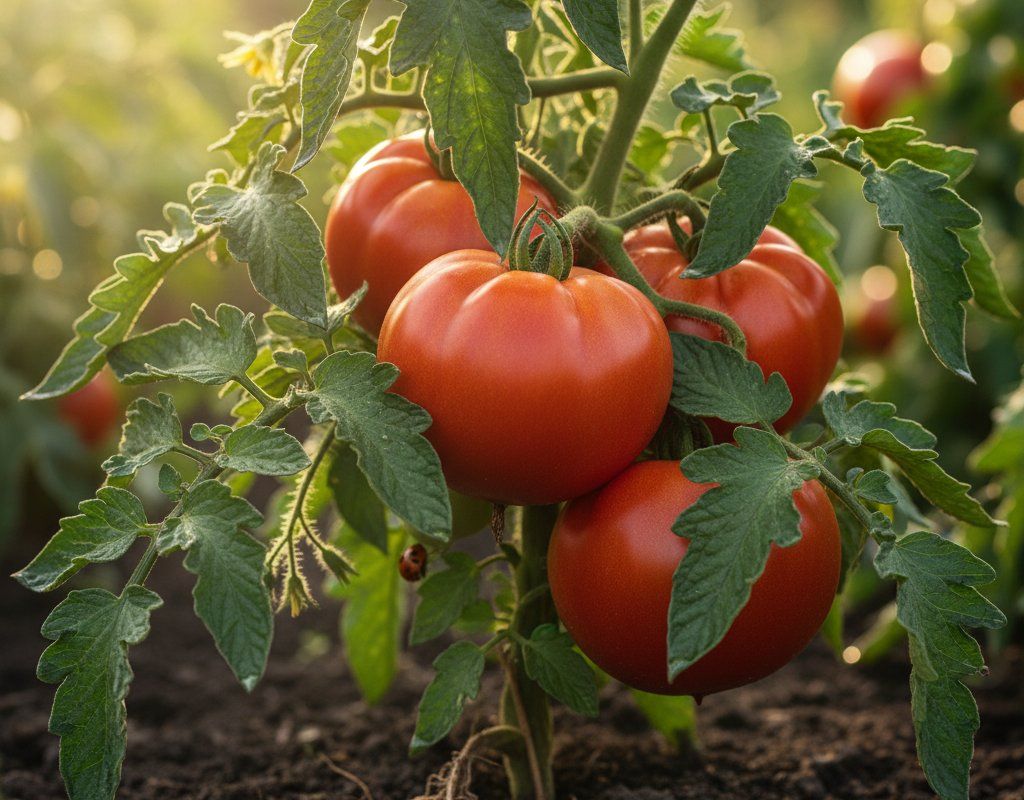
Beefsteak Tomatoes in Zone 8A — Texas
Solanum lycopersicum · Your Complete 2026 Planting Guide
Missed Seed Starting? No Problem!
Wait for starts to become available.
What to Do
Starts will be available at nurseries in 15 days (around March 19).
How to Plant Beefsteak Tomatoes in Zone 8A — Texas
Here are all your options for getting beefsteak tomatoes in the ground, from the easiest method to more advanced approaches.
Start Seeds Indoors
RecommendedLate January through mid February
around February 5
Then transplant: Mid March through mid April
Start seeds 6-8 weeks before transplanting outdoors.
Buy Starts
Works WellMid March through mid April
around March 19
Plant purchased starts after last frost (March 5).
Direct Sow Seeds
ChallengingDirect sowing is not typical for Beefsteak Tomatoes.
Transplant Outdoors
Timing InfoMid March through mid April
around March 19
Wait until nighttime temperatures stay above 50°F.
You have a nice window — no need to rush.
Overview
Beefsteak tomatoes are the giants of the tomato world, producing massive 1-2 pound fruits that make unforgettable sandwiches and provide enough slices to share with neighbors. In Zone 8A Texas, these meaty varieties thrive in our early spring warmth and can produce impressive harvests before the brutal Texas heat shuts them down for the summer. Your 260-day growing season gives you the luxury of starting early indoors, enjoying a solid spring harvest, and even attempting a fall crop if you're willing to gamble with timing.
Texas weather throws curveballs at every turn, but beefsteak tomatoes are surprisingly manageable when you work with our climate instead of against it. The key is getting them established early enough to beat the worst summer heat while avoiding those sneaky late freezes that can wipe out transplants overnight. With proper timing and consistent watering, these indeterminate plants will reward your patience with tomatoes so large and flavorful that store-bought varieties will taste like cardboard in comparison.
Starting Seeds Indoors
Starting beefsteak tomatoes from seed indoors is essential in Texas since direct sowing simply won't work with our unpredictable spring weather patterns. Begin sowing seeds late January through mid-February, about 6 weeks before your planned transplant date. This timing takes advantage of our early spring character while ensuring plants are sturdy enough to handle whatever March and April throw at them.
Set up your seed trays in a warm location where temperatures stay consistently between 70-80°F. Bottom watering works best for tomato seeds – place seed trays in shallow water and let the soil absorb moisture from below rather than watering from above, which can disturb tiny seeds or cause damping-off disease. Once seedlings emerge, they'll need strong light from either a south-facing window or grow lights positioned 2-3 inches above the plants.
Keep seedlings slightly on the dry side once they're established, watering only when the top inch of soil feels dry. This encourages strong root development and prevents the leggy growth that plagued indoor plants. By the time mid-March arrives, your beefsteak seedlings should be 6-8 inches tall with thick stems, ready to face whatever Texas spring weather has in store.
Transplanting Outdoors
Plan to transplant your beefsteak tomatoes mid-March through mid-April, timing it with our last average frost date but staying flexible based on actual weather patterns. Texas springs are notoriously unpredictable, so watch the 10-day forecast carefully before committing your plants to the ground. A surprise late freeze can undo weeks of careful indoor growing in a single night.
Hardening off is critical in Texas since the transition from indoor comfort to outdoor conditions can shock plants badly. Start the process about a week before transplanting by placing seedlings outside for just 2-3 hours in morning sun, gradually increasing exposure time and intensity each day. By week's end, they should handle full sun and wind without wilting.
Space beefsteak plants 36-48 inches apart – these indeterminate varieties will grow massive by summer's end, and crowded plants struggle in our humid conditions. Plant deeply, burying 2/3 of the stem to encourage strong root development. If nights are still dipping below 50°F regularly, consider using Wall O' Water or row covers for the first few weeks until consistent warmth arrives.
Watering Beefsteak Tomatoes in Zone 8A (Texas)
Beefsteak tomatoes are water hogs, demanding consistent deep irrigation throughout their growing season to produce those massive fruits without cracking or developing blossom end rot. In Texas, this means you're fighting both our unpredictable rainfall patterns and the reality that once summer hits, natural precipitation often disappears for weeks at a time. Plan on providing 1.5-2 inches of water weekly through a combination of rainfall and supplemental irrigation.
During spring establishment, check soil moisture by sticking your finger 2 inches deep near the base of plants. If it feels dry at that depth, it's time to water deeply and slowly, soaking the root zone thoroughly rather than giving frequent shallow drinks. As temperatures climb toward our typical 97°F summer highs, increase watering frequency but maintain the deep, slow approach that encourages roots to grow down rather than staying shallow.
Water at the base of plants rather than overhead, especially during our humid periods when wet foliage invites fungal problems. Soaker hoses or drip irrigation work perfectly for this, delivering water exactly where it's needed without wasting a drop. During July and August heat waves, you might need to water every other day or even daily if plants show wilting in morning hours.
Apply 3-4 inches of organic mulch around plants to help maintain consistent soil moisture and moderate soil temperature swings. In Texas, inconsistent watering is the fastest way to ruin a beefsteak crop through fruit cracking, catfacing, and blossom end rot. Signs of underwatering include wilting during cooler morning hours, while overwatering shows up as yellowing lower leaves and stunted growth.
Supporting Your Beefsteak Tomatoes
Beefsteak tomatoes absolutely require sturdy support since mature plants can reach 6-8 feet tall and produce dozens of heavy fruits weighing up to 2 pounds each. Standard tomato cages from the garden center won't cut it – you need either extra-heavy-duty cages at least 6 feet tall or thick wooden stakes (2x2 inches minimum) driven deep into the ground. The weight of mature beefsteak fruit can snap branches and topple inadequate supports without warning.
Install support systems at planting time to avoid disturbing established roots later. For staking, tie plants loosely with soft materials like cloth strips or tomato clips, creating a figure-8 pattern that supports the stem without cutting into it as it grows. Check and adjust ties monthly since Texas heat spurts can cause rapid growth that outgrows supports quickly.
Train the main stem upward and secure major branches that develop heavy fruit clusters. Beefsteak varieties are indeterminate, meaning they'll keep growing taller until frost kills them, so you'll be tying and adjusting support throughout the growing season. Don't wait until branches start bending under fruit weight – by then it's often too late to prevent damage.
Pruning & Maintaining Beefsteak Tomatoes
Beefsteak tomatoes benefit from selective pruning to channel their energy into producing fewer but larger fruits rather than sprawling into an unmanageable jungle. Focus on removing suckers – the shoots that emerge from the junction between main stems and branches. While you don't need to remove every single sucker, eliminate the vigorous ones that compete directly with fruit production, especially those growing below the first flower cluster.
Remove lower leaves that touch the ground or show signs of disease, maintaining good air circulation around the base of plants. This becomes especially important during Texas's humid periods when fungal problems can explode overnight. As plants mature, continue removing yellowing or diseased foliage throughout the growing season, but leave healthy upper leaves that provide energy for fruit development.
In late summer, around early to mid-August, consider "topping" your beefsteak plants by pinching out the growing tip. This forces energy into ripening existing fruits before our first frost arrives in mid-November. Any flowers that appear after early September are unlikely to produce mature fruit anyway, so removing them helps concentrate the plant's remaining energy where it counts.
🧪Fertilizing Beefsteak Tomatoes
Feeding Schedule
Organic Fertilizer Options
Harvest Time
Your first beefsteak tomatoes should be ready for harvest mid-June through late July, about 85 days from transplanting. In Texas, timing often works perfectly since you'll get your main harvest before the worst summer heat sets in. Look for fruits that have developed their full deep color – usually deep red for most varieties – and give slightly when cupped gently in your hand.
The "shoulder" area around the stem should lose its green color completely, and ripe beefsteak tomatoes will practically fall into your hand with gentle lifting and twisting. Don't wait until fruits are soft all over, as they'll be overripe and won't store well. Harvest in early morning when fruits are cool and firm from overnight temperatures.
Continue checking plants every 2-3 days during peak season since beefsteak varieties ripen unevenly and individual fruits can go from perfect to overripe quickly in Texas heat. Twist fruits gently from the vine rather than pulling, which can damage both fruit and plant. Regular harvesting encourages continued production throughout the growing season.
As your first frost approaches in mid-November, harvest all remaining green fruits that are at least half-sized. These will ripen indoors over several weeks when stored in a cool, dark place. Wrap individual green tomatoes in newspaper or place them in shallow boxes, checking weekly and removing any that show signs of rot.
Common Problems in Zone 8A (Texas)
Cracking appears as splits in the tomato skin, either in concentric circles around the stem or as radiating lines from top to bottom. You'll see the fruit flesh exposed through these cracks, making them vulnerable to rot and insects. This problem strikes beefsteak varieties hard because their large size makes them especially susceptible to rapid water uptake after dry periods. Texas's unpredictable rainfall patterns – going from drought to flash floods overnight – create perfect conditions for cracking. Maintain consistent soil moisture through mulching and regular deep watering, avoid the feast-or-famine watering cycle that causes rapid fruit expansion, and harvest promptly when fruits reach maturity.
Catfacing shows up as deep grooves, scars, and deformities on the blossom end of tomatoes, making them look lumpy and misshapen instead of smooth and round. The fruit develops deep crevices and puckered areas that make it look almost alien. Cool nighttime temperatures during flowering cause incomplete pollination, which is common when Texas gardeners plant too early trying to beat the heat. Beefsteak varieties are particularly prone to this problem due to their large flower size. Avoid transplanting when nighttime temperatures regularly drop below 55°F, use row covers during cool snaps in early spring, and accept that catfaced tomatoes are perfectly edible despite their ugly appearance.
Blossom end rot appears as a sunken, dark brown or black leathery patch on the bottom of developing fruits. It often affects the first fruits of the season and can ruin entire clusters. This isn't a disease but a calcium deficiency caused by inconsistent watering – the plant can't uptake calcium properly when soil moisture swings between drought and flood conditions. Texas heat and unpredictable rainfall make this problem especially common here. Water consistently and deeply rather than in short bursts, mulch heavily to maintain even soil moisture, and avoid over-fertilizing with nitrogen which interferes with calcium uptake.
Slow ripening means your beefsteak tomatoes stay stubbornly green long past their expected 85-day maturity date. Fruits reach full size but refuse to develop color, leaving you with baseball-sized green tomatoes well into summer. Excessive nitrogen fertilization, insufficient sunlight from overgrown plants, or consistently cool nighttime temperatures can all slow ripening. Beefsteak varieties are naturally slower to ripen than smaller tomatoes. Reduce nitrogen fertilizer applications after initial plant establishment, prune excess foliage to allow sunlight to reach developing fruits, and be patient – these large fruits need time to develop their full flavor.
Texas Specific Challenges: Our extreme summer heat often shuts down fruit set by July, while unpredictable spring weather can damage blossoms and young fruits. The combination of intense sun and variable humidity creates perfect conditions for both cracking and catfacing, especially when followed by sudden thunderstorms that dump inches of rain on drought-stressed plants.
Best Companions for Beefsteak Tomatoes
Plant these nearby for healthier Beefsteak Tomatoes and better harvests.
View Full Companion Planting Chart →



Companion Planting Details
Plant basil near your beefsteak tomatoes – it genuinely improves tomato flavor while repelling aphids and hornworms that can devastate large tomato plants. Carrots make excellent companions since their deep taproots don't compete with tomato roots, and they help break up clay soil that many Texas gardens struggle with. Parsley provides ground cover that conserves moisture during our hot summers while attracting beneficial insects that prey on tomato pests.
Marigolds planted around the perimeter of your tomato bed help deter nematodes and whiteflies, both serious problems in Texas gardens. Avoid planting brassicas like cabbage or broccoli near beefsteak tomatoes since they compete for similar nutrients and can harbor pests that move between plant families. Keep fennel and corn away from tomatoes – fennel inhibits tomato growth through chemical compounds, while corn attracts corn earworms that readily switch to tomato fruits once corn season ends.
🌸Best Flowers to Plant with Beefsteak Tomatoes
These flowers protect your Beefsteak Tomatoes from pests and attract pollinators for better harvests.


Get a Reminder When It's Time to Plant
We'll email you when key planting windows open for your zone.