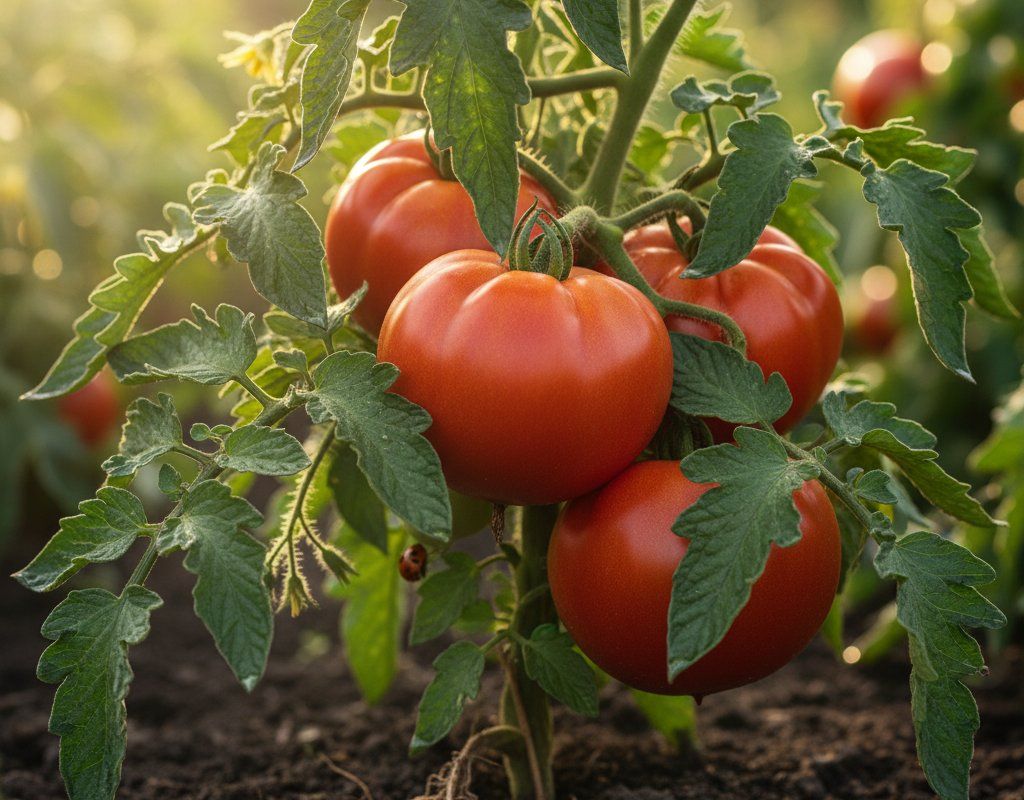
Beefsteak Tomatoes in Zone 9A — Northern California
Solanum lycopersicum · Your Complete 2026 Planting Guide
Missed Seed Starting? No Problem!
Wait for starts to become available.
What to Do
Starts will be available at nurseries in 2 days (around March 6).
How to Plant Beefsteak Tomatoes in Zone 9A — Northern California
Here are all your options for getting beefsteak tomatoes in the ground, from the easiest method to more advanced approaches.
Start Seeds Indoors
RecommendedMid January through early February
around January 23
Then transplant: Early March through early April
Start seeds 6-8 weeks before transplanting outdoors.
Buy Starts
Works WellEarly March through early April
around March 6
Plant purchased starts after last frost (February 20).
Direct Sow Seeds
ChallengingDirect sowing is not typical for Beefsteak Tomatoes.
Transplant Outdoors
Timing InfoEarly March through early April
around March 6
Wait until nighttime temperatures stay above 50°F.
You have a nice window — no need to rush.
Overview
Growing beefsteak tomatoes in Northern California gives you some of the most spectacular homegrown fruit you'll ever taste. These giants can weigh over a pound each, with rich, meaty flesh perfect for thick slices on sandwiches or fresh caprese salads. Our Mediterranean climate with its warm, dry summers and extended growing season creates ideal conditions for these heat-loving plants to develop their full flavor potential.
While beefsteak tomatoes demand consistent watering and take their time to ripen, your 288-day growing season means you can start early indoors and harvest well into fall. The key is timing your planting to work with our predictable weather patterns rather than fighting them.
Starting Seeds Indoors
Start your beefsteak tomato seeds indoors from mid-January through early February, about six weeks before your planned transplant date. You'll need seed trays, a warm spot (70-75°F is ideal), and good light once they germinate. A heat mat helps with germination, but remove it once seedlings emerge.
Set up your seed trays in a sunny south-facing window or under grow lights. Plant seeds about ¼ inch deep in quality seed starting mix. Bottom watering works best - place trays in a shallow pan of water and let the soil absorb moisture from below. This prevents damping-off disease and keeps seedlings healthier.
Our early spring weather can be unpredictable, so indoor starting gives you complete control over growing conditions. You'll have sturdy transplants ready when outdoor conditions stabilize in early March.
Transplanting Outdoors
Transplant your beefsteak seedlings outdoors from early March through early April, after hardening them off for a week. This gradual introduction to outdoor conditions prevents transplant shock - start with an hour outside in filtered light, gradually increasing exposure each day.
Space plants 36-48 inches apart to accommodate their massive size and improve air circulation. Beefsteak tomatoes are indeterminate growers that can easily reach 6 feet tall with sprawling branches. The wide spacing also makes watering and harvesting much easier as plants mature.
March transplanting in Northern California means you'll occasionally deal with cool nights or unexpected rain. Have row covers or water walls ready for protection if temperatures drop below 50°F at night.
Watering Beefsteak Tomatoes in Zone 9A (Northern California)
Beefsteak tomatoes are water-hungry plants that demand consistent deep irrigation throughout our dry summers. These massive fruits are 90% water, and any stress from drought will cause cracking, catfacing, and poor fruit development. Plan on providing 1-2 inches of water per week, delivered slowly and deeply.
Use the finger test to check soil moisture - stick your finger 2 inches into the soil near the base of plants. If it's dry at that depth, it's time to water. During our hottest summer weeks when temperatures hit the upper 80s, you may need to water every other day, especially in containers or raised beds.
Water at soil level rather than overhead to prevent disease issues. Soaker hoses or drip irrigation work perfectly in our low-humidity climate. Morning watering allows plants to absorb moisture before afternoon heat arrives. Watch for signs of stress: wilting despite moist soil usually means overwatering, while leaf edges turning brown indicates underwatering.
Apply 3-4 inches of mulch around plants to maintain consistent soil moisture during our rainless summers. Straw or shredded leaves work well and help reduce water restrictions' impact on your garden.
Supporting Your Beefsteak Tomatoes
Install heavy-duty cages or stakes at transplant time - beefsteak tomatoes produce fruit so large and heavy they'll snap branches without proper support. Use 6-foot tall cages made from concrete reinforcing wire, or drive sturdy 8-foot stakes deep into the ground. Thin tomato cages from garden centers won't hold up under the weight.
As plants grow, tie main stems loosely to stakes using soft cloth strips or tomato ties. Avoid wire or string that can cut into stems. Support major fruit clusters with slings made from old pantyhose or cloth to prevent branches from breaking under the weight of 1-2 pound tomatoes.
Check and adjust supports throughout the growing season. The combination of our moderate summer winds and heavy fruit makes regular maintenance essential for preventing plant damage.
Pruning & Maintaining Beefsteak Tomatoes
Remove suckers (shoots growing between main stems and branches) regularly to direct the plant's energy into fewer, larger fruits. Pinch out small suckers with your fingers, but use clean pruners for larger ones. Leave the main stem and 2-3 strong side branches as your primary fruiting stems.
Strip off lower leaves that touch the ground to improve air circulation and prevent disease. As fruits begin forming, remove leaves below the first fruit cluster. This helps prevent soil-borne pathogens from splashing onto foliage during watering.
In late October, top the plants by removing growing tips to redirect energy into ripening existing fruit before our first frost arrives in early December. This ensures your green tomatoes have the best chance to mature before cold weather hits.
🧪Fertilizing Beefsteak Tomatoes
Feeding Schedule
Organic Fertilizer Options
Harvest Time
Expect your first ripe beefsteak tomatoes from late May through mid-July, depending on when you transplanted and your specific microclimate. The 85-day maturity period starts counting from transplant, not from seed starting. Coastal areas may ripen 2-3 weeks later than inland locations.
Harvest when tomatoes show deep, even color and give slightly when cupped gently in your hand. Don't wait for them to soften completely on the vine - they'll continue ripening indoors and last longer. Cut stems with pruners rather than pulling to avoid damaging plants and encourage continued production.
Pick regularly to keep plants producing new fruit. During peak season in July and August, check plants every 2-3 days. Green tomatoes will ripen indoors on a counter or windowsill, turning from green to pink to full color over 1-2 weeks.
As first frost approaches in early December, harvest all remaining fruit regardless of size or color. Large green tomatoes ripen well indoors, while smaller ones can be used for fried green tomatoes or pickles. Wrap individual green tomatoes in newspaper and store in a cool, dark place to extend ripening into winter.
Common Problems in Zone 9A (Northern California)
Cracking appears as splits in the tomato skin, either in concentric circles around the stem or radiating lines from the stem end. These splits expose the flesh and invite rot. Cracking happens when plants absorb water too quickly after a dry spell - the fruit swells faster than the skin can stretch. Our irrigation-dependent summers make this common when gardeners underwater then overcompensate. Prevent cracking by maintaining consistent soil moisture through regular deep watering and heavy mulching.
Catfacing creates deep crevices and deformities on the blossom end, making tomatoes look lumpy and scarred. Cool nighttime temperatures during flowering cause incomplete pollination, especially problematic for large-fruited varieties like beefsteaks. March transplants sometimes experience this when cool nights persist into early spring. The fruit remains edible despite its appearance. Use row covers during cool spells and avoid planting too early when nights regularly drop below 55°F.
Blossom end rot shows as dark, sunken patches on the bottom of fruit - not actually rot but a calcium deficiency triggered by inconsistent watering. Our dry summers make this especially common when gardeners let soil dry between waterings. The solution is simple but critical: water consistently and deeply, never letting soil completely dry out. Mulch heavily and avoid over-fertilizing with nitrogen, which interferes with calcium uptake.
Slow ripening means fruit takes much longer than expected to turn color, leaving you with large green tomatoes well past their supposed maturity date. Beefsteak varieties are naturally slower than other tomatoes, but cool temperatures below 60°F halt ripening completely. Too much nitrogen or inadequate sun also slows the process. Reduce nitrogen fertilizer after fruit set and ensure plants receive full sun. Remove excess foliage that shades developing fruit.
Northern California's moderate summer heat and low humidity actually help prevent many tomato diseases common in other regions, but our dry conditions make consistent watering absolutely critical for beefsteak success. Water stress causes most beefsteak problems here.
Best Companions for Beefsteak Tomatoes
Plant these nearby for healthier Beefsteak Tomatoes and better harvests.
View Full Companion Planting Chart →



Companion Planting Details
Plant basil near your beefsteak tomatoes - it naturally repels aphids and whiteflies while improving tomato flavor. Carrots work well as understory plants, their deep taproots bringing up nutrients from below while their light canopy doesn't compete for sun. Marigolds planted around tomato beds deter nematodes and add bright color to your garden. Parsley attracts beneficial insects that prey on tomato pests.
Avoid planting brassicas like cabbage or broccoli near tomatoes - they compete for nutrients and can harbor pests that attack both plant families. Keep fennel away from all your vegetables as it inhibits growth in most plants. Corn creates too much shade for tomatoes and attracts similar pests without offering any benefits.
🌸Best Flowers to Plant with Beefsteak Tomatoes
These flowers protect your Beefsteak Tomatoes from pests and attract pollinators for better harvests.


Get a Reminder When It's Time to Plant
We'll email you when key planting windows open for your zone.