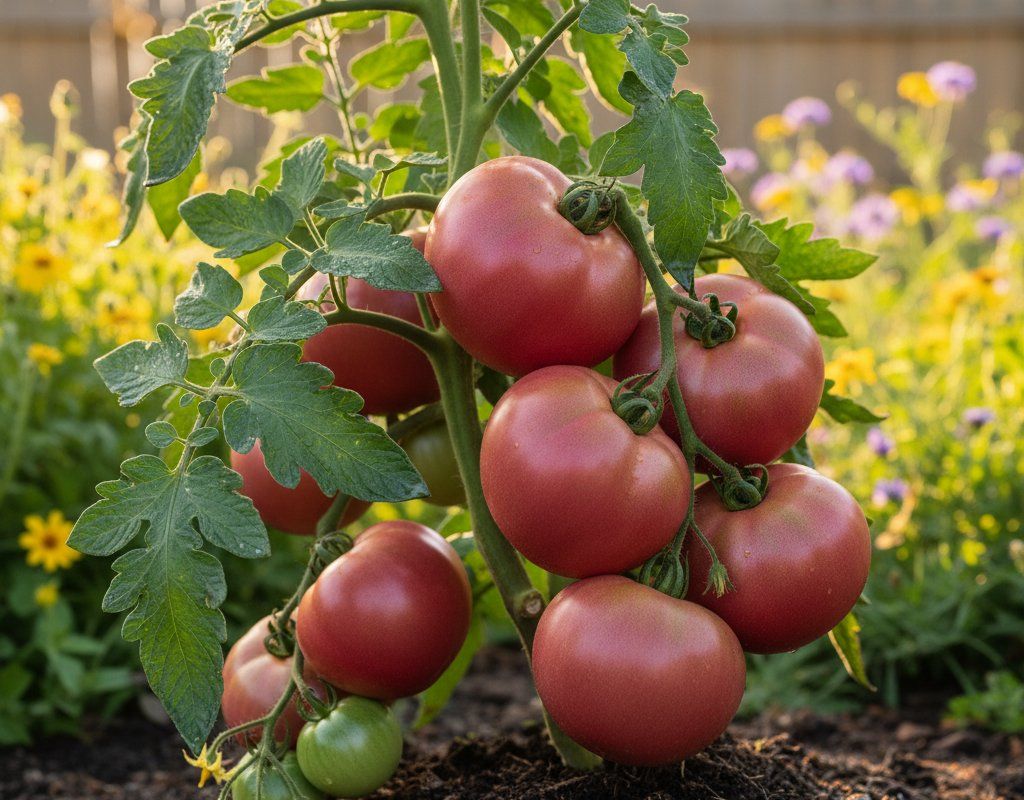
Brandywine Tomatoes in Zone 5A — Great Plains
Solanum lycopersicum · Your Complete 2026 Planting Guide
Planning Ahead — Great!
You’re ahead of the season. Here’s when to start.
Mark Your Calendar
How to Plant Brandywine Tomatoes in Zone 5A — Great Plains
Here are all your options for getting brandywine tomatoes in the ground, from the easiest method to more advanced approaches.
Start Seeds Indoors
RecommendedLate March through mid April
around March 28
Then transplant: Early to late May
Start seeds 6-8 weeks before transplanting outdoors.
Buy Starts
Works WellEarly to late May
around May 9
Plant purchased starts after last frost (April 25).
Direct Sow Seeds
ChallengingDirect sowing is not typical for Brandywine Tomatoes.
Transplant Outdoors
Timing InfoEarly to late May
around May 9
Wait until nighttime temperatures stay above 50°F.
Plan to transplant within a few weeks of your target date.
Overview
Brandywine tomatoes bring old-fashioned flavor that puts grocery store varieties to shame, with their rich, complex taste and meaty texture that's perfect for slicing fresh or canning sauce. Here in the Great Plains, our intense sunshine and fertile prairie soil create ideal conditions for developing that signature Brandywine flavor, while our low disease pressure means fewer fungicide treatments compared to more humid regions.
The Plains' extreme temperature swings and short season might seem challenging for a 90-day heirloom variety, but with proper timing, Brandywine fits comfortably within our 168-day growing season. Starting seeds indoors protects against our variable spring weather, and the variety's heat tolerance handles our hot summers well once established with adequate water.
Starting Seeds Indoors
Start your Brandywine seeds indoors from late March through mid-April, about six weeks before your planned transplant date in early to mid-May. Use seed starting trays filled with quality potting mix, keeping them warm (70-80°F) for quick germination – a heat mat helps during our variable spring weather when indoor temperatures can fluctuate.
Bottom watering works best for tomato seedlings, preventing damping-off disease while keeping soil consistently moist. Once germinated, provide strong light from grow lights or a bright south-facing window, keeping seedlings 2-3 inches from fluorescent bulbs or 6-8 inches from LEDs.
Your timing window is flexible since spring weather varies dramatically here – you can adjust your start date based on actual conditions rather than calendar dates. If an unexpected warm spell tempts you to transplant early, resist until nighttime temperatures consistently stay above 50°F.
Transplanting Outdoors
Transplant your Brandywine seedlings outdoors from early to late May, after both soil and air temperatures have warmed reliably. Harden off seedlings gradually over 7-10 days, starting with just a few hours of morning sun and building up to full outdoor exposure – our intense Plains sunshine and wind can shock unacclimated plants quickly.
Space plants 36-48 inches apart to accommodate their vigorous growth and improve air circulation in our often humid summer nights. The wider spacing also helps during severe weather events, giving plants room to move without damaging neighbors during high winds.
Watch for late spring temperature swings that can stress newly transplanted seedlings. Keep row covers handy for unexpected cool snaps, and water deeply but infrequently to encourage strong root development in our prairie soil.
Watering Brandywine Tomatoes in Zone 5A (Great Plains)
Brandywine tomatoes need consistent, deep watering throughout our hot Plains summers – typically 1.5-2 inches per week including rainfall. Check soil moisture by inserting your finger 2 inches deep near the plant base; water when the top inch feels dry but moisture remains below.
Our variable rainfall patterns make supplemental irrigation essential, especially during mid-summer heat when temperatures regularly hit 93°F. Water at the plant base rather than overhead to minimize disease issues, though our low-to-moderate humidity makes foliar diseases less problematic than in more humid regions.
Apply water slowly and deeply 2-3 times per week rather than daily light sprinklings, which encourages shallow root systems vulnerable to drought stress. A good soaking should penetrate 6-8 inches into our dense prairie soil, requiring about 20-30 minutes with a soaker hose or drip irrigation.
Watch for signs of water stress: wilting during hot afternoons (normal), but also leaf curling, blossom end rot, or fruit cracking. Brandywine is particularly prone to cracking when heavy rain or irrigation follows dry periods, so maintain steady soil moisture with a 2-3 inch mulch layer to buffer moisture fluctuations and reduce evaporation in our windy conditions.
Supporting Your Brandywine Tomatoes
Install heavy-duty tomato cages or sturdy stakes at planting time since Brandywine produces large, heavy fruit on vigorous indeterminate vines that can easily reach 6-8 feet tall. Use 6-foot cages made from concrete reinforcing wire or drive 8-foot stakes 2 feet deep to withstand our Plains winds that can topple inadequately supported plants.
Tie stems loosely with soft materials like old t-shirt strips, allowing room for growth while providing stability against wind damage. Check and adjust ties monthly as stems thicken, since Brandywine's potato-leaf foliage offers less wind resistance than regular leaf types but stems still need secure attachment points.
Position supports on the windward side when possible, and consider creating windbreaks with taller plants or temporary screens during the establishment period. Our constant Plains winds can break branches or topple entire plants, especially when heavy with fruit in late summer.
Pruning & Maintaining Brandywine Tomatoes
Remove suckers (shoots growing between main stems and branches) weekly throughout the growing season to focus energy on fruit production and improve air circulation. Brandywine benefits from moderate pruning since it's more disease-susceptible than modern hybrids, but don't over-prune since the foliage protects fruit from sun scald during our intense summer heat.
Strip lower leaves that touch the ground to prevent soil-borne diseases, and remove any yellowing or spotted foliage promptly. As plants mature, thin some interior branches to improve airflow, which helps reduce disease pressure and allows better penetration of our abundant sunshine.
In late August, pinch growing tips to redirect energy toward ripening existing fruit before our first frost arrives in early October. Remove new flower clusters that won't have time to develop and ripen, focusing the plant's remaining energy on sizing up fruit already set.
🧪Fertilizing Brandywine Tomatoes
Feeding Schedule
Organic Fertilizer Options
Harvest Time
Expect your first ripe Brandywine tomatoes from early August through mid-September, about 90 days from transplanting. These large beefsteak tomatoes ripen from the bottom up, turning from green to pink-red with a slight give when gently pressed – the shoulders may remain greenish, which is normal for this variety.
Pick fruit in the morning when cool, using both hands to support large tomatoes while twisting gently to avoid damaging the vine. Harvest regularly to encourage continued production, as leaving overripe fruit on the plant slows new fruit development.
As our first frost approaches in early October, harvest all mature green fruit for indoor ripening on kitchen counters or in paper bags. Brandywine ripens well off the vine, developing nearly full flavor when picked at the mature green stage with some pink showing.
The variety produces continuously until frost, so protect plants with row covers during light frosts to extend the harvest. Even a few extra weeks can mean the difference between green tomatoes and fully ripe fruit, making the effort worthwhile for this exceptional variety.
Common Problems in Zone 5A (Great Plains)
Cracking Circular or radial splits in the fruit skin that expose flesh and invite rot. You'll see concentric circles around the stem or lines radiating outward from the stem end. This happens when fruit absorbs water faster than the skin can expand, typically after heavy rain or irrigation following dry periods. Maintain consistent soil moisture through regular watering and mulching, harvest promptly when ripe, and avoid the wet-dry cycle that our variable Plains rainfall often creates.
Low Yields Healthy-looking plants that produce far fewer tomatoes than expected, despite adequate growing conditions. This often results from insufficient pollination during hot weather, nutrient imbalances (too much nitrogen creates leafy growth at fruit's expense), or the natural characteristics of heirloom varieties that prioritize flavor over productivity. Ensure adequate spacing for air circulation, use balanced fertilizer rather than high-nitrogen formulas, and hand-pollinate during extreme heat when natural pollinators are less active.
Disease Susceptibility Yellowing leaves, brown spots, wilting, or other fungal and bacterial issues that appear throughout the growing season. Brandywine lacks the disease resistance genes bred into modern hybrids, making it more vulnerable to common tomato diseases. Improve air circulation through wider spacing and selective pruning, apply preventative organic fungicides early in the season, rotate crop locations annually, and remove affected foliage immediately to prevent spread.
Catfacing Deep crevices, scars, and lumpy deformities on the blossom end of fruit, creating misshapen tomatoes with rough, puckered surfaces. Cool nighttime temperatures during flowering cause incomplete pollination, which is common when you transplant too early in our variable spring weather. Wait for consistently warm nights before transplanting, use row covers during unexpected cool spells, and remember that while ugly, catfaced fruit is perfectly edible.
Our Great Plains climate of hot days, variable rainfall, and strong winds creates specific challenges for Brandywine tomatoes. The intense heat can stress plants despite their heat tolerance, while sudden storms and hail pose constant threats to large, soft-skinned fruit. However, our low humidity reduces disease pressure significantly compared to more humid regions, making this heirloom variety more manageable here than in many other growing areas.
Best Companions for Brandywine Tomatoes
Plant these nearby for healthier Brandywine Tomatoes and better harvests.
View Full Companion Planting Chart →



Companion Planting Details
Plant basil alongside Brandywine tomatoes to potentially improve flavor while deterring aphids and hornworms with its strong scent. Carrots and parsley make excellent companions since their deep taproots don't compete with tomatoes' shallow root systems, and both help attract beneficial insects that prey on tomato pests. Marigolds planted around the bed edges can help repel nematodes in the soil while adding color and attracting pollinators during our intense growing season.
Avoid planting brassicas like cabbage or broccoli near Brandywine tomatoes, as they compete for similar nutrients and can harbor diseases that affect both plant families. Keep fennel and corn away from your tomato patch – fennel releases compounds that can stunt tomato growth, while corn attracts hornworms that will quickly move to your valuable tomato plants. In our windy Plains conditions, also avoid tall companions that might shade your tomatoes or create wind tunnels that increase water stress.
🌸Best Flowers to Plant with Brandywine Tomatoes
These flowers protect your Brandywine Tomatoes from pests and attract pollinators for better harvests.
For Pest Control

Get a Reminder When It's Time to Plant
We'll email you when key planting windows open for your zone.