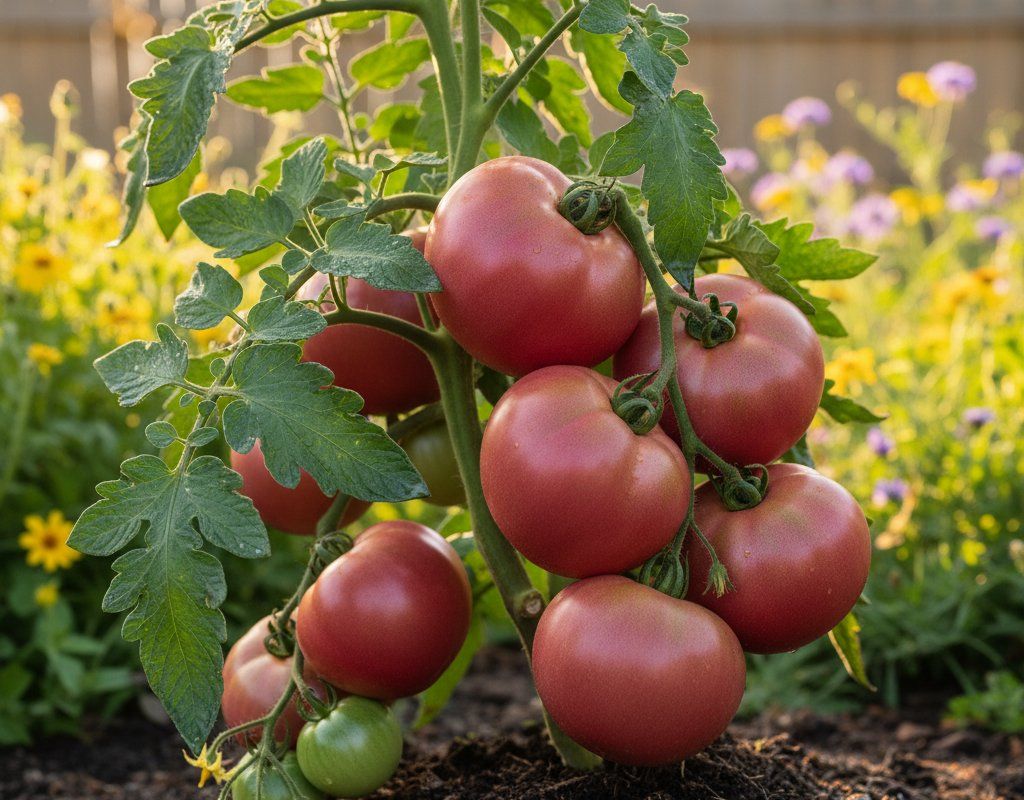
Brandywine Tomatoes in Zone 8A — Desert Southwest
Solanum lycopersicum · Your Complete 2026 Planting Guide
Missed Seed Starting? No Problem!
Wait for starts to become available.
What to Do
Starts will be available at nurseries in 15 days (around March 19).
How to Plant Brandywine Tomatoes in Zone 8A — Desert Southwest
Here are all your options for getting brandywine tomatoes in the ground, from the easiest method to more advanced approaches.
Start Seeds Indoors
RecommendedLate January through mid February
around February 5
Then transplant: Mid March through early April
Start seeds 6-8 weeks before transplanting outdoors.
Buy Starts
Works WellMid March through early April
around March 19
Plant purchased starts after last frost (March 5).
Direct Sow Seeds
ChallengingDirect sowing is not typical for Brandywine Tomatoes.
Transplant Outdoors
Timing InfoMid March through early April
around March 19
Wait until nighttime temperatures stay above 50°F.
Plan to transplant within a few weeks of your target date.
Overview
Brandywine tomatoes bring old-world flavor that makes our Desert Southwest growing efforts worthwhile. These massive, pink-red heirlooms deliver the complex, sweet-tart taste that puts grocery store tomatoes to shame, and their meaty texture makes them perfect for our summer BLTs and fresh salsas. In our Zone 8A climate, you get the satisfaction of growing a true heirloom variety that thrives in our two distinct growing seasons.
Our extreme summer heat and arid conditions do present challenges for these moisture-loving plants, but proper timing makes Brandywine very manageable here. With our 265-day growing season and very early spring start, you can get these heat-sensitive beauties established and producing well before the worst summer heat hits. The key is working with our desert gardening rhythm rather than against it.
Starting Seeds Indoors
Start your Brandywine seeds indoors from late January through mid-February, about 6 weeks before you plan to transplant outside. This timing takes advantage of our very early spring character, getting your seedlings ready right as soil temperatures warm and frost danger passes.
Set up seed trays with quality potting mix and place them in a warm spot around 70-75°F for best germination. A heating mat helps maintain consistent soil temperature during our cooler winter nights. Once seeds germinate, provide strong light from grow lights or a south-facing window.
Bottom watering works best for tomato seedlings – it encourages strong root development and prevents damping off disease. Keep soil consistently moist but not waterlogged, and begin fertilizing weekly with diluted liquid fertilizer once true leaves appear. Your seedlings will be ready for hardening off by mid-March.
Transplanting Outdoors
Plan to transplant your Brandywine seedlings from mid-March through early April, once nighttime temperatures consistently stay above 50°F and soil has warmed. Our desert springs can still surprise us with late cold snaps, so watch weather forecasts closely during this window.
Harden off your seedlings gradually over one week by placing them outside for increasing periods daily, starting with 2-3 hours and building to full days. This process is crucial in our climate since the transition from indoor conditions to our intense desert sun can shock unprepared plants.
Space plants 36-48 inches apart to ensure good air circulation – this wider spacing becomes especially important as summer heat builds. The extra room helps prevent disease issues and allows each plant access to adequate soil moisture, which becomes critical during our extreme heat period.
Watering Brandywine Tomatoes in Zone 8A (Desert Southwest)
Brandywine tomatoes have high water needs and aren't drought tolerant, making consistent irrigation absolutely essential in our arid Desert Southwest climate. These plants need about 1.5-2 inches of water weekly, but you'll need to increase this significantly once summer temperatures climb above 100°F.
During our spring growing season, deep watering twice weekly usually suffices, but switch to daily watering once extreme heat arrives. Check soil moisture using the finger test – stick your finger 2 inches deep into the soil near the base of the plant. If it's dry at that depth, it's time to water.
Water at the base of plants rather than overhead to maximize efficiency in our low-humidity environment. Overhead watering loses too much to evaporation and can encourage disease on the foliage. Signs of underwatering include wilting during midday heat and blossom end rot, while overwatering shows as yellowing lower leaves and sluggish growth.
Apply 2-3 inches of organic mulch around plants to conserve precious water and moderate soil temperature swings. Wood chips or shredded bark work well in our climate, helping maintain that consistent moisture Brandywines need to prevent the fruit cracking they're prone to.
Supporting Your Brandywine Tomatoes
Install strong support systems at planting time since Brandywine's indeterminate growth habit produces vigorous vines that can reach 6-8 feet tall with heavy fruit clusters. Heavy-duty tomato cages or sturdy stakes with ties work best for these large-fruited varieties that can easily overwhelm flimsy supports.
Choose cages at least 6 feet tall and made from thick gauge wire, or use 8-foot wooden stakes driven 18 inches deep. The combination of our strong desert winds and heavy fruit makes solid anchoring essential. Tie vines loosely to supports using soft materials like cloth strips or tomato ties.
Train the main stem upward and secure it every 12-18 inches as it grows. Brandywine's potato-leaf foliage provides less natural shade than regular tomato leaves, so position supports to avoid blocking the plant's access to morning light while providing some afternoon shade protection.
Pruning & Maintaining Brandywine Tomatoes
Prune Brandywine tomatoes moderately by removing suckers and lower branches to improve air circulation – this becomes especially important since heirloom varieties like Brandywine are more disease-susceptible than modern hybrids. Focus on removing suckers that grow in the crotch between the main stem and branches.
Remove lower branches that touch the ground or show signs of disease, and thin overcrowded areas to allow air movement through the plant. This pruning strategy helps prevent fungal issues that can develop in our monsoon humidity when it arrives mid-summer.
As first frost approaches in late November, stop pruning to let the plant focus energy on ripening existing fruit rather than producing new growth. About 6 weeks before expected frost, pinch growing tips to redirect energy into maturing the tomatoes already on the vine.
🧪Fertilizing Brandywine Tomatoes
Feeding Schedule
Organic Fertilizer Options
Harvest Time
Expect your first Brandywine harvest from mid-June through late July, about 90 days from transplant. These large heirlooms ripen from the inside out, so harvest when fruits show pink-red color with slight softness when gently squeezed – don't wait for deep red color throughout.
The shoulders of Brandywine tomatoes often stay green even when fully ripe, which is normal for this variety. Harvest in early morning when temperatures are cooler, using clean pruning shears to cut the stem rather than pulling fruit off the vine, which can damage the plant.
Continue harvesting regularly throughout the season to encourage continued production. As extreme heat peaks in July and August, production may slow but will often pick up again as temperatures moderate in fall, giving you a second productive period.
When first frost threatens in late November, harvest all remaining green tomatoes and ripen them indoors on countertops or in paper bags. Green Brandywines ripen well off the vine, extending your harvest season even after the plant is finished.
Common Problems in Zone 8A (Desert Southwest)
Cracking appears as splits in the tomato skin, either as concentric circles around the stem end or radial lines spreading outward. You'll see the flesh exposed, which can lead to rot if not addressed quickly. In our desert climate, this typically happens when monsoon rains or heavy irrigation follows a dry period, causing the fruit to absorb water faster than the skin can expand. Maintain consistent soil moisture through regular watering and mulching, and harvest promptly when fruits reach the pink stage to prevent splitting.
Low yields show as healthy-looking plants that produce far fewer tomatoes than expected. This often results from our extreme heat stress, which can prevent proper pollination when temperatures exceed 90°F during flowering. Hand-pollinate flowers during hot weather by gently tapping flower clusters, and provide afternoon shade cloth during peak summer heat to keep plants productive. Balance fertilizer with more phosphorus and less nitrogen to encourage fruiting over excessive leaf growth.
Disease susceptibility manifests as various fungal and bacterial issues throughout the growing season – yellowing leaves, dark spots, or wilting despite adequate water. Heirloom varieties like Brandywine lack the disease resistance bred into modern hybrids, making them more vulnerable in our climate. Improve air circulation with wider spacing and pruning, avoid overhead watering, and remove affected foliage immediately to prevent spread.
Catfacing creates deep crevices, scars, and deformities on the blossom end, making fruits look lumpy and misshapen though still edible. Cool nighttime temperatures during flowering cause incomplete pollination, more common when you transplant too early in spring. Wait until nighttime temperatures consistently stay above 55°F before transplanting, and use row covers if unexpected cool weather threatens during flowering.
Desert Southwest Specific Challenges: Our extreme heat and low humidity create additional stress that can worsen all these problems. Sunscald becomes a major issue on exposed fruits, while our alkaline soil can cause nutrient deficiencies that weaken plants. Combat these challenges with shade cloth during peak summer, regular soil amendments, and consistent deep watering to help plants cope with our harsh desert conditions.
Best Companions for Brandywine Tomatoes
Plant these nearby for healthier Brandywine Tomatoes and better harvests.
View Full Companion Planting Chart →



Companion Planting Details
Basil makes an excellent companion for Brandywine tomatoes in our desert climate, not only improving flavor when grown nearby but also helping repel harmful insects while attracting beneficial pollinators. Plant carrots around tomato bases to maximize space usage and improve soil structure, while their deep taproots help break up our challenging caliche layer. Parsley and marigolds both attract beneficial insects that help with pest control, particularly important since our low humidity reduces natural predator populations.
Avoid planting brassicas like cabbage or broccoli near your Brandywines, as they compete for similar nutrients and can harbor pests that affect tomatoes. Keep fennel and corn away as well – fennel can stunt tomato growth, while corn attracts hornworms that will devastate your tomato plants. In our water-scarce environment, choose companions with similar watering needs to make irrigation management easier.
🌸Best Flowers to Plant with Brandywine Tomatoes
These flowers protect your Brandywine Tomatoes from pests and attract pollinators for better harvests.
For Pest Control

Get a Reminder When It's Time to Plant
We'll email you when key planting windows open for your zone.