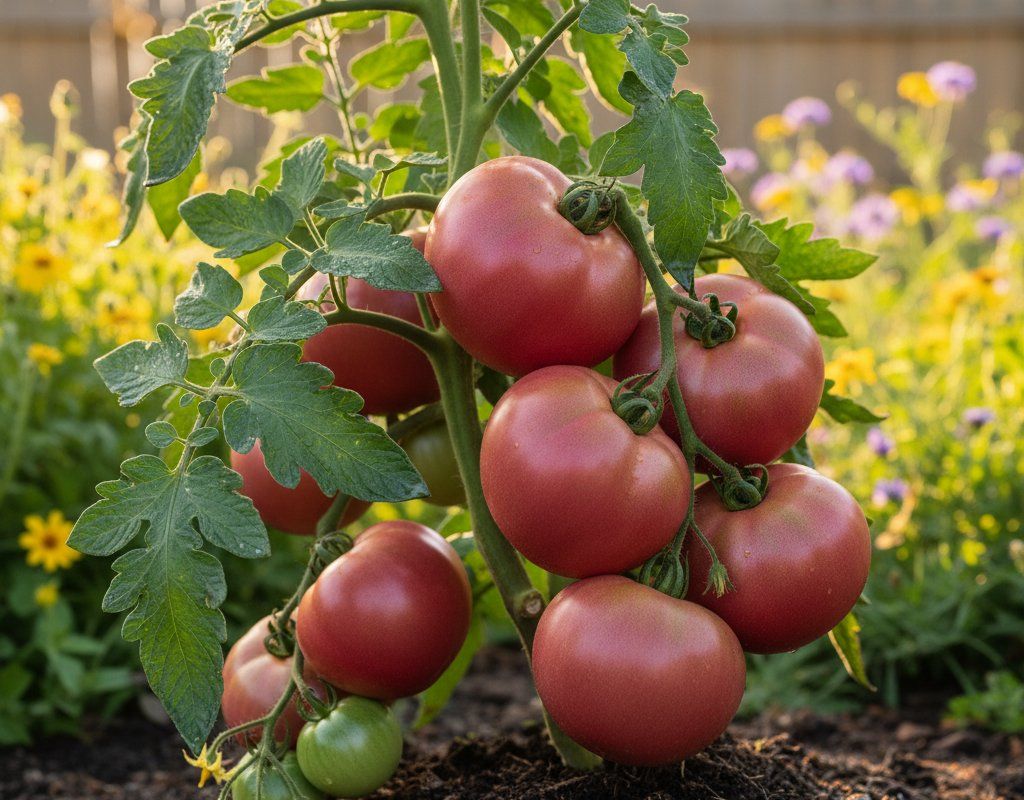
Brandywine Tomatoes in Zone 8B — Texas
Solanum lycopersicum · Your Complete 2026 Planting Guide
Missed Seed Starting? No Problem!
Wait for starts to become available.
What to Do
Starts will be available at nurseries in 7 days (around March 11).
How to Plant Brandywine Tomatoes in Zone 8B — Texas
Here are all your options for getting brandywine tomatoes in the ground, from the easiest method to more advanced approaches.
Start Seeds Indoors
RecommendedLate January through mid February
around January 28
Then transplant: Mid March through early April
Start seeds 6-8 weeks before transplanting outdoors.
Buy Starts
Works WellMid March through early April
around March 11
Plant purchased starts after last frost (February 25).
Direct Sow Seeds
ChallengingDirect sowing is not typical for Brandywine Tomatoes.
Transplant Outdoors
Timing InfoMid March through early April
around March 11
Wait until nighttime temperatures stay above 50°F.
Plan to transplant within a few weeks of your target date.
Overview
Brandywine Tomatoes deliver that rich, complex flavor that makes you understand why gardeners treasure heirloom varieties. In Zone 8B Texas, these large, pink-red beauties thrive in our long growing season, producing fruits that can weigh over a pound each with that perfect balance of sweet and tangy that store-bought tomatoes simply can't match. The variety's potato-leaf foliage and vigorous indeterminate growth make it well-suited to our Texas heat once established.
While Brandywine requires a bit more attention than modern hybrids and faces challenges from our unpredictable weather and extreme summer temperatures, proper timing makes success very manageable. With our 273-day growing season, you have plenty of opportunity to start early, harvest through summer, and even plan a fall planting if you want to extend the season.
Starting Seeds Indoors
Start your Brandywine seeds indoors during late January through mid-February, about 6 weeks before your planned transplant date. Since we can typically transplant in mid-March through early April here in Texas, this indoor start timing aligns perfectly with our early spring weather patterns.
Set up seed trays in a warm spot (70-75°F works well) with good light once seedlings emerge. A sunny south-facing window or grow lights will keep your seedlings stocky and strong. Use bottom watering to prevent damping off disease – place seed trays in a larger tray and add water to the bottom tray, letting the soil absorb moisture from below.
Your seedlings should be ready for hardening off when nighttime temperatures consistently stay above 50°F, which typically happens in our mid-March timeframe. The 6-week indoor growing period gives you strong, well-established plants that can handle our sometimes unpredictable spring weather.
Transplanting Outdoors
Plan to transplant your Brandywine seedlings outdoors from mid-March through early April, after the last frost danger has passed and soil temperatures reach at least 60°F. In our area, late February typically brings our last freeze, making mid-March a safe bet for most years.
Harden off your seedlings gradually over a week before transplanting – start with 2-3 hours of morning sun, then increase daily until they're outside full-time. This process is especially important with our Texas sun intensity, even in spring. Plant them deep, burying 2/3 of the stem to encourage strong root development.
Space Brandywine plants 36-48 inches apart since they're vigorous indeterminate growers that will spread considerably. The wider spacing also improves air circulation, which becomes critical during our humid summer months. Watch the weather forecast during transplant time – a late cold snap can still surprise us in early April, so have row covers ready just in case.
Watering Brandywine Tomatoes in Zone 8B (Texas)
Brandywine Tomatoes need consistent, deep watering throughout our growing season, requiring about 1-2 inches of water weekly during establishment and up to 3 inches during peak summer heat. With Texas temperatures hitting 97°F regularly and our unpredictable rainfall patterns ranging from drought to flash floods, maintaining steady soil moisture becomes your biggest challenge.
Check soil moisture using the finger test – stick your finger 2 inches deep into the soil near the base of the plant. If it's dry at that depth, it's time to water deeply. During our extreme summer heat, you may need to water every other day or even daily, especially since Brandywine isn't drought tolerant like some varieties.
Water at the base of plants rather than overhead to reduce disease pressure in our variable humidity conditions. Overhead watering in humid weather creates perfect conditions for fungal diseases, which Brandywine is already more susceptible to than hybrid varieties. Early morning watering allows plants to dry before evening humidity rises.
Apply 2-3 inches of mulch around plants to maintain consistent soil moisture and reduce the wet-dry cycles that cause fruit cracking – a common problem with large-fruited heirlooms like Brandywine. Signs of underwatering include wilting during heat and blossom end rot, while overwatering shows up as yellowing lower leaves and potential root rot issues.
Supporting Your Brandywine Tomatoes
Install strong support systems at planting time since Brandywine produces large, heavy fruits on vigorous indeterminate vines that can easily reach 6-8 feet tall in our long growing season. Heavy-duty tomato cages (at least 6 feet tall) or wooden stakes work best – avoid flimsy wire cages that will bend under the weight.
For staking, use 8-foot wooden or metal posts driven 18 inches deep, then tie the main stem loosely with soft cloth strips every 12-15 inches as the plant grows. The potato-leaf foliage of Brandywine provides less natural shade than regular tomato leaves, so the fruit clusters need extra support to prevent branch breakage.
Train the main stems upward weekly during active growth, which happens quickly in our warm spring and early summer weather. Remove any side shoots growing from the base of the plant to focus energy into the main productive stems.
Pruning & Maintaining Brandywine Tomatoes
Prune Brandywine moderately by removing suckers (shoots growing between the main stem and branches) when they're small and easy to pinch off. Since this variety is more disease-susceptible than modern hybrids, focus on improving air circulation by removing lower leaves that touch the ground and any yellowing or spotted foliage throughout the season.
Start sucker removal early in the season and continue weekly during active growth. Leave the top 4-6 main stems to develop, but don't over-prune since Brandywine needs adequate leaf cover to protect those large fruits from sun scald during our intense summer heat.
As first frost approaches in late November, stop removing suckers and focus on removing any diseased foliage. You can also top the plants (remove growing tips) in early October to encourage remaining fruits to size up before cold weather arrives.
🧪Fertilizing Brandywine Tomatoes
Feeding Schedule
Organic Fertilizer Options
Harvest Time
Your first Brandywine tomatoes will ripen from early June through late July, about 90 days from transplanting. The fruits develop their characteristic pink-red color with darker shoulders, and you'll know they're ready when they give slightly to gentle pressure and have a rich, sweet fragrance at the stem end.
Don't wait for Brandywine tomatoes to turn completely red – the shoulders often stay green even when fully ripe, which is normal for this variety. Harvest when the bottom portion shows good color development and the fruit yields slightly to pressure. Pick regularly to encourage continued production throughout the summer.
Harvest early morning when possible, especially during our hot summer months, to capture the best flavor and texture. Handle gently since ripe Brandywines bruise easily. If fruits are starting to split from heat stress or irregular watering, harvest immediately even if slightly underripe.
As late November approaches and frost threatens, harvest all remaining green fruits larger than ping-pong ball size. These will ripen indoors on your kitchen counter over several weeks, extending your harvest well into winter. The continuous production nature of indeterminate varieties means you'll have tomatoes at various stages of ripeness right up until frost.
Common Problems in Zone 8B (Texas)
Fruit Cracking Deep splits appear in the tomato skin, either in concentric circles around the stem or as radial lines extending from the stem end. The cracks can expose the flesh and lead to rot, especially problematic with large-fruited varieties like Brandywine. This happens when heavy watering or sudden rainfall follows a dry period – the fruit absorbs water faster than the skin can expand. Maintain consistent soil moisture through regular deep watering and 3-inch mulch layers. Harvest promptly when fruits are ripe, and consider shade cloth during extreme heat spells.
Low Yields Plants appear healthy but produce fewer fruits than expected, sometimes only 4-6 large tomatoes per plant instead of the 10-15 you might hope for. Heirloom varieties like Brandywine naturally produce less than modern hybrids, but extremely low yields often indicate pollination problems during our hot weather, nutrient imbalances, or overcrowding. Ensure adequate spacing (36-48 inches), avoid over-fertilizing with nitrogen (creates leafy growth but fewer fruits), and provide consistent watering. Hand-pollinate flowers during extreme heat by gently tapping flower clusters mid-morning.
Disease Susceptibility Yellowing leaves, brown spots, wilting, or stem cankers appear more frequently than with hybrid varieties. Brandywine lacks the disease resistance genes bred into modern tomatoes, making it vulnerable to our humid conditions and soil-borne diseases. Improve air circulation with wider spacing and regular pruning of lower leaves. Apply preventative copper fungicide spray every 2-3 weeks during humid weather. Rotate planting locations yearly and remove all plant debris at season's end.
Catfacing Fruits develop deep crevices, scars, and deformed shapes, particularly around the blossom end, making them look lumpy and unmarketable though still edible. Cool nighttime temperatures during flowering (below 55°F) cause incomplete pollination, more common with large-fruited varieties like Brandywine. Avoid planting too early when night temperatures still drop significantly. Use row covers during cool spells in early spring, and choose a sheltered location protected from cold north winds.
Texas Specific Challenges: Our extreme summer heat can cause blossom drop and sun scald on exposed fruits, while unpredictable rainfall creates perfect conditions for both drought stress and sudden flooding that leads to root problems. Fire ants may also damage ripening fruits that touch the ground, so maintain good plant support and harvest promptly.
Best Companions for Brandywine Tomatoes
Plant these nearby for healthier Brandywine Tomatoes and better harvests.
View Full Companion Planting Chart →



Companion Planting Details
Plant basil near your Brandywine tomatoes – it naturally repels aphids and whiteflies while improving the flavor of nearby tomatoes, plus you'll have fresh basil for those perfect summer tomato-basil combinations. Carrots make excellent companions since their deep roots don't compete with tomato roots, and parsley attracts beneficial insects that help control tomato hornworms and other pests. Marigolds planted throughout the tomato bed deter nematodes in our Texas soils and add bright color while attracting pollinators.
Avoid planting brassicas (cabbage, broccoli, cauliflower) near Brandywine tomatoes since they can stunt tomato growth and compete for similar nutrients. Keep fennel away from tomato plants as it can inhibit growth and attract pests that damage tomatoes. Corn should also be planted elsewhere since both tomatoes and corn attract corn earworms, creating concentrated pest pressure that's harder to manage in our hot, humid conditions.
🌸Best Flowers to Plant with Brandywine Tomatoes
These flowers protect your Brandywine Tomatoes from pests and attract pollinators for better harvests.
For Pest Control

Get a Reminder When It's Time to Plant
We'll email you when key planting windows open for your zone.