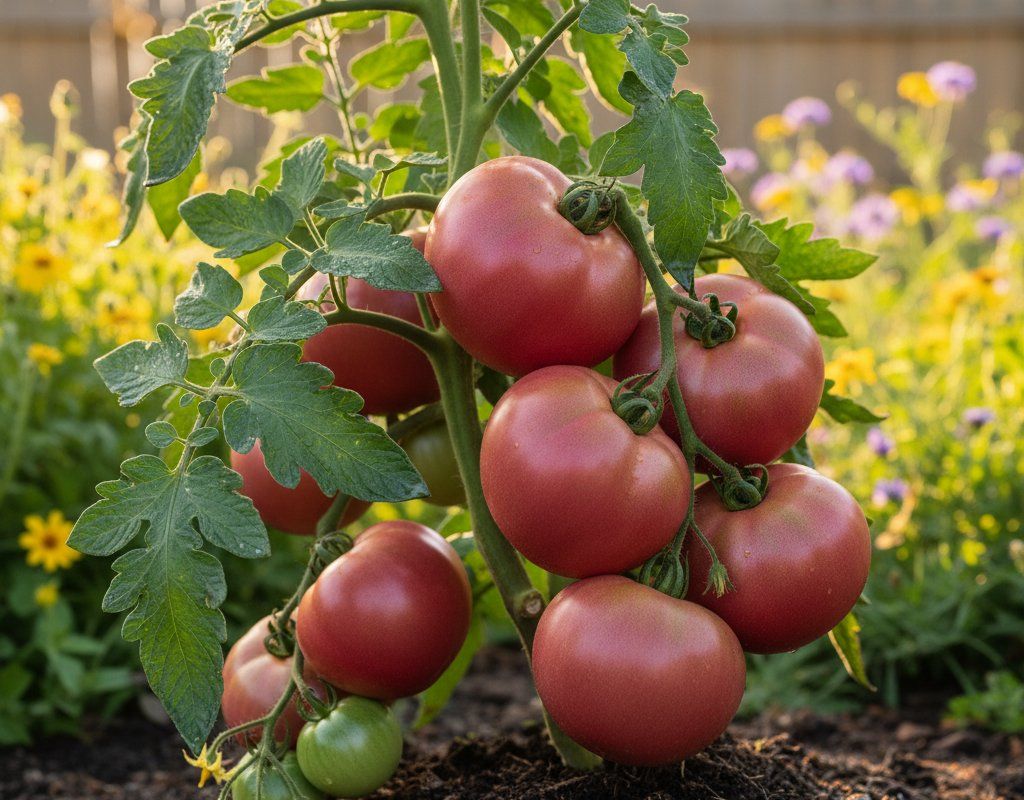
Brandywine Tomatoes in Zone 9B — Texas
Solanum lycopersicum · Your Complete 2026 Planting Guide
Time to Buy Starts!
Seed starting window passed, but starts are available now.
Buy Starts Now
Head to your local nursery, Home Depot, or farmers market for transplants.
- Look for stocky plants with dark green leaves
- Avoid leggy seedlings or plants already flowering
- Check that roots aren't circling the pot (rootbound)
How to Plant Brandywine Tomatoes in Zone 9B — Texas
Here are all your options for getting brandywine tomatoes in the ground, from the easiest method to more advanced approaches.
Start Seeds Indoors
RecommendedEarly to late January
around January 8
Then transplant: Mid February through mid March
Start seeds 6-8 weeks before transplanting outdoors.
Buy Starts
Works WellMid February through mid March
around February 19
Plant purchased starts after last frost (February 5).
Direct Sow Seeds
ChallengingDirect sowing is not typical for Brandywine Tomatoes.
Transplant Outdoors
Timing InfoMid February through mid March
around February 19
Wait until nighttime temperatures stay above 50°F.
Plan to transplant within a few weeks of your target date.
Overview
Brandywine tomatoes are the gold standard for Texas gardeners who want serious flavor in their summer harvest. These massive, pink-red beauties can weigh over a pound each and deliver that sweet-tart complexity you just can't find in store-bought varieties. In our Texas heat, Brandywine's rich, old-fashioned taste makes the extra care worthwhile — especially when you factor in our two tomato seasons that give you multiple chances to perfect your technique.
Yes, Texas weather can be brutal and unpredictable, but Brandywine's 90-day maturity works beautifully with our 308-day growing season. Start them indoors during our mild winter months, get them established before the worst heat hits, and you'll be harvesting incredible tomatoes from late spring through summer. The key is timing your planting to work with our climate, not against it.
Starting Seeds Indoors
Start your Brandywine seeds indoors during early to late January, about six weeks before you plan to transplant outside. Texas gardeners have the advantage of an early spring, so you can get a jump start while northern gardeners are still buried in snow. Set up seed trays in a warm spot — a heat mat helps, but the top of your water heater works too.
Use quality seed-starting mix and keep it consistently moist through bottom watering. Fill a tray with water and let your seed containers soak it up from below rather than watering from the top. This prevents damping-off disease and keeps seedlings from getting knocked around. Place your trays under grow lights or in a south-facing window once seeds germinate.
Your seedlings will be ready for stronger light and slightly cooler temperatures as they develop their first true leaves. This timing puts you perfectly positioned for Texas's early spring transplant window.
Transplanting Outdoors
Plan to transplant your Brandywine seedlings outdoors from mid-February through mid-March, when nighttime temperatures consistently stay above 50°F. In Texas, this timing takes advantage of our mild early spring before the brutal heat sets in. Always harden off your seedlings first — give them a full week of gradual outdoor exposure, starting with a few hours in filtered shade and working up to full sun.
Space your Brandywine plants 36-48 inches apart in all directions. These indeterminate vines get massive, and proper spacing improves air circulation — crucial for preventing disease problems in our variable humidity. The wide spacing also gives you room to work around the plants during our growing season.
Watch the weather forecast carefully during transplant season. Texas is famous for late cold snaps that can wipe out tender transplants overnight. Keep row covers or buckets handy for those unexpected temperature drops that seem to come out of nowhere.
Watering Brandywine Tomatoes in Zone 9B (Texas)
Brandywine tomatoes need consistent, deep watering to develop their signature flavor and prevent fruit cracking. In Texas, this means about 1-2 inches per week through spring, ramping up to 2-3 inches during our scorching summer months when temperatures hit 97°F and beyond. Check soil moisture by sticking your finger 2 inches deep — if it's dry at that level, it's time to water.
Water at the base of the plants rather than overhead, especially during our humid periods. Wet foliage in Texas heat creates perfect conditions for disease problems, and Brandywine is more susceptible than modern hybrids. Use soaker hoses or drip irrigation if possible, and water early morning so plants have time to dry before evening.
Our unpredictable rainfall — anywhere from 15 to 50 inches annually — makes consistent watering tricky. During dry spells, don't let the soil completely dry out between waterings. During flash flood conditions, ensure good drainage to prevent root rot. Watch for signs of overwatering like yellowing lower leaves or underwatering like wilting during cooler parts of the day.
Apply 2-3 inches of organic mulch around your plants to help maintain even soil moisture and protect roots from our extreme heat. This single step will save you countless hours of watering and prevent many of the stress-related problems that plague Texas tomato growers.
Supporting Your Brandywine Tomatoes
Install heavy-duty cages or tall stakes at planting time — Brandywine vines can reach 6-8 feet tall and produce 1-pound tomatoes that will snap unsupported branches. Traditional tomato cages from the garden center won't cut it; invest in 6-foot tall cages or use 8-foot stakes with strong ties. The investment pays off when your plants are loaded with massive fruit.
These indeterminate vines keep growing and producing until frost, so your support system needs to handle a full season of Texas wind and the weight of continuous fruit production. Potato-leaf varieties like Brandywine have less foliage than regular tomatoes, offering less natural shade for the fruit but also less wind resistance.
Train the main stems to your support system weekly, using soft ties that won't cut into the stems. In our long growing season, consistent training prevents the sprawling mess that leads to broken branches and fruit touching the ground where it's vulnerable to pests and diseases.
Pruning & Maintaining Brandywine Tomatoes
Remove suckers (shoots growing between main stem and branches) when they're small and tender — about 2-4 inches long. Brandywine needs moderate pruning to improve air circulation, which helps prevent the disease problems these heirloom varieties are prone to in our Texas climate. Don't go overboard; the plant needs foliage to protect developing fruit from sun scald.
Remove the bottom branches once they start touching the ground or showing signs of disease. Strip off any yellowing or spotted leaves throughout the season, especially during humid periods when fungal problems spread quickly. Always prune in dry weather and sterilize your tools between plants.
As your first frost approaches in early December, you can either protect plants with covers to extend the season or stop pruning entirely and let the plant focus energy on ripening existing fruit. Many Texas gardeners top their plants (remove the growing tip) about 6 weeks before expected frost to encourage the plant to ripen fruit rather than produce new growth.
🧪Fertilizing Brandywine Tomatoes
Feeding Schedule
Organic Fertilizer Options
Harvest Time
Your first Brandywine tomatoes will be ready from mid-May through early July, depending on your exact planting date and spring weather. Look for fruits that develop a pink-red color with slight softness when gently squeezed. The shoulders (top near the stem) may stay green or show green striping — that's normal for Brandywine and doesn't mean the tomato isn't ripe.
Harvest by gently twisting and pulling, or use clean pruning shears to cut the stem about ¼ inch above the fruit. Check plants every 2-3 days during peak season since ripe fruit left on the vine too long will crack or split, especially after summer thunderstorms. Brandywine continues producing until frost, giving you months of harvest from each plant.
If early December frost threatens and you have green tomatoes still developing, harvest them and ripen indoors. Place them in a paper bag with a banana or apple, or simply leave them on a counter out of direct sunlight. Green tomatoes that have reached full size will ripen beautifully indoors over several weeks.
With our long Texas growing season, established Brandywine plants often produce their best fruit during late summer and early fall when nighttime temperatures drop but days remain warm.
Common Problems in Zone 9B (Texas)
Cracking Concentric circles or radial lines splitting the tomato skin, often exposing the flesh underneath. Brandywine is particularly prone to this problem. The cause is heavy watering or rain after dry spells — fruit absorbs water faster than the skin can expand. In Texas, our unpredictable rainfall patterns make this common. Fix it by maintaining consistent soil moisture through mulching and regular watering. Harvest fruit promptly when ripe, and consider shade cloth during the hottest part of summer.
Low Yields Healthy-looking plants that produce far fewer tomatoes than expected. Heirloom varieties like Brandywine naturally produce less than modern hybrids, but extremely low yields often indicate pollination problems in our extreme heat, or too much nitrogen fertilizer creating lush foliage with few flowers. Use balanced fertilizer, ensure adequate spacing for air movement, and consider hand-pollinating flowers during heat waves when bee activity drops.
Disease Susceptibility Multiple fungal and bacterial problems throughout the growing season — early blight, septoria leaf spot, bacterial speck. Brandywine lacks the disease resistance bred into modern hybrids, making it vulnerable in our humid conditions. Prevent problems with wider spacing, regular pruning for air circulation, and applying preventative fungicide sprays. Remove affected foliage immediately and water at soil level, not on leaves.
Catfacing Deep crevices, scars, and lumpy deformities on the blossom end of fruit, making tomatoes look misshapen. Cool nights during flowering cause incomplete pollination — common when Texas gardeners plant too early or during unexpected cool snaps. The fruit is edible but ugly. Prevent by waiting for consistent nighttime temperatures above 55°F before transplanting and using row covers during early cold spells.
Texas Specific Challenges: Our extreme heat, variable humidity, and unpredictable rainfall create perfect conditions for stress-related problems in Brandywine tomatoes. Focus on consistent watering, good air circulation, and protection from the harshest afternoon sun to minimize these challenges.
Best Companions for Brandywine Tomatoes
Plant these nearby for healthier Brandywine Tomatoes and better harvests.
View Full Companion Planting Chart →



Companion Planting Details
Plant basil near your Brandywine tomatoes — it helps repel aphids and thrips while improving tomato flavor, and both crops thrive in our Texas heat. Carrots make excellent companions since their deep taproots don't compete with tomato roots, and parsley attracts beneficial insects that help with pest control. Marigolds planted around the garden perimeter deter nematodes, which can be problematic in our sandy Texas soils.
Avoid planting brassicas (cabbage, broccoli, kale) near tomatoes since they're heavy nitrogen feeders that compete for nutrients, and they prefer cooler weather anyway. Skip fennel entirely — it inhibits tomato growth and attracts pests. Corn creates too much shade and competes for nutrients, plus it can harbor similar pests like hornworms that will quickly move to your valuable Brandywine plants.
🌸Best Flowers to Plant with Brandywine Tomatoes
These flowers protect your Brandywine Tomatoes from pests and attract pollinators for better harvests.
For Pest Control

Get a Reminder When It's Time to Plant
We'll email you when key planting windows open for your zone.