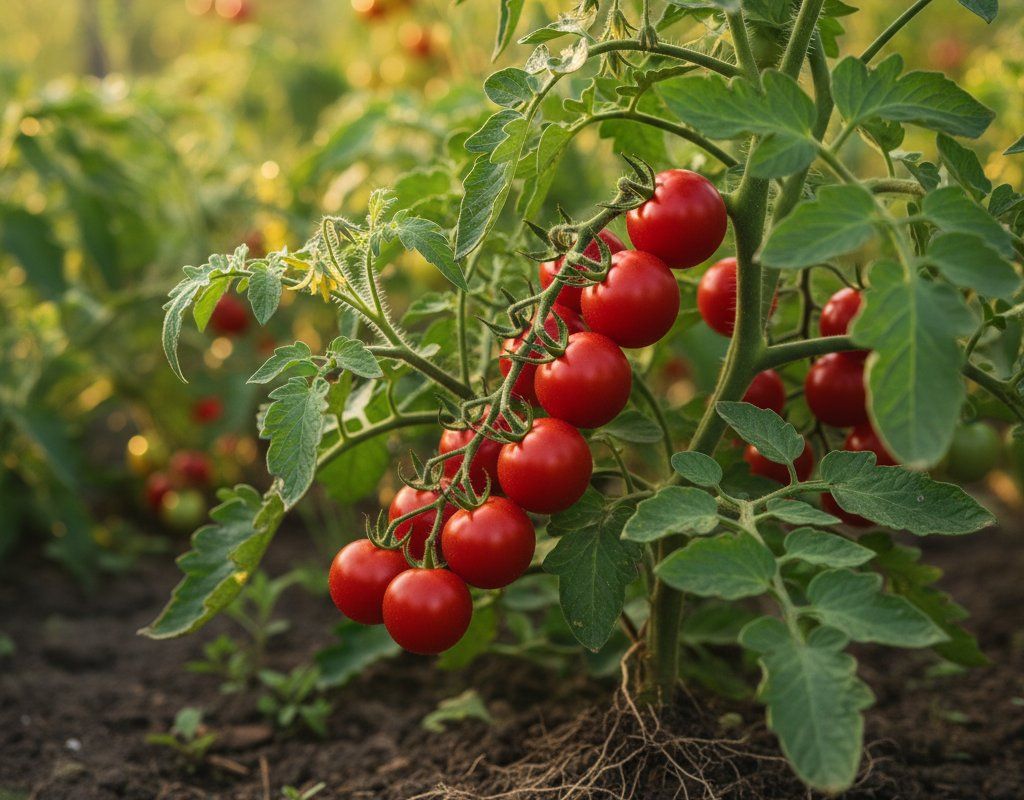
Cherry Tomatoes in Zone 3A — Great Plains
Solanum lycopersicum var. cerasiforme · Your Complete 2026 Planting Guide
Planning Ahead — Great!
You’re ahead of the season. Here’s when to start.
Mark Your Calendar
How to Plant Cherry Tomatoes in Zone 3A — Great Plains
Here are all your options for getting cherry tomatoes in the ground, from the easiest method to more advanced approaches.
Start Seeds Indoors
RecommendedMid April through mid May
around April 27
Then transplant: Early to late June
Start seeds 6-8 weeks before transplanting outdoors.
Buy Starts
Works WellEarly to late June
around June 8
Plant purchased starts after last frost (May 25).
Direct Sow Seeds
ChallengingDirect sowing is not typical for Cherry Tomatoes.
Transplant Outdoors
Timing InfoEarly to late June
around June 8
Wait until nighttime temperatures stay above 50°F.
Plan to transplant within a few weeks of your target date.
Overview
Cherry tomatoes are perfectly suited for our Great Plains zone 3A climate, where the intense prairie sunshine and warm summer days create ideal conditions for these prolific little gems. You'll harvest bowls of sweet, pop-in-your-mouth tomatoes throughout our brief but productive growing season, and their smaller size means they ripen faster and more reliably than full-size varieties in our sometimes unpredictable weather patterns.
Our 108-day growing season presents challenges for heat-loving crops, but cherry tomatoes are forgiving partners that adapt well to our extreme temperature swings and variable rainfall. With proper timing and wind protection, you'll enjoy continuous harvests from early August right up until our first frost arrives in early September.
Starting Seeds Indoors
Start your cherry tomato seeds indoors from mid-April through mid-May, about six weeks before you plan to transplant them outdoors. This timing works well with our variable spring weather patterns, giving plants enough time to develop strong root systems while avoiding the risk of late frost damage.
Set up your seed starting area with standard seed trays filled with quality potting mix, placing them in a warm spot that maintains 70-75°F for optimal germination. Once seedlings emerge, provide 12-14 hours of bright light daily using grow lights positioned 2-3 inches above the plants. Bottom watering prevents damping-off disease and encourages strong root development – place seed trays in shallow pans of water and let the soil absorb moisture from below.
As your seedlings develop their second set of true leaves, transplant them into individual 4-inch pots. This gives them room to build the robust root systems they'll need to handle our Plains winds and heat once transplanted outdoors.
Transplanting Outdoors
Plan to transplant your cherry tomatoes outdoors from early to late June, when nighttime temperatures consistently stay above 50°F and soil has warmed to at least 60°F. This timing ensures your plants won't be shocked by unexpected late cold snaps that can still surprise us in early summer.
Harden off your seedlings for one full week before transplanting by gradually exposing them to outdoor conditions. Start with 2-3 hours of morning sun, then increase exposure daily while bringing them inside during windy or particularly hot afternoons. This process helps them acclimate to our intense prairie sunshine and gusty conditions.
Space plants 24-36 inches apart to ensure good air circulation, which is crucial in our low-to-moderate humidity climate. Choose a location with wind protection – a fence, building, or established shrubs can make the difference between thriving plants and ones struggling against constant prairie winds. Install support structures at planting time to avoid disturbing roots later.
Watering Cherry Tomatoes in Zone 3A (Great Plains)
Cherry tomatoes need consistent, deep watering throughout our hot Plains summers, requiring about 1-2 inches of water per week depending on rainfall and heat intensity. Our variable precipitation patterns mean you'll need to supplement natural rainfall regularly, especially during typical dry spells that can stretch for weeks.
Check soil moisture using the finger test – stick your finger 2 inches deep into the soil near the base of plants. If it feels dry at that depth, it's time to water deeply. Water at the base of plants rather than overhead to reduce disease risk and ensure water reaches the root zone instead of evaporating in our dry air and intense sunshine.
During peak summer heat when temperatures hit our typical 93°F highs, you may need to water every other day to prevent the dry-wet cycles that cause fruit cracking. Cherry varieties are especially prone to splitting when irregular watering causes rapid water uptake after drought stress. Morning watering works best, giving plants time to absorb moisture before afternoon heat peaks.
Apply a 2-3 inch layer of organic mulch around plants to conserve soil moisture and reduce watering frequency. In our windy conditions, heavier mulches like shredded bark stay in place better than lighter materials that can blow around your garden.
Supporting Your Cherry Tomatoes
Cherry tomatoes are vigorous indeterminate growers that absolutely need tall, sturdy support to handle both their eventual 6-8 foot height and our constant Plains winds. Install 6-foot tall cages or heavy stakes at planting time – these plants will quickly outgrow standard 3-4 foot tomato cages by mid-summer.
For stakes, use 2x2 inch wooden posts or heavy metal stakes driven at least 18 inches into the ground for wind stability. Tie plants loosely with soft materials like fabric strips or plant ties, creating figure-8 loops that won't cut into growing stems when wind rocks the plants. Check and adjust ties weekly as stems thicken.
Consider creating a simple windbreak using stakes and burlap or row cover fabric, especially for newly transplanted seedlings. Once established, cherry tomatoes are remarkably wind-tolerant, but young plants benefit from protection during their first month in the ground when our gusty conditions can snap tender stems.
Pruning & Maintaining Cherry Tomatoes
Remove suckers (shoots growing between the main stem and branches) regularly throughout the growing season, focusing especially on lower suckers to improve airflow around the base of plants. Cherry tomatoes can handle more upper suckers than large varieties since their small fruits ripen quickly and don't burden the plant as heavily.
Start pruning when plants reach 18-24 inches tall, removing any growth below the first flower cluster and continuing to pinch suckers weekly. This prevents the plant from becoming an unmanageable tangle while maintaining enough foliage to protect developing fruit from our intense prairie sun.
As our first frost approaches in early September, stop pruning to allow the plant to focus energy on ripening existing fruit rather than producing new growth. Remove any diseased or yellowing lower leaves throughout the season to improve air circulation and reduce disease pressure.
🧪Fertilizing Cherry Tomatoes
Feeding Schedule
Organic Fertilizer Options
Harvest Time
Expect your first ripe cherry tomatoes from early August through early September, about 60 days after transplanting. Harvest when fruits are fully colored and give slightly to gentle pressure – most cherry varieties will pop cleanly off the vine cluster with a light tug when properly ripe.
Check plants daily once harvesting begins, as cherry tomatoes ripen quickly in our intense summer heat and can become overripe within a day or two. Regular picking encourages continued flower and fruit production, keeping plants productive throughout our relatively short growing season.
As September progresses and nighttime temperatures start dropping into the 40s, harvest all mature green fruits that show any color change. Cherry tomatoes ripen well indoors when placed in a warm spot out of direct sunlight, allowing you to extend your harvest even after light frosts damage the plants.
During peak production in August, you'll likely harvest handfuls of tomatoes every 2-3 days. Keep up with picking to prevent overloading branches and to maintain plant vigor during the stressful heat of late summer when temperatures consistently reach the 90s.
Common Problems in Zone 3A (Great Plains)
Cracking appears as splits in the tomato skin, either as concentric circles around the stem or radial lines spreading outward from the top. You'll often see this after heavy rainfall or irrigation following a dry period, which is common with our variable precipitation patterns. Prevent cracking by maintaining consistent soil moisture through regular watering and mulching heavily to buffer the wet-dry cycles typical of Plains weather.
Blossom end rot shows up as sunken, dark brown or black leathery patches on the bottom of fruits, often affecting your first harvest most severely. This calcium deficiency results from inconsistent watering rather than poor soil nutrition – the classic dry-wet cycles of Plains gardening disrupt nutrient uptake. Water consistently and deeply, mulch heavily to maintain even soil moisture, and avoid over-fertilizing with nitrogen which can interfere with calcium absorption.
Early blight creates distinctive brown spots with concentric rings (bullseye pattern) on lower leaves first, then spreads upward as leaves yellow and drop. This fungal disease thrives in our warm summer temperatures and spreads through soil splash during irrigation or storms. Prevent by mulching to reduce soil splash, watering at plant bases rather than overhead, and ensuring good air circulation through proper spacing and lower pruning.
Hornworms strip large sections of leaves seemingly overnight, leaving behind dark droppings on remaining foliage below the damage. These large green caterpillars with white diagonal stripes can defoliate entire plants quickly during peak summer. Handpick them in early morning or evening when they're most active, or apply Bt (Bacillus thuringiensis) spray for organic control that specifically targets caterpillars.
Great Plains specific challenges include our intense UV radiation that can cause sunscald on fruits, especially when foliage is damaged by wind or hail. Our low-to-moderate humidity actually reduces many fungal disease problems compared to more humid regions, but the combination of extreme heat and variable rainfall creates perfect conditions for the water-stress issues like cracking and blossom end rot.
Best Companions for Cherry Tomatoes
Plant these nearby for healthier Cherry Tomatoes and better harvests.
View Full Companion Planting Chart →



Companion Planting Details
Plant basil nearby for natural pest deterrence and improved flavor – the aromatic oils help repel aphids and whiteflies while thriving in the same hot, sunny conditions your tomatoes prefer. Carrots and parsley make excellent ground-level companions, their root systems working different soil depths while their foliage provides living mulch that conserves moisture during our dry spells.
Marigolds planted throughout your tomato area help deter harmful nematodes and add cheerful color while handling our extreme heat admirably. Avoid planting brassicas like cabbage or broccoli nearby, as they compete heavily for nutrients and often struggle in the same intense heat that tomatoes love. Skip corn as a companion since it attracts similar pests and creates too much shade, and avoid fennel which can inhibit tomato growth through allelopathic compounds in its roots.
🌸Best Flowers to Plant with Cherry Tomatoes
These flowers protect your Cherry Tomatoes from pests and attract pollinators for better harvests.
For Pest Control








Get a Reminder When It's Time to Plant
We'll email you when key planting windows open for your zone.