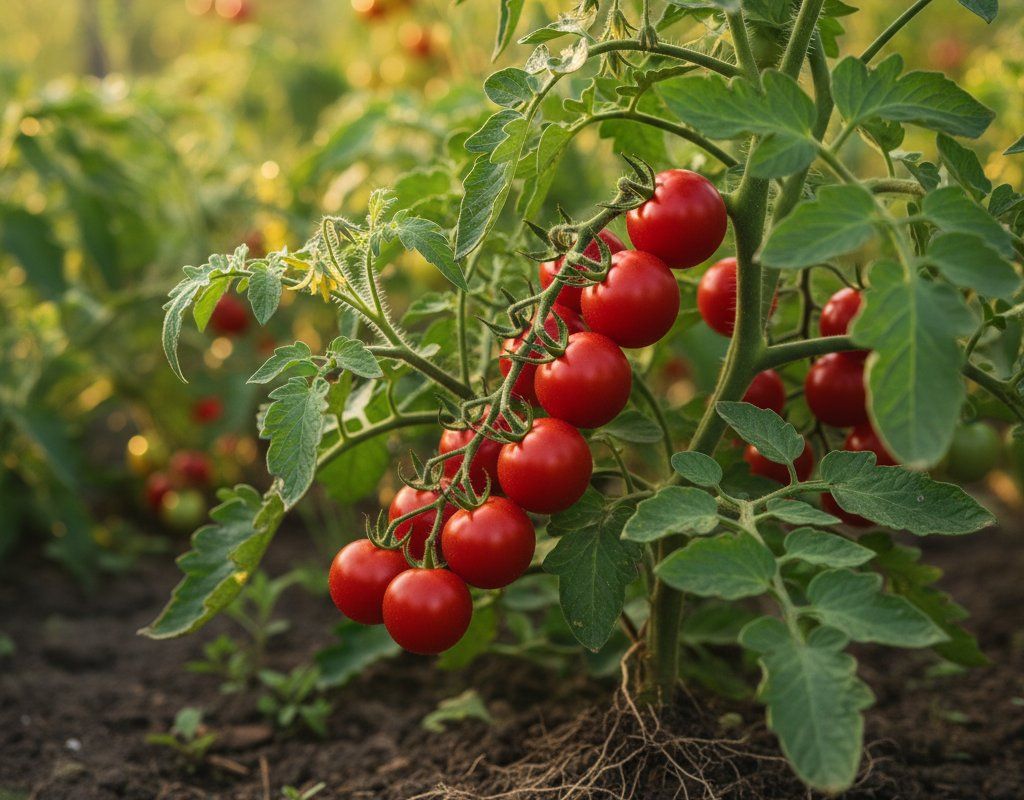
Cherry Tomatoes in Zone 6B — Southeast
Solanum lycopersicum var. cerasiforme · Your Complete 2026 Planting Guide
Ideal Time: Start Seeds Indoors!
This is the perfect time for the biggest, best harvest.
Start Seeds Now
- Start seeds in trays or pots with seed-starting mix
- Keep soil moist and warm (70-80°F)
- Transplant outdoors Mid April through mid May
Not Starting from Seed?
Buy starts around April 19 — that works great too!
How to Plant Cherry Tomatoes in Zone 6B — Southeast
Here are all your options for getting cherry tomatoes in the ground, from the easiest method to more advanced approaches.
Start Seeds Indoors
RecommendedEarly to late March
around March 8
Then transplant: Mid April through mid May
Start seeds 6-8 weeks before transplanting outdoors.
Buy Starts
Works WellMid April through mid May
around April 19
Plant purchased starts after last frost (April 5).
Direct Sow Seeds
ChallengingDirect sowing is not typical for Cherry Tomatoes.
Transplant Outdoors
Timing InfoMid April through mid May
around April 19
Wait until nighttime temperatures stay above 50°F.
You have a nice window — no need to rush.
Overview
Cherry tomatoes are pure summer gold here in the Southeast. Our long, 208-day growing season gives these prolific plants plenty of time to pump out bowls of sweet, snackable fruit from midsummer through the first frost. Unlike their larger cousins, cherry varieties handle our hot, humid conditions surprisingly well, and their quick ripening means you'll have fresh tomatoes even when disease pressure builds later in the season.
The Southeast's notorious humidity and afternoon thunderstorms can challenge tomato growers, but cherry varieties are actually more forgiving than larger types. Starting them indoors during our moderate spring and timing transplants right gives you a huge head start before the real heat kicks in.
Starting Seeds Indoors
Start your cherry tomato seeds indoors during early to late March, about 6 weeks before you plan to transplant. This timing takes advantage of our moderate spring conditions - you'll have strong seedlings ready when soil warms up without rushing into late season heat stress.
Set up seed trays in a warm spot (70-75°F works well) with good light once they germinate. I use bottom watering exclusively - it prevents damping-off disease that thrives in our humid conditions. Fill a tray with water and let the seed cells soak it up from below rather than watering from the top.
Keep seedlings under grow lights or in a sunny south window, turning them daily so they grow straight. Once they develop their first true leaves, you can start weekly dilute fertilizer feeds to build strong stems.
Transplanting Outdoors
Transplant your cherry tomato seedlings outdoors from mid-April through mid-May, when nighttime temperatures stay consistently above 50°F and soil has warmed. Our last frost typically hits in early April, but those late-season temperature swings can still damage tender plants if you rush.
Harden off seedlings gradually over a full week - start with just 2-3 hours of filtered outdoor light and work up to full days outside. This prevents transplant shock and prepares them for our intense summer sun. Space plants 24-36 inches apart; cherry varieties get surprisingly large and good air circulation helps prevent disease in our humid climate.
Plant deeply, burying about two-thirds of the stem to encourage strong root development. The extra roots will serve you well when summer heat demands more water uptake.
Watering Cherry Tomatoes in Zone 6B (Southeast)
Cherry tomatoes need consistent, deep watering throughout our hot, humid growing season. They're thirsty plants that can't handle drought, and irregular watering leads to fruit cracking - cherry varieties are especially prone to this problem. Plan on providing about 1-2 inches of water per week, including rainfall.
Use the finger test to check soil moisture: stick your finger 2 inches deep near the base of the plant. If it's dry at that depth, it's time to water. During our typical summer with 92°F days and warm nights, you'll likely need to water every 2-3 days, especially in containers or raised beds.
Always water at the base rather than overhead. Our humid conditions already promote fungal diseases, and wet foliage makes the problem worse. Soaker hoses or drip irrigation work perfectly, or just use a watering wand to direct water to the root zone. Morning watering is best - it gives plants time to dry before evening humidity builds.
Mulch heavily around plants with 2-3 inches of organic matter to maintain even soil moisture and reduce watering frequency. In our clay soil, mulching also prevents water from running off during those heavy afternoon thunderstorms we get in summer.
Supporting Your Cherry Tomatoes
Cherry tomatoes are indeterminate growers that will sprawl into a tangled mess without proper support. Install tall tomato cages (at least 5 feet) or sturdy stakes at planting time - trying to add support later damages the root system and growing vines.
Cages work well for most gardeners since they support the plant from all sides as it grows. Choose cages with openings large enough to reach through for harvesting. If you prefer staking, use 6-foot posts and tie the main stem loosely with soft materials like cloth strips or tomato ties.
Train the main stems up through the cage or tie them to stakes every 8-10 inches as they grow. Cherry tomato plants get surprisingly heavy when loaded with fruit, especially after summer thunderstorms add extra weight.
Pruning & Maintaining Cherry Tomatoes
Remove suckers (shoots that grow between the main stem and branches) from the lower part of the plant to improve air circulation. This is especially important in our humid climate where poor airflow invites fungal diseases like early blight. You can leave more upper suckers on cherry varieties than on large tomatoes since the small fruits ripen quickly.
Strip off the lowest leaves once plants are established and fruit begins to set. This prevents soil-splash diseases and keeps foliage up off the ground. Continue removing yellowing or damaged leaves throughout the growing season.
As first frost approaches in late October, you can top the plants by pinching out the growing tips. This redirects energy into ripening existing fruit rather than producing new flowers that won't have time to mature.
🧪Fertilizing Cherry Tomatoes
Feeding Schedule
Organic Fertilizer Options
Harvest Time
Your first cherry tomatoes should be ready from mid-June through early August, depending on when you transplanted and which variety you chose. The 60-day maturity count starts from transplant, not from seed, so factor in your indoor growing time.
Harvest when fruits are fully colored and give slightly to gentle pressure. Most cherry tomatoes will pop right off the vine cluster with a gentle tug - if you have to pull hard, give them another day or two. Check plants daily during peak season; cherry varieties produce continuously and need frequent picking to keep production going.
Regular harvesting encourages more fruit production, so don't let ripe tomatoes sit on the vine. In our hot summer climate, overripe fruits can split or attract pests quickly. Pick slightly underripe fruits if heavy rain threatens - they'll ripen perfectly on the counter.
When first frost threatens in late October, harvest all remaining fruits regardless of ripeness. Green cherry tomatoes ripen well indoors in a paper bag with an apple, or you can pickle them for a tangy treat. Well-tended plants often produce right up until that first killing frost.
Common Problems in Zone 6B (Southeast)
Cracking shows up as splits in the tomato skin - either circles around the stem or lines radiating outward from it. You'll see this most after heavy rain following dry spells, which we often get with our afternoon thunderstorms. The fruit absorbs water faster than the skin can expand. Prevent this by maintaining consistent soil moisture through mulching and regular watering. Harvest ripe fruits promptly, especially before predicted storms.
Blossom end rot appears as dark, sunken patches on the bottom of fruits. It's not a disease but a calcium deficiency caused by inconsistent watering - common in our clay soil that either stays soggy or dries rock-hard. Water consistently and mulch heavily to maintain even moisture. Don't over-fertilize with nitrogen, which interferes with calcium uptake.
Early blight starts as brown spots with target-like rings on lower leaves, then spreads upward in our humid conditions. Remove affected leaves immediately (don't compost them), mulch to prevent soil splash, and water only at the base. Improve air circulation through proper spacing and pruning. Copper fungicide can slow the spread.
Hornworms are large green caterpillars that can strip leaves overnight. Look for dark droppings on leaves below the damage. Handpick them (they don't bite) or spray with Bt (Bacillus thuringiensis). If you find hornworms covered with white cocoons, leave them alone - those are beneficial parasitic wasps that will kill the pest and reproduce more helpers.
Southeast Specific Challenges: Our hot, humid summers create perfect conditions for fungal diseases, while heavy clay soil causes drainage and watering consistency issues. The combination of afternoon thunderstorms and intense heat stresses plants and promotes fruit cracking. Focus on consistent moisture, good air circulation, and selecting disease-resistant varieties adapted to humid climates.
Best Companions for Cherry Tomatoes
Plant these nearby for healthier Cherry Tomatoes and better harvests.
View Full Companion Planting Chart →



Companion Planting Details
Plant basil near your cherry tomatoes - it naturally repels aphids and thrips while improving tomato flavor. Carrots work well as ground cover since their taproots don't compete with tomato roots, and parsley attracts beneficial insects that prey on tomato pests. Marigolds planted around the bed help deter nematodes in our warm soil and add color throughout the growing season.
Avoid planting brassicas (cabbage, broccoli, kale) near tomatoes since they're heavy feeders that compete for nutrients, and both crops attract similar pests. Skip fennel entirely - it inhibits tomato growth through chemical compounds in its roots. Corn makes a poor companion since it attracts corn earworms that also damage tomatoes, and both crops need full sun and lots of space.
🌸Best Flowers to Plant with Cherry Tomatoes
These flowers protect your Cherry Tomatoes from pests and attract pollinators for better harvests.
For Pest Control








Get a Reminder When It's Time to Plant
We'll email you when key planting windows open for your zone.