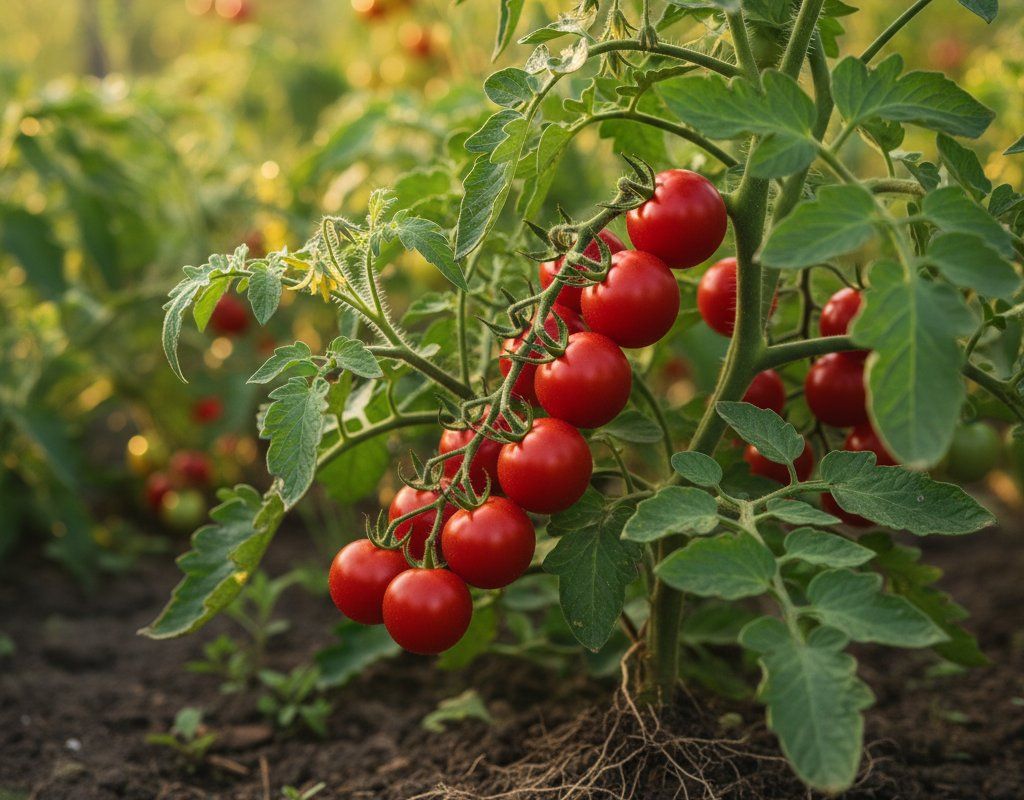
Cherry Tomatoes in Zone 6B — Texas
Solanum lycopersicum var. cerasiforme · Your Complete 2026 Planting Guide
Last Call for Seed Starting!
Indoor seed starting window closes in 7 days.
Start Seeds This Week
Start seeds now for transplanting later.
Or Wait for Starts
If you don’t want to start seeds, starts will be available around April 8.
How to Plant Cherry Tomatoes in Zone 6B — Texas
Here are all your options for getting cherry tomatoes in the ground, from the easiest method to more advanced approaches.
Start Seeds Indoors
RecommendedMid February through mid March
around February 25
Then transplant: Early April through early May
Start seeds 6-8 weeks before transplanting outdoors.
Buy Starts
Works WellEarly April through early May
around April 8
Plant purchased starts after last frost (March 25).
Direct Sow Seeds
ChallengingDirect sowing is not typical for Cherry Tomatoes.
Transplant Outdoors
Timing InfoEarly April through early May
around April 8
Wait until nighttime temperatures stay above 50°F.
You have a nice window — no need to rush.
Overview
Cherry tomatoes thrive in our Texas Zone 6B climate, giving you that perfect burst of sweet-tart flavor that makes store-bought tomatoes taste like cardboard. With our long 230-day growing season, you can get multiple harvests from these prolific plants, often producing fruit right up until the first frost in early November. These compact fruits handle our Texas heat better than their large-fruited cousins and ripen quickly during those blazing summer months.
Yes, our unpredictable weather throws curveballs – from late spring hail to summer drought to sudden temperature swings – but cherry tomatoes are surprisingly adaptable when you time things right. Starting seeds indoors in late winter gives your plants a strong foundation before facing the Texas heat, and with consistent watering through our variable climate, you'll have baskets full of these garden gems.
Starting Seeds Indoors
Start your cherry tomato seeds indoors from mid-February through mid-March, about six weeks before you plan to transplant them outside in early spring. Our early spring character means you can get a jump start while many other regions are still dealing with snow. Set up seed trays with quality seed starting mix and keep them warm – around 70-75°F works perfectly.
Place your trays under grow lights or in a sunny south-facing window, keeping the soil consistently moist using bottom watering. Fill a shallow tray with water and let your seed containers sit in it for 10-15 minutes until the surface feels damp. This prevents the seeds from washing around and reduces the risk of damping off, which can be a problem in our variable humidity.
Your seeds should germinate within 7-10 days. Once they develop their second set of true leaves, transplant them into individual 4-inch pots to give them room to develop strong root systems before facing our Texas outdoor conditions.
Transplanting Outdoors
Transplant your cherry tomato seedlings outdoors from early April through early May, after the danger of hard frost has passed. Our last frost typically arrives around late March, but those sneaky temperature swings can catch you off guard, so watch the weather forecast closely. Plan for about a week of hardening off, gradually exposing your plants to outdoor conditions for increasing periods each day.
Space your plants 24-36 inches apart – the wider spacing helps with air circulation during our humid spells and gives each plant room to grow without competing. Cherry tomatoes are vigorous growers that will sprawl into every available inch. Choose a spot with full sun (6-8 hours) and good drainage, as our unpredictable rainfall can create boggy conditions.
Watch out for late spring hail storms that can shred young transplants. Keep some row cover or overturned buckets handy for quick protection when severe weather threatens. Once established, these plants will handle our Texas climate much better than tender seedlings.
Watering Cherry Tomatoes in Zone 6B (Texas)
Cherry tomatoes need consistent moisture – about 1-1.5 inches per week – but our unpredictable Texas rainfall means you can't rely on Mother Nature. During our typical summer with highs hitting 97°F and variable humidity, you'll likely need to water every other day, sometimes daily during heat waves. The key is maintaining steady soil moisture to prevent the fruit cracking that cherry varieties are prone to.
Check soil moisture by sticking your finger 2 inches deep near the base of the plant. If it feels dry, it's time to water deeply at the base rather than overhead. Our variable humidity can create conditions for fungal diseases when water sits on leaves, especially during those muggy summer evenings.
Watch for signs of water stress: wilting during the heat of the day (normal), wilting in early morning (needs water), or fruit with concentric cracks around the stem (inconsistent watering). Yellow leaves from the bottom up often signal overwatering, while curled leaf edges usually mean the plant needs more water.
Apply 2-3 inches of organic mulch around your plants to help retain moisture during drought periods and prevent soil splash during our sudden thunderstorms. This simple step can cut your watering needs in half while keeping the roots cooler during extreme heat spells.
Supporting Your Cherry Tomatoes
Install tall cages or sturdy stakes at planting time – cherry tomato plants are vigorous indeterminate growers that can easily reach 6-8 feet in our long growing season. Standard tomato cages from the hardware store often aren't tall enough, so look for 6-foot cages or build your own using concrete reinforcement wire. Wooden stakes should be at least 8 feet long, driven 2 feet into the ground.
Start training your plants early by gently tying the main stem to the support with soft ties or strips of cloth. Check weekly and adjust ties as the plant grows – they can put on several inches of growth during our warm springs. Don't wait until the plant is falling over, as heavy fruit-laden branches can break when you try to lift them.
Cherry tomatoes produce heavy clusters of fruit that can snap branches without proper support. Unlike larger tomato varieties, you want to support the fruit trusses themselves, not just the main stem. Use additional stakes or tie branches to your main support structure when clusters start forming.
Pruning & Maintaining Cherry Tomatoes
Remove suckers – those shoots that emerge from where branches meet the main stem – especially on the lower third of the plant. This improves air circulation during our humid spells and focuses the plant's energy on fruit production rather than excessive foliage. You can be less aggressive with cherry varieties than large tomatoes since their small fruits ripen quickly.
Prune off any branches touching the ground to prevent soil-borne diseases, and remove yellowing lower leaves as the season progresses. During our extreme heat in mid-summer, some gardeners remove a few upper branches to reduce stress on the plant, but this isn't necessary if you're keeping up with watering.
As first frost approaches in early November, you can either let the plant finish naturally or top it (remove the growing tip) about a month before to encourage the plant to ripen existing fruit rather than setting new flowers. Many gardeners prefer to harvest green tomatoes before frost and let them ripen indoors.
🧪Fertilizing Cherry Tomatoes
Feeding Schedule
Organic Fertilizer Options
Harvest Time
Your first cherry tomatoes will be ready from early June through late July, depending on when you transplanted and your specific variety. At 60 days from transplant, you'll start seeing ripe fruit, but the plants will continue producing until frost. Look for fruits that are fully colored and give slightly to gentle pressure – they should pop right off the vine cluster with a light tug.
Harvest every 2-3 days once production starts, as ripe fruit left on the vine can split during our afternoon thunderstorms or attract insects. Cherry tomatoes taste best when allowed to ripen fully on the plant, developing that perfect balance of sweetness and acidity that makes them irresistible straight from the garden.
Keep harvesting regularly to encourage continued production. A single plant can produce hundreds of fruits throughout our long growing season. During peak production in summer, you might be picking daily – and you'll be grateful for every one when August heat makes larger tomatoes crack and split.
As first frost approaches in early November, harvest all remaining fruit regardless of size. Green cherry tomatoes ripen well indoors when stored in a paper bag with a ripe apple or banana. Some varieties will even ripen on the counter without help, giving you fresh tomatoes well into winter.
Common Problems in Zone 6B (Texas)
Cracking Split skin showing concentric circles around the stem or radiating lines from top to bottom. Cherry varieties are especially prone to this frustrating problem. Our unpredictable Texas rainfall – going from drought to flash flood – causes fruit to absorb water faster than the skin can expand. Harvest ripe fruit promptly and maintain consistent soil moisture with mulch and regular watering. Some gardeners pick fruit just before full ripeness during rainy periods.
Blossom End Rot Dark, sunken leathery patches on the bottom of fruit, often affecting your first tomatoes of the season. This isn't a disease but a calcium deficiency triggered by inconsistent watering – exactly what happens during our drought-to-deluge weather patterns. Water consistently and deeply, mulch heavily, and avoid over-fertilizing with nitrogen. Remove affected fruits so the plant can focus on healthy ones.
Early Blight Brown spots with distinctive bullseye patterns starting on lower leaves and moving upward, eventually causing leaves to yellow and drop. Our warm, humid conditions are perfect for this fungal disease. Remove affected leaves immediately (don't compost them), mulch to prevent soil splash, and water at the base rather than overhead. Copper fungicides can slow the spread, but prevention through good spacing and air circulation works better.
Hornworms Large sections of leaves stripped overnight with dark droppings visible below. These 4-inch green caterpillars with white diagonal stripes can defoliate a plant in days. Hand-picking works well (they don't bite), or spray with Bt (Bacillus thuringiensis) for organic control. If you find hornworms covered with white cocoons, leave them alone – those are beneficial wasp eggs that will kill the pest and produce more garden helpers.
Texas Specific Challenges: Our extreme heat and variable humidity create perfect conditions for both drought stress and fungal diseases. Fire ants can also protect aphids on your plants, so control ant mounds near your garden. The key to success with cherry tomatoes in Texas is consistent watering and good air circulation to handle our unpredictable weather swings.
Best Companions for Cherry Tomatoes
Plant these nearby for healthier Cherry Tomatoes and better harvests.
View Full Companion Planting Chart →



Companion Planting Details
Plant basil nearby – it naturally repels aphids and spider mites while supposedly improving tomato flavor, and you'll have both ingredients for fresh caprese salad. Carrots work well planted between tomato rows since their deep taproots don't compete with shallow tomato feeder roots, and parsley attracts beneficial insects that help control garden pests. Marigolds planted around the garden border can help deter nematodes, though their effectiveness varies in our Texas soils.
Avoid planting brassicas like cabbage or broccoli near tomatoes, as they compete for similar nutrients and can harbor similar pests. Fennel should stay far away from your tomato patch – it releases compounds that can stunt tomato growth. Corn isn't ideal either since both crops are heavy feeders that will compete for nutrients, and corn earworms often become tomato fruitworms later in the season.
🌸Best Flowers to Plant with Cherry Tomatoes
These flowers protect your Cherry Tomatoes from pests and attract pollinators for better harvests.
For Pest Control








Get a Reminder When It's Time to Plant
We'll email you when key planting windows open for your zone.