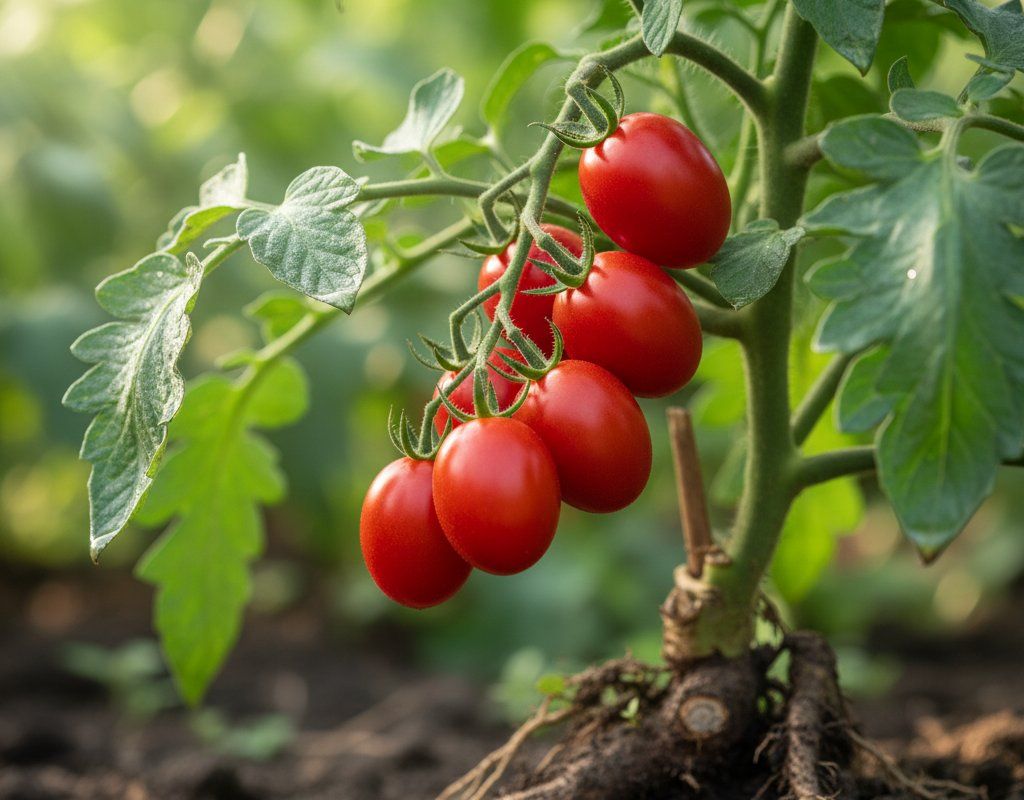
Grape Tomatoes in Zone 3A — Great Plains
Solanum lycopersicum var. cerasiforme · Your Complete 2026 Planting Guide
Planning Ahead — Great!
You’re ahead of the season. Here’s when to start.
Mark Your Calendar
How to Plant Grape Tomatoes in Zone 3A — Great Plains
Here are all your options for getting grape tomatoes in the ground, from the easiest method to more advanced approaches.
Start Seeds Indoors
RecommendedMid April through mid May
around April 27
Then transplant: Early to late June
Start seeds 6-8 weeks before transplanting outdoors.
Buy Starts
Works WellEarly to late June
around June 8
Plant purchased starts after last frost (May 25).
Direct Sow Seeds
ChallengingDirect sowing is not typical for Grape Tomatoes.
Transplant Outdoors
Timing InfoEarly to late June
around June 8
Wait until nighttime temperatures stay above 50°F.
Plan to transplant within a few weeks of your target date.
Overview
Grape tomatoes bring the perfect balance of sweet-tart flavor and meaty texture to your Great Plains garden, offering more substance than cherry tomatoes while staying smaller than full-size varieties. Their prolific production makes them ideal for our intense Plains sunshine, and their thicker skin means they handle our temperature swings better than more delicate tomato types. You'll find yourself reaching for these bite-sized gems straight off the vine during those blazing summer afternoons, and they're perfect for everything from fresh salads to quick pasta dishes.
Growing grape tomatoes in our 108-day season does require starting indoors, but don't let that intimidate you. Our variable spring weather actually makes indoor starting a smart choice anyway, giving you control over those critical early weeks. Once our soil warms up and the risk of late frost passes, these vigorous plants thrive in our prairie conditions with proper wind protection and consistent watering.
Starting Seeds Indoors
Start your grape tomato seeds indoors during mid-April through mid-May, about 6 weeks before you plan to transplant them outside. Our variable spring weather makes this timing flexible – if we're having an unusually cold stretch, start on the later end of this range. You'll need seed starting trays, a warm spot (70-75°F works well), and either a sunny south-facing window or grow lights.
Plant seeds about ¼ inch deep in quality seed starting mix, and keep the soil consistently moist but not waterlogged. Bottom watering works especially well for tomatoes – place your seed trays in a shallow pan of water and let the soil absorb moisture from below. This prevents the delicate seedlings from getting knocked over by overhead watering.
Once seedlings emerge, they'll need plenty of light to prevent getting leggy. If you're using a window, rotate the trays daily so plants don't lean too much toward the light. When seedlings develop their first true leaves (not the initial seed leaves), you can start feeding them with a diluted liquid fertilizer every couple of weeks.
Transplanting Outdoors
Plan to transplant your grape tomato seedlings outdoors from early to late June, after our soil has warmed to at least 60°F and nighttime temperatures stay consistently above 50°F. Start hardening them off about a week before transplant by gradually exposing them to outdoor conditions – begin with just an hour or two of morning sun, then increase their outdoor time daily while bringing them in at night.
Space your plants 24-36 inches apart to allow for good air circulation, which is especially important in our windy Plains climate. The wider spacing also gives each plant room to develop the strong root system they'll need to handle our summer heat and variable rainfall. Choose a spot with full sun and some natural wind protection, like the south side of a fence or building.
Keep a close eye on weather forecasts during transplant time, as late cold snaps can still surprise us in early June. Having row covers or even old bedsheets ready can save your plants if temperatures drop unexpectedly. Our intense sunshine can also shock newly transplanted seedlings, so consider providing some temporary afternoon shade for the first few days.
Watering Grape Tomatoes in Zone 3A (Great Plains)
Grape tomatoes need consistent, deep watering throughout our growing season, requiring about 1-1.5 inches per week including rainfall. In our hot Plains summers with temperatures regularly hitting 93°F, this often means watering every 2-3 days during peak heat, especially when our variable rainfall doesn't cooperate. Check soil moisture with the finger test – stick your finger 2 inches into the soil near the plant base, and water when it feels dry at that depth.
Water at the base of the plants rather than overhead to reduce disease risk and make every drop count in our low-to-moderate humidity climate. A soaker hose or drip irrigation works perfectly, but a regular hose with the water running slowly at the base accomplishes the same goal. Morning watering gives plants time to absorb moisture before the day's heat peaks.
Watch for signs of water stress, especially during our notorious heat waves. Wilting during the hottest part of the day is normal, but if plants stay wilted in the evening or show yellowing lower leaves, increase your watering frequency. Conversely, if lower leaves turn yellow and drop while upper leaves look fine, you might be overwatering – back off slightly and improve drainage if needed.
Mulch around your plants with 2-3 inches of straw or shredded leaves to conserve moisture and moderate soil temperature swings. This is especially valuable in our climate where soil can bake hard during hot spells, then get saturated during sudden thunderstorms.
Supporting Your Grape Tomatoes
Install sturdy tomato cages or stakes at planting time, as grape tomatoes are vigorous indeterminate plants that will easily reach 6 feet or taller in our fertile prairie soil. Standard 54-inch tomato cages work well, but choose heavy-gauge wire that won't collapse under the plant's weight or bend in our persistent Plains winds. For staking, use 6-8 foot stakes and tie plants loosely with soft cloth strips every 12-18 inches as they grow.
Our constant wind makes support even more critical than in calmer climates. Position cages or stakes on the windward side when possible, and consider adding extra stakes if you're in a particularly exposed location. The combination of wind and the weight of a fully-loaded grape tomato plant can topple inadequate support systems.
As plants grow, gently weave the main stems through cage openings or tie them to stakes, but avoid binding them too tightly. The stems will continue to thicken throughout the season, and tight ties can cut into the plant. Check and adjust ties monthly, especially after strong windstorms that might have shifted the plants.
Pruning & Maintaining Grape Tomatoes
Grape tomatoes produce abundantly with minimal pruning, but removing suckers (shoots growing between main stems and branches) helps direct energy into fruit production. Focus on removing large suckers below the first flower cluster and any that develop in the main crotch of the plant. You can leave smaller suckers on the upper part of the plant, as grape tomatoes handle a bit more foliage than larger tomato varieties.
Remove lower leaves that touch the ground or show signs of disease, working your way up the plant as the season progresses. This improves air circulation and reduces disease pressure, which becomes more important during our humid summer periods. Use clean pruning shears and avoid pruning when leaves are wet to prevent spreading any potential diseases.
As first frost approaches in early September, pinch off new flower clusters that won't have time to mature. About 4-6 weeks before expected frost, remove the growing tips to encourage the plant to put energy into ripening existing fruit rather than producing new flowers. This end-of-season pruning helps you get the most from your harvest before cold weather hits.
🧪Fertilizing Grape Tomatoes
Feeding Schedule
Organic Fertilizer Options
Harvest Time
Your first grape tomatoes should be ready for harvest in early August through early September, about 60 days after transplanting. Look for fruits that have developed their full color – usually deep red, though some varieties may be yellow, purple, or orange. Unlike larger tomatoes, grape tomatoes should feel firm with just slight give when gently squeezed, and their oblong shape will be fully developed.
Harvest by gently twisting and pulling individual tomatoes, or cut the entire cluster if most fruits are ripe. The thicker skin of grape tomatoes means they store longer than cherry types and can handle a bit more rough treatment during picking. Check plants every 2-3 days during peak season, as the continuous harvest keeps plants producing new flowers and fruit.
These plants produce heavily through our summer heat, often giving you several pounds of fruit per plant by season's end. The consistent production means you'll have fresh tomatoes for weeks, perfect for our relatively short growing season. During extreme heat waves, harvest frequency might slow temporarily, but production typically resumes once temperatures moderate.
When first frost threatens in early September, harvest all remaining fruits regardless of ripeness. Green and partially ripe grape tomatoes will continue ripening indoors if kept in a warm spot out of direct sunlight. Place them in a paper bag with a ripe apple or banana to speed the process, or spread them on newspaper in a cool, dark area for slower ripening over several weeks.
Common Problems in Zone 3A (Great Plains)
Cracking appears as splits in the tomato skin, either in circular patterns around the stem end or as lines radiating outward from the top. You'll typically see this after heavy rain or irrigation following a dry spell, especially during our variable rainfall patterns. The fruit absorbs water faster than the skin can expand, causing these unsightly and rot-prone splits.
Prevent cracking by maintaining consistent soil moisture through regular watering and mulching. Our cycle of drought followed by sudden thunderstorms creates perfect cracking conditions, so deep, regular watering helps moderate these extremes. Harvest ripe fruits promptly rather than leaving them on the vine, and consider choosing crack-resistant varieties if this becomes a persistent problem.
Blossom end rot shows up as sunken, dark brown or black leathery patches on the bottom end of fruits, often affecting the season's first tomatoes most severely. This isn't a disease but a calcium deficiency triggered by inconsistent watering – something our variable Plains rainfall can definitely cause. When soil moisture fluctuates dramatically, plants can't take up calcium properly even when plenty exists in the soil.
Fix blossom end rot by maintaining steady soil moisture through consistent watering and heavy mulching. This is your most effective tool and often completely eliminates the problem. Avoid over-fertilizing with nitrogen, which can interfere with calcium uptake, and remove affected fruits to redirect the plant's energy. Foliar calcium sprays provide minimal benefit compared to consistent watering.
Early blight appears as brown spots with distinctive concentric rings (looking like targets or bullseyes) on lower leaves first, then spreads upward as leaves yellow and drop. This fungal disease thrives in our warm summer conditions and spreads when soil splashes onto lower leaves during watering or storms. Left untreated, it can defoliate plants and reduce fruit production significantly.
Combat early blight by removing affected leaves immediately and destroying them (never compost diseased material). Mulch heavily to prevent soil splash, water at the plant base rather than overhead, and ensure good air circulation through proper spacing and pruning. Copper-based fungicides can slow the spread if applied early, and rotating your tomato planting location each year helps break the disease cycle.
Great Plains Specific Challenges: Our combination of intense heat, variable rainfall, and persistent wind creates unique stresses for grape tomatoes. The low-to-moderate humidity generally reduces fungal diseases, but our extreme temperature swings can stress plants and make them more susceptible to problems. Hail damage is always a risk during summer storms, and our short season means any setback significantly impacts total harvest.
Best Companions for Grape Tomatoes
Plant these nearby for healthier Grape Tomatoes and better harvests.
View Full Companion Planting Chart →



Companion Planting Details
Plant basil near your grape tomatoes – it naturally repels aphids and whiteflies while the aromatic oils may improve tomato flavor. Carrots make excellent companions as their deep taproots don't compete with tomato roots, and they help break up our sometimes-compacted prairie soil. Parsley attracts beneficial insects that prey on tomato pests, while marigolds planted around the tomato bed help deter nematodes and add splash of color that thrives in our intense Plains sunshine.
Avoid planting brassicas like cabbage, broccoli, or cauliflower near tomatoes, as they can stunt tomato growth and compete for nutrients in ways that hurt both crops. Keep fennel away from your tomato patch as it inhibits growth in most vegetables, and avoid corn since both are heavy feeders that will compete for nutrients in the same soil layer. In our wind-prone climate, also consider how companion plants might create wind tunnels or provide beneficial wind breaks for your tomato plants.
🌸Best Flowers to Plant with Grape Tomatoes
These flowers protect your Grape Tomatoes from pests and attract pollinators for better harvests.
For Pest Control

Get a Reminder When It's Time to Plant
We'll email you when key planting windows open for your zone.