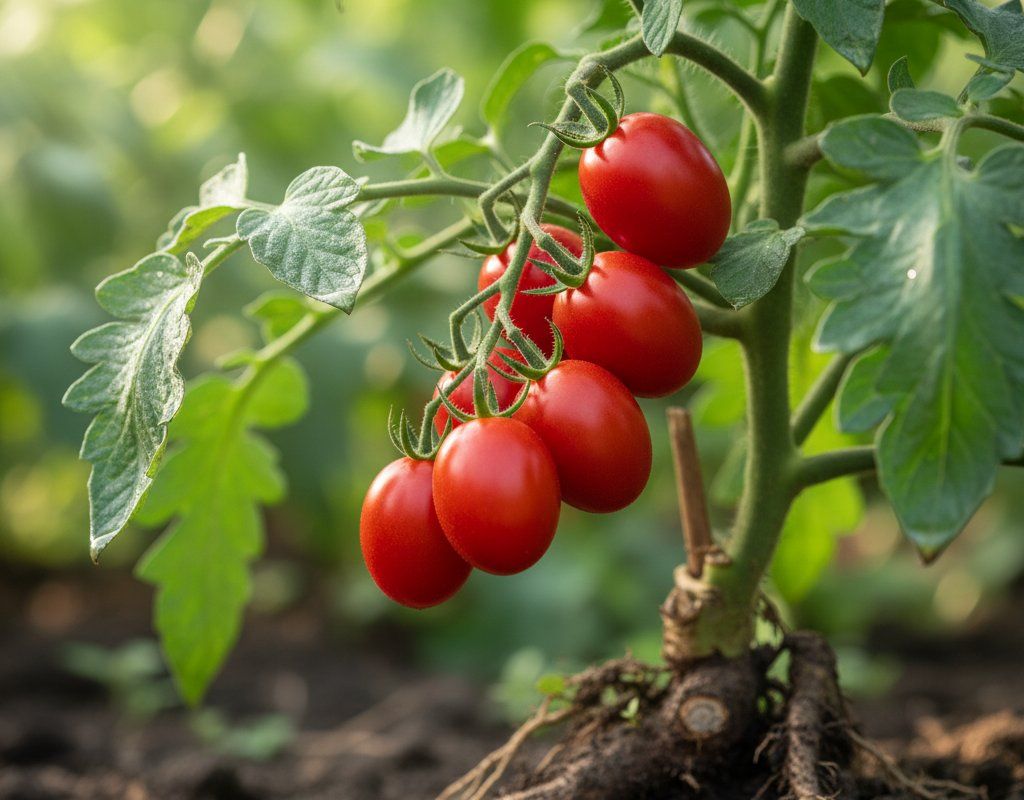
Grape Tomatoes in Zone 4A — Great Plains
Solanum lycopersicum var. cerasiforme · Your Complete 2026 Planting Guide
Planning Ahead — Great!
You’re ahead of the season. Here’s when to start.
Mark Your Calendar
How to Plant Grape Tomatoes in Zone 4A — Great Plains
Here are all your options for getting grape tomatoes in the ground, from the easiest method to more advanced approaches.
Start Seeds Indoors
RecommendedEarly to late April
around April 12
Then transplant: Late May through late June
Start seeds 6-8 weeks before transplanting outdoors.
Buy Starts
Works WellLate May through late June
around May 24
Plant purchased starts after last frost (May 10).
Direct Sow Seeds
ChallengingDirect sowing is not typical for Grape Tomatoes.
Transplant Outdoors
Timing InfoLate May through late June
around May 24
Wait until nighttime temperatures stay above 50°F.
You have a nice window — no need to rush.
Overview
Grape tomatoes are perfect for Great Plains gardeners who want the sweet intensity of cherry tomatoes but with thicker skin that handles our extreme weather swings better. These oblong gems deliver that perfect pop of concentrated flavor while standing up to our notorious temperature fluctuations and occasional hail better than their delicate cherry cousins. The prolific indeterminate vines produce clusters of firm, meaty fruit that work beautifully fresh, in salads, or roasted when our summer heat makes cooking indoors unbearable.
With our 138-day growing season and those sudden spring temperature swings, grape tomatoes need an indoor start to reach their full potential before our first frost arrives in late September. The timing might seem challenging at first, but these vigorous plants reward patience with heavy yields once our intense Plains sunshine kicks in during summer.
Starting Seeds Indoors
Start your grape tomato seeds indoors during early to late April, about six weeks before you plan to transplant them outside. With our variable spring weather that can swing from 30°F to 70°F in a matter of days, indoor starting gives you complete control over those crucial early weeks.
Set up seed trays with quality seed starting mix and place them somewhere consistently warm - ideally 70-75°F. A heat mat under the trays helps maintain steady temperatures when our houses are still cool from winter heating bills. Once seedlings emerge in 7-10 days, they'll need bright light for 14-16 hours daily. Use bottom watering to keep soil evenly moist without disturbing the delicate surface roots.
Your seedlings will be ready for transplanting by late May through late June, depending on when you started them and how quickly our spring warms up. The flexible timing works well with our unpredictable Plains spring weather patterns.
Transplanting Outdoors
Plan to transplant your grape tomatoes outdoors from late May through late June, once nighttime temperatures stay consistently above 50°F and soil has warmed to at least 60°F. Our intense sunshine heats soil quickly once the weather settles, but that last cold snap can still surprise us into early June some years.
Harden off your seedlings gradually over a full week before transplanting. Start with just 2-3 hours of filtered morning sun, then gradually increase exposure. Pay attention to wind during this process - even gentle Plains breezes can shock tender transplants that aren't used to air movement. A temporary windbreak of boards or buckets helps during those first few outdoor days.
Space plants 24-36 inches apart to allow for good air circulation in our low-to-moderate humidity climate. The wider spacing also gives you room to move around plants during our intense summer heat without accidentally damaging branches loaded with fruit clusters.
Watering Grape Tomatoes in Zone 4A (Great Plains)
Grape tomatoes need consistent, deep watering throughout our hot Plains summers, especially since they're not drought tolerant like some garden crops. With summer highs regularly hitting 93°F and our variable rainfall patterns, you'll need to supplement natural precipitation most years. These plants require about 1-2 inches of water weekly, delivered slowly and deeply to encourage strong root systems.
Use the finger test to check soil moisture - stick your finger 2 inches deep near the base of the plant. If it's dry at that depth, it's time to water. In our hot, low-humidity climate, surface soil dries quickly but doesn't always reflect deeper moisture levels. Water at the base rather than overhead to avoid any humidity-related disease issues, though our generally dry air means foliar diseases are less problematic than in more humid regions.
Watch for signs of water stress during heat waves - grape tomatoes will show slightly drooped leaves during the hottest part of afternoon even when adequately watered, but they should perk up by evening. Consistently wilted plants or yellowing lower leaves signal underwatering, while yellowing throughout the plant often indicates overwatering and poor root health.
Apply 2-3 inches of organic mulch around plants to help maintain even soil moisture despite our temperature swings and drying winds. Grass clippings or shredded leaves work well and gradually improve our naturally fertile prairie soil as they decompose.
Supporting Your Grape Tomatoes
Install sturdy tomato cages or stakes at planting time, before the root system establishes. Grape tomatoes are vigorous indeterminate growers that can easily reach 6-8 feet tall in our intense summer sunshine, and they'll produce heavy clusters of fruit that need solid support. Standard 5-foot tomato cages work well, though you might need to add a stake for extra stability against our constant Plains winds.
Wind protection is essential for grape tomatoes - consider placing supports on the windward side or creating temporary barriers during particularly gusty periods. Our steady 15-20 mph winds can snap unsupported branches or topple entire cages if they're not well-anchored. Drive stakes at least 18 inches deep and position them before the soil gets too dry and hard in summer.
Train the main stems up through the cage openings as they grow, gently tucking wayward branches inside the support structure. The prolific side branches will naturally weave through the cage bars, creating a self-supporting network that handles wind better than single-stake systems.
Pruning & Maintaining Grape Tomatoes
Grape tomatoes need only light pruning compared to large slicing varieties. Remove suckers (shoots growing between the main stem and branches) when they're small, but don't obsess over getting every single one - these plants produce abundantly even with minimal intervention. Focus on removing suckers below the first flower cluster and any that develop into large competing stems.
Prune away lower leaves that touch the ground to prevent soil splash and potential disease issues, though our low humidity means disease pressure is generally lighter than in more humid climates. As summer progresses, remove yellowing or damaged leaves to keep energy focused on fruit production.
Around late August, start removing new flower clusters that won't have time to mature before our first frost in late September. This concentrates the plant's energy into ripening existing fruit rather than starting new ones that won't finish. You can also top the main growing point to stop upward growth and redirect energy into fruit development during those final weeks.
🧪Fertilizing Grape Tomatoes
Feeding Schedule
Organic Fertilizer Options
Harvest Time
Your first grape tomatoes will be ready from late July through early September, about 60 days from transplanting. Look for fruit that's fully colored - deep red, yellow, or purple depending on variety - with a firm texture that gives just slightly when gently squeezed. The oblong shape should be well-developed, and the thicker skin will have a slight gloss when perfectly ripe.
Harvest by gently twisting and pulling individual tomatoes, or cut the entire cluster if most fruits are ripe. The thick skin means these tomatoes handle harvesting better than delicate cherry types, making them perfect for our sometimes rough-handed Prairie approach to gardening. Pick regularly to encourage continued production - plants will keep producing new flower clusters until frost stops them.
During heat waves when temperatures stay above 90°F for several days, harvest tomatoes slightly underripe and let them finish ripening indoors. Our intense sunshine can actually prevent proper ripening when temperatures get too extreme, leaving fruit with poor color development.
As first frost approaches in late September, harvest all remaining fruit regardless of ripeness. Green and partially ripe tomatoes will continue ripening indoors at room temperature, giving you fresh grape tomatoes well into October. Store them in a single layer away from direct sunlight and check daily for ripe ones to use.
Common Problems in Zone 4A (Great Plains)
Cracking Concentric circles or radial splits around the stem end expose the flesh and invite rot. In our climate with variable rainfall - some years getting 15 inches, others getting 35 inches - the dry-to-wet cycles cause fruit to absorb water faster than the skin can expand. This is especially common after heavy summer storms following dry periods.
Maintain consistent soil moisture through regular watering and thick mulching. Our intense sunshine and drying winds make this more challenging than in other climates, but it's the most effective prevention. Harvest promptly when fruit is ripe rather than letting it hang on the vine during weather swings.
Blossom End Rot Dark, sunken patches on the bottom of fruit look like leather spots and typically affect the season's first tomatoes. This isn't a disease but a calcium deficiency caused by inconsistent watering - common in our climate where spring rains can be followed by hot, dry stretches. Our naturally fertile prairie soil usually has adequate calcium, but plants can't access it during drought stress.
Water consistently and deeply rather than frequent shallow watering. Mulch heavily to buffer our extreme temperature swings and maintain even soil moisture. Avoid over-fertilizing with nitrogen, which can interfere with calcium uptake during our rapid growth periods in intense summer heat.
Early Blight Brown spots with distinctive target or bullseye patterns start on lower leaves and work upward, eventually causing leaves to yellow and drop. This fungal disease spreads through soil splash during summer storms and thrives in our warm temperatures, though our generally low humidity keeps it less aggressive than in more humid regions.
Remove affected leaves immediately and mulch heavily to prevent soil splash during our occasional heavy downpours. Water at the base rather than overhead, and ensure good air circulation through proper spacing. Our constant winds actually help with air movement, but dense plantings can still create humid microclimates where the fungus thrives.
Great Plains Specific Challenges Our combination of intense heat, variable rainfall, and constant wind creates unique stresses for grape tomatoes. The rapid temperature swings from cool mornings to 90°F+ afternoons can stress plants and affect fruit set, while sudden summer storms after dry periods trigger cracking issues. However, our naturally low humidity and intense sunshine mean disease pressure stays manageable with basic prevention.
Best Companions for Grape Tomatoes
Plant these nearby for healthier Grape Tomatoes and better harvests.
View Full Companion Planting Chart →



Companion Planting Details
Plant basil nearby to help repel aphids and other small pests while providing convenient harvests for caprese salads with your grape tomatoes. Carrots work well as ground-level companions since their light foliage doesn't compete for space and they help break up soil for better water infiltration during our heavy summer rains. Parsley planted around the edges provides beneficial insect habitat and won't shade your tomatoes in our intense sunshine.
Marigolds scattered throughout the tomato patch may help deter nematodes in soil, though our harsh Plains winters typically keep nematode populations low anyway. Avoid planting brassicas like cabbage or broccoli nearby, as they can inhibit tomato growth and compete for nutrients in our relatively short growing season. Fennel and corn should also be kept at a distance - fennel releases compounds that can stunt tomato growth, while corn attracts tomato hornworms and creates too much shade for optimal fruit production in our climate.
🌸Best Flowers to Plant with Grape Tomatoes
These flowers protect your Grape Tomatoes from pests and attract pollinators for better harvests.
For Pest Control

Get a Reminder When It's Time to Plant
We'll email you when key planting windows open for your zone.