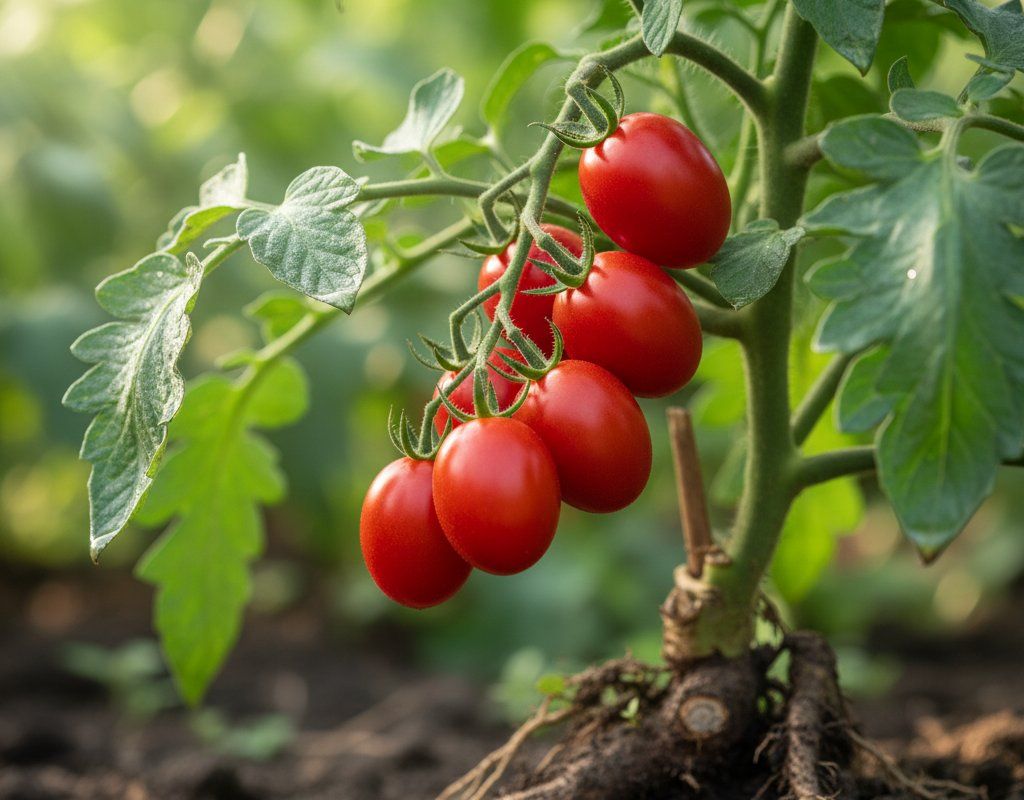
Grape Tomatoes in Zone 5A — Great Plains
Solanum lycopersicum var. cerasiforme · Your Complete 2026 Planting Guide
Planning Ahead — Great!
You’re ahead of the season. Here’s when to start.
Mark Your Calendar
How to Plant Grape Tomatoes in Zone 5A — Great Plains
Here are all your options for getting grape tomatoes in the ground, from the easiest method to more advanced approaches.
Start Seeds Indoors
RecommendedLate March through mid April
around March 28
Then transplant: Early May through early June
Start seeds 6-8 weeks before transplanting outdoors.
Buy Starts
Works WellEarly May through early June
around May 9
Plant purchased starts after last frost (April 25).
Direct Sow Seeds
ChallengingDirect sowing is not typical for Grape Tomatoes.
Transplant Outdoors
Timing InfoEarly May through early June
around May 9
Wait until nighttime temperatures stay above 50°F.
You have a nice window — no need to rush.
Overview
Grape tomatoes thrive in our Prairie summers, delivering prolific harvests of sweet, meaty fruits that outperform larger varieties in our challenging Plains climate. These compact, oblong tomatoes resist cracking better than cherry types while maintaining that perfect balance of sweetness and acidity that makes fresh eating so rewarding. Their thick skin holds up beautifully in our intense sunshine and variable weather patterns.
Growing grape tomatoes here requires working with our 168-day season and those famous Plains temperature swings, but the timing actually works in your favor. Start seeds indoors during late winter's unpredictable weather, then transplant when soil warms reliably in May - you'll have fresh tomatoes rolling in by midsummer and producing right through our first frost in early October.
Starting Seeds Indoors
Start your grape tomato seeds indoors from late March through mid-April, about 6 weeks before your planned transplant date. This timing protects you from our spring's notorious temperature swings while giving plants enough indoor development time to handle whatever weather greets them outside.
Set up seed trays with quality potting mix in a warm location - grape tomatoes germinate best with soil temperatures around 70-75°F. A heat mat helps maintain consistent warmth even when our March weather bounces between winter and summer overnight. Position grow lights 2-3 inches above the trays once seedlings emerge, running them 12-14 hours daily.
Bottom watering works best for consistent moisture without disturbing tiny seedlings. Set your seed trays in shallow pans of water, letting the soil absorb what it needs through the drainage holes. This method prevents the feast-or-famine watering cycle that often happens with overhead watering, especially important as our prairie soils tend to dry out quickly indoors.
Transplanting Outdoors
Plan to transplant your grape tomato seedlings outdoors from early May through early June, timing it for when nighttime temperatures stay consistently above 50°F. Our Plains springs can fool you with warm spells followed by surprise cold snaps, so watch the extended forecast rather than trusting one warm week.
Harden off seedlings gradually over 7-10 days before transplanting. Start with a few hours of morning sun in a protected spot, gradually increasing outdoor exposure. This process is especially critical here where our spring winds can shock tender plants that haven't adjusted to outdoor conditions yet.
Space plants 24-36 inches apart to handle their vigorous indeterminate growth and ensure good air circulation in our sometimes humid summer evenings. Plant slightly deeper than the seedlings were growing in their containers - tomatoes will develop additional roots along any buried stem portion, creating stronger plants better equipped to handle our summer heat and occasional drought stress.
Watering Grape Tomatoes in Zone 5A (Great Plains)
Grape tomatoes need consistent, deep watering throughout our hot Plains summers - plan on providing 1-2 inches per week including rainfall. Their high water needs make them unsuitable for drought conditions, but our intense sunshine and low-to-moderate humidity actually help prevent many fungal diseases that plague tomatoes in more humid climates.
Check soil moisture using the finger test: stick your finger 2 inches deep near the plant base. If it's dry at that depth, it's time to water deeply. Our prairie soils drain well but can shift quickly from adequate to bone-dry during those stretches of 93°F days with steady wind. Water at the base rather than overhead - our relatively low humidity means disease pressure isn't as severe as in muggy climates, but ground-level watering still helps prevent leaf diseases and makes every drop count.
During July and August heat waves, you may need to water every other day, especially if natural rainfall falls below our average. Apply water slowly at the base, letting it soak deep rather than running off. A soaker hose or drip irrigation works perfectly for this, and you can run it early morning to minimize evaporation losses.
Signs of underwatering include wilting during afternoon heat (even with morning watering), blossom end rot on developing fruits, and stunted growth. Overwatering shows up as yellowing lower leaves and poor fruit development - less common here than in humid regions, but possible during wet spells when you forget to adjust your watering schedule.
Supporting Your Grape Tomatoes
Install sturdy tomato cages or stakes at planting time since grape tomatoes produce vigorous indeterminate vines that can reach 6+ feet tall by season's end. Standard 54-inch tomato cages work well, though you might need to anchor them against our persistent Plains winds - drive a stake through the center or tie the cage to a post.
Training the main stems upward through the cage openings as they grow keeps fruit off the ground and improves air circulation. Don't worry about capturing every branch - grape tomatoes produce so prolifically that some branches will naturally sprawl beyond the support system without significantly impacting harvest.
Consider wind protection for young plants especially. A simple barrier of landscape fabric or row cover on the windward side for the first few weeks after transplanting helps prevent stem damage and stress during our sometimes brutal spring winds. Once plants establish strong root systems and thicken their stems, they'll handle normal Plains breezes just fine.
Pruning & Maintaining Grape Tomatoes
Grape tomatoes need only light pruning compared to large-fruited varieties. Remove suckers (shoots growing between main stems and branches) when they're small and easy to pinch off, but don't stress about catching every one - these plants produce abundantly even with minimal pruning.
Focus your pruning efforts on the bottom 6-8 inches of the plant throughout the season. Remove any leaves touching the soil to prevent disease and improve air circulation. This is especially important here where soil splash during sudden thunderstorms can spread fungal problems to lower leaves.
Around late August, about 6 weeks before your expected first frost in early October, pinch off the growing tips of main branches. This redirects the plant's energy into ripening existing fruits rather than producing new flowers that won't have time to develop. Also remove any obviously diseased or damaged foliage to keep plants healthy through the final harvest push.
🧪Fertilizing Grape Tomatoes
Feeding Schedule
Organic Fertilizer Options
Harvest Time
Your first grape tomatoes will be ready from early July through late August, roughly 60 days from transplanting. Look for fruits that have turned their full color - usually red, though some varieties ripen to yellow or purple - and developed their characteristic oblong shape with a slight give when gently squeezed.
Harvest by gently twisting and pulling individual tomatoes, or cut the small cluster stems with pruners. The thick skin that makes grape tomatoes crack-resistant also means they'll store longer than cherry types once picked. Check plants every 2-3 days during peak season since fruits can go from perfect to overripe quickly in our intense summer heat.
Keep harvesting regularly to encourage continued production through late September. Grape tomatoes are particularly good about setting new fruit even during hot spells that shut down larger varieties. The plants will keep producing until our first frost, typically arriving in early October.
When frost threatens, harvest all mature green fruits - grape tomatoes ripen well indoors when stored in a paper bag with a ripe banana or apple. The smaller size means they ripen more evenly than large tomatoes, giving you fresh-tasting fruit well into November.
Common Problems in Zone 5A (Great Plains)
Cracking: Look for splits in the tomato skin, either in circles around the stem end or in lines radiating outward. While grape tomatoes crack less than cherry types, it still happens during our feast-or-famine rainfall patterns. Heavy rain or watering after dry spells causes fruit to absorb water faster than the skin can expand. Maintain consistent soil moisture with mulch and regular watering, especially during July and August heat. Harvest promptly when fruits reach full color.
Blossom End Rot: Watch for sunken, dark brown or black leathery patches on the bottom of developing fruits, most common on the season's first tomatoes. This calcium deficiency stems from inconsistent watering rather than actual soil calcium shortage - our prairie soils typically contain plenty of calcium. The dry-to-wet watering cycles that happen naturally with our variable rainfall prevent proper nutrient uptake. Water consistently and deeply, mulch heavily to maintain even soil moisture, and avoid over-fertilizing with nitrogen.
Early Blight: Identify this fungal disease by brown spots with concentric rings (like a target or bullseye) starting on lower leaves and spreading upward. Affected leaves yellow and drop off. The fungus thrives in warm conditions and spreads through soil splash onto leaves. Remove affected foliage immediately and don't compost it. Mulch around plants to prevent soil splash, water at the base rather than overhead, and ensure good spacing for air circulation. Our relatively low humidity helps prevent severe outbreaks compared to more humid regions.
Great Plains Specific Challenges: Our hot summers with intense sunshine, combined with variable rainfall and persistent winds, create unique stresses for grape tomatoes. The good news is our low-to-moderate humidity reduces disease pressure significantly compared to more humid climates. Focus on consistent watering to prevent blossom end rot and cracking, provide wind protection for young plants, and take advantage of our long daylight hours and intense sun for exceptional fruit production.
Best Companions for Grape Tomatoes
Plant these nearby for healthier Grape Tomatoes and better harvests.
View Full Companion Planting Chart →



Companion Planting Details
Plant basil nearby for natural pest deterrence and improved flavor - the aromatic oils help repel aphids and hornworms while the shallow roots don't compete with tomato root systems. Carrots make excellent ground-level companions since they break up soil and their taproots access different nutrients than tomatoes' fibrous root systems. Marigolds planted around the tomato bed help deter nematodes and whiteflies while adding color that attracts beneficial insects.
Avoid planting brassicas like cabbage or broccoli near grape tomatoes - they're heavy feeders that compete for nutrients, and their presence can stunt tomato growth. Skip fennel entirely as it inhibits tomato growth through chemical interactions. Corn should stay in separate garden areas since both crops attract similar pests and diseases, and corn's height creates shade that reduces tomato productivity in our already challenging growing season.
🌸Best Flowers to Plant with Grape Tomatoes
These flowers protect your Grape Tomatoes from pests and attract pollinators for better harvests.
For Pest Control

Get a Reminder When It's Time to Plant
We'll email you when key planting windows open for your zone.