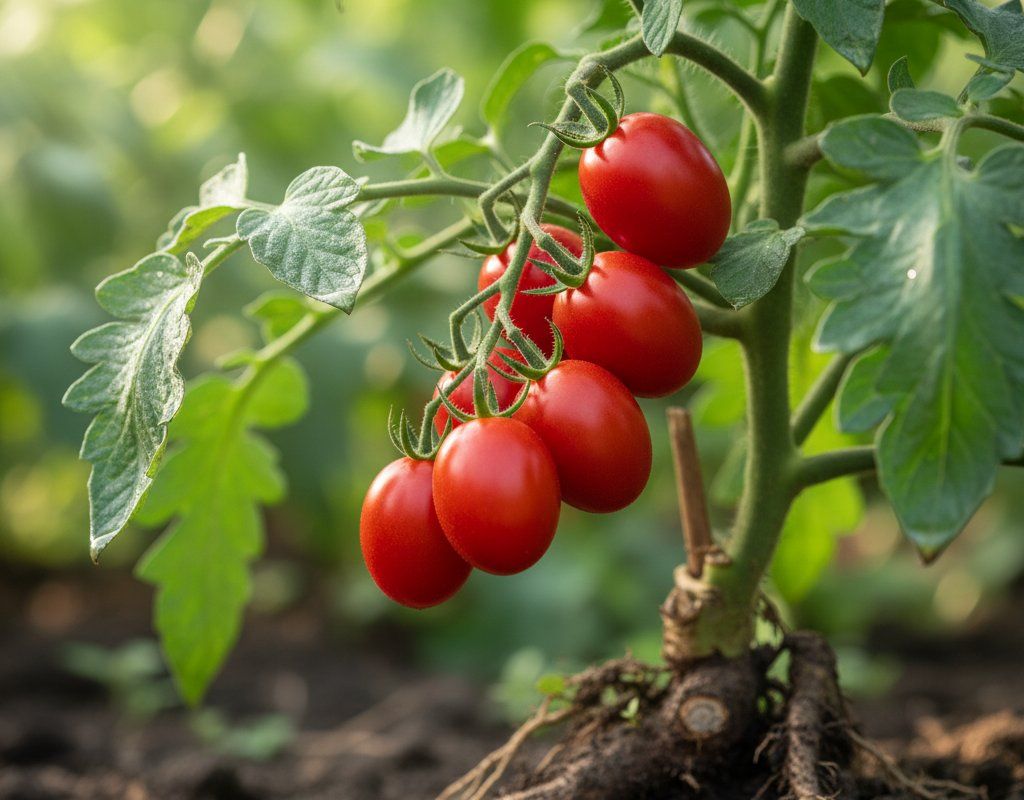
Grape Tomatoes in Zone 7A — Texas
Solanum lycopersicum var. cerasiforme · Your Complete 2026 Planting Guide
Missed Seed Starting? No Problem!
Wait for starts to become available.
What to Do
Starts will be available at nurseries in 25 days (around March 29).
How to Plant Grape Tomatoes in Zone 7A — Texas
Here are all your options for getting grape tomatoes in the ground, from the easiest method to more advanced approaches.
Start Seeds Indoors
RecommendedEarly February through early March
around February 15
Then transplant: Late March through late April
Start seeds 6-8 weeks before transplanting outdoors.
Buy Starts
Works WellLate March through late April
around March 29
Plant purchased starts after last frost (March 15).
Direct Sow Seeds
ChallengingDirect sowing is not typical for Grape Tomatoes.
Transplant Outdoors
Timing InfoLate March through late April
around March 29
Wait until nighttime temperatures stay above 50°F.
You have a nice window — no need to rush.
Overview
Grape tomatoes are perfect for Texas gardens, delivering that sweet-tart flavor we crave with fewer cracking issues than their cherry cousins. These oblong beauties produce clusters of thick-skinned fruits that hold up beautifully in our unpredictable weather, from sudden downpours to stretches of Texas heat. You'll have plenty for fresh eating, salads, and roasting throughout the season.
While our extreme heat and variable rainfall can challenge tomato growing, grape tomatoes are surprisingly resilient with proper timing. Your 245-day growing season gives you excellent flexibility for both spring and fall crops, and starting early helps you harvest before the most brutal summer weather hits.
Starting Seeds Indoors
Start your grape tomato seeds indoors during early February through early March, about 6 weeks before your planned transplant date. This timing takes advantage of our early spring character while keeping seedlings safely indoors during any late cold snaps.
Set up seed trays with quality potting mix in a warm location - aim for 70-75°F for best germination. A sunny south window works, but you'll get stronger seedlings with grow lights positioned 2-3 inches above the soil surface. Bottom watering works best to avoid disturbing tiny seeds and prevents damping-off issues common in humid conditions.
Once seedlings emerge in 7-14 days, keep them evenly moist but not soggy. Texas gardeners often start extra plants since our unpredictable weather can take out a few transplants, and grape tomatoes freeze easily.
Transplanting Outdoors
Transplant your grape tomatoes outdoors from late March through late April, after soil temperatures consistently reach 60°F and nighttime lows stay above 50°F. This window gives you flexibility to work around our notorious late-season temperature swings.
Harden off seedlings gradually over a full week, starting with just an hour outdoors in filtered light and building up to full sun exposure. Texas spring winds can shock tender plants, so choose calm days for the transition. Space plants 24-36 inches apart - the wider spacing improves air circulation during our humid summers.
Watch weather forecasts closely during transplant season. Keep row covers handy for unexpected cold fronts, and be prepared to provide afternoon shade if temperatures spike above 85°F in the first week after transplanting.
Watering Grape Tomatoes in Zone 7A (Texas)
Grape tomatoes need consistent, deep watering to produce well in our Texas heat, requiring about 1-2 inches per week during peak growing season. Their high water needs mean drought tolerance is essentially zero - skip watering for more than a few days and you'll see immediate stress.
Use the finger test to check soil moisture 2 inches deep near the plant base. During our hot summers with typical highs around 97°F, you'll likely water every other day, possibly daily during heat waves. Water deeply at the base rather than overhead to reduce disease pressure in our variable humidity.
Watch for signs of water stress: wilting during afternoon heat (normal), but if leaves stay droopy after evening watering, increase frequency. Overwatering shows as yellowing lower leaves and weak growth. Our unpredictable rainfall means you'll need to adjust constantly - after flash floods, hold off watering until soil drains.
Apply 2-3 inches of mulch around plants to conserve moisture and moderate soil temperature swings. In Texas heat, this simple step can reduce your watering needs by 30-40% while preventing the soil from baking hard during dry spells.
Supporting Your Grape Tomatoes
Install sturdy tomato cages or stakes at planting time since grape tomatoes are vigorous indeterminate climbers that easily reach 6-8 feet in our long growing season. Standard 5-foot tomato cages work well, though you may need to reinforce them against our strong spring and summer storms.
Heavy-duty stakes with soft ties give you more control over training, especially useful if you want to prune for better air circulation. Drive stakes 18-24 inches deep - Texas clay soil holds well once you get through the top layer, but sandy soils need deeper anchoring.
Train main stems up your support weekly, securing gently with soft cloth strips or tomato clips. Grape tomatoes produce heavy clusters that can snap branches without adequate support, especially during periods of rapid growth in spring.
Pruning & Maintaining Grape Tomatoes
Grape tomatoes need only light pruning compared to large slicing varieties, but removing suckers (shoots growing between main stem and branches) helps focus energy on fruit production. Check weekly and pinch out suckers when they're small and tender.
Remove lower branches that touch the ground to improve air circulation and reduce disease pressure - important in our humid conditions. Strip leaves from the bottom 12 inches of the plant once it's established and producing fruit.
As your first frost approaches in mid-November, top the plants (remove growing tips) about 6-8 weeks before to encourage existing fruits to ripen rather than setting new flowers. Remove any obviously diseased or damaged foliage throughout the season.
🧪Fertilizing Grape Tomatoes
Feeding Schedule
Organic Fertilizer Options
Harvest Time
Expect your first grape tomatoes from late May through mid-July, about 60 days from transplanting. Look for fruits that have turned fully red, orange, or yellow (depending on variety) with firm flesh that gives slightly when gently squeezed.
Harvest by picking individual fruits or cutting entire clusters - grape tomatoes come off easily when ripe. Check plants every 2-3 days during peak season since Texas heat accelerates ripening quickly. Harvest in early morning when fruits are cool and firm.
Grape tomatoes continue producing until frost, so keep harvesting regularly to encourage more fruit set. Their thicker skins mean they store better than cherry tomatoes and transport well for fresh eating.
As mid-November approaches and first frost threatens, harvest any full-sized green tomatoes. Grape tomatoes ripen well indoors when placed in a paper bag with a ripe apple, or spread on newspaper in a cool, dark location. This extends your harvest season by several weeks beyond what Mother Nature provides.
Common Problems in Zone 7A (Texas)
Cracking: Look for splits in the fruit skin, either as concentric circles around the stem or radial lines running from top to bottom. These cracks expose the flesh and lead to rot quickly in our humid conditions. Texas's unpredictable rainfall patterns - from drought to flash floods - create the moisture swings that cause cracking. Water consistently to avoid dry/wet cycles, apply thick mulch to maintain even soil moisture, and harvest promptly when ripe. Grape tomatoes crack less than cherry types, but consistent watering is still your best defense.
Blossom End Rot: Watch for dark, sunken spots on the bottom (blossom end) of fruits, starting as small brown areas that expand into leathery black patches. This isn't a disease but a calcium deficiency caused by inconsistent watering - common during our hot, dry spells followed by heavy rains. The single most effective fix is maintaining consistent soil moisture through regular watering and heavy mulching. Remove affected fruits immediately and focus on steady watering rather than fertilizer adjustments.
Early Blight: Identify this by brown spots with distinctive concentric rings (bullseye pattern) starting on lower leaves and working upward. Leaves yellow and drop, weakening the plant significantly. Our warm, humid summers create perfect conditions for this fungal disease, especially when rain or irrigation splashes soil onto lower leaves. Remove affected leaves immediately (don't compost them), mulch heavily to prevent soil splash, and water only at the base. Improve air circulation through proper spacing and pruning.
Texas Specific Challenges: Our extreme heat and variable humidity create additional stress that makes grape tomatoes more susceptible to these common problems. The rapid moisture swings from drought to flash floods particularly trigger both cracking and blossom end rot, while our warm, muggy conditions accelerate disease development.
Best Companions for Grape Tomatoes
Plant these nearby for healthier Grape Tomatoes and better harvests.
View Full Companion Planting Chart →



Companion Planting Details
Plant basil alongside your grape tomatoes - it thrives in similar heat conditions and many Texas gardeners swear it improves tomato flavor while deterring harmful insects. Carrots work well as they don't compete for nutrients and their deep taproots help break up our clay soil. Marigolds planted nearby help repel nematodes and other soil pests that plague Texas gardens.
Avoid planting brassicas (cabbage family) or fennel near tomatoes as they can stunt growth through root competition and chemical interactions. Corn attracts similar pests like tomato hornworms, creating concentrated pest problems. In our intense Texas heat, focus on companions that can handle the same brutal conditions rather than cool-season plants that will struggle.
🌸Best Flowers to Plant with Grape Tomatoes
These flowers protect your Grape Tomatoes from pests and attract pollinators for better harvests.
For Pest Control

Get a Reminder When It's Time to Plant
We'll email you when key planting windows open for your zone.