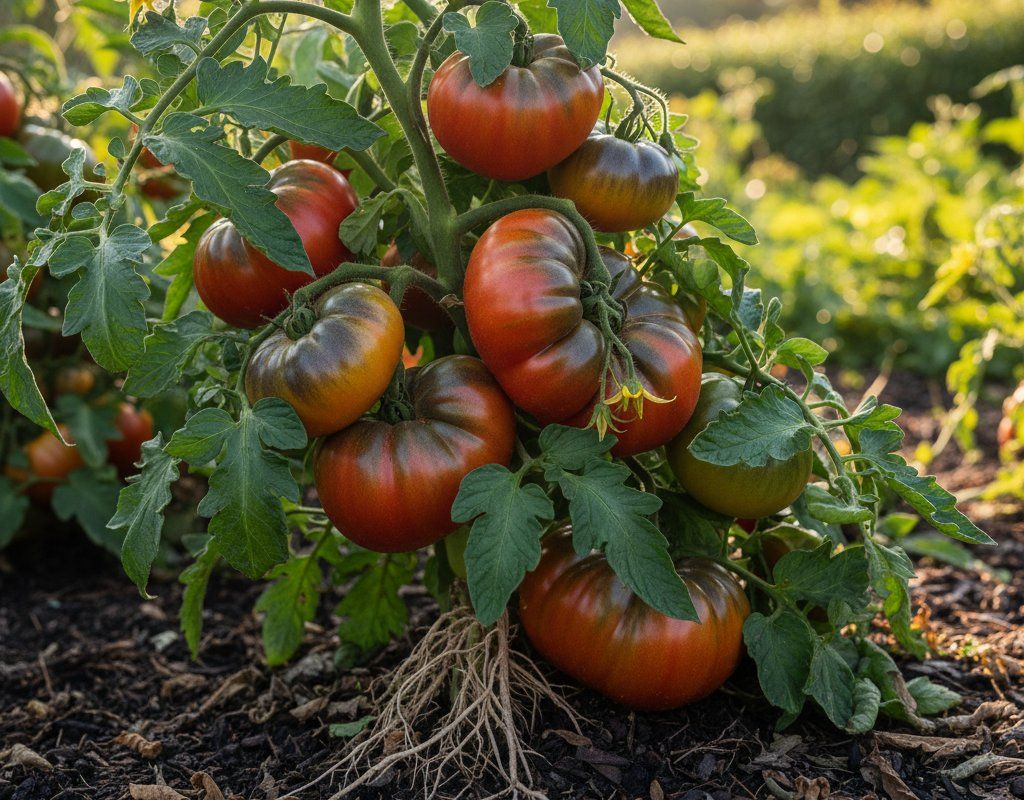
Heirloom Tomatoes in Zone 4A — Midwest
Solanum lycopersicum · Your Complete 2026 Planting Guide
Planning Ahead — Great!
You’re ahead of the season. Here’s when to start.
Mark Your Calendar
How to Plant Heirloom Tomatoes in Zone 4A — Midwest
Here are all your options for getting heirloom tomatoes in the ground, from the easiest method to more advanced approaches.
Start Seeds Indoors
RecommendedEarly April through early May
around April 17
Then transplant: Late May through mid June
Start seeds 6-8 weeks before transplanting outdoors.
Buy Starts
Works WellLate May through mid June
around May 29
Plant purchased starts after last frost (May 15).
Direct Sow Seeds
ChallengingDirect sowing is not typical for Heirloom Tomatoes.
Transplant Outdoors
Timing InfoLate May through mid June
around May 29
Wait until nighttime temperatures stay above 50°F.
Plan to transplant within a few weeks of your target date.
Overview
Growing heirloom tomatoes in our Zone 4A Midwest gardens brings unmatched flavor and satisfaction that makes our shorter growing season worth every effort. These varieties offer complex tastes and unique colors you'll never find in the grocery store, and with our fertile Midwest soil and good summer heat, they produce beautifully from mid-August through our first frost. There's something deeply satisfying about growing the same varieties your great-grandparents might have cultivated.
Our 128-day growing season and variable spring weather require some planning, but don't let that discourage you. Starting seeds indoors in early spring gives these heat-loving plants the head start they need to ripen properly before our mid-September frost arrives. With proper timing and care, you'll be harvesting gorgeous, flavorful tomatoes all season long.
Starting Seeds Indoors
Start your heirloom tomato seeds indoors during early April through early May, about 6 weeks before you plan to transplant them outside. This timing works perfectly with our moderate-to-late spring pattern, giving seedlings time to develop strong root systems while avoiding the risk of late frost damage.
Set up seed trays with quality seed-starting mix and place them in a warm spot around 70-75°F for best germination. A heat mat helps maintain consistent temperature during our variable spring weather. Once seeds sprout, move them under grow lights or to your sunniest south-facing window. Bottom watering works best for tomato seedlings - set trays in water and let the soil absorb moisture from below to prevent damping off disease.
When your seedlings develop their second set of true leaves, transplant them into individual 4-inch pots. Keep them indoors under lights until outdoor nighttime temperatures stay consistently above 50°F, which usually happens by late May in our area.
Transplanting Outdoors
Plan to transplant your heirloom tomatoes outdoors from late May through mid-June, after all danger of frost has passed and soil temperatures reach at least 60°F. In the Midwest, we say wait until Memorial Day for good reason - our late spring cold snaps can devastate tender tomato plants overnight.
Start hardening off your seedlings about a week before transplanting by gradually exposing them to outdoor conditions. Begin with just 2-3 hours of morning sun, then increase exposure daily until they're outside full-time. This process helps them adjust to our sometimes harsh Midwest weather patterns including temperature swings and wind.
Space your plants 36-48 inches apart to ensure good air circulation - this wider spacing becomes especially important with heirlooms since they're more susceptible to disease than hybrid varieties. Plant them deep, burying about two-thirds of the stem to encourage strong root development in our sometimes heavy clay soil.
Watering Heirloom Tomatoes in Zone 4A (Midwest)
Heirloom tomatoes need consistent, deep watering throughout our growing season, requiring about 1-2 inches per week including rainfall. Our moderate-to-humid summers with 30-40 inches of annual precipitation help, but you'll still need to supplement during dry spells and summer heat waves when temperatures hit 86°F or higher.
Check soil moisture using the finger test - stick your finger 2 inches deep into the soil near the base of the plant. If it feels dry at that depth, it's time to water deeply. Water early morning at the base of plants rather than overhead, especially given our moderate-to-humid conditions that can promote fungal diseases when foliage stays wet.
Consistent moisture is absolutely critical for heirlooms because they're more prone to cracking than hybrid varieties. When dry soil suddenly gets soaked from heavy rain or watering, the fruit absorbs water faster than the skin can expand, causing those frustrating splits. During our typical wet summer periods, focus on maintaining steady moisture rather than letting plants go through dry-wet cycles.
Apply 2-3 inches of organic mulch around plants to help maintain even soil moisture and reduce the need for frequent watering. This also helps our clay soil retain moisture more consistently throughout those summer heat spells we're known for.
Supporting Your Heirloom Tomatoes
Install strong support systems at planting time since most heirloom tomatoes are indeterminate varieties that grow 6-8 feet tall throughout our 128-day growing season. Heavy-duty tomato cages (at least 6 feet tall) or sturdy wooden stakes with soft ties work best for supporting these vigorous plants and their often irregularly shaped, heavy fruit.
Cages offer better support for the sprawling growth habit of most heirlooms, while stakes require more maintenance but take up less garden space. If using stakes, choose 8-foot posts driven 2 feet into the ground to handle our occasional severe weather and strong summer storms.
Start training plants early by gently guiding main stems through cage openings or tying them loosely to stakes as they grow. Check ties weekly and adjust as stems thicken - tight ties can girdle and damage growing stems during our rapid summer growth periods.
Pruning & Maintaining Heirloom Tomatoes
Remove suckers (shoots growing between main stem and branches) regularly throughout the growing season to improve air circulation and focus the plant's energy on fruit production. This moderate pruning is especially important for heirlooms since they're more disease-susceptible than modern hybrids and benefit from better airflow.
Also remove lower leaves that touch the ground or show signs of disease, particularly as our moderate-to-humid summer conditions can promote fungal problems. Prune in dry weather when possible to reduce disease transmission, and always clean your pruning tools between plants.
As our first frost approaches in mid-September, top plants by removing growing tips to direct energy toward ripening existing fruit rather than producing new growth. This end-of-season strategy helps maximize your harvest before cold weather arrives.
🧪Fertilizing Heirloom Tomatoes
Feeding Schedule
Organic Fertilizer Options
Harvest Time
Expect your first ripe heirlooms from mid-August through mid-September, about 80 days after transplanting. Unlike store-bought tomatoes, heirlooms show ripeness through color changes specific to each variety - some stay green-shouldered even when ripe, while others develop deep reds, purples, or yellows.
Test for ripeness by gently pressing the fruit - it should give slightly but not feel mushy. Ripe tomatoes also detach easily from the vine with a gentle twist. Harvest regularly to encourage continued production throughout our growing season, checking plants every few days during peak season.
As our mid-September frost date approaches, harvest all tomatoes showing any color change and let them ripen indoors on a countertop or in paper bags. Green tomatoes can ripen this way for several weeks after harvest, extending your season well past first frost. Pick the largest green fruits first since they're most likely to ripen successfully indoors.
Continue harvesting until that first hard frost hits - even slightly green tomatoes often ripen beautifully indoors, giving you fresh heirloom flavor well into October despite our shorter growing season.
Common Problems in Zone 4A (Midwest)
Cracking Heirloom tomatoes develop splits in their skin, either in concentric circles around the stem or radiating lines from top to bottom. You'll see the flesh exposed, which can lead to rot if not harvested quickly. This happens when heavy watering or our sudden summer downpours hit plants that have been stressed by dry conditions - the fruit absorbs water faster than the skin can expand. Prevent cracking by maintaining consistent soil moisture with mulch and regular watering. Harvest ripe fruit promptly, especially before predicted heavy rains.
Disease Susceptibility Your plants show various fungal and bacterial problems throughout the season - yellowing leaves, black spots, wilting, or fuzzy growth on stems and fruit. Heirloom varieties lack the disease resistance genes bred into modern hybrids, making them more vulnerable to our moderate-to-humid summer conditions. Improve air circulation through proper spacing and pruning, apply preventative organic fungicides, and remove affected foliage immediately. Water at soil level rather than overhead to keep leaves dry.
Lower Yields Heirloom plants produce fewer tomatoes per plant compared to hybrid varieties, sometimes significantly less during challenging weather years. This trade-off comes with choosing varieties selected for flavor over production efficiency. Maximize yields by providing consistent care, proper support, and adequate spacing. Focus on growing fewer plants well rather than cramming many into limited space.
Irregular Shapes Your tomatoes develop unusual bumps, ridges, shoulders, or lopsided growth that looks nothing like grocery store tomatoes. This characteristic shape variation is normal for many heirloom varieties and actually indicates authentic genetics. Cool temperatures during fruit set can increase irregular development. Embrace these unique shapes - oddly formed heirlooms often have the most complex flavors, and appearance doesn't affect taste.
Midwest Specific Challenges: Our moderate-to-humid summers create ideal conditions for fungal diseases that particularly affect heirlooms, while our clay soil can cause drainage issues leading to root problems. Summer heat spells stress plants and increase water needs, while our variable weather patterns can cause growth irregularities.
Best Companions for Heirloom Tomatoes
Plant these nearby for healthier Heirloom Tomatoes and better harvests.
View Full Companion Planting Chart →



Companion Planting Details
Plant basil near your heirloom tomatoes - it naturally repels aphids and hornworms while potentially improving tomato flavor through companion planting chemistry. Carrots work well as ground cover since their small root systems don't compete with tomato roots, and parsley attracts beneficial insects that help control tomato pests. Marigolds planted around the garden edges deter nematodes and other soil pests that can damage tomato roots in our fertile but sometimes pest-heavy Midwest soil.
Avoid planting brassicas like cabbage or broccoli near tomatoes since they can stunt tomato growth and compete for nutrients in our rich soil. Keep fennel away from tomatoes as it can inhibit their growth, and avoid corn since both crops attract similar pests like hornworms, potentially creating concentrated pest problems in your garden.
🌸Best Flowers to Plant with Heirloom Tomatoes
These flowers protect your Heirloom Tomatoes from pests and attract pollinators for better harvests.
For Pest Control

Get a Reminder When It's Time to Plant
We'll email you when key planting windows open for your zone.