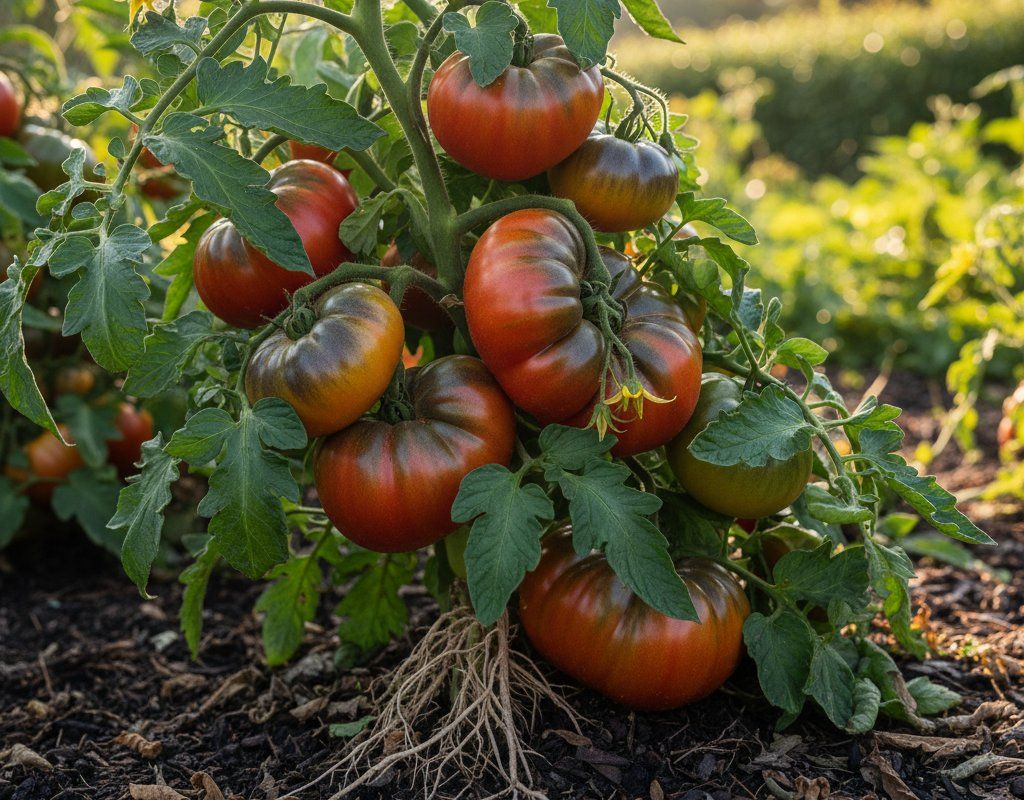
Heirloom Tomatoes in Zone 4A — Mountain West
Solanum lycopersicum · Your Complete 2026 Planting Guide
Planning Ahead — Great!
You’re ahead of the season. Here’s when to start.
Mark Your Calendar
How to Plant Heirloom Tomatoes in Zone 4A — Mountain West
Here are all your options for getting heirloom tomatoes in the ground, from the easiest method to more advanced approaches.
Start Seeds Indoors
RecommendedMid April through early May
around April 22
Then transplant: Early to mid June
Start seeds 6-8 weeks before transplanting outdoors.
Buy Starts
Works WellEarly to mid June
around June 3
Plant purchased starts after last frost (May 20).
Direct Sow Seeds
ChallengingDirect sowing is not typical for Heirloom Tomatoes.
Transplant Outdoors
Timing InfoEarly to mid June
around June 3
Wait until nighttime temperatures stay above 50°F.
Plan to transplant within a few weeks of your target date.
Overview
Growing heirloom tomatoes in our Mountain West Zone 4A gives you access to flavors impossible to find in stores — from sweet Cherokee Purples to tangy Brandywines that our cool nights and intense sun develop beautifully. The low humidity here means less disease pressure than humid regions face, while our intense high-altitude sunlight concentrates flavors that make every slice worth the effort.
Yes, our short 118-day growing season and tender spring weather make tomatoes challenging, but the timing window is predictable once you understand it. Start your seeds indoors when spring still feels uncertain, transplant after our last frost risk passes, and you'll harvest incredible tomatoes by late summer.
Starting Seeds Indoors
Start your heirloom tomato seeds indoors from mid-April through early May, about 6 weeks before you'll transplant them outside. This timing works perfectly with our late Mountain spring — you'll have strong seedlings ready when outdoor conditions finally stabilize in early June.
Set up your seeds in seed trays with good potting mix, keeping them warm (70-75°F works well). A heat mat helps since our spring nights stay cool. Once they germinate, provide strong light — either a sunny south window or grow lights about 2 inches above the seedlings.
Bottom watering works best to prevent damping off. Place your seed trays in a shallow dish and add water to the dish rather than watering from above. This keeps the soil surface drier while ensuring roots get consistent moisture.
Transplanting Outdoors
Transplant your heirloom tomatoes outdoors from early to mid-June, after all frost danger passes and nighttime temperatures stay consistently above 45°F. Don't rush this — our Mountain springs can throw surprise cold snaps even into early June.
Harden off your seedlings gradually over a week before transplanting. Start with 2-3 hours of morning sun, then increase exposure daily. Our intense high-altitude UV can shock tender seedlings, so this gradual introduction prevents transplant stress.
Space your plants 36-48 inches apart — heirloom tomatoes grow large and need good air circulation in our dry climate. Plant them deep, burying 2/3 of the stem to develop strong roots. Choose a spot with full sun and protection from our occasional hailstorms.
Watering Heirloom Tomatoes in Zone 4A (Mountain West)
Consistent watering makes the difference between cracked, stressed tomatoes and perfect fruit. Heirloom varieties crack more easily than hybrids when they experience the wet-dry cycles common in our region's irregular rainfall patterns.
Water deeply 2-3 times per week rather than daily shallow watering. Check soil moisture with your finger 2 inches down — if it's dry, water thoroughly until you see moisture reaching 6-8 inches deep. In our dry climate with low humidity, tomatoes need about 1-1.5 inches of water weekly.
Water at the base of plants rather than overhead. Our low humidity means leaves dry quickly, but consistent soil moisture matters more than air humidity for these thirsty plants. Morning watering works best since our cool nights mean less evaporation overnight.
Apply 2-3 inches of mulch around each plant to maintain consistent soil moisture. Grass clippings or shredded leaves work well in our dry climate. Watch for signs of stress: wilting during midday heat indicates underwatering, while yellow lower leaves often signal overwatering.
Supporting Your Heirloom Tomatoes
Install strong cages or stakes at planting time since most heirloom tomatoes grow indeterminate and reach 6-8 feet tall. Heavy, irregularly shaped heirloom fruit puts more stress on branches than uniform hybrid tomatoes, making solid support essential.
Use 6-foot tall tomato cages or sturdy wooden stakes with soft ties. Cattle panels cut into sections work excellently for multiple plants. The support needs to handle both plant weight and our occasional strong winds that sweep through mountain valleys.
Train your plants weekly by gently weaving new growth through cage openings or tying stems to stakes. Start this early when stems are flexible — waiting too long means breaking established growth patterns.
Pruning & Maintaining Heirloom Tomatoes
Remove suckers (shoots growing between main stems and branches) weekly to focus energy on fruit production and improve air circulation. This becomes especially important with heirloom varieties since they're more disease-susceptible than hybrids.
Prune off lower leaves touching the ground to prevent soil-borne diseases from splashing up during watering. As plants mature, remove yellowing or diseased foliage promptly to maintain plant health in our dry climate.
By late August, pinch off new flower clusters since they won't have time to mature before our mid-September frost. This concentrates the plant's energy into ripening existing fruit rather than starting new tomatoes that won't finish.
🧪Fertilizing Heirloom Tomatoes
Feeding Schedule
Organic Fertilizer Options
Harvest Time
Your first heirloom tomatoes will ripen from late August through mid-September, about 80 days after transplanting. Unlike store tomatoes, heirloom varieties show their readiness through color changes specific to each variety — some stay green-shouldered even when ripe.
Test for ripeness with gentle pressure near the stem end. Ripe tomatoes yield slightly and detach easily with a gentle twist. The bottom of the fruit typically colors up first, so don't wait for complete color change if the variety tends to stay green on top.
Harvest every 2-3 days during peak season to encourage continued production. Pick tomatoes slightly underripe rather than letting them overripen on the vine — they'll finish ripening indoors and avoid cracking from our intense UV exposure.
As first frost approaches in mid-September, harvest all green tomatoes larger than golf-ball size. They'll ripen indoors over several weeks when placed in a warm spot with good air circulation. This extends your harvest well into October despite our short growing season.
Common Problems in Zone 4A (Mountain West)
Fruit Cracking Concentric circles or radiating lines split the tomato skin, often exposing flesh to rot. You'll see this especially after heavy watering following dry periods. Our irregular summer precipitation and intense sun create perfect conditions for this problem. Water consistently rather than letting plants dry between deep soakings. Mulch heavily to maintain even moisture, and harvest promptly when fruit colors up.
Disease Susceptibility Yellowing leaves, brown spots, or wilting despite adequate water indicate fungal or bacterial diseases. Heirloom varieties lack the disease resistance bred into modern hybrids, making them more vulnerable. Our dry climate helps, but poor air circulation still causes problems. Space plants wider than recommended, prune suckers religiously, and remove affected foliage immediately. Apply preventative copper fungicide during humid periods.
Lower Yields Fewer tomatoes per plant compared to hybrid varieties, sometimes disappointingly sparse harvests. This comes with heirloom territory — they're bred for flavor, not production. Our short season compounds this since plants have less time to produce multiple flushes. Focus on providing optimal growing conditions rather than expecting grocery-store quantities. The superior flavor makes up for smaller harvests.
Irregular Shapes Bumpy, ridged, or oddly shaped fruits that look nothing like store tomatoes. Many heirloom varieties naturally produce irregular fruit, and cool nighttime temperatures during fruit set can worsen this tendency. Our mountain nights often dip below optimal temperatures even in summer. Embrace the character — these "ugly" tomatoes often taste best. If appearance matters for slicing, choose more uniform heirloom varieties.
Mountain West Specific Challenges Our moderate summer temperatures and cool nights actually benefit tomato flavor development, but the intense UV can stress plants and our alkaline soil may require amendments. The short season means every growing day counts, making proper timing and consistent care crucial for success.
Best Companions for Heirloom Tomatoes
Plant these nearby for healthier Heirloom Tomatoes and better harvests.
View Full Companion Planting Chart →



Companion Planting Details
Plant basil alongside your heirloom tomatoes — it repels aphids and reportedly improves tomato flavor while thriving in the same watering schedule. Carrots work well as ground cover, breaking up our often-compacted mountain soil while not competing for nutrients. Marigolds planted around the bed edges deter nematodes and add color, though they need less water than your tomatoes.
Avoid planting brassicas like cabbage or broccoli near tomatoes since they compete for similar nutrients and can harbor diseases that affect both plant families. Keep fennel away — it inhibits tomato growth through natural compounds. Corn creates too much shade and attracts similar pests, making it a poor neighbor in our already-short growing season.
🌸Best Flowers to Plant with Heirloom Tomatoes
These flowers protect your Heirloom Tomatoes from pests and attract pollinators for better harvests.
For Pest Control

Get a Reminder When It's Time to Plant
We'll email you when key planting windows open for your zone.