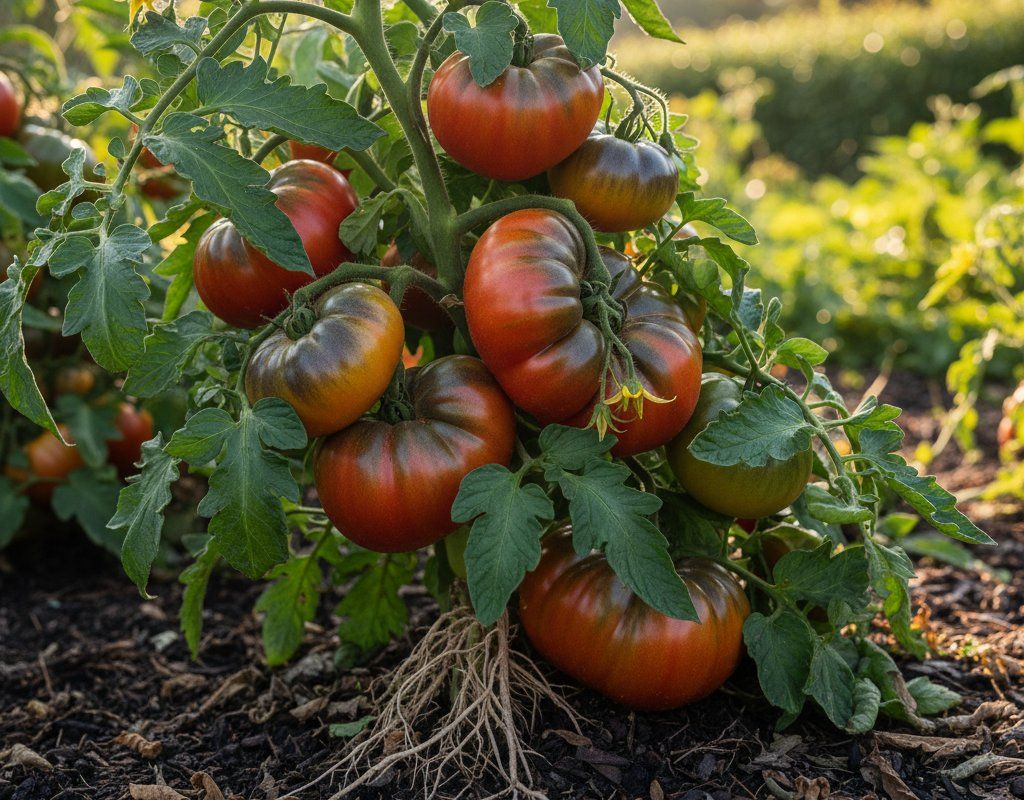
Heirloom Tomatoes in Zone 4A — Great Plains
Solanum lycopersicum · Your Complete 2026 Planting Guide
Planning Ahead — Great!
You’re ahead of the season. Here’s when to start.
Mark Your Calendar
How to Plant Heirloom Tomatoes in Zone 4A — Great Plains
Here are all your options for getting heirloom tomatoes in the ground, from the easiest method to more advanced approaches.
Start Seeds Indoors
RecommendedEarly to late April
around April 12
Then transplant: Late May through late June
Start seeds 6-8 weeks before transplanting outdoors.
Buy Starts
Works WellLate May through late June
around May 24
Plant purchased starts after last frost (May 10).
Direct Sow Seeds
ChallengingDirect sowing is not typical for Heirloom Tomatoes.
Transplant Outdoors
Timing InfoLate May through late June
around May 24
Wait until nighttime temperatures stay above 50°F.
You have a nice window — no need to rush.
Overview
Growing heirloom tomatoes in Zone 4A brings unmatched flavor and satisfaction to your Great Plains garden. These varieties offer complex tastes and unique characteristics you'll never find in store-bought hybrids, from the smoky sweetness of Cherokee Purples to the perfect acidity balance of Brandywines. The intense Prairie sunshine and fertile soil create ideal conditions for developing the deep, rich flavors that make heirlooms worth the extra effort.
Our 138-day growing season provides just enough time for most heirloom varieties to reach maturity, though the variable spring weather and potential for early fall frost require careful timing. The key to success lies in starting strong indoors and protecting your plants from our region's wind and temperature swings. With proper planning, you'll harvest incredible tomatoes from mid-August through late September.
Starting Seeds Indoors
Start your heirloom tomato seeds indoors during early to late April, about 6 weeks before your planned transplant date. This timing accounts for our variable spring weather and ensures your seedlings will be strong enough to handle the transition outdoors. Set up seed trays in a warm location (70-75°F) with bright light - a south-facing window or grow lights work well.
Use bottom watering to keep soil consistently moist without disturbing the seeds. Fill a tray with water and let the seed containers absorb moisture from below. This method prevents damping-off and encourages strong root development. Your seeds should germinate within 7-14 days.
Once your seedlings develop their first true leaves, transplant them into individual 4-inch pots. Keep them in bright light and maintain consistent moisture as they develop into sturdy transplants ready for the challenging Plains climate.
Transplanting Outdoors
Plan to transplant your heirloom tomatoes outdoors from late May through late June, after all danger of frost has passed and soil temperatures consistently reach 60°F. Our last frost typically occurs around early May, but temperature swings are common, so patience pays off. Wait for stable warm weather rather than rushing into a cold soil.
Harden off your seedlings gradually over one week by placing them outdoors for increasing periods each day. Start with 2-3 hours of morning sun and work up to full days outdoors. This process helps them adjust to wind, temperature fluctuations, and direct sunlight.
Space your heirloom tomatoes 36-48 inches apart to ensure good air circulation in our often humid summer conditions. The extra spacing also makes them easier to support and harvest. Choose a location with wind protection - even a temporary barrier during establishment helps young plants survive those inevitable Prairie gusts.
Watering Heirloom Tomatoes in Zone 4A (Great Plains)
Heirloom tomatoes demand consistent moisture throughout the growing season, which can be challenging with our variable rainfall patterns. These varieties are particularly susceptible to cracking when soil moisture fluctuates, so maintaining steady water levels is crucial. Plan to provide 1-2 inches of water per week, adjusting based on rainfall and temperature.
Check soil moisture by inserting your finger 2 inches deep near the plant base. If it's dry at that depth, it's time to water deeply. During our hot summer stretches with temperatures reaching 93°F and low humidity, you may need to water every other day. Water at the base of plants rather than overhead to reduce disease risk and ensure water reaches the roots efficiently.
Apply a 3-inch layer of mulch around each plant to maintain even soil moisture and reduce watering frequency. Grass clippings or shredded leaves work well in our climate. Watch for signs of stress: wilting during hot afternoons (normal) versus persistent wilting (needs water), and yellowing lower leaves (often indicates overwatering).
The combination of intense Prairie heat and our low-to-moderate humidity means water evaporates quickly from both soil and leaves. Consistent deep watering beats frequent shallow watering, especially during the peak heat of July and August when your plants are setting and ripening fruit.
Supporting Your Heirloom Tomatoes
Install sturdy cages or stakes at planting time since most heirloom varieties are indeterminate and will grow 6-8 feet tall throughout the season. Heavy-duty tomato cages (at least 5 feet tall) work well, but tall stakes with soft ties provide better support for the irregular, often large fruits that heirlooms produce. Use 8-foot stakes driven 18 inches into the ground for stability against our persistent winds.
Train your plants weekly by loosely tying main stems to supports and encouraging growth upward rather than outward. Indeterminate heirlooms continue growing until frost, so they need ongoing support throughout the season. The combination of heavy fruit and Prairie winds can snap even thick stems without proper support.
Consider creating windbreaks using temporary fencing or row covers during the first month after transplanting. Young plants are particularly vulnerable to our sudden weather changes and strong winds that can damage stems and stress plants before they're fully established.
Pruning & Maintaining Heirloom Tomatoes
Remove suckers (shoots growing between main stems and branches) regularly to focus the plant's energy on fruit production and improve air circulation. This is especially important with heirlooms since they're more disease-susceptible than hybrid varieties. Pinch or cut suckers when they're small and tender, checking plants weekly during the growing season.
Strip off the lowest branches that touch the ground or show signs of disease, maintaining about 12 inches of clearance between soil and foliage. This prevents soil-borne diseases from splashing up during watering or Prairie thunderstorms. Remove any yellowing or spotted leaves promptly to prevent disease spread.
As late September approaches and first frost threatens, top your plants by removing the growing tips. This redirects energy into ripening existing fruit rather than producing new flowers that won't have time to mature. About 4-6 weeks before expected frost, stop removing suckers to help protect the main stem from sun scald.
🧪Fertilizing Heirloom Tomatoes
Feeding Schedule
Organic Fertilizer Options
Harvest Time
Your first heirloom tomatoes should be ready from mid-August through late September, depending on variety and weather conditions. Unlike hybrids, heirlooms show their readiness through variety-specific color changes - some stay green-shouldered even when ripe, while others develop deep, rich hues. Look for slight softness when gently squeezed and easy separation from the vine with a gentle twist.
Harvest in the morning when fruits are cool and firm, using clean garden shears if stems resist gentle twisting. Check plants every 2-3 days during peak season as ripe heirlooms don't hold on the vine as long as hybrids. Handle carefully - the irregular shapes and tender skins of many heirlooms make them more prone to bruising.
As September progresses and nighttime temperatures drop, begin harvesting fruits with just a hint of color change. Green and partially ripe heirlooms will continue ripening indoors on a sunny windowsill or in a paper bag with a ripe apple. This strategy maximizes your harvest before our typically early fall frost arrives.
When frost threatens in late September, harvest all remaining fruits regardless of ripeness. Large green tomatoes make excellent fried green tomatoes or can be wrapped individually in newspaper and stored in a cool, dark place to ripen slowly over several weeks.
Common Problems in Zone 4A (Great Plains)
Cracking Your heirloom tomatoes may develop splits around the stem (concentric cracks) or lines radiating from the stem (radial cracks). This exposes the flesh to rot and insects. Cracking occurs when heavy watering or sudden rainfall follows a dry period, causing fruit to absorb water faster than the skin can expand. Our variable precipitation patterns make this especially common during late summer thunderstorms. Maintain consistent soil moisture through regular watering and mulching, and harvest promptly when fruits ripen.
Disease Susceptibility Heirloom varieties lack the disease resistance bred into modern hybrids, making them vulnerable to fungal issues like early blight and bacterial problems. You'll notice brown spots on leaves, yellowing foliage, or dark lesions on stems and fruit. Our humidity levels and temperature swings create ideal conditions for disease development. Improve air circulation with proper spacing and pruning, avoid overhead watering, and remove affected plant parts immediately. Consider preventative copper-based fungicide applications during humid periods.
Extreme Temperature Stress Plants may drop flowers, develop stunted growth, or produce misshapen fruit during our sudden temperature swings and heat waves above 95°F. Blossom end rot (dark, sunken spots on fruit bottoms) often appears during hot, dry periods when plants can't take up calcium effectively. Provide consistent moisture, use shade cloth during extreme heat, and consider planting varieties known for heat tolerance in our challenging climate.
Wind and Hail Damage Strong Prairie winds can break stems, strip leaves, and damage developing fruit. Hail can shred foliage and scar fruits, though plants often recover if stems remain intact. Our open landscape provides little natural wind protection. Install sturdy supports, create temporary windbreaks for young plants, and consider row covers during severe weather warnings. Choose sheltered locations when possible.
Great Plains Specific Challenges: The combination of intense heat, variable rainfall, and persistent wind creates unique stress for heirloom tomatoes. Unlike coastal or mountain regions, our low humidity means rapid moisture loss while extreme temperature swings shock plants. Focus on consistent watering, wind protection, and choosing varieties proven to handle Plains conditions.
Best Companions for Heirloom Tomatoes
Plant these nearby for healthier Heirloom Tomatoes and better harvests.
View Full Companion Planting Chart →



Companion Planting Details
Plant basil near your heirloom tomatoes - it reportedly improves flavor while deterring aphids and hornworms with its strong scent. Carrots make excellent companions since their deep roots don't compete with tomato root systems, and they help break up clay soil common in Prairie gardens. Marigolds planted around tomato beds discourage nematodes and many insect pests while adding color. Parsley attracts beneficial insects that prey on tomato pests and provides a living mulch that conserves soil moisture.
Avoid planting brassicas (cabbage family) near tomatoes as they can stunt tomato growth and compete for similar nutrients. Fennel inhibits tomato growth through natural chemical compounds, and corn attracts similar pests like hornworms while creating competition for space and nutrients. In our windy conditions, tall corn can also shade tomatoes and create turbulence that damages plants.
🌸Best Flowers to Plant with Heirloom Tomatoes
These flowers protect your Heirloom Tomatoes from pests and attract pollinators for better harvests.
For Pest Control

Get a Reminder When It's Time to Plant
We'll email you when key planting windows open for your zone.