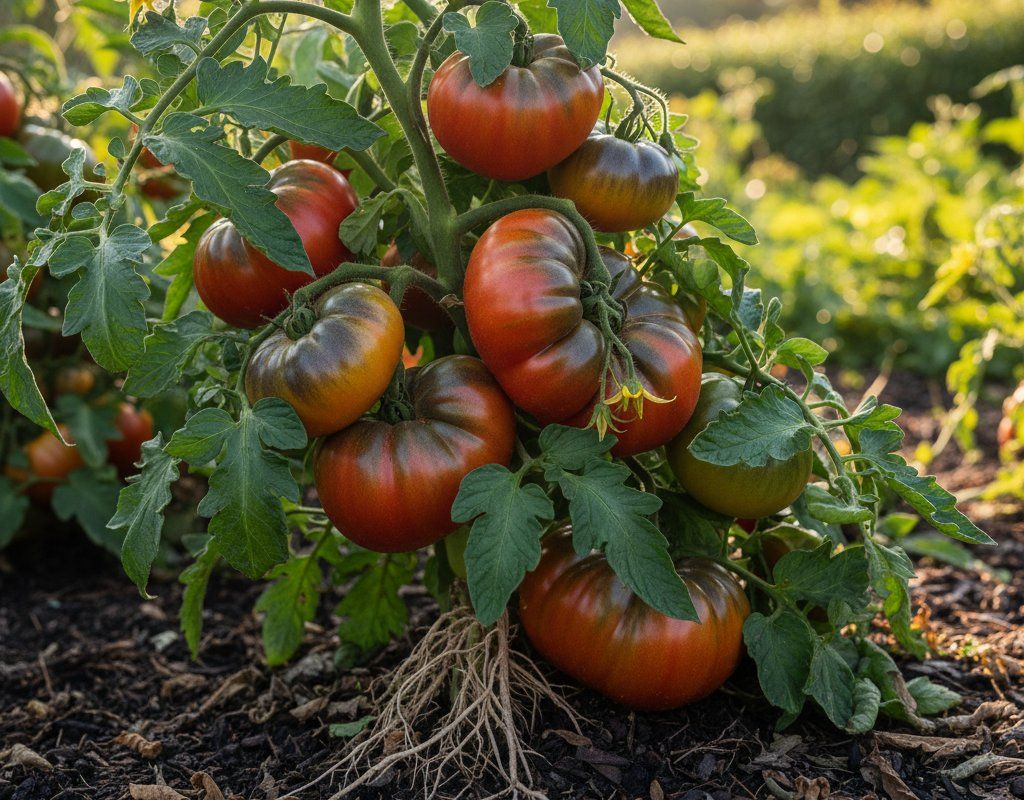
Heirloom Tomatoes in Zone 5A — Great Plains
Solanum lycopersicum · Your Complete 2026 Planting Guide
Planning Ahead — Great!
You’re ahead of the season. Here’s when to start.
Mark Your Calendar
How to Plant Heirloom Tomatoes in Zone 5A — Great Plains
Here are all your options for getting heirloom tomatoes in the ground, from the easiest method to more advanced approaches.
Start Seeds Indoors
RecommendedLate March through mid April
around March 28
Then transplant: Early May through early June
Start seeds 6-8 weeks before transplanting outdoors.
Buy Starts
Works WellEarly May through early June
around May 9
Plant purchased starts after last frost (April 25).
Direct Sow Seeds
ChallengingDirect sowing is not typical for Heirloom Tomatoes.
Transplant Outdoors
Timing InfoEarly May through early June
around May 9
Wait until nighttime temperatures stay above 50°F.
You have a nice window — no need to rush.
Overview
Growing heirloom tomatoes in the Great Plains gives you flavors that make grocery store tomatoes taste like cardboard. With our intense Prairie sunshine and fertile prairie soil, these old-world varieties develop complex, rich tastes you simply can't buy. The temperature swings and variable rainfall that challenge other crops actually help concentrate flavors in tomato fruit.
Our 168-day growing season is just long enough for most heirloom varieties if you time things right. Yes, we deal with wind, potential hail, and those frustrating late spring cold snaps, but starting indoors and transplanting after the danger passes sets you up for success through our hot summers.
Starting Seeds Indoors
Start your heirloom tomato seeds indoors from late March through mid-April, about 6 weeks before your planned transplant date. With our variable spring weather, indoor starting is absolutely essential - you can't risk direct sowing these tender plants in the Plains.
Set up seed trays with a quality seed-starting mix and place them in a warm spot (70-75°F works well). A heat mat speeds germination significantly. Once seedlings emerge, they need bright light - either a sunny south window or grow lights positioned 2-4 inches above the plants.
Bottom watering prevents damping-off disease and keeps seedlings healthier. Place seed trays in shallow pans of water and let the soil absorb moisture from below. This technique becomes second nature once you see how much stronger your seedlings grow compared to overhead watering.
Transplanting Outdoors
Transplant your hardened-off seedlings outdoors from early May through early June, when soil temperatures consistently stay above 60°F and nighttime lows remain above 50°F. Our spring weather can be deceptively warm during the day, then drop unexpectedly at night.
Harden off seedlings gradually over a full week by exposing them to outdoor conditions for increasing periods daily. Start with 2-3 hours of morning sun and protected conditions, building up to full exposure. This prevents transplant shock that stunts growth for weeks.
Space plants 36-48 inches apart - wider spacing than you might think necessary, but essential for air circulation in our sometimes humid summers. Plant deep, burying two-thirds of the stem to encourage strong root development. Wind protection is crucial during the first few weeks after transplanting.
Watering Heirloom Tomatoes in Zone 5A (Great Plains)
Heirloom tomatoes need consistent, deep watering throughout our hot Plains summers. Unlike drought-tolerant natives, these plants require about 1-2 inches of water weekly, delivered slowly and deeply. Our typical 93°F summer days and low-to-moderate humidity mean frequent attention to soil moisture.
Check soil moisture using the finger test - stick your finger 2 inches deep near the plant base. If it's dry at that depth, water thoroughly until water runs from the bottom of containers or soaks deep into garden soil. Morning watering works best in our climate, giving plants time to absorb moisture before afternoon heat peaks.
Water at the base rather than overhead to prevent disease issues, though our lower humidity makes foliar diseases less problematic than in more humid regions. Heirloom varieties crack more easily than hybrids when they go from dry to wet quickly, so consistent moisture prevents those frustrating splits that ruin perfect fruit.
Apply 2-3 inches of organic mulch around plants to conserve moisture and moderate soil temperature swings. Grass clippings, straw, or shredded leaves work well in our climate and help stretch limited rainfall during dry spells that are common here.
Supporting Your Heirloom Tomatoes
Install sturdy cages or stakes at planting time - most heirloom varieties are indeterminate and grow 6-8 feet tall with heavy, irregularly shaped fruit that tests support systems. Heavy-duty tomato cages or wooden stakes driven 2 feet into the ground handle our wind better than flimsy wire cages.
Train main stems to supports using soft ties like cloth strips or tomato clips, checking weekly as plants grow rapidly during warm weather. In our windy conditions, secure multiple points along the main stem rather than relying on just the top tie.
Create wind barriers using row cover, burlap, or even temporary plywood screens during the first month after transplanting. Young plants establish better with protection from our constant Plains wind, and you'll see stronger growth once root systems develop.
Pruning & Maintaining Heirloom Tomatoes
Remove suckers - the shoots that grow between main stems and branches - weekly throughout the growing season. These energy-draining shoots reduce fruit production and create dense foliage that restricts air circulation. Pinch small suckers by hand or use clean pruners for larger ones.
Strip lower leaves that touch the ground to prevent soil-borne diseases from splashing onto foliage. As plants grow, gradually remove leaves from the bottom 12 inches of the plant. This improves air circulation while maintaining enough leaf cover to protect fruit from sunscald during our intense summer heat.
Around mid-August, pinch growing tips to focus plant energy on ripening existing fruit rather than producing new growth. With first frost typically arriving in early October, this timing helps maximize your harvest before cold weather hits.
🧪Fertilizing Heirloom Tomatoes
Feeding Schedule
Organic Fertilizer Options
Harvest Time
Your first ripe heirloom tomatoes typically arrive from late July through mid-September, about 80 days after transplanting. Unlike uniform hybrid varieties, heirloom ripeness varies dramatically - some stay green-shouldered when fully ripe, while others develop deep, rich colors throughout.
Harvest when tomatoes feel slightly soft and detach easily from the vine with gentle upward pressure. The skin develops a slight shine and loses its hard, glossy appearance when ready. Many heirlooms ripen from the inside out, so don't wait for complete color change if the fruit feels ready.
Pick tomatoes regularly to encourage continued production through our growing season. Check plants daily during peak season - fruit can go from perfect to overripe quickly during hot weather. Handle carefully since heirloom varieties bruise more easily than thick-skinned hybrids.
Before first frost in early October, harvest all remaining fruit regardless of size or color. Green tomatoes ripen beautifully indoors when stored in a cool, dark place with good air circulation. Wrap individual fruits in newspaper or place in shallow boxes, checking weekly for ripeness and removing any that show signs of rot.
Common Problems in Zone 5A (Great Plains)
Fruit Cracking: Concentric circles around the stem or radiating lines splitting the skin, exposing flesh to rot and making tomatoes unsaleable. Heavy watering or sudden rainfall after dry periods causes fruit to absorb water faster than skin can expand. Our variable Plains rainfall - from drought to sudden downpours - creates perfect conditions for this problem. Water consistently throughout the season, mulch heavily to maintain even soil moisture, and harvest promptly when fruit ripens.
Disease Susceptibility: Yellow, brown, or black spots on leaves, wilting despite adequate water, or fruit rot. Heirloom varieties lack the disease resistance bred into modern hybrids, making them vulnerable to fungal and bacterial problems. Our hot summers with occasional humidity spikes can trigger outbreaks. Space plants wider than usual for better air circulation, remove affected foliage immediately, and apply preventative organic fungicides during humid periods.
Lower Yields: Fewer tomatoes per plant compared to hybrid varieties, sometimes disappointingly so. Heirlooms are bred for flavor, not production efficiency, and our extreme temperature swings during fruit set can reduce yields further. Accept that you're growing for quality over quantity, provide consistent care throughout the season, and consider planting a few extra plants to compensate for naturally lower production.
Irregular Shapes: Bumpy, ridged, or misshapen fruit that looks nothing like store-bought tomatoes. This is normal for many heirloom varieties - part of their charm and heritage. Cool temperatures during flowering or poor pollination can worsen the issue. Our spring temperature swings often affect early fruit set. Embrace the unique shapes as character, focus on flavor over appearance, and remember that the ugliest tomatoes often taste the best.
Great Plains Specific Challenges: Our combination of intense heat, variable rainfall, and constant wind creates unique stress for heirloom tomatoes. Wind desiccates plants faster than other regions, requiring more frequent watering. Temperature swings from cool nights to hot days stress plants during fruit development, potentially causing irregular shapes or poor fruit set. Plan for extra water during heat waves and provide wind protection throughout the growing season.
Best Companions for Heirloom Tomatoes
Plant these nearby for healthier Heirloom Tomatoes and better harvests.
View Full Companion Planting Chart →



Companion Planting Details
Plant basil alongside your heirloom tomatoes - it naturally repels harmful insects while improving tomato flavor, and both plants thrive in our hot Plains summers. Carrots make excellent companions since their taproots break up clay soil and don't compete for surface nutrients that tomatoes need. Marigolds planted throughout the tomato patch help control nematodes and add beneficial insects to your garden ecosystem.
Avoid planting brassicas like cabbage or broccoli near tomatoes, as they compete for similar nutrients and can attract pests that damage both crops. Fennel releases compounds that inhibit tomato growth, and corn creates too much shade while attracting corn earworms that also attack tomatoes. Keep these plants in separate garden areas for better results with both crops.
🌸Best Flowers to Plant with Heirloom Tomatoes
These flowers protect your Heirloom Tomatoes from pests and attract pollinators for better harvests.
For Pest Control

Get a Reminder When It's Time to Plant
We'll email you when key planting windows open for your zone.