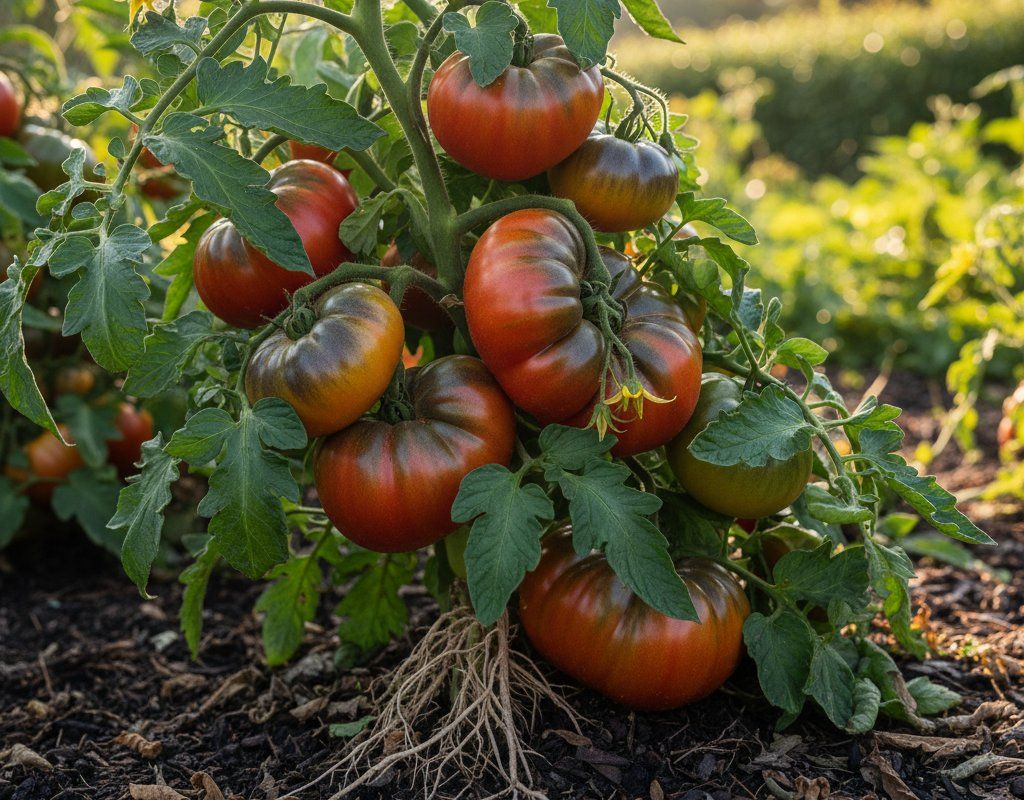
Heirloom Tomatoes in Zone 7A — Texas
Solanum lycopersicum · Your Complete 2026 Planting Guide
Missed Seed Starting? No Problem!
Wait for starts to become available.
What to Do
Starts will be available at nurseries in 25 days (around March 29).
How to Plant Heirloom Tomatoes in Zone 7A — Texas
Here are all your options for getting heirloom tomatoes in the ground, from the easiest method to more advanced approaches.
Start Seeds Indoors
RecommendedEarly February through early March
around February 15
Then transplant: Late March through late April
Start seeds 6-8 weeks before transplanting outdoors.
Buy Starts
Works WellLate March through late April
around March 29
Plant purchased starts after last frost (March 15).
Direct Sow Seeds
ChallengingDirect sowing is not typical for Heirloom Tomatoes.
Transplant Outdoors
Timing InfoLate March through late April
around March 29
Wait until nighttime temperatures stay above 50°F.
You have a nice window — no need to rush.
Overview
Heirloom tomatoes bring unmatched flavor and character to your Texas garden, offering varieties with complex tastes that make store-bought tomatoes seem like cardboard. In our Zone 7A climate, you can grow stunning Cherokee Purples, massive Brandywines, and countless other varieties that have been passed down for generations. The long Texas growing season gives these slower-maturing beauties plenty of time to develop their full flavor potential, and you can often squeeze in both spring and fall plantings if you time it right.
Yes, our unpredictable Texas weather throws curveballs – from late cold snaps to brutal summer heat – but your 245-day growing season gives you flexibility most gardeners only dream of. Starting seeds indoors in early spring protects them from weather swings, and with proper timing, you'll be harvesting gorgeous, flavorful tomatoes well before the worst Texas heat sets in.
Starting Seeds Indoors
Start your heirloom tomato seeds indoors during early February through early March, about six weeks before your last frost date. This indoor head start is essential in Texas since heirlooms need more time to mature than hybrids, and you want to get fruit before the brutal summer heat shuts down production. Set up seed trays in a warm spot (70-75°F) with good light – a south-facing window works, but grow lights give more consistent results.
Bottom watering works best for tomato seedlings since it prevents damping-off disease and keeps the soil evenly moist without waterlogging. Place your seed trays in shallow pans of water and let the soil absorb moisture from below. Keep the soil consistently damp but not soggy, and you should see sprouting within 7-14 days.
Once your seedlings develop their first true leaves, transplant them into individual 4-inch pots. This gives their root systems room to develop before facing the unpredictable Texas spring weather. Keep them indoors under lights or in a bright window until outdoor temperatures stabilize.
Transplanting Outdoors
Wait until late March through late April to transplant your seedlings outdoors, after the danger of frost has passed and nighttime temperatures consistently stay above 50°F. Texas springs can be tricky with unexpected cold snaps, so watch the forecast carefully and be ready to protect young plants if needed. Your heirloom tomatoes need warm soil to thrive – cold, wet soil will stunt them or kill them outright.
Spend a week hardening off your seedlings before transplanting by gradually exposing them to outdoor conditions. Start with just an hour or two of morning sun, then increase daily until they can handle full outdoor exposure. This process prevents transplant shock and helps them adjust to Texas wind and varying humidity levels.
Space your transplants 36-48 inches apart to allow good air circulation – this extra spacing is crucial for heirlooms since they're more susceptible to disease than hybrids. Plant them slightly deeper than they were in their pots, burying part of the stem to encourage a stronger root system. Install support structures at planting time to avoid disturbing roots later.
Watering Heirloom Tomatoes in Zone 7A (Texas)
Consistent watering is absolutely critical for heirloom tomatoes in Texas – these varieties crack much more easily than hybrids when they experience the dry-wet cycles our unpredictable rainfall creates. Aim for about 1-2 inches of water per week, delivered slowly and deeply rather than frequent shallow watering. The finger test works perfectly here: stick your finger 2 inches into the soil, and if it's dry, it's time to water.
During our Texas heat with those 97°F days, you'll need to water more frequently than cooler climates. Water early morning at the base of plants rather than overhead – our variable humidity means wet leaves can invite disease problems, especially during humid spells. Soaker hoses or drip irrigation work beautifully for consistent, deep watering without wetting the foliage.
Watch for signs of water stress: wilting during the heat of the day is normal, but if plants don't perk up by evening, they need more water. Overwatering shows up as yellow leaves and stunted growth, while underwatering causes blossom end rot and cracking when rain finally comes. A 3-inch layer of organic mulch around plants helps maintain even moisture and keeps roots cooler during extreme heat.
When flash floods hit (as they do in Texas), make sure your tomato beds have good drainage. Standing water will kill heirloom tomatoes faster than drought, so plant in raised beds or amended soil that drains well after heavy rains.
Supporting Your Heirloom Tomatoes
Install sturdy cages or stakes at planting time since most heirloom tomatoes grow as indeterminates that can reach 6-8 feet tall in our long growing season. Heavy-duty tomato cages or 6-foot stakes work best – flimsy store-bought cages will collapse under the weight of mature heirloom fruit. These varieties produce large, often irregularly shaped tomatoes that put significant stress on branches.
For staking, use soft ties or old t-shirt strips to secure the main stem every 12-18 inches as the plant grows. Avoid wire or string that can cut into stems, especially when Texas winds pick up. Train the main stem up the support and tie in any heavy fruit-bearing branches that start to sag.
Caging works well for gardeners who prefer less maintenance – choose cages at least 18 inches in diameter and 6 feet tall. As the plant grows, gently weave branches through the cage openings to provide support for heavy fruit clusters. The extra effort you put into strong support systems pays off when you're harvesting pounds of beautiful heirloom tomatoes instead of picking them up off the ground.
Pruning & Maintaining Heirloom Tomatoes
Remove suckers (shoots growing between the main stem and branches) regularly throughout the growing season to keep your heirloom tomatoes manageable and improve air circulation. Unlike hybrids, heirlooms are more susceptible to diseases, so good airflow prevents many problems in our variable humidity. Pinch out suckers when they're small and soft – larger ones should be cut with clean pruners.
Remove the bottom 12 inches of branches once plants are established to prevent soil-borne diseases from splashing onto leaves during our intense Texas rainstorms. Continue removing any yellow or diseased leaves throughout the season, always cutting back to healthy growth and disposing of affected material away from the garden.
As we approach our first frost in mid-November, you can "top" your plants by pinching out the growing tips in early October. This encourages the plant to ripen remaining fruit rather than setting new flowers that won't have time to mature. The long Texas growing season means you'll often have green tomatoes at frost time – these can ripen indoors if picked before the cold hits.
🧪Fertilizing Heirloom Tomatoes
Feeding Schedule
Organic Fertilizer Options
Harvest Time
Your first heirloom tomatoes should be ready to harvest from mid-June through early August, about 80 days after transplanting. Unlike grocery store tomatoes, heirlooms show ripeness through subtle color changes, slight softness when gently squeezed, and easy detachment from the vine with a light twist. Many heirloom varieties keep green shoulders or develop unique color patterns, so learn what "ripe" looks like for each variety you grow.
Harvest regularly to encourage continued production – leaving overripe fruit on the vine signals the plant to stop producing new flowers. Check plants daily during peak season since ripe heirlooms don't last long on the vine in Texas heat. Pick in the early morning when tomatoes are cool and less likely to be damaged by handling.
Heirloom tomatoes ripen beautifully indoors, so you can pick them slightly underripe during extreme heat spells and let them finish on your kitchen counter. This prevents sun-scalding and cracking during those 100°F+ days we inevitably get. Place them stem-side down in a single layer, and they'll ripen with full flavor within a few days.
As the first frost approaches in mid-November, harvest all remaining fruit regardless of ripeness. Green heirloom tomatoes will continue to ripen indoors if stored in a paper bag with an apple or banana – the ethylene gas helps the ripening process. You'll be amazed how many delicious tomatoes you can enjoy well into winter from that final harvest.
Common Problems in Zone 7A (Texas)
Cracking appears as splits in the tomato skin – either concentric circles around the stem or radial lines extending from the stem. You'll notice the skin literally splitting open, sometimes exposing the flesh underneath which can then rot. This happens when your tomatoes absorb water faster than their skin can expand, usually after heavy watering or rain following a dry period. In Texas, this is particularly common during our unpredictable rainfall patterns. Prevent cracking by maintaining consistent soil moisture with regular watering and mulching. Harvest ripe tomatoes promptly, and consider choosing crack-resistant heirloom varieties like Mountain Fresh Plus if this becomes a persistent problem.
Disease susceptibility shows up as brown or black spots on leaves, yellowing foliage, or wilting despite adequate water. Heirloom varieties lack the disease resistance genes bred into modern hybrids, making them more vulnerable to fungal and bacterial problems in our variable humidity conditions. Texas gardeners often see early blight, septoria leaf spot, and bacterial wilt. Improve air circulation with proper spacing and pruning, apply preventative organic fungicides early in the season, and remove affected foliage immediately. Always rotate your tomato crops to different areas of the garden each year.
Lower yields compared to hybrid varieties is simply the trade-off for superior flavor and genetic diversity. Heirlooms typically produce fewer but larger, more flavorful fruits over a longer period. While a hybrid might give you 20 pounds of tomatoes, an heirloom might produce 12-15 pounds of exceptional fruit. The harvest window may also be shorter since heirlooms are more sensitive to extreme heat and will stop setting fruit when temperatures consistently exceed 90°F during the day and 75°F at night.
Irregular shapes create tomatoes with bumps, ridges, and uneven development that would never pass grocery store standards. This is actually characteristic of many heirloom varieties and adds to their charm – Cherokee Purples are naturally ribbed, and Brandywines often have shoulders and creases. Poor pollination during cool spring weather or extreme heat can exaggerate these traits, but remember that ugly tomatoes often have the best flavor.
Texas Specific Challenges: Our extreme heat, unpredictable rainfall, and variable humidity create perfect conditions for tomato stress. Plan for afternoon shade during July and August, maintain consistent watering through drought periods, and be prepared to protect plants from hail and sudden temperature swings that can shock these sensitive varieties.
Best Companions for Heirloom Tomatoes
Plant these nearby for healthier Heirloom Tomatoes and better harvests.
View Full Companion Planting Chart →



Companion Planting Details
Plant basil alongside your heirloom tomatoes – it reportedly improves tomato flavor while repelling aphids and hornworms, plus you'll have fresh ingredients for caprese salad right at hand. Carrots work well as ground cover between tomato plants since their deep taproots don't compete with tomato roots, and marigolds help deter nematodes and other soil pests that can be problematic in Texas gardens. Parsley attracts beneficial insects that prey on tomato pests and doesn't compete for nutrients.
Avoid planting brassicas (cabbage, broccoli, kale) near tomatoes since they can stunt each other's growth and attract different pests that create management headaches. Skip fennel entirely as it inhibits tomato growth, and keep corn away from your tomato patch – both are heavy nitrogen feeders that will compete for nutrients, plus corn can harbor pests like earworms that also damage tomatoes.
🌸Best Flowers to Plant with Heirloom Tomatoes
These flowers protect your Heirloom Tomatoes from pests and attract pollinators for better harvests.
For Pest Control

Get a Reminder When It's Time to Plant
We'll email you when key planting windows open for your zone.