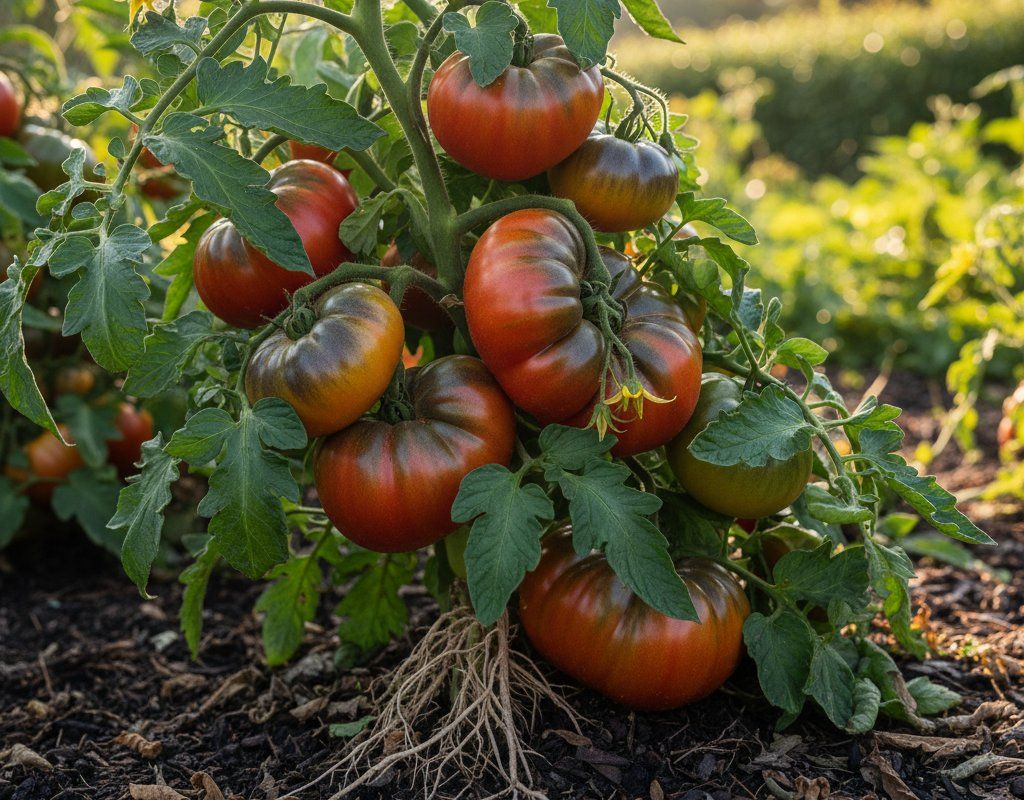
Heirloom Tomatoes in Zone 8A — Desert Southwest
Solanum lycopersicum · Your Complete 2026 Planting Guide
Missed Seed Starting? No Problem!
Wait for starts to become available.
What to Do
Starts will be available at nurseries in 15 days (around March 19).
How to Plant Heirloom Tomatoes in Zone 8A — Desert Southwest
Here are all your options for getting heirloom tomatoes in the ground, from the easiest method to more advanced approaches.
Start Seeds Indoors
RecommendedLate January through mid February
around February 5
Then transplant: Mid March through mid April
Start seeds 6-8 weeks before transplanting outdoors.
Buy Starts
Works WellMid March through mid April
around March 19
Plant purchased starts after last frost (March 5).
Direct Sow Seeds
ChallengingDirect sowing is not typical for Heirloom Tomatoes.
Transplant Outdoors
Timing InfoMid March through mid April
around March 19
Wait until nighttime temperatures stay above 50°F.
You have a nice window — no need to rush.
Overview
Growing heirloom tomatoes in the Desert Southwest brings unmatched flavor rewards during our two distinct growing seasons. These heritage varieties offer complex tastes and stunning colors that store-bought tomatoes simply can't match, making them perfect for fresh salsas, summer gazpacho, and preserving during our abundant harvest periods. Your 265-day growing season provides ample time to enjoy multiple varieties, from early-season Cherokee Purples to late-season Brandywines.
While our extreme heat and arid conditions present challenges, proper timing transforms heirloom tomato growing from struggle to success. Starting these tender plants indoors during our mild winter months and transplanting before the intense heat arrives allows you to harvest premium tomatoes well before summer survival mode kicks in. With careful planning around our climate patterns, you'll enjoy homegrown heirloom tomatoes from early summer through fall.
Starting Seeds Indoors
Start your heirloom tomato seeds indoors from late January through mid-February, about six weeks before your planned transplant date. This timing takes advantage of our very early spring character while ensuring plants are strong enough to handle our variable March weather. Set up seed trays in a warm location (65-75°F works well), using quality seed starting mix and providing consistent light once seedlings emerge.
Bottom watering works exceptionally well for tomato seedlings in our low humidity environment, preventing both damping-off disease and the soil surface from drying out too quickly. Place seed trays in shallow water for 10-15 minutes rather than watering from above. As our desert air tends to dry out soil surfaces rapidly, this method ensures even moisture throughout the root zone.
Once seedlings develop their first true leaves, provide 12-14 hours of light daily using grow lights or a sunny window. Our intense desert sun through windows can actually be too strong for young seedlings, so monitor carefully and provide some midday shade if leaves appear stressed or bleached.
Transplanting Outdoors
Transplant your heirloom tomatoes outdoors from mid-March through mid-April, when nighttime temperatures consistently stay above 45°F and soil has warmed. This window captures our ideal spring conditions before extreme heat arrives, giving plants time to establish strong root systems. Start hardening off seedlings one week before transplanting by gradually exposing them to outdoor conditions, beginning with just 2-3 hours of morning sun.
Space heirloom tomatoes 36-48 inches apart to ensure adequate air circulation in our arid climate. The wider spacing helps prevent disease issues that heirlooms are prone to while allowing each plant access to the deep watering zones you'll create. Our low humidity means plants don't need as much air movement for moisture evaporation, but the extra space helps during our occasional spring windstorms.
Watch for late cold snaps that can still occur through early April. Keep row covers handy and be prepared to protect plants if temperatures drop unexpectedly. Our desert climate's rapid temperature swings mean a 40-degree night can follow a 75-degree day, so monitor weather forecasts closely during this transition period.
Watering Heirloom Tomatoes in Zone 8A (Desert Southwest)
Consistent, deep watering is absolutely critical for heirloom tomatoes in the Desert Southwest, where our extreme heat and arid conditions create constant moisture stress. These varieties need 2-3 inches of water weekly during peak growing season, delivered slowly and deeply to encourage roots to grow down into cooler soil layers. The finger test works well here - if soil feels dry 2 inches down, it's time to water.
Water at the base of plants rather than overhead to conserve precious moisture in our arid environment and reduce disease pressure on the foliage. Drip irrigation or soaker hoses work exceptionally well, delivering water directly to root zones without waste. During our extreme summer heat, you may need to water every other day rather than twice weekly, as soil moisture evaporates rapidly even with mulch.
Watch for signs of water stress, which appear quickly in our low humidity conditions. Wilting during the hottest part of the day is normal, but plants should recover by evening. Cracked fruit, blossom end rot, or persistent wilting indicate inconsistent watering - particularly problematic for heirlooms, which crack more easily than hybrid varieties when soil moisture fluctuates.
Apply 3-4 inches of organic mulch around plants to conserve moisture and moderate soil temperature swings. Wood chips or shredded bark work better than straw in our windy desert conditions. Keep mulch 6 inches away from plant stems to prevent pest issues and allow for proper air circulation around the base.
Supporting Your Heirloom Tomatoes
Install sturdy tomato cages or stakes at planting time, as most heirloom varieties are vigorous indeterminate types that will easily reach 6-8 feet tall in our long growing season. Choose cages at least 5 feet tall or use 8-foot stakes driven 2 feet deep into the ground. The irregular, often large fruit of heirloom varieties creates more weight stress on branches than uniform hybrid tomatoes, making strong support essential.
Tomato cages work well for most gardeners, but in our windy desert conditions, reinforce them with additional stakes or guy wires to prevent toppling. If using stakes, tie plants loosely with soft materials every 12-18 inches as they grow, allowing room for stem expansion. Our rapid spring growth means you'll need to check and adjust ties weekly during peak growing periods.
Train indeterminate heirlooms by gently weaving main stems through cage openings or tying to stakes. Start training early when stems are flexible, as woody stems from our intense sun can become difficult to bend without breaking. Remove any ties that become too tight as stems thicken during the growing season.
Pruning & Maintaining Heirloom Tomatoes
Remove suckers (shoots growing between main stems and branches) regularly to keep heirloom tomatoes manageable and improve air circulation. In our arid climate, good airflow is crucial for preventing the fungal diseases that heirlooms are particularly susceptible to. Pinch suckers when they're small and soft, ideally in early morning when plants are turgid with water.
Remove lower leaves that touch the ground or show any signs of disease throughout the growing season. Our monsoon moisture and soil splashing can quickly spread problems, so stay ahead of potential issues. As plants mature, continue removing leaves from the bottom 12 inches of the plant to improve air circulation and reduce disease pressure.
In late October, begin removing flower clusters and small fruits to direct energy into ripening existing tomatoes before our first frost arrives around late November. This "topping" strategy helps ensure you get the maximum harvest from fruits already set rather than wasting plant energy on tomatoes that won't have time to mature.
🧪Fertilizing Heirloom Tomatoes
Feeding Schedule
Organic Fertilizer Options
Harvest Time
Your first heirloom tomatoes will be ready from early June through late July, roughly 80 days after transplanting. Unlike uniform hybrids, heirloom varieties ripen at different rates and show varying color patterns when ready - some maintain green shoulders while others develop full color. Look for slight softness when gently squeezed and easy detachment from the vine when twisted.
Harvest in early morning when fruits are cool and firm, using clean pruning shears or a gentle twisting motion to avoid damaging the vine. Check plants daily during peak season, as ripe heirlooms don't hold on the vine as well as hybrids and our extreme heat can cause overripe fruit to split or attract pests quickly.
Continue harvesting regularly to encourage ongoing production through our fall growing season. Remove any damaged or cracked fruits immediately to prevent attracting insects or developing rot that could spread to healthy fruits. The irregular shapes and varying sizes characteristic of heirlooms make for interesting harvests but require more frequent picking than uniform varieties.
As first frost approaches in late November, harvest all remaining fruits regardless of ripeness. Green tomatoes will ripen indoors if stored in a warm, dark location - place them in paper bags with a ripe banana to speed the process. Well-developed green fruits often produce better flavor than force-ripened store varieties, extending your heirloom enjoyment well into winter.
Common Problems in Zone 8A (Desert Southwest)
Fruit Cracking Concentric circles or radial splits in tomato skin expose flesh to rot and insects. This appears as deep cracks around the stem end or lines radiating outward from the top of the fruit. In our desert climate, cracking typically occurs when heavy monsoon rains or overwatering follows dry periods, causing fruit to absorb water faster than skin can expand.
Maintain consistent soil moisture with regular deep watering and thick mulch layers to prevent the dry-wet cycles that trigger cracking. Harvest fruits at first blush of color rather than waiting for full ripeness on the vine. Consider varieties like 'Mountain Fresh Plus' or 'Iron Lady' that show better crack resistance than traditional heirlooms.
Disease Susceptibility Yellowing leaves, brown spots, or wilting plants indicate the fungal and bacterial diseases that plague heirlooms more than disease-resistant hybrids. Common issues include early blight (brown spots with concentric rings), bacterial wilt, and fusarium wilt. Our monsoon humidity creates perfect conditions for disease development despite our generally arid climate.
Space plants wider than normal (48 inches apart) and prune aggressively for air circulation. Apply preventative copper fungicide spray every 2-3 weeks during monsoon season. Remove affected foliage immediately and dispose of it away from the garden. Rotate tomato family crops to different areas each year and consider growing in raised beds with fresh soil.
Sunscald Damage White or yellow patches on fruit surfaces that eventually turn papery and brown indicate sunscald from our intense desert sun. This damage typically appears on the shoulder of fruits facing southwest and makes tomatoes unmarketable even though flesh underneath may be fine.
Provide afternoon shade using 30-50% shade cloth during peak summer heat, or plant where they receive natural afternoon shade from structures or trees. Maintain adequate foliage cover by avoiding excessive pruning - leaves naturally shade developing fruits. Consider varieties with dense foliage like 'Stupice' or 'Surefire Red' that better protect their own fruit.
Blossom End Rot Dark, sunken spots on the bottom (blossom end) of fruits indicate calcium deficiency, usually caused by inconsistent watering rather than lack of soil calcium. Our alkaline desert soils typically contain adequate calcium, but water stress prevents plants from uptaking nutrients properly.
Maintain even soil moisture with drip irrigation or soaker hoses, never allowing soil to completely dry out between waterings. Apply 4 inches of organic mulch to moderate soil moisture swings. Test soil pH and amend with sulfur if above 7.5, as alkaline conditions can lock up nutrients even when present in adequate amounts.
Desert Southwest Specific Challenges Our extreme heat and intense UV radiation create unique stresses for heirloom tomatoes that don't exist in milder climates. Combine this with our low humidity, alkaline soils, and irregular monsoon patterns, and even experienced gardeners find heirlooms challenging. Focus on varieties developed in similar climates, provide afternoon shade during summer months, and consider these specialty varieties as spring and fall crops rather than summer survivors.
Best Companions for Heirloom Tomatoes
Plant these nearby for healthier Heirloom Tomatoes and better harvests.
View Full Companion Planting Chart →



Companion Planting Details
Plant basil alongside your heirloom tomatoes - it naturally repels aphids and hornworms while thriving in our hot, dry conditions. Carrots make excellent ground-level companions, their deep taproots helping break up caliche layers while their fine foliage doesn't compete for space. Both parsley and marigolds provide beneficial insect habitat and help mask the scent that attracts tomato pests, while marigolds' drought tolerance makes them particularly suitable for our water-conscious desert gardens.
Avoid planting brassicas like cabbage or broccoli near tomatoes, as they compete for nitrogen and attract flea beetles that can spread to tomato plants. Keep fennel away from your tomato patch - its allelopathic properties inhibit tomato growth, and its deep taproot competes aggressively for water in our moisture-limited environment. Corn creates too much shade for proper tomato development and attracts corn earworms that readily move to tomato fruits.
🌸Best Flowers to Plant with Heirloom Tomatoes
These flowers protect your Heirloom Tomatoes from pests and attract pollinators for better harvests.
For Pest Control

Get a Reminder When It's Time to Plant
We'll email you when key planting windows open for your zone.