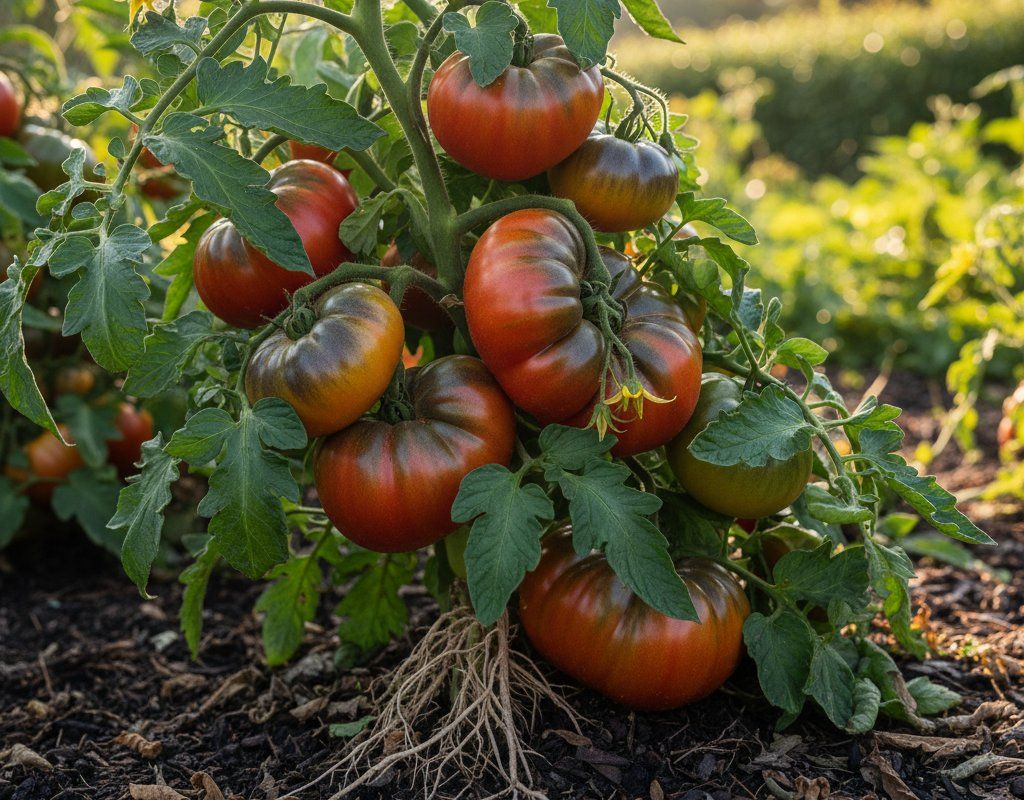
Heirloom Tomatoes in Zone 8B — Florida
Solanum lycopersicum · Your Complete 2026 Planting Guide
Time to Buy Starts!
Seed starting window passed, but starts are available now.
Buy Starts Now
Head to your local nursery, Home Depot, or farmers market for transplants.
- Look for stocky plants with dark green leaves
- Avoid leggy seedlings or plants already flowering
- Check that roots aren't circling the pot (rootbound)
How to Plant Heirloom Tomatoes in Zone 8B — Florida
Here are all your options for getting heirloom tomatoes in the ground, from the easiest method to more advanced approaches.
Start Seeds Indoors
RecommendedMid January through early February
around January 18
Then transplant: Early to late March
Start seeds 6-8 weeks before transplanting outdoors.
Buy Starts
Works WellEarly to late March
around March 1
Plant purchased starts after last frost (February 15).
Direct Sow Seeds
ChallengingDirect sowing is not typical for Heirloom Tomatoes.
Transplant Outdoors
Timing InfoEarly to late March
around March 1
Wait until nighttime temperatures stay above 50°F.
You have a nice window — no need to rush.
Overview
Heirloom tomatoes are the crown jewels of Florida spring gardening, offering complex flavors that make grocery store varieties taste like cardboard in comparison. Here in Zone 8B, you can grow varieties that have been passed down through generations — Cherokee Purples, Brandywines, and German Johnsons that thrive in our subtropical spring climate. The satisfaction of slicing into a perfectly ripe 'Mortgage Lifter' that you started from seed makes every bit of effort worthwhile.
Yes, heirlooms require more attention than hybrid varieties, especially with our extreme humidity and fungal disease pressure. But timing is everything in Florida gardening, and our 303-day growing season gives you flexibility most gardeners can only dream of. Plant in late winter, harvest through late spring before the brutal summer heat arrives, and you'll discover why experienced Florida gardeners swear by these treasured varieties.
Starting Seeds Indoors
Start your heirloom tomato seeds indoors from mid-January through early February, about six weeks before you plan to transplant them outside. This timing takes advantage of our reversed growing season — while northern gardeners are still dealing with snow, you're getting a jump on the best tomato-growing weather Florida offers.
Set up your seed trays in a warm spot that maintains 70-75°F for optimal germination. Bottom watering works best to prevent damping-off disease, which loves our humid conditions. Once seedlings emerge, they need strong light — either a sunny south-facing window or grow lights positioned 2-3 inches above the plants.
Your seedlings will be ready to harden off by early March, when daytime temperatures consistently stay above 60°F and nighttime lows rarely dip below 45°F. This indoor start gives your heirlooms the strong foundation they need to handle our unpredictable spring weather.
Transplanting Outdoors
Transplant your heirloom tomato seedlings outdoors from early to late March, after the last frost danger passes in mid-February but before our heat becomes overwhelming. This narrow window is critical in Florida — too early and a cold snap can kill them, too late and they'll struggle in the mounting heat and humidity.
Harden off your seedlings for a full week by gradually increasing their outdoor exposure. Start with just a few hours of morning sun, then work up to full days outside. Our spring weather can swing dramatically, so watch the forecast and be ready to bring them back inside if temperatures threaten to drop below 50°F.
Space your heirloom tomatoes 36-48 inches apart — they need extra room for air circulation in our humid climate. Plant them deep, burying two-thirds of the stem to encourage strong root development. This extra spacing and deep planting helps prevent the fungal diseases that plague crowded tomato plantings in Florida's moisture-heavy air.
Watering Heirloom Tomatoes in Zone 8B (Florida)
Consistent moisture is absolutely critical for heirloom tomatoes, which crack more easily than hybrid varieties when subjected to the dry-wet cycles common in Florida. During the growing season from March through June, aim for 1-2 inches of water per week, including rainfall. Use the finger test — stick your finger 2 inches into the soil, and if it's dry, it's time to water.
Water at the base of the plants rather than overhead, especially important in our very high humidity where wet foliage invites fungal diseases. Early morning watering allows plants to dry before nightfall, reducing disease pressure. During our typical spring dry spells, you may need to water every other day, but once our wet summer pattern begins in late May, back off to avoid waterlogged roots.
Watch for signs of stress carefully. Underwatered heirlooms will wilt during the heat of the day and show blossom end rot on developing fruit. Overwatered plants develop yellowing lower leaves and may crack dramatically when our afternoon thunderstorms arrive. The key is maintaining that even moisture level our unpredictable spring weather makes challenging.
Apply a 2-3 inch layer of organic mulch around your plants to help maintain consistent soil moisture and moderate soil temperature swings. Pine straw or shredded leaves work well in our climate, breaking down gradually while keeping the root zone stable during our wild spring weather patterns.
Supporting Your Heirloom Tomatoes
Install strong cages or stakes at planting time — heirloom tomatoes are mostly indeterminate varieties that will grow 6-8 feet tall and produce heavy, irregularly shaped fruit that can snap branches without proper support. Heavy-duty tomato cages or sturdy 8-foot stakes work best, as most heirlooms are vigorous growers that quickly outgrow flimsy supports.
Tie the main stem to your support every 8-12 inches as the plant grows, using soft materials like cloth strips or tomato ties to avoid cutting into the stem. Heirloom varieties often produce fruit in odd shapes and sizes that create uneven weight distribution, making steady support even more important than with uniform hybrid varieties.
Don't wait until the plants are loaded with fruit to add support — by then it's often too late to prevent damage. The combination of our spring wind storms and heavy fruit production means your support system needs to be bomber from day one.
Pruning & Maintaining Heirloom Tomatoes
Remove suckers (shoots that emerge between the main stem and branches) regularly to improve air circulation and direct energy into fruit production. This is especially important in Florida's humid climate where good airflow helps prevent fungal diseases that love to attack heirloom varieties' more susceptible foliage.
Prune off the lower branches once they start touching the soil, typically when plants reach 12-18 inches tall. These lower leaves often develop fungal problems first in our humid conditions and removing them helps prevent disease from spreading upward. Continue removing any yellowing or diseased foliage throughout the growing season.
As first frost approaches around mid-December, top your plants to stop vertical growth and encourage the remaining fruit to ripen. About 6-8 weeks before your expected first frost, pinch out the growing tips so the plant puts all its energy into developing existing fruit rather than setting new flowers that won't have time to mature.
🧪Fertilizing Heirloom Tomatoes
Feeding Schedule
Organic Fertilizer Options
Harvest Time
Expect your first ripe heirlooms from mid-May through early July, about 80 days from transplanting. Unlike hybrid varieties that ripen uniformly, heirlooms show ripeness through subtle color changes specific to each variety — Cherokees turn deep purple-red, while Green Zebras develop yellow stripes when ready.
Test for ripeness by gentle pressure — ripe heirlooms will give slightly to touch and detach easily from the vine with a gentle twist. Many heirloom varieties retain green shoulders even when fully ripe, so don't wait for complete color change. Trust the feel and the ease of separation rather than just visual cues.
Harvest regularly to encourage continued production, checking plants every other day during peak season. Cut rather than pull fruits to avoid damaging the vine, and handle heirlooms gently since their thinner skins bruise more easily than hybrid varieties. Pick fruits slightly underripe if heavy rains threaten, as wet weather often triggers cracking in sensitive varieties.
As your first frost date approaches in mid-December, harvest all remaining fruit regardless of ripeness. Green heirloom tomatoes ripen beautifully indoors when placed in a paper bag with a ripe banana, giving you fresh tomatoes well into winter while you're already planning next year's heirloom varieties.
Common Problems in Zone 8B (Florida)
Fruit Cracking Concentric circles around the stem or radial lines splitting from the top indicate fruit cracking, exposing the flesh to rot and ruining your harvest. This happens when heavy watering or rain follows a dry period, causing fruit to absorb water faster than the skin can expand. Heirloom varieties are particularly prone to this problem due to their thinner skins. Maintain consistent moisture through regular watering and mulching, and choose crack-resistant varieties like 'Mountain Fresh Plus' or 'Iron Lady' for problem areas.
Disease Susceptibility Yellow spots on leaves, black patches on stems, or fuzzy growth on fruit indicate the fungal and bacterial diseases that plague heirloom tomatoes more than modern hybrids. Our extreme humidity and wet-summer rainfall create perfect conditions for these problems. Improve air circulation through proper spacing and pruning, apply preventative fungicide every two weeks during humid weather, and remove affected foliage immediately to prevent spread.
Lower Yields Heirloom varieties typically produce fewer fruits per plant than hybrids, and some years the difference can be dramatic. This is the trade-off for superior flavor and genetic diversity — heirlooms weren't bred for maximum production like commercial varieties. Focus on quality over quantity, choose prolific heirloom varieties like 'Stupice' or 'Early Girl', and accept that you're growing these for taste, not volume.
Irregular Shapes Ribbed, bumpy, or lopsided fruits with unusual shapes characterize many heirloom varieties, though poor pollination during cool spring weather can worsen the problem. These "ugly" tomatoes often have the most complex flavors, so embrace the character rather than fighting it. If appearance matters for your kitchen, choose naturally uniform varieties like 'Brandywine' or 'Mortgage Lifter' for slicing.
Florida Specific Challenges Our combination of extreme humidity, nematode pressure in sandy soils, and intense summer heat creates unique challenges for heirloom tomatoes. The wet-summer rainfall pattern that begins in late May often coincides with declining plant health, making disease prevention critical during the spring growing window. Consider nematode-resistant rootstocks for problem areas and plan your harvest to finish before our summer survival mode begins.
Best Companions for Heirloom Tomatoes
Plant these nearby for healthier Heirloom Tomatoes and better harvests.
View Full Companion Planting Chart →



Companion Planting Details
Plant basil alongside your heirloom tomatoes — it naturally repels aphids and whiteflies while improving tomato flavor, and both crops thrive in our warm spring conditions. Marigolds planted throughout the tomato patch help deter nematodes in sandy Florida soil, while carrots and parsley planted between tomato rows make efficient use of space without competing for nutrients.
Avoid planting brassicas like cabbage or broccoli near your tomatoes, as they compete for similar nutrients and can harbor diseases that affect both crop families. Keep corn away from tomatoes since both attract the same hornworm pests, and avoid fennel which can inhibit tomato growth through natural chemical compounds. In our intense growing conditions, every plant needs to pull its weight without creating additional stress for your precious heirloom varieties.
🌸Best Flowers to Plant with Heirloom Tomatoes
These flowers protect your Heirloom Tomatoes from pests and attract pollinators for better harvests.
For Pest Control

Get a Reminder When It's Time to Plant
We'll email you when key planting windows open for your zone.