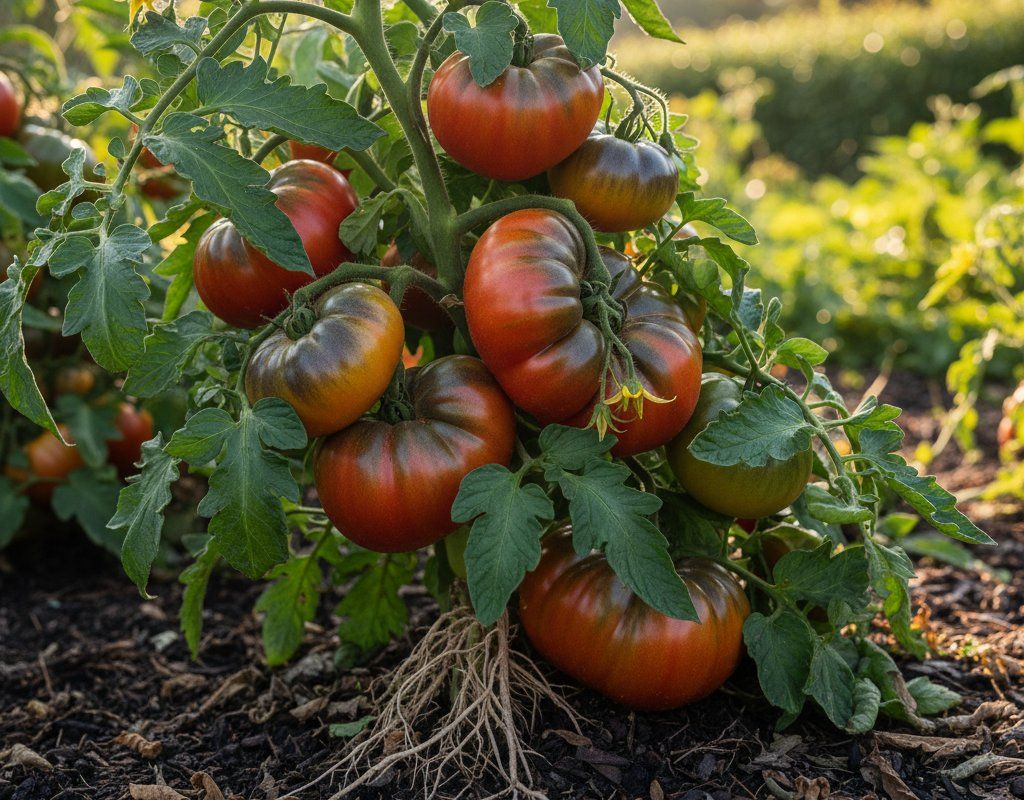
Heirloom Tomatoes in Zone 9B — Texas
Solanum lycopersicum · Your Complete 2026 Planting Guide
Time to Buy Starts!
Seed starting window passed, but starts are available now.
Buy Starts Now
Head to your local nursery, Home Depot, or farmers market for transplants.
- Look for stocky plants with dark green leaves
- Avoid leggy seedlings or plants already flowering
- Check that roots aren't circling the pot (rootbound)
How to Plant Heirloom Tomatoes in Zone 9B — Texas
Here are all your options for getting heirloom tomatoes in the ground, from the easiest method to more advanced approaches.
Start Seeds Indoors
RecommendedEarly to late January
around January 8
Then transplant: Mid February through mid March
Start seeds 6-8 weeks before transplanting outdoors.
Buy Starts
Works WellMid February through mid March
around February 19
Plant purchased starts after last frost (February 5).
Direct Sow Seeds
ChallengingDirect sowing is not typical for Heirloom Tomatoes.
Transplant Outdoors
Timing InfoMid February through mid March
around February 19
Wait until nighttime temperatures stay above 50°F.
You have a nice window — no need to rush.
Overview
Heirloom tomatoes deliver flavors you simply can't find in grocery stores – from the smoky sweetness of Cherokee Purples to the tangy complexity of Brandywines. In Texas, these varieties really shine because our long growing season gives them time to develop their full character, and many heirlooms handle our variable humidity better than you'd expect. The satisfaction of slicing into a perfectly ripe Black Krim in mid-May, knowing you grew it from seed, makes all the effort worthwhile.
While heirlooms can be more challenging than hybrids, our 308-day growing season gives you plenty of time to master their needs. Yes, the Texas heat and unpredictable rainfall create some hurdles, but starting early and focusing on consistent care will have you harvesting incredible tomatoes well before the brutal summer heat peaks. The key is working with our climate patterns rather than fighting them.
Starting Seeds Indoors
Start your heirloom tomato seeds indoors during early to late January, about six weeks before your planned transplant date. Since Texas springs arrive early, this timing puts you ahead of the game and lets you take advantage of our mild late-winter weather for transplanting. Set up seed trays with quality potting mix in a warm spot – a heat mat helps maintain the 70-75°F soil temperature tomatoes need for good germination.
Keep the soil consistently moist using bottom watering rather than overhead sprinkling, which can disturb seeds and encourage fungal problems. Place trays in your brightest south-facing window or under grow lights for 14-16 hours daily. Texas winter light is often weaker than you think, so supplemental lighting usually pays off in stronger seedlings.
Once seedlings develop their second set of true leaves, transplant them into larger containers. This extra growing time indoors gives you robust plants ready to handle our sometimes unpredictable late-winter weather swings.
Transplanting Outdoors
Plan to transplant your seedlings outdoors from mid-February through mid-March, when nighttime temperatures consistently stay above 50°F. In Texas, this window works well because our last frost typically occurs in early February, but you still want to watch for those occasional cold snaps that can surprise us. Start hardening off your plants one week before transplanting by gradually exposing them to outdoor conditions – begin with 2-3 hours of morning sun and build up to full days.
Space your heirloom tomatoes 36-48 inches apart to ensure good air circulation, which is crucial for preventing disease issues that heirlooms are prone to. The wider spacing also gives these vigorous indeterminate plants room to spread without competing for nutrients and water. Choose a spot with full sun and well-draining soil, as our unpredictable spring rains can create waterlogged conditions.
Plant on a calm, overcast day if possible, and water thoroughly after transplanting. Keep row cover or milk jugs handy during the first few weeks – Texas weather can throw you curveballs, and protecting young transplants from unexpected cold or hail storms will save you from having to start over.
Watering Heirloom Tomatoes in Zone 9B (Texas)
Consistent moisture is absolutely critical for heirloom tomatoes, especially in our Texas climate where rainfall ranges from 15-50 inches annually and often arrives in either drought or deluge patterns. These varieties are notorious for cracking when they experience the wet-dry-wet cycles that our unpredictable weather creates. Aim for 1-2 inches of water per week, including rainfall, and check soil moisture using the finger test – stick your finger 2 inches deep near the base of the plant.
During our intense summer heat with highs reaching 97°F, tomatoes may need daily watering, particularly container plants. Water at soil level rather than overhead to reduce disease pressure in our variable humidity conditions. Early morning watering works best because it gives plants time to absorb moisture before the day's heat kicks in, and any water on leaves has time to dry before evening.
Watch for signs of stress: wilting during the hottest part of the day is normal, but plants should recover by evening. Yellowing lower leaves often indicate inconsistent watering, while cracking fruit tells you the moisture levels are swinging too dramatically. During our flash flood periods, ensure good drainage to prevent root rot.
Apply 2-3 inches of organic mulch around plants to maintain consistent soil moisture and keep roots cool during the brutal Texas heat. This simple step can make the difference between thriving plants and stressed ones that struggle through our long, hot summers.
Supporting Your Heirloom Tomatoes
Install sturdy tomato cages or stakes at planting time because most heirloom varieties are vigorous indeterminate types that will easily reach 6-8 feet tall in our long growing season. The heavy, irregularly shaped fruit that makes heirlooms special also makes them prone to breaking branches, so strong support is essential. Choose cages at least 6 feet tall with wide openings for easy harvesting, or use 8-foot stakes driven 2 feet into the ground.
For staking, tie plants loosely with soft materials like cloth strips or tomato ties, creating figure-8 loops that won't cut into stems as they grow. Check and adjust ties every few weeks as plants expand – Texas heat and our long season mean rapid growth that can quickly outgrow initial supports.
Train main stems upward and secure major side branches that develop heavy fruit clusters. With our 308-day growing season, you'll be amazed how large these plants become, so don't underestimate the support they'll need by late summer when loaded with fruit.
Pruning & Maintaining Heirloom Tomatoes
Remove suckers (shoots growing between main stems and branches) when they're small and tender, focusing on the lower third of the plant for better air circulation. In Texas humidity, good airflow helps prevent the fungal diseases that heirlooms are more susceptible to compared to modern hybrids. Pinch off suckers with your fingers when they're 2-4 inches long, or use clean pruning shears for larger ones.
Throughout the season, remove lower leaves that touch the soil and any yellowing or diseased foliage promptly. This is especially important during our hot, humid periods when diseases spread quickly. Leave the upper foliage intact to protect developing fruit from sunscald during our intense summer heat.
As first frost approaches in early December, top the plants by pinching out growing tips about 4-6 weeks beforehand. This encourages existing fruit to ripen rather than the plant putting energy into new growth that won't have time to mature. You can also prune back some foliage to direct energy toward finishing the remaining tomatoes before winter arrives.
🧪Fertilizing Heirloom Tomatoes
Feeding Schedule
Organic Fertilizer Options
Harvest Time
Your first heirloom tomatoes should be ready from early May through late June, typically 80 days after transplanting. Unlike grocery store tomatoes, heirlooms show ripeness in various ways depending on variety – some turn deep red, others remain green-shouldered, and varieties like Green Zebra stay green with yellow stripes. Look for slight softness when gently squeezed and easy separation from the vine when lifted.
Harvest in the morning when fruits are cool and full of moisture. Twist and pull gently, or use clean pruning shears to avoid damaging the vine. Many heirlooms continue producing until first frost in early December, so regular picking encourages continued production. Don't wait for perfect ripeness on the vine during peak summer heat – tomatoes often develop better flavor when picked at the "breaker" stage and ripened indoors.
As summer progresses into our brutal heat, harvest slightly earlier to prevent fruit from becoming overripe and splitting. During late fall, watch weather forecasts for freeze warnings and harvest all mature green fruit before temperatures drop. These can ripen indoors on windowsills or in paper bags, extending your harvest well into winter.
The irregular shapes and varying sizes that characterize heirlooms mean you'll get everything from cherry-sized fruits to massive 2-pound beefsteaks on the same plant. Embrace the variety – the "ugly" tomatoes often have the most complex flavors and make incredible sauces and salsas.
Common Problems in Zone 9B (Texas)
Cracking Look for splits in the tomato skin, either concentric circles around the stem end or radial lines shooting out from the top. The cracks expose the flesh and can lead to rot, especially during our humid periods. This happens when heavy watering or sudden rainfall follows a dry spell – the fruit absorbs water faster than the skin can expand, causing it to split. Some heirloom varieties are naturally more prone to cracking than others. Prevent cracking by maintaining consistent soil moisture through regular watering and mulching. Harvest tomatoes promptly when they start showing color, and consider choosing crack-resistant varieties for future seasons.
Disease Susceptibility Watch for brown spots on leaves, yellowing foliage, or black streaks on stems – signs that fungal or bacterial diseases are taking hold. Heirloom varieties lack the disease resistance genes bred into modern hybrids, making them more vulnerable to problems like early blight, bacterial wilt, and fusarium wilt. Improve air circulation through wider spacing (36-48 inches) and regular pruning of lower branches. Apply preventative organic fungicides during humid periods, rotate your tomato planting areas each year, and remove any affected foliage immediately to prevent spread.
Lower Yields Don't expect the massive harvests you'd get from hybrid varieties – heirloom tomatoes typically produce fewer but more flavorful fruits. This is partly genetic and partly due to their higher susceptibility to stress and disease. Focus on plant health through consistent watering, proper spacing, and good nutrition rather than trying to force higher yields. Many gardeners find the superior taste more than compensates for smaller harvests.
Irregular Shapes Heirloom tomatoes naturally develop unusual shapes – ribbed shoulders, deep pleats, lopsided growth, or bumpy surfaces that look nothing like store-bought varieties. While some irregularity is normal character, extreme distortion usually results from poor pollination during cool spring weather or stress during fruit development. Cool nighttime temperatures below 55°F during flowering can cause catfacing and other deformities. The good news is that these "ugly" tomatoes taste just as good as perfect-looking ones.
Texas Specific Challenges Our hot-to-extreme summer heat combined with variable humidity creates perfect conditions for rapid disease development, while unpredictable rainfall patterns stress plants and promote cracking. Fire ants can also damage young plants and interfere with beneficial insects. Focus on consistent watering, good air circulation, and choosing heat-tolerant heirloom varieties suited to our challenging climate.
Best Companions for Heirloom Tomatoes
Plant these nearby for healthier Heirloom Tomatoes and better harvests.
View Full Companion Planting Chart →



Companion Planting Details
Plant basil near your heirloom tomatoes – it naturally repels aphids and hornworms while thriving in the same hot conditions tomatoes love. Carrots make excellent companions because their deep roots don't compete with tomato roots, and they help break up clay soil that's common in Texas. Parsley attracts beneficial insects that prey on tomato pests, and marigolds release compounds that deter nematodes and other soil-dwelling pests that can plague tomatoes in our warm soil.
Avoid planting brassicas like cabbage or broccoli nearby, as they're heavy nitrogen feeders that compete with tomatoes for nutrients. Fennel releases chemicals that can stunt tomato growth, and corn attracts the same hornworms that devastate tomato plants. In Texas, focus on companions that handle heat well and won't compete for the consistent moisture your heirloom tomatoes desperately need.
🌸Best Flowers to Plant with Heirloom Tomatoes
These flowers protect your Heirloom Tomatoes from pests and attract pollinators for better harvests.
For Pest Control

Get a Reminder When It's Time to Plant
We'll email you when key planting windows open for your zone.