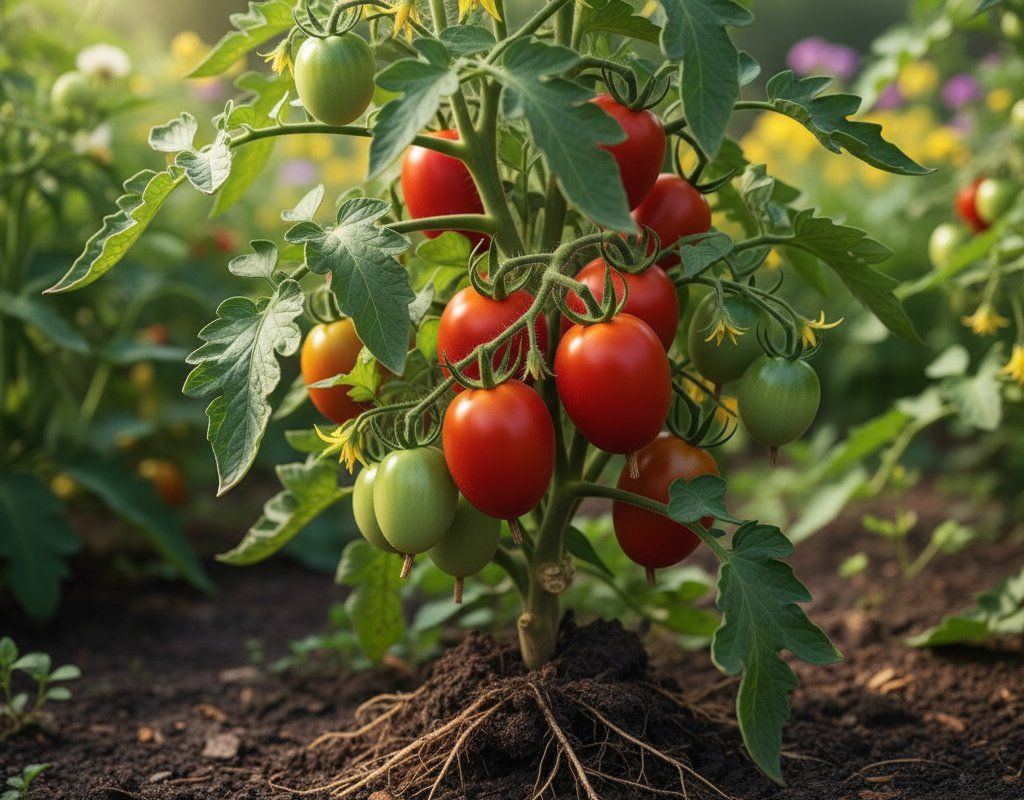
Roma Tomatoes in Zone 3A — Great Plains
Solanum lycopersicum · Your Complete 2026 Planting Guide
Planning Ahead — Great!
You’re ahead of the season. Here’s when to start.
Mark Your Calendar
How to Plant Roma Tomatoes in Zone 3A — Great Plains
Here are all your options for getting roma tomatoes in the ground, from the easiest method to more advanced approaches.
Start Seeds Indoors
RecommendedMid April through early May
around April 27
Then transplant: Early to mid June
Start seeds 6-8 weeks before transplanting outdoors.
Buy Starts
Works WellEarly to mid June
around June 8
Plant purchased starts after last frost (May 25).
Direct Sow Seeds
ChallengingDirect sowing is not typical for Roma Tomatoes.
Transplant Outdoors
Timing InfoEarly to mid June
around June 8
Wait until nighttime temperatures stay above 50°F.
Plan to transplant within a few weeks of your target date.
Overview
Roma tomatoes earn their keep in Plains gardens by delivering consistent harvests of meaty, low-moisture fruits perfect for sauce, paste, and canning. These determinate varieties concentrate their energy into producing a substantial crop all at once, making them ideal for our 108-day growing season where efficiency matters. The thick walls and reduced seed cavities mean more usable flesh per fruit — a real advantage when you're preserving the harvest against our unpredictable weather patterns.
Growing Roma tomatoes in Zone 3A requires working with our extreme temperature swings and variable rainfall, but the payoff is worth the effort. With proper timing and consistent watering, you can achieve a reliable harvest even in years when Mother Nature tests your patience. The key is starting indoors well ahead of our late May last frost and maintaining steady moisture through our hot, windy summers.
Starting Seeds Indoors
Start your Roma seeds indoors during mid-April through early May, about 6 weeks before your planned transplant date in early June. This timing accounts for our variable spring weather — you want sturdy transplants ready to go out once soil temperatures stabilize and night temperatures stay consistently above 50°F.
Set up seed trays in a warm location (70-75°F) with bright light or grow lights running 14-16 hours daily. Bottom watering works best for tomato seedlings — place trays in shallow pans of water and let the soil absorb moisture from below. This prevents damping-off disease and keeps foliage dry during our sometimes unpredictable spring humidity levels.
Once seedlings develop their first true leaves, transplant into larger containers. Keep them indoors until soil temperatures reach at least 60°F consistently — rushing transplants outside during a warm spell often backfires when temperatures swing back down. Our prairie soils take time to warm up even after air temperatures rise.
Transplanting Outdoors
Transplant Roma seedlings outdoors during early to mid-June, after soil has warmed to 60°F and nighttime temperatures stay above 50°F consistently. This timing protects your investment from those late cold snaps that can still surprise us even into early June. Check the long-range forecast before committing — a week of settled weather makes transplanting much safer.
Harden off seedlings gradually over 7-10 days by placing them outside for increasing periods each day, starting with 2-3 hours in filtered sun. Our intense Plains sunshine and wind can shock indoor-grown plants, so this gradual exposure prevents transplant shock and strengthens stems against our constant breezes.
Space plants 24-36 inches apart to ensure good air circulation — crucial in our climate where morning dew combined with variable humidity can encourage disease. The wider spacing also gives you room to work around plants for support installation and harvest without crowding. Plant slightly deeper than the seedlings grew indoors, burying 2/3 of the stem to encourage strong root development.
Watering Roma Tomatoes in Zone 3A (Great Plains)
Roma tomatoes need consistent, deep watering throughout our hot Plains summers — typically 1-2 inches per week depending on rainfall and wind conditions. These paste tomatoes are particularly sensitive to moisture fluctuations, and inconsistent watering will cause blossom end rot on those valuable elongated fruits. Check soil moisture by inserting your finger 2 inches deep; if it feels dry, it's time to water.
Water deeply at the base of plants rather than overhead to keep foliage dry in our low-to-moderate humidity conditions. Overhead watering in morning works if necessary, but avoid evening watering which keeps leaves damp overnight. Our typical summer rainfall of 15-35 inches is variable and unreliable, so plan on supplemental irrigation during dry spells that can stretch for weeks.
Apply 2-3 inches of organic mulch around plants to conserve moisture and moderate soil temperature swings. This is especially important in our windy conditions where soil dries out faster than in more protected climates. During peak summer heat when temperatures hit 93°F or higher, you may need to water every other day to maintain that critical consistent moisture level.
Watch for signs of water stress: leaves curling upward during afternoon heat (normal), but persistent wilting or yellowing lower leaves indicates insufficient water. Overwatering shows up as yellowing leaves that feel soft and soggy rather than crisp. Adjust your watering schedule based on weekly rainfall — our storms can dump significant moisture quickly, then disappear for weeks.
Supporting Your Roma Tomatoes
Roma tomatoes need sturdy support despite their determinate growth habit because they produce heavy clusters of fruit that can snap branches without proper backing. Install tomato cages or sturdy stakes at planting time — waiting until plants are established risks damaging the root system. Choose cages at least 4 feet tall with wide openings for easy harvest access.
Stakes should be driven 18 inches deep and stand 5-6 feet above ground to handle our Plains winds. Use soft ties like fabric strips or tomato clips to secure stems — avoid wire or string that can cut into plants during windy conditions. As fruits develop, you may need to tie individual heavy clusters to prevent branch breakage.
Position supports on the windward side of plants when possible, or create windbreaks using taller crops or temporary screens. Our constant Plains breezes can work plants loose from their supports over time, so check ties monthly and adjust as needed. Proper support also improves air circulation around fruits, reducing disease pressure in our variable humidity conditions.
🧪Fertilizing Roma Tomatoes
Feeding Schedule
Organic Fertilizer Options
Harvest Time
Expect your first Roma tomatoes to ripen during late August through early September, about 75 days from transplanting. The determinate growth habit means most fruits will ripen within a 2-3 week window, perfect for large-batch processing. Ripe Romas show deep red color throughout with no green shoulders, and the flesh yields slightly to gentle pressure while maintaining firm structure.
Harvest by grasping the fruit and gently twisting until it separates from the stem, or use clean garden shears to cut the stem just above the fruit. Check plants every 2-3 days during peak harvest since fruits can go from perfect to overripe quickly in our hot summer temperatures. Pick fruits in early morning when they're cool and full of moisture.
As our first frost approaches in early September, monitor weather forecasts closely. Roma tomatoes can ripen off the vine if picked when they show the first blush of color, so harvest all mature green fruits before temperatures drop below 40°F. Wrap individual green tomatoes in newspaper and store in a cool, dark location — they'll continue ripening over several weeks.
Don't leave overripe or damaged fruits on plants, as they attract insects and can harbor diseases that overwinter in our soil. Clean harvest practices help ensure healthier plants next season and reduce pest pressure in your garden.
Common Problems in Zone 3A (Great Plains)
Blossom End Rot This appears as dark, sunken patches on the bottom (blossom end) of fruits, turning leathery and black as it progresses. Roma tomatoes are especially susceptible because of their elongated shape. The problem stems from calcium deficiency caused by inconsistent watering — not actual calcium shortage in our prairie soils, but the plant's inability to transport calcium when moisture levels fluctuate. Our hot, windy conditions make maintaining consistent soil moisture challenging, triggering this nutritional disorder. Prevent it by watering consistently and deeply, mulching heavily to buffer moisture swings, and avoiding excessive nitrogen fertilization which interferes with calcium uptake.
Early Blight Brown spots with distinctive concentric rings (bullseye pattern) appear first on lower leaves, gradually spreading upward until leaves yellow and drop. This fungal disease thrives when our morning dew combines with warm temperatures and spreads through soil splash onto lower foliage. The disease progresses faster during periods when humidity rises above our typical low-to-moderate levels. Remove affected leaves immediately and destroy them (don't compost), mulch around plants to prevent soil splash, and water at the base rather than overhead. Space plants adequately for air circulation — our Plains winds help here if plants aren't crowded.
Fusarium Wilt Plants wilt on one side first, then the entire plant, despite adequate soil moisture. Lower leaves yellow and drop, and cutting open affected stems reveals brown streaking inside. This soil-borne fungus enters through roots and blocks water transport within the plant. Our warm prairie soils during summer provide ideal conditions for fusarium development. There's no cure once plants are infected — remove and destroy them immediately. Plant resistant varieties marked with 'F' on seed packets, rotate tomato family crops to different garden areas yearly, and maintain soil pH above 6.5 to discourage fungal activity.
Great Plains Specific Challenges: Our combination of intense heat, variable rainfall, and persistent winds creates perfect conditions for water stress-related problems like blossom end rot. The low-to-moderate humidity helps reduce some fungal diseases but makes consistent watering absolutely critical for Roma tomato success.
Best Companions for Roma Tomatoes
Plant these nearby for healthier Roma Tomatoes and better harvests.
View Full Companion Planting Chart →



Companion Planting Details
Plant basil near Roma tomatoes — it reportedly improves flavor while repelling aphids and hornworms that can damage your crop. Carrots make excellent companions because their deep taproots don't compete with tomato roots, and they help break up clay components in our prairie soils. Marigolds planted throughout the tomato patch deter nematodes and some flying insects, plus their bright flowers attract beneficial predatory insects that help control pests naturally.
Avoid planting brassicas like cabbage or broccoli near tomatoes since they're heavy nitrogen feeders that compete for nutrients, and their different watering needs don't match well. Skip fennel entirely — it inhibits tomato growth through allelopathic compounds. Corn should be planted elsewhere since both crops attract similar pests and corn provides a highway for pests to move between plants in our windy conditions.
🌸Best Flowers to Plant with Roma Tomatoes
These flowers protect your Roma Tomatoes from pests and attract pollinators for better harvests.
For Pest Control



For Pollinators

Get a Reminder When It's Time to Plant
We'll email you when key planting windows open for your zone.