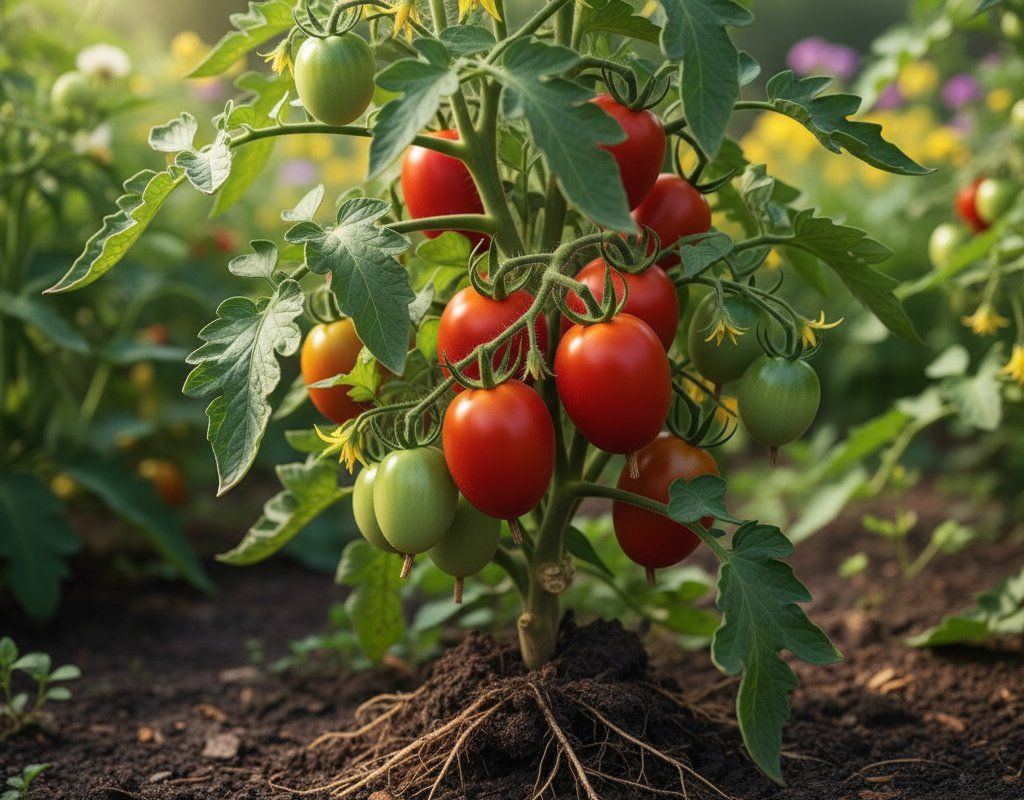
Roma Tomatoes in Zone 4A — Midwest
Solanum lycopersicum · Your Complete 2026 Planting Guide
Planning Ahead — Great!
You’re ahead of the season. Here’s when to start.
Mark Your Calendar
How to Plant Roma Tomatoes in Zone 4A — Midwest
Here are all your options for getting roma tomatoes in the ground, from the easiest method to more advanced approaches.
Start Seeds Indoors
RecommendedEarly April through early May
around April 17
Then transplant: Late May through late June
Start seeds 6-8 weeks before transplanting outdoors.
Buy Starts
Works WellLate May through late June
around May 29
Plant purchased starts after last frost (May 15).
Direct Sow Seeds
ChallengingDirect sowing is not typical for Roma Tomatoes.
Transplant Outdoors
Timing InfoLate May through late June
around May 29
Wait until nighttime temperatures stay above 50°F.
You have a nice window — no need to rush.
Overview
Roma tomatoes are perfect for Midwest gardeners who want meaty, flavorful paste tomatoes that handle our summer heat spells beautifully. These determinate varieties produce concentrated harvests of thick-walled fruit that's ideal for sauces, canning, and cooking — exactly what you need when the August heat has you wanting to preserve the garden's bounty rather than eat fresh salads. The fertile soil here in Zone 4A gives Roma tomatoes the nutrients they need to develop that rich, concentrated flavor that makes store-bought sauce taste like water.
Our 128-day growing season gives Roma tomatoes plenty of time to mature, even with our tendency toward late spring starts. Yes, we have to baby them through transplanting after our variable spring weather settles down, but once they're established in the ground after Memorial Day, they thrive in our summer conditions. The key is getting them started indoors early enough to make the most of our growing window.
Starting Seeds Indoors
Start your Roma tomato seeds indoors during early April through early May, about six weeks before you plan to transplant them outside. This timing works perfectly with our moderate-to-late spring pattern — you'll have sturdy seedlings ready to go out when the soil has truly warmed up and the last frost danger has passed.
Set up seed trays in a warm spot (70-75°F works well) with good light once they germinate. A sunny south-facing window or grow lights both work fine. The key is bottom watering — let the seedlings draw water up through drainage holes rather than watering from above, which helps prevent damping-off fungus that thrives in our spring humidity.
Your seedlings will be ready to transplant when they're 6-8 inches tall with sturdy stems and their first set of true leaves well-developed. This usually happens right around late May, which aligns perfectly with our safe transplanting window.
Transplanting Outdoors
Plan to transplant your Roma seedlings during late May through late June, once soil temperatures consistently stay above 60°F and you're confident the last frost has passed. Here in the Midwest, waiting until Memorial Day weekend is usually safe, though you can push it a week earlier if the weather's been stable.
Spend a full week hardening off your seedlings before transplant day. Start with just an hour outside in filtered sun, gradually increasing their outdoor time and sun exposure. Our spring weather can swing from warm to surprisingly cool, so this gradual transition prevents transplant shock.
Space Roma plants 24-36 inches apart to allow good air circulation — this becomes important during our humid summer nights when fungal problems can develop. Plant them deep, burying 2/3 of the stem to encourage strong root development in our heavy clay soils. The buried stem will grow additional roots, giving your plants better stability against summer storms.
Watering Roma Tomatoes in Zone 4A (Midwest)
Roma tomatoes need consistent, deep watering throughout the growing season, which can be tricky to manage with our wet-summer climate that alternates between soaking rains and dry spells. Aim for about 1-2 inches of water per week, including rainfall, but focus more on consistency than total amount. These paste tomatoes are especially prone to blossom end rot when their water supply fluctuates.
Check soil moisture using the finger test — stick your finger 2 inches into the soil near the plant base. If it's dry at that depth, it's time to water deeply. During our typical summer pattern of afternoon thunderstorms followed by several dry days, you'll usually need to supplement with irrigation 1-2 times per week.
Water at the base of the plants rather than overhead, especially given our moderate-to-humid summer conditions. Overhead watering in humid weather invites fungal problems on the leaves. A soaker hose or drip irrigation works perfectly, or simply water slowly at the base with a hose to let moisture soak deep into our clay soil.
Watch for signs of water stress: wilting during the heat of the day (normal), leaves curling upward (underwatered), or yellowing lower leaves (often overwatering in our heavy soils). Mulch around the plants with 2-3 inches of straw or grass clippings to help maintain even moisture during our summer heat spells and sudden downpours.
Supporting Your Roma Tomatoes
Install cages or stakes at planting time, even though Roma tomatoes are determinate and stay shorter than indeterminate varieties. These plants produce such a heavy crop of fruit that the branches will bow down and potentially break without support, especially during our summer thunderstorms.
Shorter cages (3-4 feet) work perfectly for Roma tomatoes since they typically max out around that height. You can also use a simple stake-and-tie system, using soft ties to secure the main stem as the plant grows. Avoid tying too tightly since the stems continue to thicken throughout the season.
The key is getting support in place early — trying to install cages around mature plants damages roots and branches. Since Roma tomatoes set most of their fruit over a concentrated period, having strong support prevents losing your harvest to broken branches when those heavy clusters ripen all at once.
🧪Fertilizing Roma Tomatoes
Feeding Schedule
Organic Fertilizer Options
Harvest Time
Your first Roma tomatoes will be ready during mid-August through mid-September, about 75 days from transplanting. Since these are determinate plants, expect most of your crop to ripen within a 2-3 week window rather than continuously throughout the season like indeterminate varieties.
Look for fruit that's turned deep red throughout with no green shoulders, and gives slightly to gentle pressure while still feeling firm. The fruit should detach easily from the stem with a gentle twist — if you have to pull hard, it's not quite ready. Roma tomatoes have thick flesh and lower water content than slicing tomatoes, so they'll feel more solid when ripe.
Harvest regularly during peak season to keep the plants producing their remaining fruit. Pick any tomatoes that show the first blush of red before our first frost, which typically arrives in mid-September. These will continue ripening indoors if you place them in a paper bag or cardboard box in a cool, dark place.
Since our growing season can end abruptly with an early frost, keep an eye on fall weather forecasts starting in early September. You can extend your harvest by covering plants with row covers during light frosts, but Roma tomatoes are particularly cold-sensitive and won't survive anything below about 35°F.
Common Problems in Zone 4A (Midwest)
Blossom End Rot You'll see sunken, dark brown or black leathery patches on the bottom (blossom end) of the fruit, often affecting the first tomatoes of the season. This looks alarming but it's not a disease — it's a calcium deficiency caused by inconsistent watering, which is common here with our wet-summer climate of heavy rains followed by dry spells. Our clay soil holds moisture well but can create feast-or-famine conditions for plant roots. Keep soil moisture consistent through mulching and supplemental irrigation during dry periods. Remove affected fruit since they won't recover.
Early Blight Brown spots with distinctive concentric rings (like a bullseye target) appear on lower leaves first, then spread upward. Leaves turn yellow and drop, weakening the plant during our important late-summer fruiting period. This fungal disease thrives in our warm, humid summer conditions and spreads through soil splash during thunderstorms. Water at the base of plants rather than overhead, mulch to prevent soil splash, and remove affected leaves immediately (don't compost them). Improve air circulation by proper spacing and pruning lower branches that touch the ground.
Fusarium Wilt The plant wilts on one side first, then spreads to the whole plant despite adequate soil moisture. You'll notice yellow leaves starting on one side, and if you cut the stem open, you'll see brown streaks inside. This soil-borne fungus persists in our soils for years and becomes more active during summer heat spells. There's no cure once a plant is infected — remove and destroy it immediately. Prevent future problems by rotating crops on a 4-year cycle and choosing resistant varieties marked with 'F' on seed packets.
Midwest Specific Challenges Our moderate-to-humid summer conditions with wet-summer rainfall patterns create perfect conditions for fungal problems, while our clay soil can contribute to both blossom end rot (from inconsistent moisture) and root diseases (from poor drainage). Focus on soil improvement, consistent watering practices, and choosing disease-resistant varieties to work with our climate rather than fight it.
Best Companions for Roma Tomatoes
Plant these nearby for healthier Roma Tomatoes and better harvests.
View Full Companion Planting Chart →



Companion Planting Details
Plant basil near your Roma tomatoes — it naturally repels aphids and hornworms while thriving in the same warm conditions. Carrots make excellent companions since their deep taproots break up our clay soil and don't compete for nutrients at the same level as tomatoes. Parsley planted around the base attracts beneficial insects that help control common tomato pests, and marigolds throughout the garden bed deter nematodes that can be problematic in our fertile but sometimes pest-harboring soils.
Avoid planting brassicas (cabbage, broccoli, cauliflower) near tomatoes since they're heavy nitrogen feeders that compete directly with tomatoes for nutrients in our fertile soil. Keep fennel and corn away from your tomato patch too — fennel can inhibit tomato growth through allelopathic compounds, and corn attracts hornworms that will quickly discover and devastate your nearby tomato plants.
🌸Best Flowers to Plant with Roma Tomatoes
These flowers protect your Roma Tomatoes from pests and attract pollinators for better harvests.
For Pest Control



For Pollinators

Get a Reminder When It's Time to Plant
We'll email you when key planting windows open for your zone.