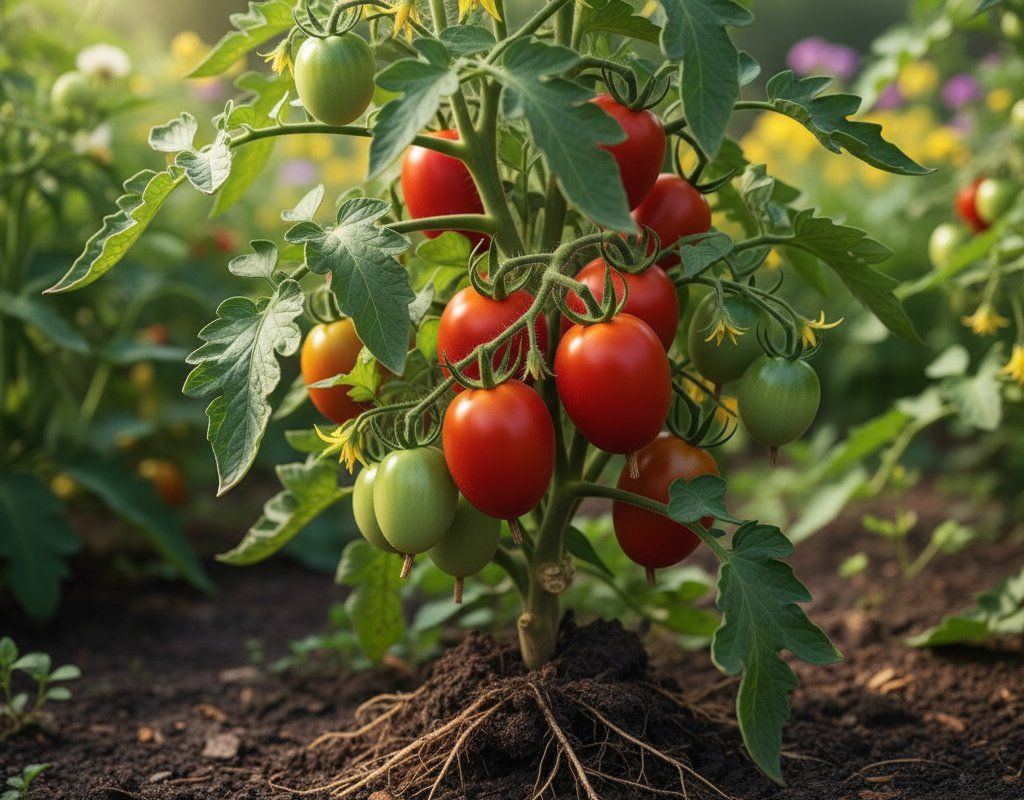
Roma Tomatoes in Zone 8B — Gulf Coast
Solanum lycopersicum · Your Complete 2026 Planting Guide
Missed Seed Starting? No Problem!
Wait for starts to become available.
What to Do
Starts will be available at nurseries in 2 days (around March 6).
How to Plant Roma Tomatoes in Zone 8B — Gulf Coast
Here are all your options for getting roma tomatoes in the ground, from the easiest method to more advanced approaches.
Start Seeds Indoors
RecommendedMid January through early February
around January 23
Then transplant: Early March through early April
Start seeds 6-8 weeks before transplanting outdoors.
Buy Starts
Works WellEarly March through early April
around March 6
Plant purchased starts after last frost (February 20).
Direct Sow Seeds
ChallengingDirect sowing is not typical for Roma Tomatoes.
Transplant Outdoors
Timing InfoEarly March through early April
around March 6
Wait until nighttime temperatures stay above 50°F.
You have a nice window — no need to rush.
Overview
Roma tomatoes are the perfect paste tomato for Gulf Coast gardeners who want thick, meaty fruit that holds up to our humid climate. These determinate beauties produce heavy clusters of 2-3 inch oval tomatoes packed with intense flavor and minimal seeds — ideal for sauces, salsas, and preserving during our incredibly long growing season. The firm, dense flesh makes them superior to slicers when you're battling the high humidity that can make other varieties mushy.
While the Gulf Coast presents challenges with extreme humidity and disease pressure, Roma tomatoes can thrive here with proper timing and care. Our 284-day growing season gives you plenty of time to enjoy multiple plantings, and these determinates produce their entire crop over just a few weeks, letting you process your harvest before the worst summer heat hits. Starting them indoors during our mild winter gives you the head start needed to beat the intense disease pressure that builds as humidity peaks.
Starting Seeds Indoors
Start your Roma tomato seeds indoors during mid-January through early February, about 6 weeks before you plan to transplant outdoors. This timing takes advantage of our early spring character, giving plants a strong foundation before Gulf Coast heat and humidity intensify. You'll want to get seedlings established while nighttime temperatures are still relatively cool and manageable.
Set up seed trays with quality seed-starting mix in a warm location — aim for soil temperatures around 70-75°F. A heat mat works well during our cooler winter nights. Once seeds germinate (usually 7-10 days), provide bright light either from a sunny south window or grow lights positioned 2-3 inches above seedlings. Bottom watering works best for tomato seedlings since it prevents damping-off disease that thrives in our humid conditions.
As seedlings develop their first true leaves, transplant them into individual 3-4 inch pots. Keep soil consistently moist but not waterlogged — the key is steady, even moisture that Roma tomatoes desperately need to prevent future blossom end rot problems.
Transplanting Outdoors
Plan to transplant your Roma tomato seedlings outdoors from early March through early April, once nighttime temperatures consistently stay above 55°F. This window works perfectly with our Gulf Coast spring pattern of warming quickly but occasionally dropping back down unexpectedly. You want soil temperature above 60°F for best root development.
Harden off seedlings for a full week before transplanting by gradually exposing them to outdoor conditions. Start with just 2-3 hours of morning sun, then increase daily until they're outside all day. This process is crucial here since the transition from indoor conditions to our high humidity and intense sun can shock young plants. Our afternoon storms during spring also help ease this transition naturally.
Space plants 24-36 inches apart to ensure good air circulation — critical in our humid climate for preventing fungal diseases. The wider spacing also accommodates Roma's bushy growth habit and heavy fruit production. Choose a location with full sun (6-8 hours) and well-draining soil, since these determinates will put on all their growth quickly once warm weather arrives.
Watering Roma Tomatoes in Zone 8B (Gulf Coast)
Roma tomatoes have high water needs and aren't drought tolerant, making consistent watering absolutely critical here in the Gulf Coast. Unlike many regions where summer means dry conditions, our wet-year-round climate with 50-65 inches of annual rainfall creates different watering challenges. The key isn't just amount — it's consistency, especially with our unpredictable afternoon storms and periods of intense heat.
During spring (March through May), water deeply 1-2 times per week if rainfall is sparse, providing about 1-1.5 inches total per week. Check soil moisture with the finger test — stick your finger 2 inches deep near the plant base. If dry, it's time to water. As summer heat builds and typical highs hit 93°F, increase to 2-2.5 inches per week, adjusting for our frequent thunderstorms. The extreme humidity means soil stays moist longer, but surface evaporation in hot sun is still intense.
Always water at the base of plants rather than overhead — our very high humidity makes wet foliage an invitation for fungal diseases. Soaker hoses or drip irrigation work perfectly here. Watch for signs of inconsistent watering: blossom end rot (dark sunken spots on fruit bottoms) from drought stress, or yellowing lower leaves from too much moisture. Roma's paste tomato structure makes them especially susceptible to blossom end rot when water uptake becomes erratic.
Apply 2-3 inches of organic mulch around plants to maintain even soil moisture and buffer against our dramatic wet-dry cycles during storm season. Good mulching is your best defense against the watering inconsistencies that plague Gulf Coast tomato growers.
Supporting Your Roma Tomatoes
Roma tomatoes benefit from caging or staking despite their determinate growth habit. These plants stay more compact than indeterminates, typically reaching 3-4 feet tall, but they produce such heavy fruit loads that branches often break without support. The concentrated harvest period means all fruit develops simultaneously, putting maximum stress on branches at once.
Install cages or stakes at planting time to avoid disturbing roots later. For Roma's determinate nature, shorter 4-foot cages work perfectly and are less likely to blow over during hurricane season. If using stakes, choose sturdy 6-foot posts and tie plants with soft cloth strips every 8-10 inches as they grow. The heavy fruit clusters need multiple tie points for adequate support.
Since Roma plants stay bushy and compact, focus on supporting the main stems and any branches developing heavy fruit clusters. Remove suckers (shoots growing between main stem and branches) only in the bottom 12 inches to improve air circulation — our high humidity demands good airflow around plants to prevent disease.
🧪Fertilizing Roma Tomatoes
Feeding Schedule
Organic Fertilizer Options
Harvest Time
Expect your first Roma tomatoes from mid-May through early July, roughly 75 days after transplanting. These determinate plants produce their entire crop over 3-4 weeks, giving you a concentrated harvest perfect for sauce-making and preserving. This timing works beautifully in the Gulf Coast since you'll finish harvesting before summer disease pressure peaks.
Roma tomatoes are ready when they've developed deep red color throughout with no green shoulders or streaks. The fruit should feel firm but give slightly to gentle pressure — fully ripe Romas have a slight softness that indicates peak flavor. Unlike slicing tomatoes, Romas detach easily from the stem when properly ripe, often falling into your hand with minimal pulling.
Harvest in early morning when fruit is cool and firm. Check plants every 2-3 days during peak production since ripe fruit doesn't hold long on the vine in our humid conditions. Overripe tomatoes become soft and prone to cracking, especially after afternoon storms. Pick fruit with stems attached when possible to extend storage life.
As your growing season stretches toward first frost in early December, green Roma tomatoes ripen well indoors. Harvest any full-sized green fruit before nighttime temperatures drop below 50°F. Place them in a paper bag with a ripe apple or banana — the ethylene gas speeds ripening. This extended season approach lets you enjoy fresh Romas well into fall.
Common Problems in Zone 8B (Gulf Coast)
Blossom End Rot This appears as dark, sunken, leathery patches on the bottom (blossom end) of Roma tomatoes, often affecting the first fruit clusters. The spots start small and brown, then enlarge and turn black. Roma's elongated shape makes this problem especially noticeable and frustrating since it ruins the entire bottom portion of each fruit. Inconsistent watering causes calcium deficiency — not from lack of calcium in soil, but from the plant's inability to uptake calcium during drought-flood cycles. Our unpredictable afternoon storms followed by hot, dry periods create perfect conditions for this nutrient uptake problem. Maintain consistent soil moisture through mulching and regular watering schedules. Deep, less frequent watering works better than frequent shallow watering. Remove affected fruit immediately to redirect plant energy.
Early Blight Look for brown spots with distinctive concentric rings (bullseye or target pattern) starting on lower leaves and progressing upward. Infected leaves turn yellow and drop, eventually defoliating plants from bottom up. This fungal disease thrives in our warm, humid conditions and spreads via soil splash onto lower foliage during heavy rains. The combination of heat, moisture, and our frequent thunderstorms creates ideal conditions for early blight to flourish. Remove affected leaves immediately and destroy them (never compost). Apply thick mulch to prevent soil from splashing onto leaves during storms. Water at plant base only, never overhead. Space plants wider for better air circulation. Copper-based fungicides help slow spread if applied early.
Fusarium Wilt Plants develop yellowing and wilting that starts on one side, then spreads across the entire plant. Cut stems reveal brown streaking inside — a telltale sign of this soil-borne fungal disease. Unlike temporary wilting from heat stress, fusarium wilt doesn't recover with watering or cooler evening temperatures. This fungus persists in Gulf Coast soils for years and enters through root systems, particularly thriving in our warm, moist soil conditions. No cure exists once plants are infected — remove and destroy affected plants immediately. Choose resistant varieties marked with 'F' on seed packets. Rotate tomato family crops (tomatoes, peppers, eggplants) on a 4-year cycle. Soil solarization during our hot summers can reduce fungal load.
Gulf Coast Specific Challenges: Our combination of extreme humidity, frequent rainfall, and consistent warmth creates a perfect storm for fungal diseases that rarely trouble gardeners in drier climates. Roma tomatoes, with their dense foliage and heavy fruit production, need extra attention to air circulation and consistent (but not excessive) moisture management to thrive in these challenging conditions.
Best Companions for Roma Tomatoes
Plant these nearby for healthier Roma Tomatoes and better harvests.
View Full Companion Planting Chart →



Companion Planting Details
Plant basil alongside your Roma tomatoes — it naturally repels aphids and other pests while thriving in similar growing conditions. The aromatic oils help mask tomato scents from harmful insects, and you'll have both ingredients ready for fresh sauces. Carrots make excellent companions since they don't compete for space or nutrients, growing below ground while tomatoes reach skyward. Their different root zones actually help break up soil for better drainage — important in our heavy Gulf Coast clay soils. Marigolds planted nearby deter nematodes and other soil pests that plague tomatoes in our warm climate.
Avoid planting brassicas (cabbage, broccoli, cauliflower) near Roma tomatoes since they compete heavily for nutrients and can stunt tomato growth. Fennel releases chemicals that inhibit tomato development and attracts pests that also damage tomatoes. Skip corn as a companion too — it's a heavy nitrogen feeder that competes directly with hungry Roma plants, and both crops attract similar pests like tomato hornworms, creating concentrated pest problems in your garden.
🌸Best Flowers to Plant with Roma Tomatoes
These flowers protect your Roma Tomatoes from pests and attract pollinators for better harvests.
For Pest Control



For Pollinators

Get a Reminder When It's Time to Plant
We'll email you when key planting windows open for your zone.