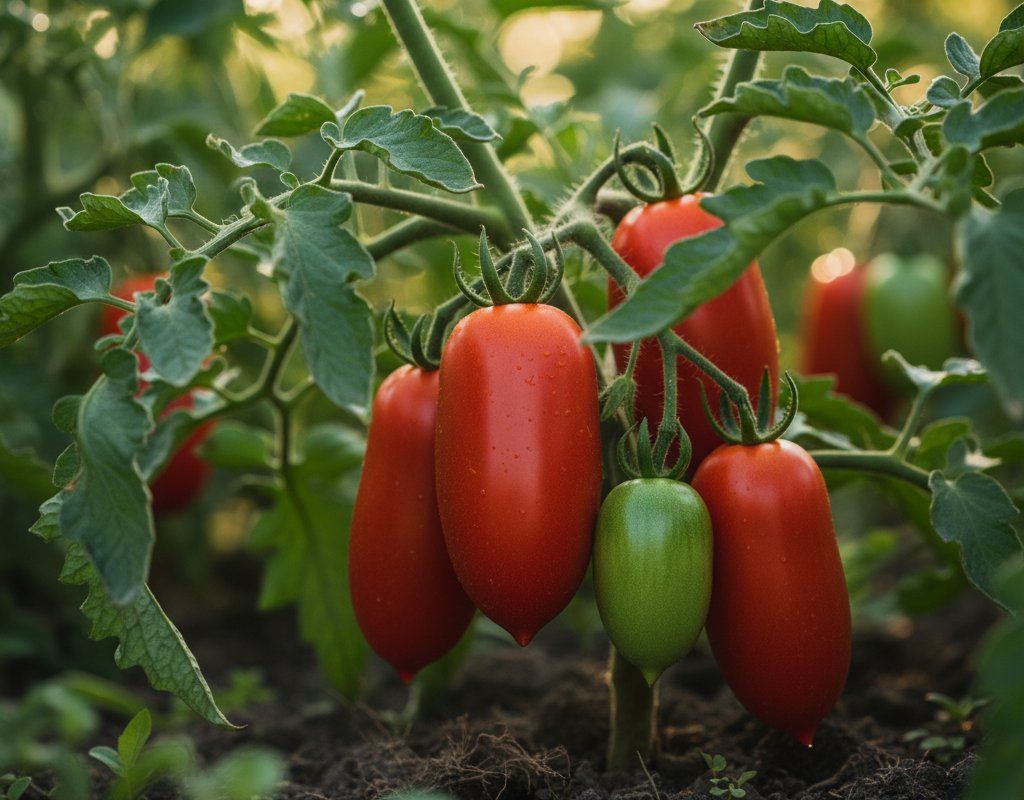
San Marzano Tomatoes in Zone 3A — Great Plains
Solanum lycopersicum · Your Complete 2026 Planting Guide
Planning Ahead — Great!
You’re ahead of the season. Here’s when to start.
Mark Your Calendar
How to Plant San Marzano Tomatoes in Zone 3A — Great Plains
Here are all your options for getting san marzano tomatoes in the ground, from the easiest method to more advanced approaches.
Start Seeds Indoors
RecommendedMid April through early May
around April 27
Then transplant: Early June
Start seeds 6-8 weeks before transplanting outdoors.
Buy Starts
Works WellEarly June
around June 8
Plant purchased starts after last frost (May 25).
Direct Sow Seeds
ChallengingDirect sowing is not typical for San Marzano Tomatoes.
Transplant Outdoors
Timing InfoEarly June
around June 8
Wait until nighttime temperatures stay above 50°F.
Plan to transplant within a few weeks of your target date.
Overview
San Marzano tomatoes bring authentic Italian flavor to your Great Plains garden, producing those prized elongated paste tomatoes perfect for sauce-making and canning. These indeterminate beauties thrive in our intense prairie sunshine and low humidity, developing concentrated flavors that store-bought varieties simply can't match. The variety's naturally thick walls and low seed count make them ideal for preserving your summer harvest through our long winters.
While our short 108-day growing season and extreme weather swings present challenges, San Marzanos are absolutely manageable with proper timing. Starting seeds indoors gives you the head start needed to work within our late May last frost and early September first frost window. The key is understanding our variable spring weather patterns and planning accordingly.
Starting Seeds Indoors
Start your San Marzano seeds indoors from mid-April through early May, giving yourself about 6 weeks before transplanting. Our variable spring weather makes indoor starting essential - you'll avoid the temperature swings that can stress young plants and ensure they're ready for our narrow growing window.
Set up seed trays in a warm spot (65-70°F works well) with good light exposure. A south-facing window or grow lights will keep seedlings stocky rather than leggy. Bottom watering prevents fungal issues that can plague seedlings - set trays in shallow water and let the soil wick up moisture rather than watering from above.
Keep soil consistently moist but not soggy, and expect germination in 7-10 days. Once seedlings develop their first true leaves, you can begin weekly dilute fertilizer applications to build strong root systems for transplanting.
Transplanting Outdoors
Plan to transplant your San Marzanos outdoors in early June, once soil has warmed and nighttime temperatures stay consistently above 50°F. Our last frost typically passes by late May, but early June transplanting gives you a safety buffer against unexpected cold snaps that can devastate tender tomato plants.
Begin hardening off your seedlings one week before transplanting by gradually exposing them to outdoor conditions. Start with a few hours of morning sun and light breeze, extending the time daily until they're outside full-time. This process is crucial in our windy Plains environment - sudden exposure can shock plants and set back growth significantly.
Space plants 24-36 inches apart to ensure good air circulation and room for their indeterminate growth habit. The wider spacing also helps during our occasional severe thunderstorms, reducing wind damage when plants have room to flex rather than crowd together.
Watering San Marzano Tomatoes in Zone 3A (Great Plains)
San Marzanos need consistent, deep watering throughout our hot Plains summers - these aren't drought-tolerant plants despite our region's dry reputation. With typical highs reaching 93°F and our low-to-moderate humidity, plan to provide about 1-2 inches of water weekly, adjusting based on rainfall and soil conditions.
Water deeply at the base of plants rather than overhead to minimize disease pressure and reduce water loss to evaporation. Use the finger test - stick your finger 2 inches into the soil near the plant base. If it's dry at that depth, it's time to water. During peak summer heat, you may need to water every other day to maintain consistent moisture.
Watch for signs of stress: wilting during the hottest part of the day indicates immediate watering needs, while yellowing lower leaves often signal inconsistent watering patterns. Blossom end rot, appearing as dark, sunken spots on fruit bottoms, is your warning that watering hasn't been consistent enough. Mulch heavily around plants with straw or shredded leaves to conserve moisture and moderate soil temperature swings.
Our variable rainfall patterns mean you'll need to supplement irrigation most weeks. A soaker hose or drip irrigation system works exceptionally well here, delivering consistent moisture while withstanding our frequent wind.
Supporting Your San Marzano Tomatoes
Install sturdy cages or stakes at planting time - San Marzanos are vigorous indeterminate growers that will easily reach 6-8 feet in our intense Plains sunshine. Heavy-duty tomato cages or 6-foot stakes driven 18 inches deep provide the anchor these plants need against our notorious winds.
For staking, use soft ties or old t-shirt strips to secure the main stem every 12 inches as it grows. Avoid wire or string that can cut into stems during windy weather. If using cages, choose ones at least 5 feet tall with wide openings for easy harvesting of the elongated fruit clusters.
Consider adding windbreak protection on the north and west sides of your planting area using temporary fencing or tall companion plants. San Marzanos can handle some wind, but our sudden severe storms can snap even well-supported branches loaded with fruit clusters.
Pruning & Maintaining San Marzano Tomatoes
Focus your pruning efforts on removing suckers - the shoots that emerge between the main stem and branches - and clearing lower leaves that touch the ground. Start this process when plants are about 12 inches tall, checking weekly for new sucker growth throughout the season.
Remove the lowest set of leaves once fruit begins forming to improve air circulation and prevent soil-borne disease splash-up. In our low-to-moderate humidity environment, you can be more aggressive with pruning than gardeners in humid climates, which helps concentrate the plant's energy into fruit production.
As early September approaches and first frost threatens, top the plants by pinching out the growing tip. This forces the plant to focus energy on ripening existing fruit rather than producing new flowers that won't have time to mature before our growing season ends.
🧪Fertilizing San Marzano Tomatoes
Feeding Schedule
Organic Fertilizer Options
Harvest Time
Expect your first ripe San Marzanos from late August through early September, right around 80 days from transplanting. These elongated paste tomatoes are ready when they develop deep red color and give slightly to gentle pressure while still feeling firm. The fruit should detach easily from the stem with a gentle twist and pull.
Harvest regularly to encourage continued production - San Marzanos will keep producing until frost if you keep picking. Check plants every 2-3 days during peak season, as ripe fruit left on the vine can split during our temperature swings or become overripe quickly in the intense heat.
As early September approaches and first frost threatens, harvest any tomatoes showing the first blush of color. These will ripen perfectly indoors if placed in a paper bag with a ripe apple or banana, or laid out on newspaper in a cool, dark place. Green tomatoes can ripen this way too, though they won't achieve quite the same flavor intensity.
Don't wait for a frost warning to begin your final harvest - gather all usable fruit when nighttime temperatures consistently drop into the 40s. Even a light frost will damage the plants and stop fruit development entirely.
Common Problems in Zone 3A (Great Plains)
Blossom End Rot Dark, sunken, leathery patches appear on the bottom (blossom end) of developing fruit, often affecting the season's first tomatoes most severely. This calcium deficiency stems from inconsistent watering rather than lack of calcium in our prairie soils - drought and flood cycles prevent proper nutrient uptake.
Maintain consistent soil moisture through regular deep watering and heavy mulching. Our variable precipitation patterns make this challenging, but it's the most effective prevention. Avoid over-fertilizing with nitrogen, which can interfere with calcium uptake, and remove affected fruit to redirect plant energy.
Early Blight Brown spots with distinctive concentric rings (bullseye pattern) start on lower leaves and work upward, eventually causing leaves to yellow and drop. This fungal disease thrives in warm conditions and spreads through soil splash during watering or storms.
Remove affected leaves immediately and destroy them - never compost diseased material. Mulch around plants to prevent soil splash, water at the base rather than overhead, and ensure good air circulation through proper spacing. In our typically dry climate, this disease is less aggressive than in humid regions, but can still impact yields if left unchecked.
Fusarium Wilt Plants begin wilting on one side first, with yellowing leaves and brown streaks visible inside stems when cut. This soil-borne fungus persists for years and enters through root systems, favoring the warm soil temperatures common in our summer heat.
No cure exists once plants are infected - remove and destroy affected plants immediately. Plant resistant varieties marked with 'F' on seed packets, rotate crops on a 4-year cycle, and maintain soil pH above 6.5. Our hot summers can intensify this problem, making prevention through variety selection and crop rotation essential.
Great Plains Specific Challenges Our combination of intense heat, low-to-moderate humidity, and variable rainfall creates unique stress patterns for San Marzanos. Wind damage and rapid soil moisture fluctuations can trigger multiple problems simultaneously, while our short season means any setback significantly impacts total harvest. Focus on consistent watering, wind protection, and timely succession planting to maximize your success.
Best Companions for San Marzano Tomatoes
Plant these nearby for healthier San Marzano Tomatoes and better harvests.
View Full Companion Planting Chart →



Companion Planting Details
Plant basil alongside your San Marzanos - it naturally repels aphids and hornworms while thriving in similar growing conditions. Carrots work well as ground cover, breaking up soil compaction without competing for nutrients, while their taproots bring up minerals from deeper soil layers. Marigolds planted around the bed edges deter nematodes and add color while tolerating our intense sun and occasional drought stress.
Avoid planting brassicas like cabbage or broccoli nearby, as they compete heavily for nitrogen and can attract pests that also damage tomatoes. Keep fennel and corn away from your tomato patch - fennel inhibits growth through chemical compounds it releases, while corn attracts similar pests and provides too much shade in our precious growing season. In our wind-prone environment, choose companions that won't create additional wind tunneling or shade issues.
🌸Best Flowers to Plant with San Marzano Tomatoes
These flowers protect your San Marzano Tomatoes from pests and attract pollinators for better harvests.
For Pest Control

Get a Reminder When It's Time to Plant
We'll email you when key planting windows open for your zone.