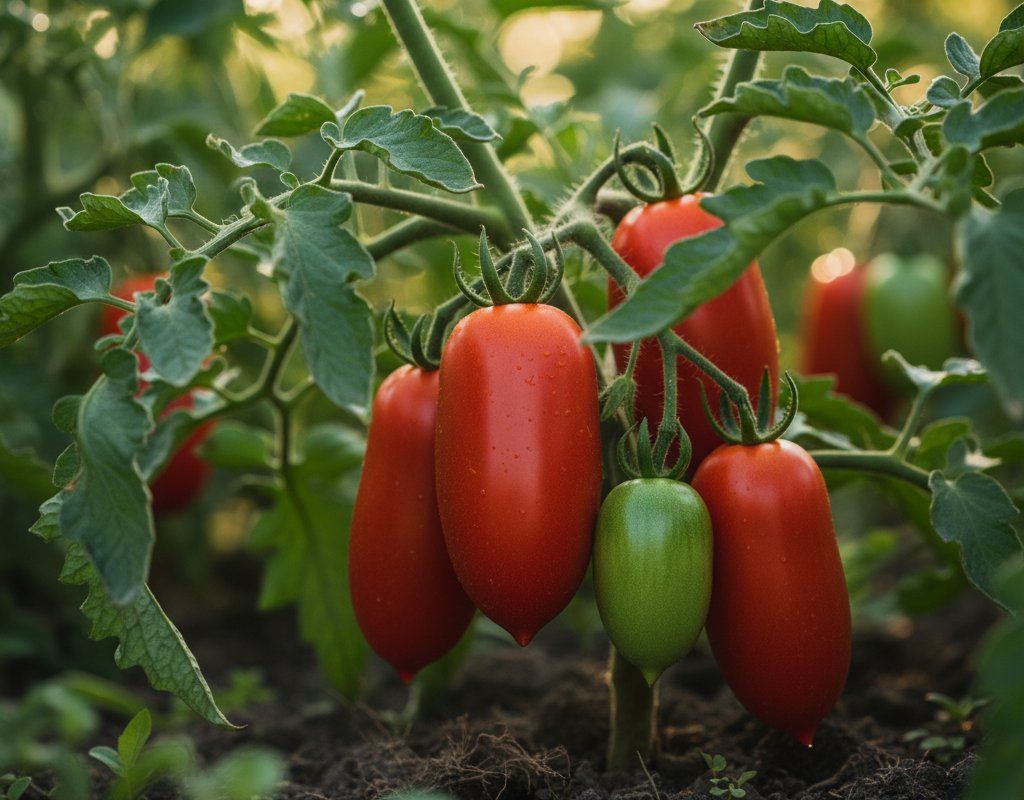
San Marzano Tomatoes in Zone 4A — Mountain West
Solanum lycopersicum · Your Complete 2026 Planting Guide
Planning Ahead — Great!
You’re ahead of the season. Here’s when to start.
Mark Your Calendar
How to Plant San Marzano Tomatoes in Zone 4A — Mountain West
Here are all your options for getting san marzano tomatoes in the ground, from the easiest method to more advanced approaches.
Start Seeds Indoors
RecommendedMid April through early May
around April 22
Then transplant: Early to mid June
Start seeds 6-8 weeks before transplanting outdoors.
Buy Starts
Works WellEarly to mid June
around June 3
Plant purchased starts after last frost (May 20).
Direct Sow Seeds
ChallengingDirect sowing is not typical for San Marzano Tomatoes.
Transplant Outdoors
Timing InfoEarly to mid June
around June 3
Wait until nighttime temperatures stay above 50°F.
Plan to transplant within a few weeks of your target date.
Overview
San Marzano tomatoes bring authentic Italian flavor to your Mountain garden, producing the prized paste tomatoes that make exceptional sauce, paste, and canning projects. These elongated beauties develop incredible sweetness in our intense high-altitude sun, while our cool nights enhance their complex flavor profile that you simply can't buy in stores. The indeterminate growth habit means continuous harvests once they start producing.
Our short growing season and late spring start might seem challenging for an 80-day variety, but San Marzanos fit perfectly within our 118-day window when you start them indoors. The key is getting seedlings established early enough to take advantage of our brief but intense summer growing period before that first frost arrives in mid-September.
Starting Seeds Indoors
Start your San Marzano seeds indoors from mid-April through early May, about 6 weeks before transplanting outdoors. Our late spring character means you can't rush this process – these tender plants need consistent warmth to germinate and grow strong before facing Mountain conditions.
Set up seed trays in a warm spot (70-75°F) with good light once seedlings emerge. A heat mat helps with germination in our cool spring houses. Bottom watering works best – fill trays from below and let the soil wick up moisture, which prevents damping off and keeps seedlings healthier.
Once seedlings develop their first true leaves, provide 12-14 hours of light daily. Our intense high-altitude sun will strengthen them later, but they need consistent light indoors to develop sturdy stems that won't shock when transplanted.
Transplanting Outdoors
Transplant your San Marzanos outdoors from early to mid-June, after our last frost danger passes and nighttime temperatures stay consistently above 50°F. These tender plants cannot handle even light frost, so patience pays off in the Mountain West.
Harden off gradually over one week – start with 2-3 hours of morning sun, then gradually increase outdoor exposure. Our intense UV can shock tender indoor seedlings, so this gradual transition prevents sunscald and transplant shock.
Space plants 24-36 inches apart in full sun locations that receive 6-8 hours of direct sunlight. The wider spacing helps air circulation in our low-humidity climate and gives these indeterminate vines room to spread. Install support structures at planting time since these plants will grow tall and produce heavy fruit clusters.
Watering San Marzano Tomatoes in Zone 4A (Mountain West)
San Marzanos need consistent, deep watering throughout our dry Mountain growing season. With only 10-20 inches of annual rainfall, you'll provide most of their water needs through irrigation. These paste tomatoes are particularly prone to blossom end rot when watering becomes inconsistent.
Aim for 1-2 inches per week, including any rainfall. Check soil moisture by inserting your finger 2 inches deep – if it's dry at that depth, it's time to water. Our low humidity means soil dries faster than in humid regions, so monitor closely during our peak summer heat.
Water deeply at the base of plants rather than overhead. Our low humidity means less disease pressure from wet foliage, but ground-level watering delivers moisture directly to roots and conserves water in our arid climate. Morning watering allows plants to take up moisture before our intense afternoon sun.
Mulch heavily around plants to maintain even soil moisture and reduce watering frequency. Grass clippings, straw, or shredded leaves work well in our dry climate. Watch for signs of stress: wilting during peak afternoon heat (even with adequate soil moisture) is normal, but persistent wilting or blossom end rot indicates watering issues.
Supporting Your San Marzano Tomatoes
San Marzano tomatoes are vigorous indeterminate vines that need strong support from planting day forward. These plants grow 6-8 feet tall and produce heavy clusters of elongated fruit that can snap unsupported branches.
Heavy-duty tomato cages or sturdy stake systems work best for these productive plants. Choose cages at least 6 feet tall or drive 8-foot stakes 2 feet into the ground. Our occasional summer hailstorms and afternoon wind gusts put extra stress on tall plants, so invest in quality support.
Train main stems up through cage rings or tie to stakes every 12-18 inches as plants grow. Use soft ties or cloth strips to avoid cutting into stems. Remove lower suckers that develop between main stem and leaf branches to concentrate energy into fruit production and maintain good air circulation.
Pruning & Maintaining San Marzano Tomatoes
Remove lower suckers and bottom leaves throughout the growing season to improve air circulation and focus energy on fruit production. Start pruning when plants reach 12-18 inches tall, removing suckers that emerge from leaf joints on the lower half of the plant.
Continue removing new suckers weekly, especially those below the first flower cluster. Leave upper suckers that develop above fruiting branches – these help feed developing tomatoes. Remove lower leaves that touch the ground or show yellowing to prevent disease and improve air movement.
As first frost approaches in mid-September, top plants by pinching growing tips to redirect energy into ripening existing fruit rather than producing new flowers. This "topping" strategy helps maximize harvest before our growing season ends abruptly.
🧪Fertilizing San Marzano Tomatoes
Feeding Schedule
Organic Fertilizer Options
Harvest Time
Expect your first San Marzano harvest from late August through mid-September, about 80 days from transplanting. Look for deep red color, firm texture, and that characteristic elongated plum shape – ripe fruit detaches easily from the stem with gentle twisting.
Harvest every 2-3 days once production begins. These indeterminate plants continue producing until frost, so consistent picking encourages more fruit development. Pick tomatoes when fully colored but still firm – they'll continue softening after harvest.
As mid-September frost approaches, harvest all mature green tomatoes and bring them indoors to ripen. San Marzanos ripen well off the vine when stored in a cool, dark place. Check daily and use as they turn red. Green tomatoes can take 2-4 weeks to fully ripen indoors.
At season's end, pull entire plants with remaining green fruit attached and hang them in a cool garage or basement. This method often yields several more pounds of tomatoes that ripen gradually through October and November.
Common Problems in Zone 4A (Mountain West)
Blossom End Rot Dark, sunken patches on the bottom of developing fruit, starting as small brown spots that expand into leathery black areas. This calcium deficiency shows up most on first fruit clusters and during periods of rapid growth.
Our dry Mountain climate and inconsistent watering create perfect conditions for blossom end rot. The fix is consistent watering – maintain even soil moisture with deep, regular irrigation and heavy mulching. Remove affected fruit immediately and focus on preventing future occurrences through better water management.
Early Blight Brown spots with distinctive concentric rings (bullseye pattern) appear on lower leaves first, then spread upward. Affected leaves yellow and drop, reducing plant vigor and fruit production.
This fungal disease spreads through soil splash during watering or rain. Remove affected leaves immediately and dispose in trash, not compost. Mulch heavily to prevent soil splash, water at plant base rather than overhead, and ensure good air circulation through proper spacing. Our low humidity helps limit spread compared to humid regions.
Fusarium Wilt Plants wilt on one side first, with yellowing leaves that don't recover with watering. Cut stems show brown streaking inside, and plants eventually collapse despite adequate moisture.
This soil-borne fungus thrives in warm soil and persists for years once established. No cure exists – remove and destroy affected plants immediately. Prevent by choosing resistant varieties (marked with 'F' on seed packets), rotating tomato family crops on 4-year cycles, and maintaining soil pH above 6.5 in our naturally alkaline Mountain soils.
Mountain West Specific Challenges: Our intense UV can cause sunscald on exposed fruit, while sudden hailstorms can damage plants and fruit. The combination of hot days and cool nights sometimes slows ripening, but our low humidity significantly reduces most fungal diseases that plague tomatoes in humid regions.
Best Companions for San Marzano Tomatoes
Plant these nearby for healthier San Marzano Tomatoes and better harvests.
View Full Companion Planting Chart →



Companion Planting Details
Plant basil, carrots, and parsley near your San Marzanos for both practical and flavor benefits. Basil repels aphids and other pests while potentially improving tomato flavor, plus you'll have fresh herbs for sauce-making. Carrots make efficient use of space with their shallow roots, and parsley attracts beneficial insects that help with pest control.
Avoid planting brassicas (cabbage, broccoli), fennel, or corn nearby. Brassicas compete for similar nutrients and can stunt tomato growth in our short season when every growing day counts. Fennel releases compounds that inhibit tomato growth, while corn attracts hornworms that also devastate tomato plants. In our 118-day growing season, these companion plant interactions matter more than in longer-season climates.
🌸Best Flowers to Plant with San Marzano Tomatoes
These flowers protect your San Marzano Tomatoes from pests and attract pollinators for better harvests.
For Pest Control

Get a Reminder When It's Time to Plant
We'll email you when key planting windows open for your zone.