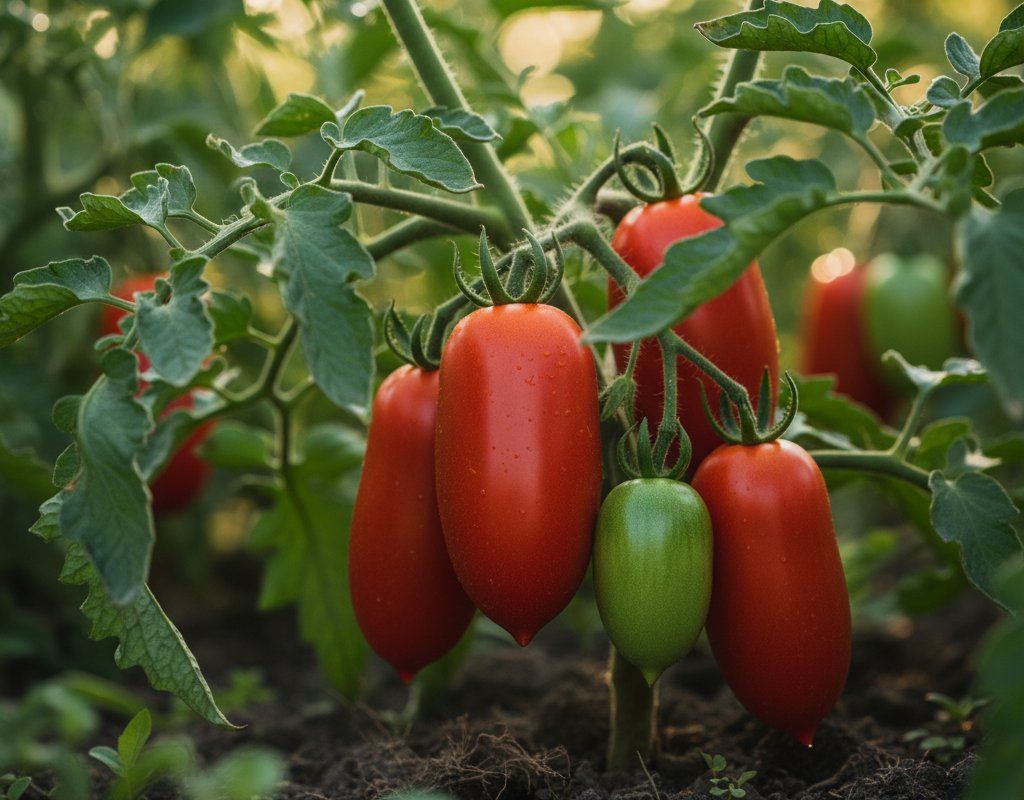
San Marzano Tomatoes in Zone 4A — Great Plains
Solanum lycopersicum · Your Complete 2026 Planting Guide
Planning Ahead — Great!
You’re ahead of the season. Here’s when to start.
Mark Your Calendar
How to Plant San Marzano Tomatoes in Zone 4A — Great Plains
Here are all your options for getting san marzano tomatoes in the ground, from the easiest method to more advanced approaches.
Start Seeds Indoors
RecommendedEarly to late April
around April 12
Then transplant: Late May through late June
Start seeds 6-8 weeks before transplanting outdoors.
Buy Starts
Works WellLate May through late June
around May 24
Plant purchased starts after last frost (May 10).
Direct Sow Seeds
ChallengingDirect sowing is not typical for San Marzano Tomatoes.
Transplant Outdoors
Timing InfoLate May through late June
around May 24
Wait until nighttime temperatures stay above 50°F.
You have a nice window — no need to rush.
Overview
San Marzano tomatoes bring authentic Italian flavor to your Great Plains garden with their distinctive elongated shape and sweet, low-acid taste perfect for sauces and paste. These indeterminate heirlooms produce heavy clusters of meaty fruit that hold up beautifully to our intense prairie sunshine, developing deeper flavors than you'll find in any grocery store variety.
While our Zone 4A climate presents challenges with variable spring weather and that late September first frost, San Marzano tomatoes fit comfortably within our 138-day growing season when you start them indoors. The key is working with our climate patterns rather than fighting them—our hot summers and low humidity actually help prevent many fungal diseases that plague tomato growers in more humid regions.
Starting Seeds Indoors
Start your San Marzano seeds indoors during early to late April, about six weeks before you plan to transplant them outside. Our variable spring weather makes indoor starting essential—you can't risk direct sowing these tender plants when a late frost could wipe them out.
Set up your seed trays in a warm spot (65-75°F works well) with good light, either from a south-facing window or grow lights placed 2-3 inches above the soil. Plant seeds ¼ inch deep in quality seed-starting mix and keep the soil consistently moist using bottom watering—set your seed trays in shallow pans of water and let the soil absorb moisture from below.
Once seedlings develop their first true leaves, thin to the strongest plants and begin hardening them off gradually as transplant time approaches. The beauty of starting indoors in our region is that you're not at the mercy of those unpredictable April temperature swings that can stress young plants.
Transplanting Outdoors
Transplant your San Marzano seedlings outdoors from late May through late June, after all danger of frost has passed and nighttime temperatures consistently stay above 50°F. This timing gives you flexibility to work around our sometimes erratic late spring weather patterns.
Harden off your seedlings for a full week before transplanting by gradually increasing their outdoor exposure time. Start with 2-3 hours in a sheltered spot and work up to full days by week's end—this prevents transplant shock from our intense prairie sun and wind.
Space plants 24-36 inches apart to allow for good air circulation, which is crucial in our low-humidity climate where plants can struggle with heat stress. Plant deep, burying 2/3 of the stem to encourage strong root development that can handle our summer heat and variable rainfall. Choose a location with wind protection, as these tall indeterminate plants will need shelter from our constant Plains breezes.
Watering San Marzano Tomatoes in Zone 4A (Great Plains)
San Marzano tomatoes need consistent, deep watering throughout our hot Plains summer, requiring about 1-2 inches per week including rainfall. With our variable precipitation patterns—some years bringing 15 inches, others 35—you'll need to supplement irrigation most seasons to prevent the dreaded blossom end rot that paste tomatoes are particularly prone to.
Check soil moisture using the finger test: stick your finger 2 inches into the soil near the plant base. If it's dry at that depth, it's time to water deeply. Our low-to-moderate humidity means less disease pressure, so you can water at the base or use overhead sprinklers without major fungal concerns, though base watering conserves more moisture.
Water early morning when possible to give plants time to absorb moisture before the day heats up to our typical 93°F highs. During peak summer, you may need to water every 2-3 days rather than following a weekly schedule—watch your plants rather than the calendar.
Apply 2-3 inches of organic mulch around plants to maintain even soil moisture and reduce watering frequency. Grass clippings or shredded leaves work well in our climate and help buffer those moisture swings that trigger blossom end rot in developing fruit.
Supporting Your San Marzano Tomatoes
Install sturdy cages or stakes at planting time since San Marzano tomatoes are vigorous indeterminate varieties that easily reach 6-8 feet tall with heavy fruit clusters. Choose 6-foot tall tomato cages or use 8-foot stakes driven 18 inches deep to handle both the plant's eventual height and our persistent Plains winds.
Heavy-duty cages work better than flimsy store-bought versions for these productive plants—look for cages with thick wire that won't bend under the weight of fruit clusters. If using stakes, tie plants loosely with soft materials like cloth strips, allowing for stem growth while providing wind support.
Position supports on the northwest side of plants when possible to provide some wind protection during our frequent afternoon gusts. These tall plants catch wind like sails, so don't underestimate the importance of solid anchoring—a fully loaded San Marzano plant can easily topple without proper support in a typical Plains thunderstorm.
Pruning & Maintaining San Marzano Tomatoes
Remove suckers (shoots that grow between main stem and branches) regularly throughout the growing season, especially the lower ones that don't contribute much to fruit production. Focus your energy on 2-3 main stems for maximum fruit size and easier management.
Prune off lower leaves and branches that touch the ground to improve airflow and prevent soil-borne diseases from splashing up onto foliage. As plants mature, remove some interior growth to open up the center for better air circulation—this matters more in humid climates, but good airflow still helps in our dry Plains air.
Around mid to late August, pinch growing tips to redirect energy into ripening existing fruit before our late September frost arrives. Remove any new flower clusters that won't have time to develop into mature fruit—this helps existing tomatoes reach full size and flavor.
🧪Fertilizing San Marzano Tomatoes
Feeding Schedule
Organic Fertilizer Options
Harvest Time
Your first San Marzano tomatoes will be ready from mid-August through late September, typically 80 days from transplanting. These paste tomatoes are ready when they develop their characteristic deep red color and feel firm but give slightly to gentle pressure—they should detach easily from the stem with a gentle twist.
Harvest in the morning when temperatures are cooler and fruit is fully hydrated from overnight moisture. The distinctive elongated shape makes San Marzanos easy to identify when ripe, and their thick walls mean they hold well on the counter for several days after picking.
These indeterminate plants produce continuously until frost, so check every 2-3 days once harvesting begins. Don't let overripe fruit hang on the plant—remove it promptly to keep new fruit developing and prevent pest problems.
As our late September first frost approaches, harvest all mature green fruit and bring them indoors to ripen on windowsills or in paper bags. San Marzanos ripen well off the vine, and you'll often get another week or two of harvest this way, extending your season beyond what our short growing season normally allows.
Common Problems in Zone 4A (Great Plains)
Blossom End Rot Dark, sunken patches appear on the bottom (blossom end) of developing fruit, starting small but enlarging as fruit grows. The affected area becomes leathery and black, making the entire fruit unusable. This physiological disorder typically affects the first fruit clusters of the season and San Marzano varieties are particularly susceptible.
Blossom end rot results from calcium deficiency caused by inconsistent watering—exactly the challenge our variable Plains rainfall creates. It's not a disease but a nutrient uptake problem triggered by drought-stress followed by heavy watering cycles. Maintain consistent soil moisture through regular watering and thick mulching. Remove affected fruit immediately to redirect plant energy into healthy developing tomatoes.
Early Blight Brown spots with distinctive concentric rings (bullseye or target pattern) appear first on lower leaves, then spread upward through the plant. Affected leaves yellow and drop, eventually defoliating plants from the bottom up. Fruit can also develop dark, sunken spots with the same ring pattern.
This fungal disease thrives in warm, humid conditions and spreads when soil splashes onto lower leaves during watering or rain. While our low Plains humidity helps reduce severity compared to more humid regions, early blight can still establish during our occasional humid spells. Remove affected leaves immediately and destroy them (don't compost). Water at plant base rather than overhead, mulch to prevent soil splash, and ensure good air circulation through proper spacing.
Fusarium Wilt Plants develop yellowing and wilting that typically starts on one side of the plant, then spreads. Leaves yellow from bottom upward, and cutting open the main stem reveals brown streaks in the vascular tissue. Once symptoms appear, plants rarely recover and usually die within weeks.
This soil-borne fungus enters through roots and persists in soil for years, making crop rotation essential. Our warm Plains soil temperatures during summer actually favor fusarium development. Plant resistant varieties when possible (look for 'F' on seed packets), rotate tomatoes to different garden areas on a 4-year cycle, and remove infected plants immediately to prevent spread.
Great Plains Specific Challenges: Our hot, dry summers with variable rainfall create perfect conditions for blossom end rot, while our intense sun can stress plants that aren't properly mulched and watered. However, our low humidity significantly reduces fungal disease pressure compared to more humid regions, making San Marzanos generally easier to grow here than in the Southeast or coastal areas.
Best Companions for San Marzano Tomatoes
Plant these nearby for healthier San Marzano Tomatoes and better harvests.
View Full Companion Planting Chart →



Companion Planting Details
Plant basil alongside your San Marzano tomatoes—it reportedly improves tomato flavor while repelling aphids and hornworms with its strong scent. Carrots make excellent companions since their deep roots don't compete with tomato roots, and marigolds planted nearby help deter nematodes and other soil pests while adding color to your garden.
Avoid planting brassicas (cabbage, broccoli, cauliflower) or fennel near your tomatoes, as they can inhibit tomato growth through allelopathic effects. Skip corn as a neighbor too—both crops attract similar pests like corn earworm, and corn's height can create unwanted shade in our already challenging short growing season where every hour of intense Plains sunshine matters for fruit ripening.
🌸Best Flowers to Plant with San Marzano Tomatoes
These flowers protect your San Marzano Tomatoes from pests and attract pollinators for better harvests.
For Pest Control

Get a Reminder When It's Time to Plant
We'll email you when key planting windows open for your zone.