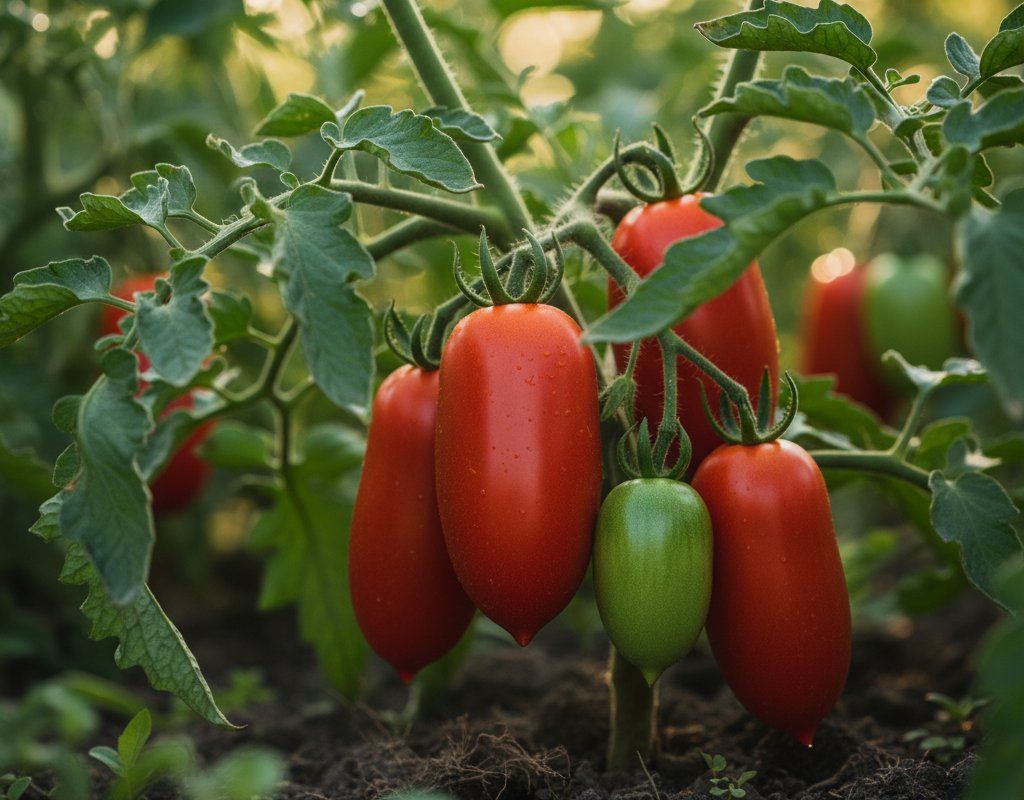
San Marzano Tomatoes in Zone 5A — Great Plains
Solanum lycopersicum · Your Complete 2026 Planting Guide
Planning Ahead — Great!
You’re ahead of the season. Here’s when to start.
Mark Your Calendar
How to Plant San Marzano Tomatoes in Zone 5A — Great Plains
Here are all your options for getting san marzano tomatoes in the ground, from the easiest method to more advanced approaches.
Start Seeds Indoors
RecommendedLate March through mid April
around March 28
Then transplant: Early May through early June
Start seeds 6-8 weeks before transplanting outdoors.
Buy Starts
Works WellEarly May through early June
around May 9
Plant purchased starts after last frost (April 25).
Direct Sow Seeds
ChallengingDirect sowing is not typical for San Marzano Tomatoes.
Transplant Outdoors
Timing InfoEarly May through early June
around May 9
Wait until nighttime temperatures stay above 50°F.
You have a nice window — no need to rush.
Overview
San Marzano tomatoes deliver unmatched flavor for sauce-making in our Plains climate, producing elongated fruits with sweet, low-acid flesh that's perfect for canning and cooking. These Italian paste tomatoes thrive in our intense Great Plains sunshine and actually benefit from the low disease pressure that comes with our typically dry conditions. The concentrated heat helps develop the complex, rich flavor San Marzanos are famous for worldwide.
While our extreme temperature swings and unpredictable spring weather present challenges, San Marzanos work well within our 168-day growing season when you start them indoors and time transplanting carefully. The key is working with our variable spring conditions rather than fighting them, giving these heat-loving plants the indoor head start they need before our soils warm up reliably.
Starting Seeds Indoors
Start your San Marzano seeds indoors during late March through mid-April, about 6 weeks before your planned transplant date. Our variable spring weather makes indoor starting essential rather than optional – you'll need this buffer to work around late cold snaps and soil that stays cool longer than you'd expect.
Set up seed trays with quality potting mix in a warm location, aiming for soil temperatures around 70-75°F for good germination. A heat mat under the trays helps maintain consistent warmth, which is crucial during our still-cool indoor conditions in early spring. Bottom watering works best – fill a tray beneath your seed containers and let the soil absorb moisture from below, preventing the soil surface disruption that can bury tiny seedlings.
Once your seeds germinate, provide strong light with fluorescent or LED grow lights positioned 2-3 inches above the seedlings. Move lights up as plants grow, maintaining that close distance. In 4-6 weeks, you'll have stocky transplants ready for hardening off when outdoor conditions stabilize.
Transplanting Outdoors
Transplant your San Marzanos outdoors between early May through early June, after soil temperatures reach at least 60°F and nighttime temperatures stay consistently above 50°F. Wait until at least two weeks after your average last frost date, as these plants are extremely sensitive to cold and even a light frost will kill them completely.
Harden off transplants gradually over 7-10 days by placing them outside for increasing periods each day, starting with just 2-3 hours in filtered sunlight. This gradual exposure prevents transplant shock and helps plants adjust to our intense Plains sunshine and constant wind. Bring plants indoors if temperatures drop unexpectedly – our spring weather swings can catch you off guard.
Space transplants 24-36 inches apart in full sun locations with wind protection. Plant them slightly deeper than they were growing in pots, burying 2/3 of the stem to encourage strong root development. Install support structures at planting time since these indeterminate varieties will need sturdy staking or caging as they grow.
Watering San Marzano Tomatoes in Zone 5A (Great Plains)
San Marzanos need consistent, deep watering throughout the growing season – about 1.5-2 inches per week including rainfall. Our variable precipitation patterns mean you'll need to supplement irrigation regularly, especially during hot stretches when temperatures climb into the 90s and our low-to-moderate humidity increases water loss from both soil and plants.
Check soil moisture using the finger test: stick your finger 2 inches deep into the soil near the plant base. If it's dry at that depth, it's time to water deeply. Water at the base of plants rather than overhead to reduce disease risk and ensure water reaches the root zone instead of evaporating in our dry air and constant wind.
Consistent watering is absolutely critical for preventing blossom end rot, which paste-type tomatoes like San Marzanos are particularly prone to developing. The dark, sunken spots on fruit bottoms result from calcium deficiency caused by drought/flood watering cycles. Once you establish a regular watering schedule and stick to it, this problem largely disappears.
Apply 2-3 inches of organic mulch around plants to conserve moisture and moderate soil temperature swings. In our climate, mulching reduces watering needs by about 30% and helps maintain the even soil moisture these plants require for optimal fruit development.
Supporting Your San Marzano Tomatoes
San Marzanos are vigorous indeterminate varieties that can reach 6-8 feet tall, requiring strong support from the start. Install heavy-duty tomato cages at least 6 feet tall or use sturdy wooden stakes with soft ties for training the main stem upward as it grows.
Set up support structures at transplanting time rather than waiting – trying to install supports around established plants risks root damage and stem breakage. In our windy Plains conditions, anchor cages or stakes securely since summer storms can topple unsupported plants even with strong root systems.
Choose the sturdiest support materials you can find, as the combination of heavy fruit clusters and our constant wind creates significant stress on support systems. Many gardeners here use concrete reinforcing wire formed into cages or treated lumber stakes driven 18 inches deep for stability.
Pruning & Maintaining San Marzano Tomatoes
Remove suckers (shoots growing between the main stem and branches) when they're small, about 2-4 inches long. Pinch them off with your fingers or use clean pruning shears for larger ones. This directs energy into fruit production rather than excessive foliage, especially important with our short growing season.
Prune lower leaves and branches that touch the ground to improve air circulation and prevent soil-borne diseases. Remove any yellowing or damaged foliage throughout the season. In late August, pinch off new flower clusters to focus energy on ripening existing fruit before our first frost arrives in early October.
About 4-6 weeks before your expected first frost, top the main growing point to stop vertical growth and concentrate energy into maturing fruit. This timing helps maximize your harvest before cold weather ends the growing season.
🧪Fertilizing San Marzano Tomatoes
Feeding Schedule
Organic Fertilizer Options
Harvest Time
Your first San Marzanos will be ready for harvest in late July through mid-September, about 80 days from transplanting. These elongated paste tomatoes develop their characteristic deep red color and firm texture when fully ripe, with the fruit detaching easily from the stem when gently twisted.
Harvest regularly every 2-3 days once production begins to encourage continued flowering and fruit set. Pick tomatoes when they're fully colored but still firm – they'll continue developing flavor for a few days after harvest. San Marzanos that are starting to turn color can finish ripening indoors if picked before first frost.
As early October approaches and nighttime temperatures drop into the 40s, harvest all remaining fruit regardless of ripeness stage. Green tomatoes will ripen slowly indoors when stored in a cool, dark location. Wrap individual green tomatoes in newspaper or place them in paper bags to speed ripening.
The concentrated harvest period makes San Marzanos perfect for large-batch sauce making and canning projects. Plan your preservation activities for late August through September when production peaks, taking advantage of the intense flavor these tomatoes develop in our hot, sunny climate.
Common Problems in Zone 5A (Great Plains)
Blossom End Rot Dark, sunken, leathery patches appear on the bottom (blossom end) of developing fruit, starting as small spots and enlarging as fruit grows. This affects the first fruit clusters most severely and often shows up during hot, dry periods when plants are stressed.
This isn't a disease but a calcium deficiency caused by inconsistent watering – something our variable rainfall patterns can trigger easily. Drought followed by heavy watering prevents roots from absorbing calcium properly, even when soil has adequate levels. Our intense heat and low humidity compound the problem by increasing water stress.
Maintain consistent soil moisture with deep, regular watering and apply 2-3 inches of mulch to buffer moisture fluctuations. Don't over-fertilize with nitrogen, which can interfere with calcium uptake. Remove affected fruit immediately to redirect energy into healthy production.
Early Blight Brown spots with distinctive concentric rings (bullseye pattern) appear on lower leaves first, gradually moving up the plant. Leaves turn yellow and drop off, reducing the plant's ability to photosynthesize and produce fruit.
This fungal disease thrives in warm, humid conditions and spreads when water splashes soil-borne spores onto foliage. While our low-to-moderate humidity helps somewhat, the combination of summer heat and irrigation creates favorable conditions, especially during muggy periods.
Remove affected leaves immediately and destroy them (don't compost). Water at soil level rather than overhead, and improve air circulation through proper spacing and pruning. Mulch prevents soil splash during watering or storms.
Fusarium Wilt Plants wilt on one side first, then the entire plant collapses even with adequate soil moisture. Leaves turn yellow starting on one side, and cutting the stem reveals brown streaks inside the vascular system.
This soil-borne fungus persists for years once established and enters through root systems, particularly in warm soils. Our hot summer soil temperatures create ideal conditions for this disease to develop and spread rapidly.
No cure exists once infection occurs – remove and destroy affected plants immediately. Plant only resistant varieties marked with 'F' on seed packets, rotate tomato family crops on a 4-year cycle, and maintain soil pH above 6.5 to discourage fungal activity.
Great Plains Specific Challenges Our intense summer heat and frequent wind stress tomato plants significantly, making consistent watering and wind protection essential for San Marzano success. The extreme temperature swings between day and night can slow fruit development and increase susceptibility to physiological disorders like blossom end rot.
Best Companions for San Marzano Tomatoes
Plant these nearby for healthier San Marzano Tomatoes and better harvests.
View Full Companion Planting Chart →



Companion Planting Details
Plant basil near your San Marzanos for natural pest deterrence and improved flavor – many gardeners swear the aromatic oils enhance tomato taste while repelling aphids and hornworms. Carrots make excellent ground-level companions since their taproots don't compete with tomato root systems, and marigolds provide continuous pest control throughout the growing season with their strong scent that deters many harmful insects.
Avoid planting brassicas like cabbage or broccoli nearby, as they're heavy feeders that compete aggressively for nutrients in our prairie soils. Keep fennel and corn away from tomatoes too – fennel can inhibit growth through chemical interactions, while corn attracts similar pests and creates too much shade in our already challenging growing conditions.
🌸Best Flowers to Plant with San Marzano Tomatoes
These flowers protect your San Marzano Tomatoes from pests and attract pollinators for better harvests.
For Pest Control

Get a Reminder When It's Time to Plant
We'll email you when key planting windows open for your zone.