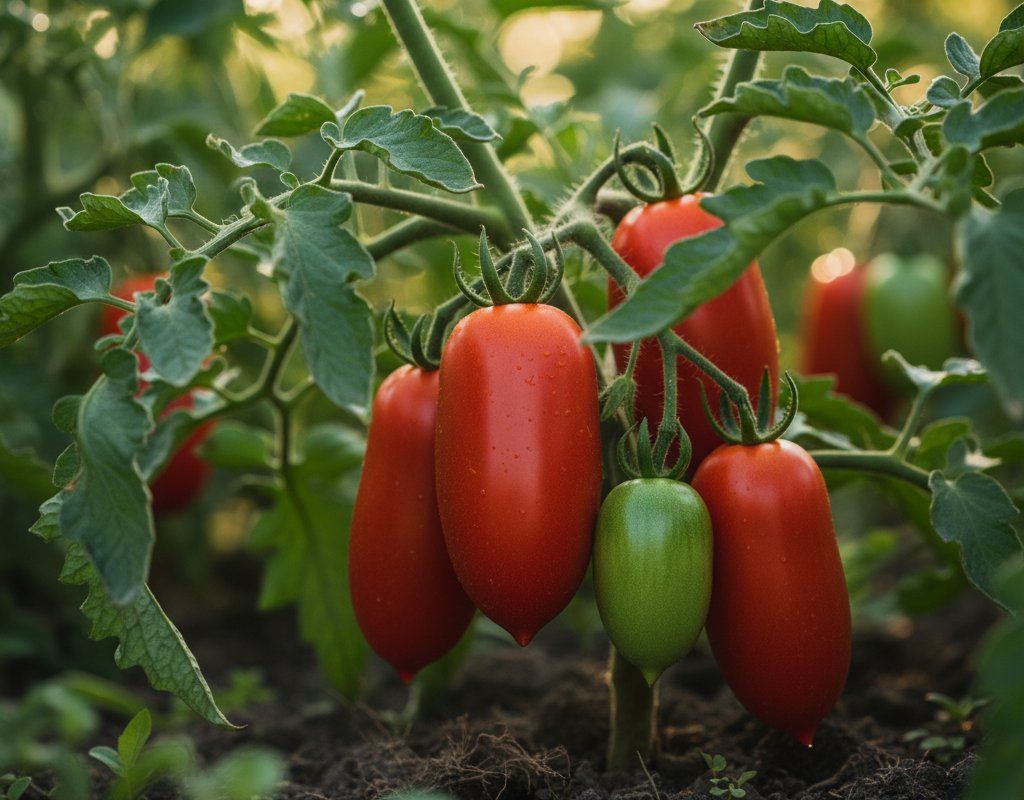
San Marzano Tomatoes in Zone 8B — Florida
Solanum lycopersicum · Your Complete 2026 Planting Guide
Time to Buy Starts!
Seed starting window passed, but starts are available now.
Buy Starts Now
Head to your local nursery, Home Depot, or farmers market for transplants.
- Look for stocky plants with dark green leaves
- Avoid leggy seedlings or plants already flowering
- Check that roots aren't circling the pot (rootbound)
How to Plant San Marzano Tomatoes in Zone 8B — Florida
Here are all your options for getting san marzano tomatoes in the ground, from the easiest method to more advanced approaches.
Start Seeds Indoors
RecommendedMid January through early February
around January 18
Then transplant: Early to late March
Start seeds 6-8 weeks before transplanting outdoors.
Buy Starts
Works WellEarly to late March
around March 1
Plant purchased starts after last frost (February 15).
Direct Sow Seeds
ChallengingDirect sowing is not typical for San Marzano Tomatoes.
Transplant Outdoors
Timing InfoEarly to late March
around March 1
Wait until nighttime temperatures stay above 50°F.
You have a nice window — no need to rush.
Overview
San Marzano tomatoes are the gold standard for paste tomatoes, and they thrive beautifully in our Florida Zone 8B climate when you time them right. These elongated Italian heirloom tomatoes produce sweet, low-acid fruit with thick walls and minimal seeds - perfect for making sauce, paste, or canning. Unlike many crops that struggle with our intense summer heat and humidity, San Marzanos shine when you plant them in our reversed Florida growing calendar, giving you premium homegrown tomatoes during our pleasant late spring weather.
Our 303-day growing season gives you plenty of flexibility with timing, and while the extreme humidity and summer heat can challenge many gardeners, San Marzanos actually finish producing before the worst of summer hits. The key is starting early enough indoors so your plants are established and producing well before our temperatures climb into the brutal 90s with stifling humidity.
Starting Seeds Indoors
Start your San Marzano seeds indoors from mid-January through early February, about 6 weeks before your planned transplant date. In Florida, we get the luxury of starting earlier than most regions since our last frost typically arrives around mid-February, giving you a head start on the growing season.
Set up your seed trays with good quality seed starting mix and place them in a warm spot - around 70-75°F is perfect for germination. A heat mat helps ensure consistent temperatures during our sometimes unpredictable winter weather. Bottom watering works best to prevent fungal issues that can plague seedlings in our humid climate. Water from the bottom by placing trays in a shallow pan of water rather than misting the soil surface.
Once your seedlings emerge, they'll need strong light - either a sunny south-facing window or grow lights for 14-16 hours daily. Keep them slightly on the dry side between waterings since Florida's natural humidity can encourage damping-off disease in young seedlings.
Transplanting Outdoors
Transplant your San Marzano seedlings outdoors from early to late March, after hardening them off for about a week. This timing puts them in the ground after our typical last frost but before summer heat becomes overwhelming. Start the hardening process by placing plants outside for a few hours in filtered sun, gradually increasing their exposure to direct sunlight and outdoor conditions.
Space your transplants 24-36 inches apart to ensure good air circulation - crucial in our humid Florida climate where fungal diseases thrive in crowded plantings. The wider spacing also gives these indeterminate plants room to develop their extensive root systems in our sandy soils.
March weather can be unpredictable in Florida, with occasional cool snaps or unseasonably warm spells. Keep an eye on overnight temperatures and be ready to protect young transplants with row covers or even upturned buckets if temperatures drop unexpectedly below 50°F.
Watering San Marzano Tomatoes in Zone 8B (Florida)
San Marzanos have high water needs and aren't drought tolerant, which means consistent watering is absolutely critical for success in Florida. These paste tomatoes are particularly prone to blossom end rot when watering is inconsistent, and our sandy soils drain quickly, making regular monitoring essential.
During the growing season, aim for about 1-2 inches of water per week, including rainfall. Use the finger test - stick your finger 2 inches deep into the soil near the plant base. If it feels dry at that depth, it's time to water. In Florida's spring weather, you'll likely need to water every 2-3 days, especially as temperatures climb into the 80s and 90s.
Always water at the base of the plants rather than overhead watering. Our extremely high humidity already creates perfect conditions for fungal diseases, and wet leaves just make the problem worse. Soaker hoses or drip irrigation work beautifully for tomatoes, delivering water directly to the root zone while keeping foliage dry.
Apply a 3-4 inch layer of organic mulch around your plants to help retain moisture in our fast-draining sandy soil and reduce the frequency of watering. Pine straw or shredded leaves work well and help moderate soil temperature during hot spells. Signs of underwatering include wilting during the heat of the day, while overwatering shows up as yellowing lower leaves and potentially root rot in our humid conditions.
Supporting Your San Marzano Tomatoes
San Marzano tomatoes are vigorous indeterminate varieties that can easily reach 6-8 feet tall with proper support. These plants produce heavy clusters of elongated fruit, so sturdy support is non-negotiable - flimsy cages will collapse under the weight by mid-season.
Install your support system at planting time to avoid disturbing established roots later. Heavy-duty tomato cages (at least 6 feet tall) work well, or you can use a single sturdy stake driven 2 feet into the ground. If using stakes, choose 8-foot stakes to account for the portion going underground and the plant's eventual height.
Tie the main stem loosely to your support every 12-18 inches as the plant grows, using soft ties or old t-shirt strips that won't cut into the stems. In Florida's windy conditions - especially during storm season - secure staking becomes even more important to prevent your productive plants from being damaged or blown over.
Pruning & Maintaining San Marzano Tomatoes
San Marzano tomatoes benefit from moderate pruning to maintain good airflow and focus energy on fruit production. Remove suckers (the shoots that grow between the main stem and branches) when they're small and easy to pinch off with your fingers - usually when they're 2-4 inches long.
Focus your pruning efforts on the lower portion of the plant, removing any leaves that touch the ground and the bottom 6-12 inches of foliage. This improves air circulation around the base where fungal diseases typically start in our humid Florida climate. Throughout the growing season, continue removing lower leaves as they yellow and any suckers that develop.
As your first frost date approaches around mid-December, you can "top" the plants by removing the growing tips to encourage the remaining fruit to ripen. About 4-6 weeks before expected frost, pinch out any new flower clusters since they won't have time to develop into mature fruit anyway.
🧪Fertilizing San Marzano Tomatoes
Feeding Schedule
Organic Fertilizer Options
Harvest Time
Your first San Marzano tomatoes will be ready from mid-May through early July, about 80 days from transplanting. In Florida's favorable spring growing conditions, you might see ripe fruit on the earlier side of this window, especially if you started with robust transplants.
Look for deep red color and firm fruit that gives slightly to gentle pressure. The classic San Marzano shape is elongated with a pointed bottom, and ripe fruit will detach easily from the stem with a gentle twist. Harvest in the morning when temperatures are cooler and fruit is well-hydrated for the best flavor and storage life.
These are continuous-harvest tomatoes, so check your plants every 2-3 days once production begins. Regular harvesting encourages continued production and prevents overripe fruit from attracting pests or dropping to the ground where it can harbor diseases.
As summer heat intensifies and your first frost approaches in mid-December, you can harvest green tomatoes and ripen them indoors on a counter or in paper bags. The plants will naturally slow production as days shorten and temperatures cool, giving you time to use up the remaining harvest before replanting for the next season.
Common Problems in Zone 8B (Florida)
Blossom End Rot This appears as sunken, dark brown or black leathery patches on the bottom (blossom end) of your San Marzano fruit, often affecting the first fruits of the season. You'll typically see it just as tomatoes start to ripen, and it's heartbreaking after waiting months for your harvest. This isn't a disease but a calcium deficiency caused by inconsistent watering - extremely common in Florida's sandy, fast-draining soils where moisture levels fluctuate dramatically. Maintain consistent soil moisture through regular watering and heavy mulching. Remove affected fruit immediately and focus on steady watering practices rather than calcium sprays, which rarely help.
Early Blight Watch for brown spots with distinctive concentric rings (like a bullseye or target) starting on lower leaves first, then spreading upward as leaves yellow and drop. This fungal disease thrives in Florida's warm, humid conditions and spreads when rain or irrigation water splashes contaminated soil onto lower leaves. Remove affected leaves immediately and destroy them (never compost diseased material). Mulch heavily to prevent soil splash, water only at the base of plants, and improve air circulation through proper spacing and pruning. Copper-based fungicides can slow the spread but won't cure infected plants.
Fusarium Wilt This devastating disease starts with wilting on just one side of the plant, then spreads as leaves yellow and the entire plant collapses. When you cut open the main stem, you'll see brown streaking inside. Once infected, there's no saving the plant - remove and destroy it immediately to prevent spreading to other tomatoes. This soil-borne fungus loves Florida's warm soil temperatures and can persist for years in the same spot. Plant only fusarium-resistant varieties (look for 'F' on seed packets), rotate your tomato planting areas on a 4-year cycle, and consider solarizing soil during our hottest summer months.
Florida Specific Challenges Our extreme humidity and wet summer rainfall create perfect conditions for fungal diseases, while sandy soils make consistent watering challenging. Nematodes can also attack tomato roots in Florida soils, so consider nematode-resistant varieties if this becomes a recurring problem in your garden.
Best Companions for San Marzano Tomatoes
Plant these nearby for healthier San Marzano Tomatoes and better harvests.
View Full Companion Planting Chart →



Companion Planting Details
Plant basil near your San Marzano tomatoes - it naturally repels aphids and whiteflies while thriving in the same growing conditions. Carrots work well as companions since their deep taproots don't compete with tomatoes' shallow root systems, and marigolds planted around the edges help deter nematodes, which are particularly problematic in Florida's sandy soils. Parsley makes another excellent companion, attracting beneficial insects while requiring similar watering schedules.
Avoid planting brassicas like cabbage or broccoli near your tomatoes since they can stunt tomato growth and compete for nutrients. Fennel secretes compounds that inhibit tomato growth, and corn attracts similar pests like hornworms while creating too much shade for your sun-loving San Marzanos. In Florida's intense growing conditions, giving your tomatoes the best possible growing environment means choosing companions that enhance rather than compete with their needs.
🌸Best Flowers to Plant with San Marzano Tomatoes
These flowers protect your San Marzano Tomatoes from pests and attract pollinators for better harvests.
For Pest Control

Get a Reminder When It's Time to Plant
We'll email you when key planting windows open for your zone.