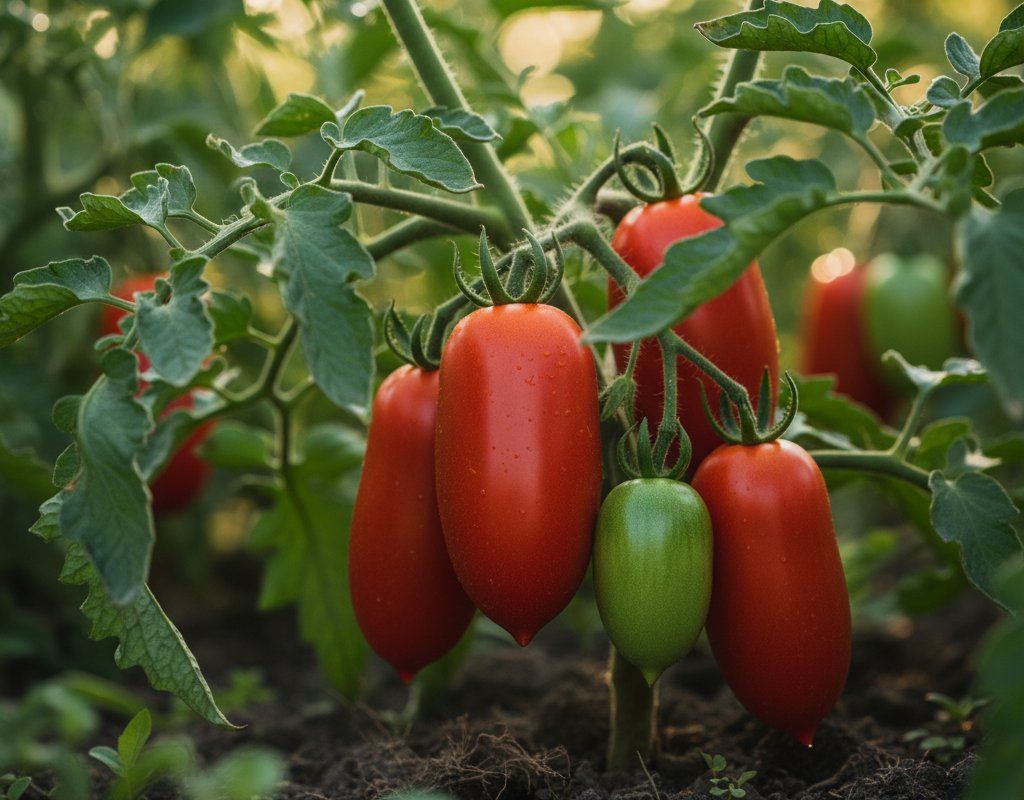
San Marzano Tomatoes in Zone 8B — Texas
Solanum lycopersicum · Your Complete 2026 Planting Guide
Missed Seed Starting? No Problem!
Wait for starts to become available.
What to Do
Starts will be available at nurseries in 7 days (around March 11).
How to Plant San Marzano Tomatoes in Zone 8B — Texas
Here are all your options for getting san marzano tomatoes in the ground, from the easiest method to more advanced approaches.
Start Seeds Indoors
RecommendedLate January through mid February
around January 28
Then transplant: Mid March through early April
Start seeds 6-8 weeks before transplanting outdoors.
Buy Starts
Works WellMid March through early April
around March 11
Plant purchased starts after last frost (February 25).
Direct Sow Seeds
ChallengingDirect sowing is not typical for San Marzano Tomatoes.
Transplant Outdoors
Timing InfoMid March through early April
around March 11
Wait until nighttime temperatures stay above 50°F.
You have a nice window — no need to rush.
Overview
San Marzano tomatoes bring authentic Italian flavor to your Texas garden, producing those distinctive plum-shaped fruits that are absolutely perfect for sauces, paste, and canning. In our Zone 8B climate, these indeterminate beauties thrive during our long growing season, giving you months of harvesting from late spring through our typically mild fall. The intense flavor concentration that develops under our Texas heat makes homegrown San Marzanos far superior to anything you'll find in stores.
While our unpredictable weather and brutal summer heat present challenges, the timing works beautifully for San Marzanos when you start early and harvest before the peak summer stress. With our 273-day growing season, you have plenty of time to get a substantial harvest before the extreme heat hits, and you can even squeeze in a fall planting if you're ambitious about extending the season.
Starting Seeds Indoors
Start your San Marzano seeds indoors from late January through mid-February, about six weeks before your planned transplant date. This early start takes advantage of our typically mild late winter and gets plants established before the Texas heat arrives. Set up seed trays with quality potting mix in a warm location—a heat mat helps maintain the 70-75°F soil temperature these seeds love.
Place trays under grow lights or in your brightest south-facing window, keeping lights about 2 inches above seedlings once they emerge. Water from the bottom by setting trays in shallow pans of water rather than watering from above, which prevents damping off and encourages strong root development. Your seeds should germinate within 5-10 days in warm conditions.
Once seedlings develop their first true leaves, transplant to individual 4-inch pots and continue growing indoors. Keep them warm but start reducing nighttime temperatures slightly to toughen them up for eventual outdoor life in our variable spring weather.
Transplanting Outdoors
Plan to transplant your San Marzano seedlings outdoors from mid-March through early April, after the last frost danger has typically passed in our zone. Before transplanting, harden them off gradually over one week by placing them outside for a few hours each day, gradually increasing exposure to direct sun and outdoor temperatures. This prevents shock from our often dramatic day-to-night temperature swings.
Space plants 24-36 inches apart to ensure good air circulation—critical in our variable humidity conditions that can promote fungal diseases. Choose a location with full sun (6-8 hours) and well-draining soil, as these indeterminates will be in the ground for months through our intense summer.
Watch weather forecasts carefully during transplant time, as late cold snaps can still surprise us. Have row covers or protective containers ready for unexpected temperature drops, and avoid transplanting right before predicted storms that could batter young plants.
Watering San Marzano Tomatoes in Zone 8B (Texas)
San Marzanos need consistent, deep watering throughout our growing season—about 1-2 inches per week including rainfall. With our unpredictable precipitation patterns ranging from 15-50 inches annually, you'll need to supplement irrigation during dry spells, which can stretch for weeks during summer. Check soil moisture by sticking your finger 2 inches deep; if it's dry, it's time to water deeply.
During our hot summers with typical highs around 97°F, increase watering frequency but always water early morning to reduce evaporation and prevent leaf burn. Water at the base of plants rather than overhead to minimize fungal disease risk in our variable humidity conditions. A soaker hose or drip irrigation works perfectly for delivering slow, deep water that encourages strong root systems.
Watch for signs of water stress: wilting during hottest parts of the day (normal), but also blossom end rot on developing fruit (dark, sunken spots on the bottom). This calcium-uptake problem is almost always caused by inconsistent watering rather than soil deficiency. Overwatering shows up as yellow leaves and poor fruit development.
Apply a 3-4 inch layer of organic mulch around plants to conserve moisture and moderate soil temperature during our extreme heat periods. This is especially crucial for paste tomatoes like San Marzanos, which are more prone to blossom end rot than other varieties.
Supporting Your San Marzano Tomatoes
Install sturdy cages or stakes at planting time since San Marzanos are vigorous indeterminate varieties that can easily reach 6-8 feet tall in our long growing season. Heavy-duty tomato cages (at least 5 feet tall) work well, but sturdy wooden stakes with soft ties give you more control over training the main vine. These plants produce heavy clusters of fruit that need solid support to prevent branches from breaking.
For staking, use 8-foot posts driven 2 feet into the ground, giving you 6 feet above soil level. Tie the main stem loosely with soft fabric strips or tomato clips as it grows, adding new ties every 12-18 inches. In our unpredictable weather with sudden storms and high winds, strong support prevents devastating plant loss just as fruit begins forming.
Train plants to one or two main stems by removing side shoots (suckers) that develop between the main stem and branches. This concentrates energy into fruit production and makes support easier to manage through our long growing season.
Pruning & Maintaining San Marzano Tomatoes
Remove suckers—the shoots that grow between the main stem and leaf branches—when they're small and easy to pinch off with your fingers. Focus on removing suckers below the first flower cluster and any that develop in the lower third of the plant. This improves air circulation and directs energy toward fruit production rather than excessive leaf growth.
Throughout the growing season, prune off lower leaves that touch the ground or show signs of disease, working your way up to maintain about 18 inches of clear space at the base. This prevents soil-borne pathogens from splashing up during our intense rain events and improves airflow in our variable humidity conditions.
As first frost approaches in late November, top the plants by pinching out the growing tips about four weeks before expected frost. This forces the plant to focus energy on ripening existing fruit rather than producing new flowers that won't have time to mature before winter arrives.
🧪Fertilizing San Marzano Tomatoes
Feeding Schedule
Organic Fertilizer Options
Harvest Time
Your first San Marzano tomatoes should be ready from late May through mid-July, about 80 days from transplanting. Look for fruits that have developed their characteristic deep red color and give slightly to gentle pressure while still feeling firm. The elongated, plum-shaped fruits should detach easily from the stem when truly ripe—if you have to tug hard, wait another day or two.
Harvest regularly every 2-3 days once production begins to encourage continued flowering and fruit set. Pick in early morning when fruits are cool and firm, and handle gently to avoid bruising these thin-skinned varieties. San Marzanos will continue producing through summer if you keep them well-watered and remove ripe fruit promptly.
As our first frost approaches in late November, harvest all remaining fruit regardless of ripeness. Green and partially ripe tomatoes will continue ripening indoors at room temperature—just avoid refrigeration, which stops the ripening process. Wrap individual green fruits in newspaper for slower ripening, or place nearly ripe ones in a paper bag with a banana to speed the process.
For maximum sauce-making value, let fruits get fully ripe on the vine when possible, as this develops the concentrated flavor and lower water content that makes San Marzanos prized for cooking. The extra wait pays off in superior taste and texture for your homemade sauces and pastes.
Common Problems in Zone 8B (Texas)
Blossom End Rot Dark brown or black leathery patches appear on the bottom (blossom end) of developing fruit, often affecting the first tomatoes of the season. The spots start small but can cover up to half the fruit, making them inedible. This isn't a disease but a calcium deficiency caused by inconsistent watering—a common problem during our unpredictable rainfall patterns and extreme heat cycles. San Marzano paste tomatoes are particularly susceptible to this condition. Maintain consistent soil moisture through regular deep watering and heavy mulching. Remove affected fruits immediately to redirect plant energy toward healthy fruit development.
Early Blight Brown spots with distinctive concentric rings (bullseye pattern) appear on lower leaves first, then spread upward as leaves yellow and drop. This fungal disease thrives in our warm, humid conditions and spreads when soil splashes onto leaves during heavy rains. Poor air circulation makes it worse, especially in our variable humidity. Remove and destroy affected leaves immediately—never compost them. Water at soil level rather than overhead, improve plant spacing, and apply organic mulch to prevent soil splash. Copper-based fungicides can slow spread if applied early in the infection.
Fusarium Wilt Plants wilt on one side first, then the entire plant, even with adequate soil moisture. Leaves turn yellow starting from one side, and cutting the stem reveals brown streaks inside. This soil-borne fungus loves our warm soil temperatures and can persist for years in infected ground. Once infected, there's no cure—remove and destroy the entire plant immediately. Plant resistant varieties marked with 'F' on seed labels, rotate crops yearly, and consider soil solarization during our intense summer heat to reduce fungal populations.
Texas Specific Challenges: Our extreme heat and unpredictable rainfall create perfect conditions for water stress and fungal diseases in San Marzanos. The combination of 97°F days, variable humidity, and sudden downpours followed by drought can trigger both blossom end rot and early blight in the same season. Fire ants may also disturb root systems, affecting water uptake.
Best Companions for San Marzano Tomatoes
Plant these nearby for healthier San Marzano Tomatoes and better harvests.
View Full Companion Planting Chart →



Companion Planting Details
Plant basil nearby for natural pest deterrence and improved flavor—many Texas gardeners swear the combination enhances both plants' growth in our challenging climate. Carrots make excellent ground-level companions since their deep roots don't compete with tomato root zones, and they help break up clay soil common in our region. Marigolds planted around the bed edges deter nematodes and whiteflies, both problematic in our warm climate, while parsley attracts beneficial insects that help control tomato hornworms.
Avoid planting brassicas like cabbage or broccoli near San Marzanos, as they compete for similar nutrients and can attract flea beetles that then move to tomato plants. Keep corn away from your tomato bed since both are heavy nitrogen feeders, and corn's height can shade tomatoes during our crucial morning sun hours. Fennel inhibits tomato growth and should be planted in a separate garden area entirely.
🌸Best Flowers to Plant with San Marzano Tomatoes
These flowers protect your San Marzano Tomatoes from pests and attract pollinators for better harvests.
For Pest Control

Get a Reminder When It's Time to Plant
We'll email you when key planting windows open for your zone.