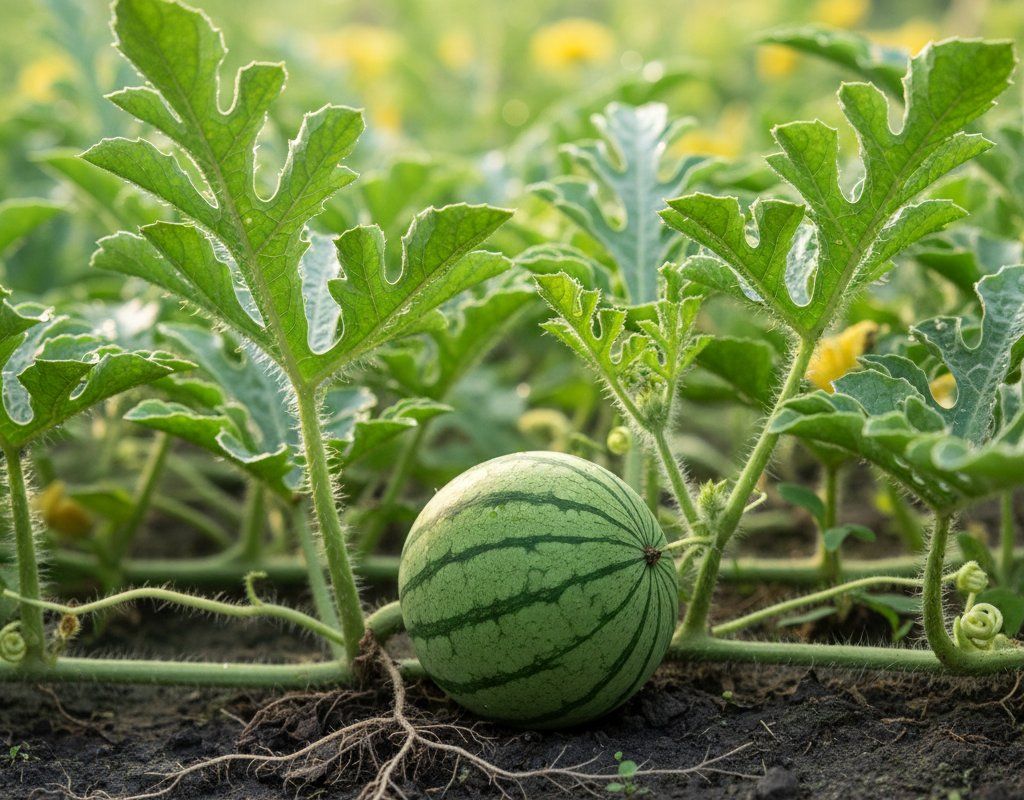
Watermelon in Zone 10B — Desert Southwest
Citrullus lanatus · Your Complete 2026 Planting Guide
Still Time to Sow!
The sowing window is still open for Watermelon.
Sow Seeds Soon
Needs warm soil. Direct sow works in zones 6+. Start indoors in colder zones.
How to Plant Watermelon in Zone 10B — Desert Southwest
Here are all your options for getting watermelon in the ground, from the easiest method to more advanced approaches.
Direct Sow Seeds
RecommendedLate January through late September
around January 29
Consider succession planting every 2-3 weeks for continuous harvest.
Needs warm soil. Direct sow works in zones 6+. Start indoors in colder zones.
Buy Starts
Works WellLate January through late February
around January 29
Plant purchased starts after last frost (January 15).
Start Seeds Indoors
Works WellEarly to late January
around January 8
Then transplant: Late January through late February
Start seeds 3-5 weeks before transplanting outdoors.
Handle seedlings carefully — melons resent root disturbance.
Transplant Outdoors
Timing InfoLate January through late February
around January 29
Wait until nighttime temperatures stay above 50°F.
You have a nice window — no need to rush.
Overview
Watermelon in the Desert Southwest delivers that perfect summer refreshment you can't buy in stores—the incomparable sweetness of vine-ripened fruit picked at peak flavor. Here in Zone 10B, you can grow watermelons through two distinct growing seasons, taking advantage of our mild winters and extended fall period to harvest melons from late April through late December.
The extreme heat and arid conditions can seem intimidating for a water-loving crop like watermelon, but proper timing makes all the difference. With our 349-day growing season, you can avoid the worst summer heat by planting early or catch the second growing season in fall, when temperatures moderate and monsoon moisture helps support these thirsty vines.
Starting Seeds Indoors
Starting watermelon seeds indoors makes sense if you want to get a jump on the season or ensure transplants are ready for optimal planting windows. Start seeds in early to late January, about three weeks before you plan to transplant outdoors in late January through late February.
Use seed-starting trays filled with warm, well-draining potting mix. Watermelon seeds germinate best in soil temperatures around 70-80°F, so consider using a heat mat if your indoor space runs cool. Bottom watering works well for watermelon seedlings—it keeps the soil evenly moist without creating the soggy conditions that can lead to damping off.
Handle watermelon seedlings with extra care since melons resent root disturbance. Use biodegradable pots or cell trays that allow you to transplant with minimal root disruption. Our very-early spring character means you can get transplants out relatively early, but always wait until soil temperatures have warmed consistently.
Transplanting Outdoors
Transplant watermelon seedlings outdoors from late January through late February, when soil temperatures consistently reach 65°F or higher. This timing takes advantage of our mild winter-to-spring transition and gets plants established before the extreme heat arrives.
Harden off seedlings gradually over a week, starting with just a few hours of morning sun and building up to full outdoor conditions. Space transplants 6-8 feet apart each way—watermelon vines spread extensively and need room to roam. Plant in raised beds or mounded rows to improve drainage and soil warming.
Handle transplants gently to minimize root shock, which watermelons tolerate poorly. Water thoroughly after transplanting and consider using row covers for the first few weeks if unexpected cold snaps threaten. Remove covers as soon as flowers appear so pollinators can access the blooms.
Direct Sowing
Direct sowing is the preferred method for watermelons in the Desert Southwest since they resent transplanting. You have two excellent windows: late January through late February for spring planting, or late August through late September for fall crops that mature in the comfortable temperatures of October through December.
Wait until soil temperatures reach at least 65°F consistently—cold soil leads to poor germination and weak plants. Prepare planting areas by working in compost and creating slightly raised rows or hills that drain well and warm quickly. Plant seeds 1 inch deep, spacing them 6-8 feet apart to accommodate the sprawling vines.
For fall planting, take advantage of monsoon moisture but ensure good drainage since waterlogged soil kills watermelon plants quickly. Spring plantings benefit from our naturally warming soils, while fall sowings mature during our extended mild season when extreme heat won't stress the developing fruit.
Watering Watermelon in Zone 10B (Desert Southwest)
Watermelons are among the thirstiest crops in your desert garden, requiring consistent deep watering throughout their growing season. In our arid climate with extreme summer heat reaching 105°F regularly, these plants need 2-3 inches of water per week during active growth and fruit development.
Water deeply at the base of plants rather than overhead—our low humidity means foliage dries quickly, but directing water to the root zone makes every drop count. Use the finger test regularly: soil should feel moist 2-3 inches down. Mulch heavily with wood chips or straw to conserve moisture and keep soil temperatures more stable, though remove mulch from around the base if it stays too wet.
During fruit development, maintain consistent soil moisture to prevent blossom end rot and ensure proper fruit expansion. However, reduce watering by about half during the final 1-2 weeks before harvest—this concentrates sugars and improves flavor. Watch for signs of stress: wilting leaves in morning hours indicate underwatering, while yellowing lower leaves often signal overwatering.
Take advantage of monsoon rains when they arrive, but be prepared to supplement irrigation since our annual rainfall of 8-15 inches falls far short of watermelon's needs. Drip irrigation works exceptionally well in our climate, delivering water efficiently while minimizing evaporation loss.
🧪Fertilizing Watermelon
Feeding Schedule
Organic Fertilizer Options
Harvest Time
Your first watermelons will be ready from late April through late December, depending on when you planted. With our long growing season, you can succession plant for continuous harvests, though extreme summer heat makes mid-season plantings challenging.
Look for three key ripeness indicators: the ground spot (where the fruit touches soil) turns from white to creamy yellow, the tendril nearest the fruit attachment turns brown and dry, and the melon produces a hollow thump when tapped. The surface also develops a matte finish rather than the glossy sheen of unripe fruit.
Cut watermelons from the vine with sharp pruners rather than pulling—this prevents damage to the vine and other developing fruit. Harvest in morning when temperatures are cooler, and handle fruit carefully since ripe watermelons bruise easily. Unlike some crops, watermelons won't ripen further once picked, so patience pays off.
As late December approaches and first frost threatens, harvest all remaining fruit regardless of size. Green watermelons can be used for pickles or preserves, ensuring nothing goes to waste from your desert-grown crop.
Common Problems in Zone 10B (Desert Southwest)
Fusarium Wilt This soil-borne disease shows up as wilting on one side of the plant first, with yellow leaves progressing from one side to the other. Cut stems reveal brown streaks inside, and plants eventually collapse completely. Our warm desert soils create ideal conditions for the fusarium fungus, which persists for years once established. Plant resistant varieties marked with 'F' on seed packets, rotate watermelons to different garden areas on a 4-year cycle, and maintain soil pH above 6.5. Remove infected plants immediately and destroy them—don't compost.
Anthracnose Dark, sunken circular spots appear on fruit, stems, and leaves, sometimes with pink or orange spore masses during humid periods. While our arid climate reduces this fungal disease compared to humid regions, monsoon season can create conditions for outbreaks. Avoid overhead watering, remove infected plant debris promptly, and apply copper fungicide preventatively if you've had problems before. Space plants adequately for air circulation and choose resistant varieties when possible.
Poor Pollination Flowers bloom but produce no fruit, or melons develop small and misshapen. This often results from insufficient bee activity during our extreme heat—pollinators avoid working during the hottest parts of the day. Plant early enough that flowering occurs during milder weather, or choose heat-tolerant varieties bred for desert conditions. Hand-pollinate using a small brush to transfer pollen from male to female flowers in early morning when it's cooler.
Desert Southwest Specific Challenges Our extreme heat and arid conditions stress watermelon plants significantly, making them more susceptible to sunscald on developing fruit and water stress during fruit filling. The alkaline soils common in our region can limit nutrient uptake, while caliche layers restrict root development. Combat these challenges with shade cloth during extreme heat periods, consistent deep watering, soil amendments to improve drainage and lower pH, and strategic planting timing to avoid the worst summer conditions.
Best Companions for Watermelon
Plant these nearby for healthier Watermelon and better harvests.

Keep Away From
Companion Planting Details
Plant watermelons alongside corn, which provides natural shade during the hottest parts of the day without competing significantly for nutrients. The vertical growth of corn contrasts well with spreading watermelon vines, and both crops appreciate similar watering schedules. Radishes planted around the perimeter can help break up compacted desert soil and are harvested well before watermelon vines spread to fill the space.
Sunflowers make excellent companions, attracting beneficial pollinators during the critical flowering period while their tall stems provide some wind protection for tender vines. Avoid planting potatoes near watermelons—they're both heavy feeders that compete for nutrients, and potatoes can harbor diseases that affect cucurbit family plants. In our desert conditions where every plant needs to earn its water allocation, choose companions that truly benefit your watermelon crop rather than compete with it.
🌸Best Flowers to Plant with Watermelon
These flowers protect your Watermelon from pests and attract pollinators for better harvests.


Get a Reminder When It's Time to Plant
We'll email you when key planting windows open for your zone.